
What Chenab Valley residents say about using birds for food and medicine
In the Chenab Valley of Jammu and Kashmir, India, people described using birds for food and traditional medicine, as well as attaching cultural meaning to them. A field study conducted from January 2023 to December 2025 documented this knowledge in Doda, Kishtwar and Ramban districts. Researchers consulted 89 people considered knowledgeable about local birds and their uses, using semi-structured interviews and group discussions. They recruited participants through recommendations and used photographs to help verify bird identifications. The sample was not a representative survey of all residents.
Informants reported uses for 31 bird species from 14 families. Twenty-one species were described as serving both as food and as medicine, in accounts associated with 12 ailments. These are records of what informants said they used; the study did not test whether the treatments work or are safe.
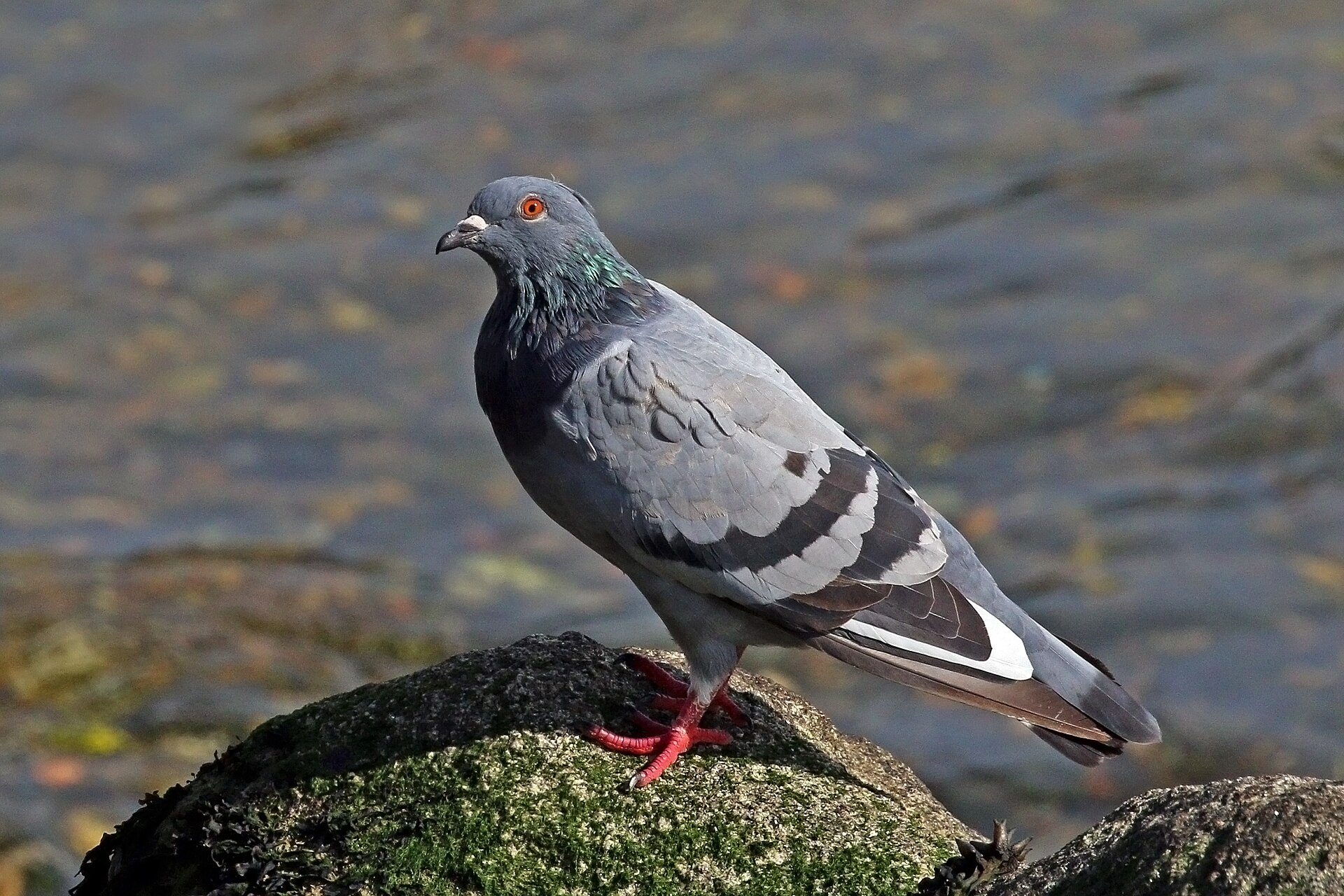
Rock Dove among the most frequently reported species
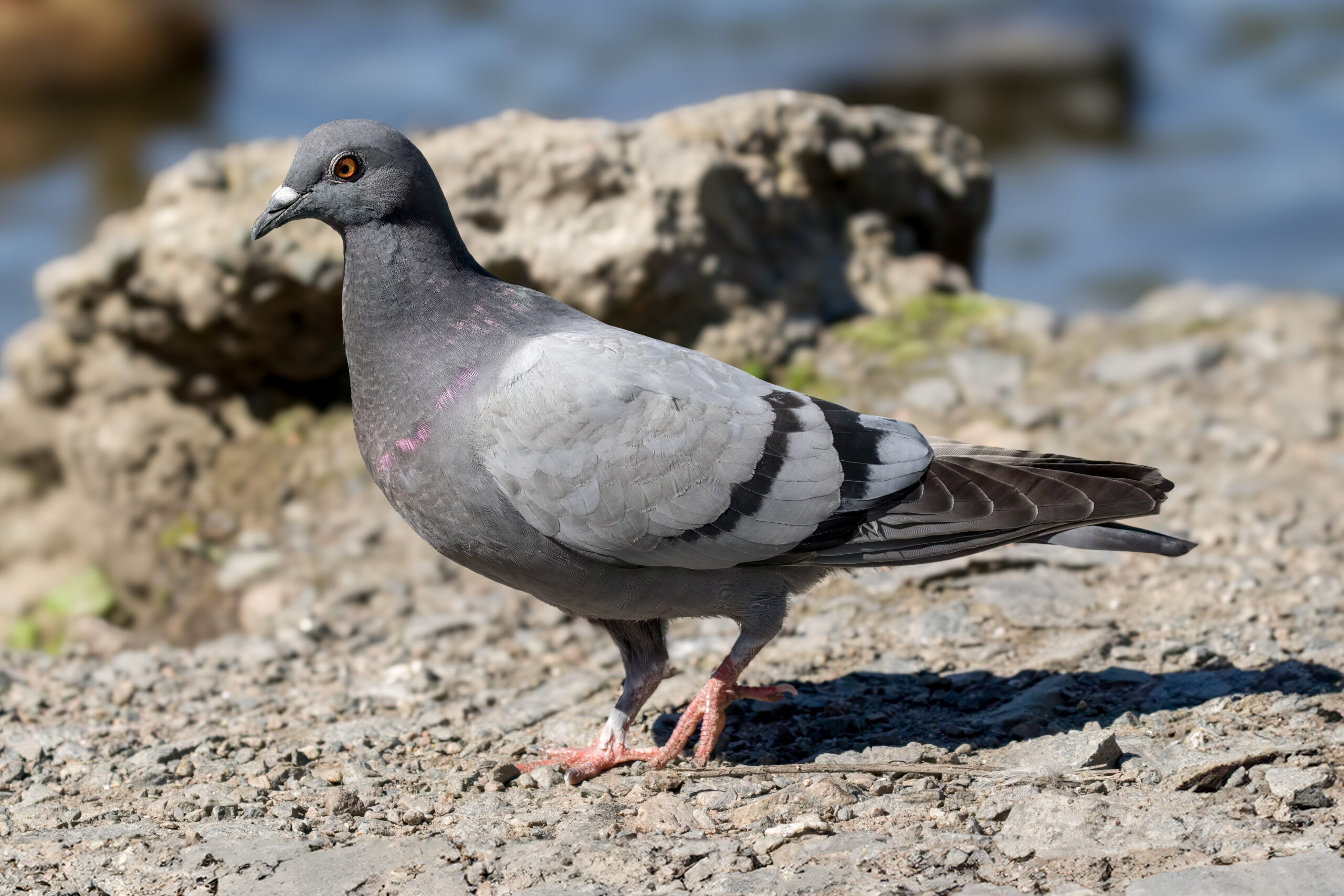
The Rock Dove (Columba livia) was among three species with the highest reported Fidelity Level, 75.9%, and Use Value, 0.93. These indices summarize patterns in informants’ reports; they do not measure medical effectiveness. The study’s table lists asthma, paralysis and cough among the ailments for which people reported using the bird, with roasted flesh as the preparation.
The researchers also recorded cultural and religious associations. Informants described finding a pigeon in the home as a sign of good luck. Separately, the paper reports that feral Rock Doves live around shrines and mosques, where devotees provide grain.
Across the wider study area, informants perceived that bird numbers were declining and attributed the declines to hunting and habitat fragmentation linked to infrastructure. These were interview reports, not independently measured population trends. The researchers present local knowledge as information that can contribute to conservation planning alongside formal monitoring.
Other research
Related news
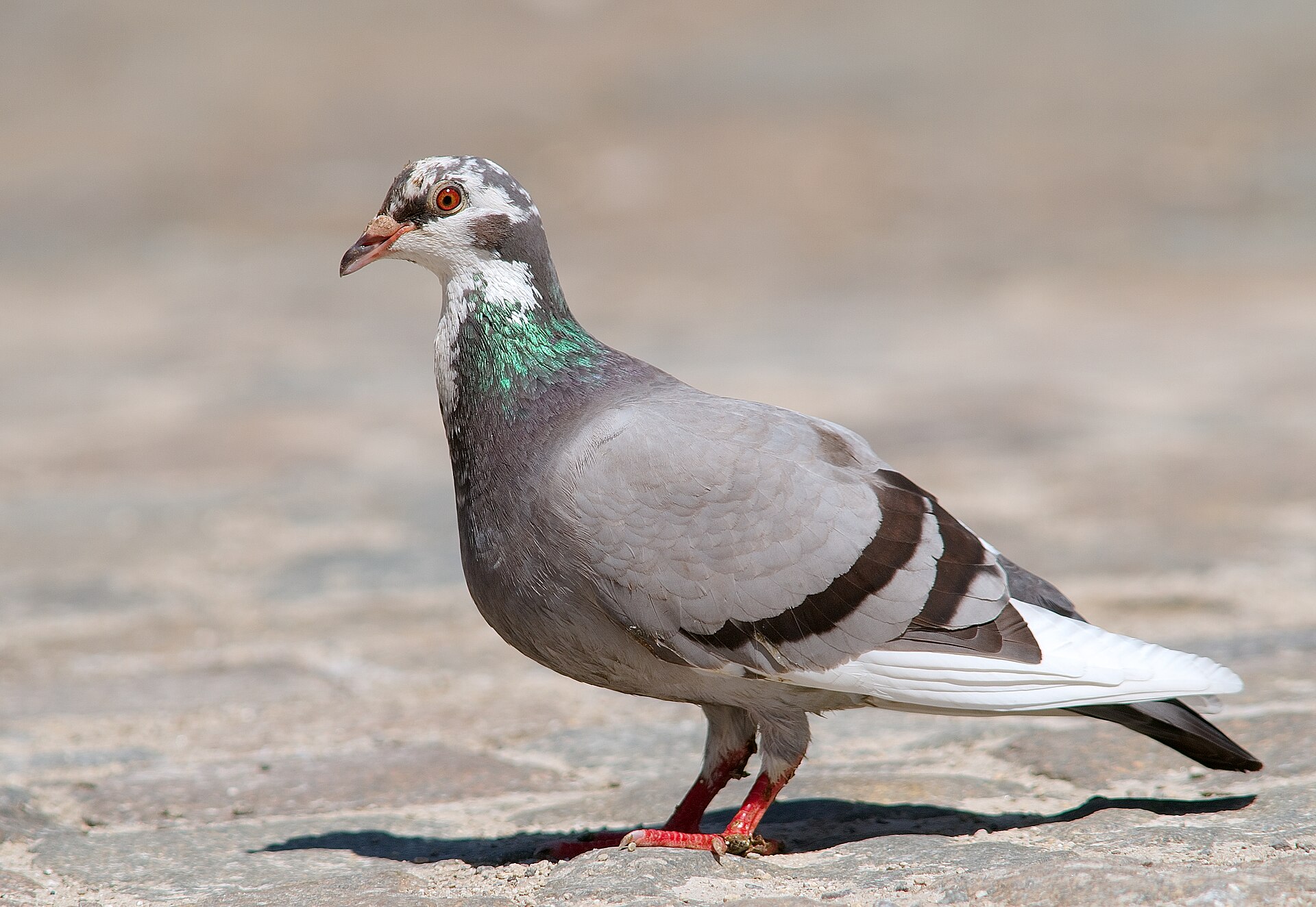
Rock Dove feathers revealed differences in industrial metal pollution in Kazakhstan
A pilot study compared metal indicators in Rock Dove feathers from three Kazakh sites. The total Metal Pollution…
Read story →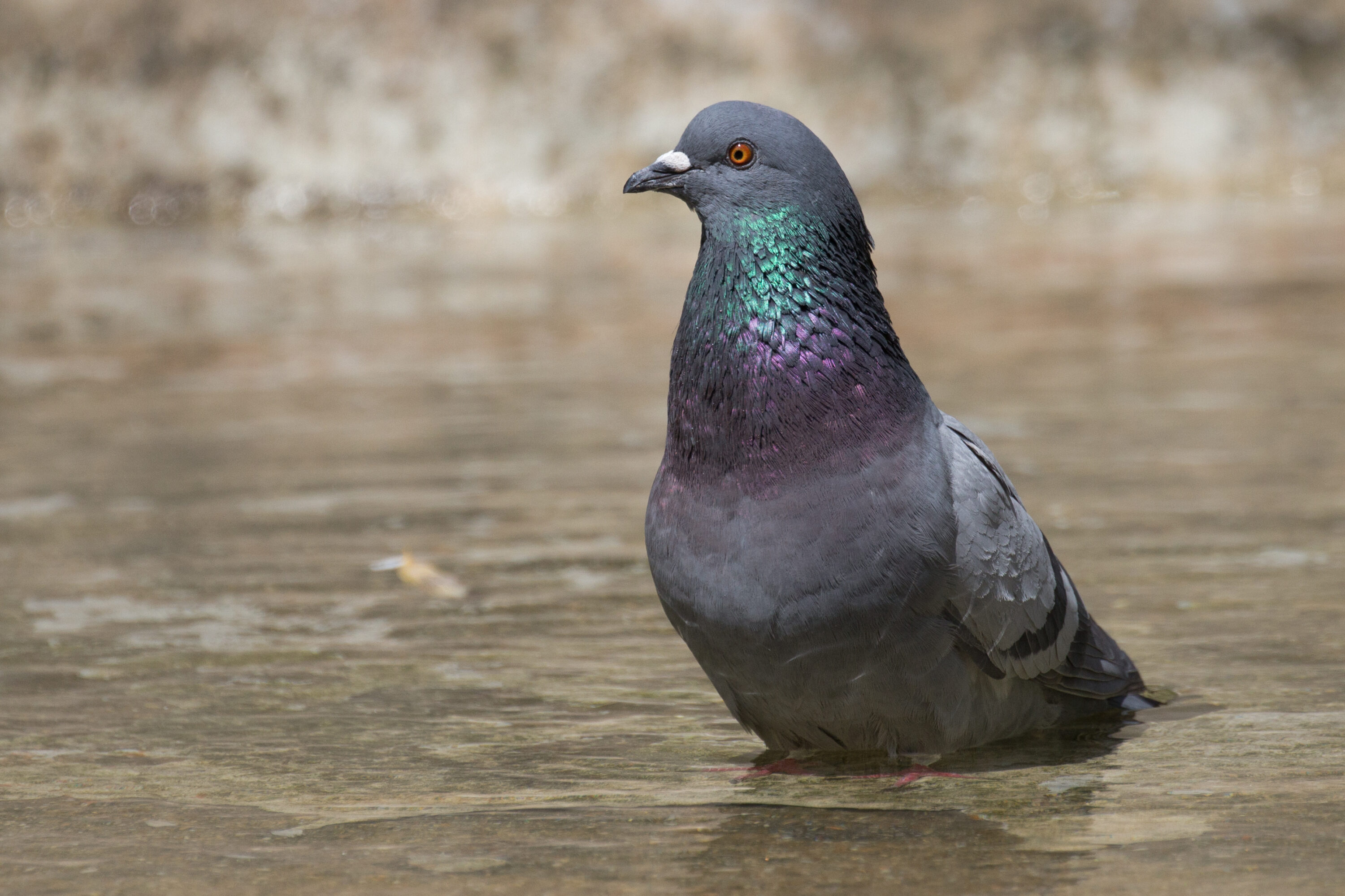
Rock Doves Preferred Predictive Information Despite a Lower Food Payoff
Seven rock doves preferred an informative option that paid on 20% of trials over a non-informative option that…
Read story →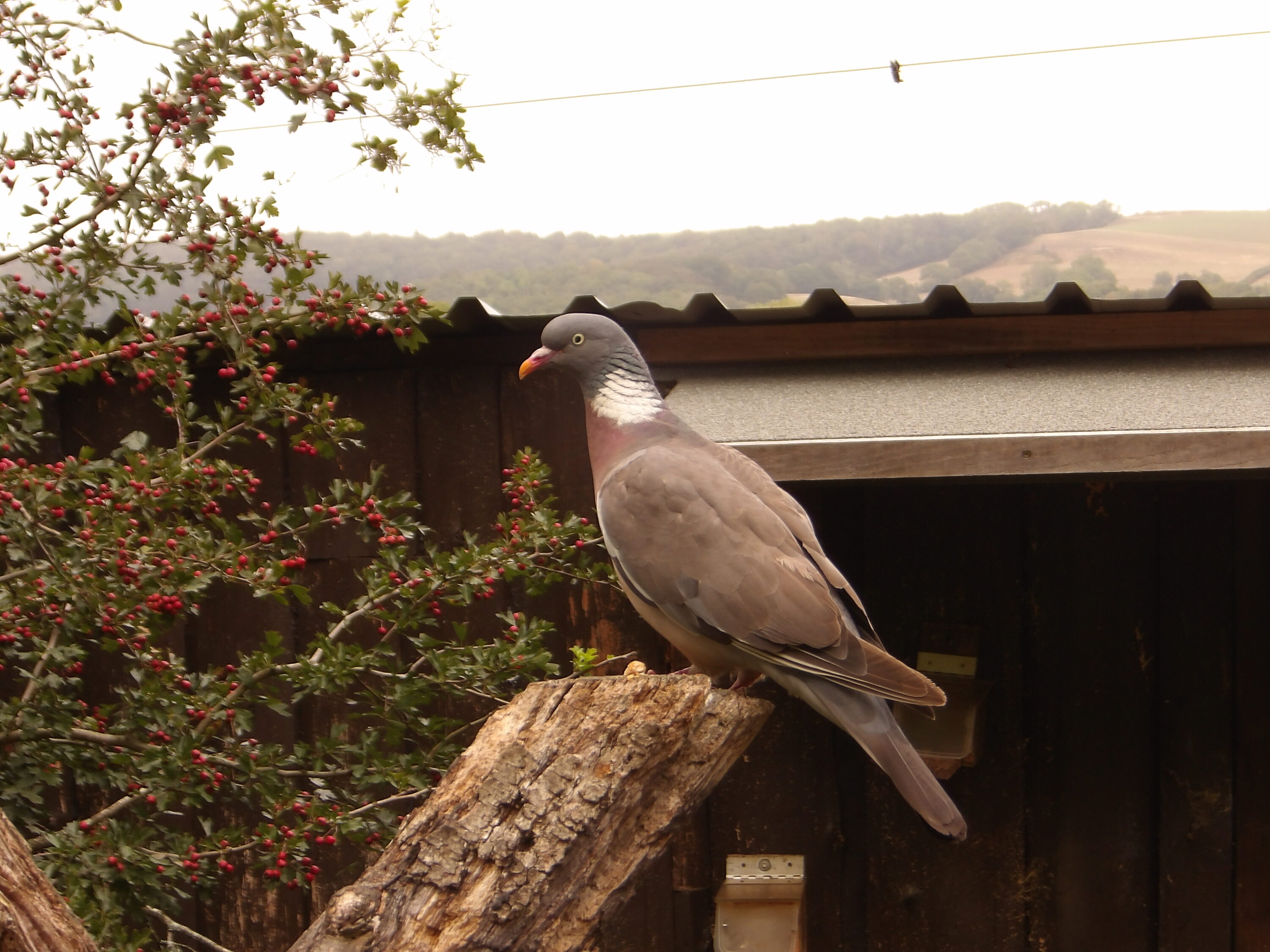
Rotavirus A Antibodies Were Common in Feral Pigeon Samples but Rare in Wood-Pigeon Samples in Germany
A German study detected rotavirus A-reactive antibodies in 79.2% of free-ranging feral pigeons and 77.0% of domestic pigeons,…
Read story →SPECIES IN THIS STORY
Species in this story
Independent research and conservation news archive
Did you find this information useful?
Wildlife Vagabond is independently built and maintained. Voluntary support helps cover source verification, hosting and continued work on research and conservation news.
Support Wildlife VagabondThe news archive will remain freely available.