
H5N1 was detected in three apparently healthy geese at California refuges
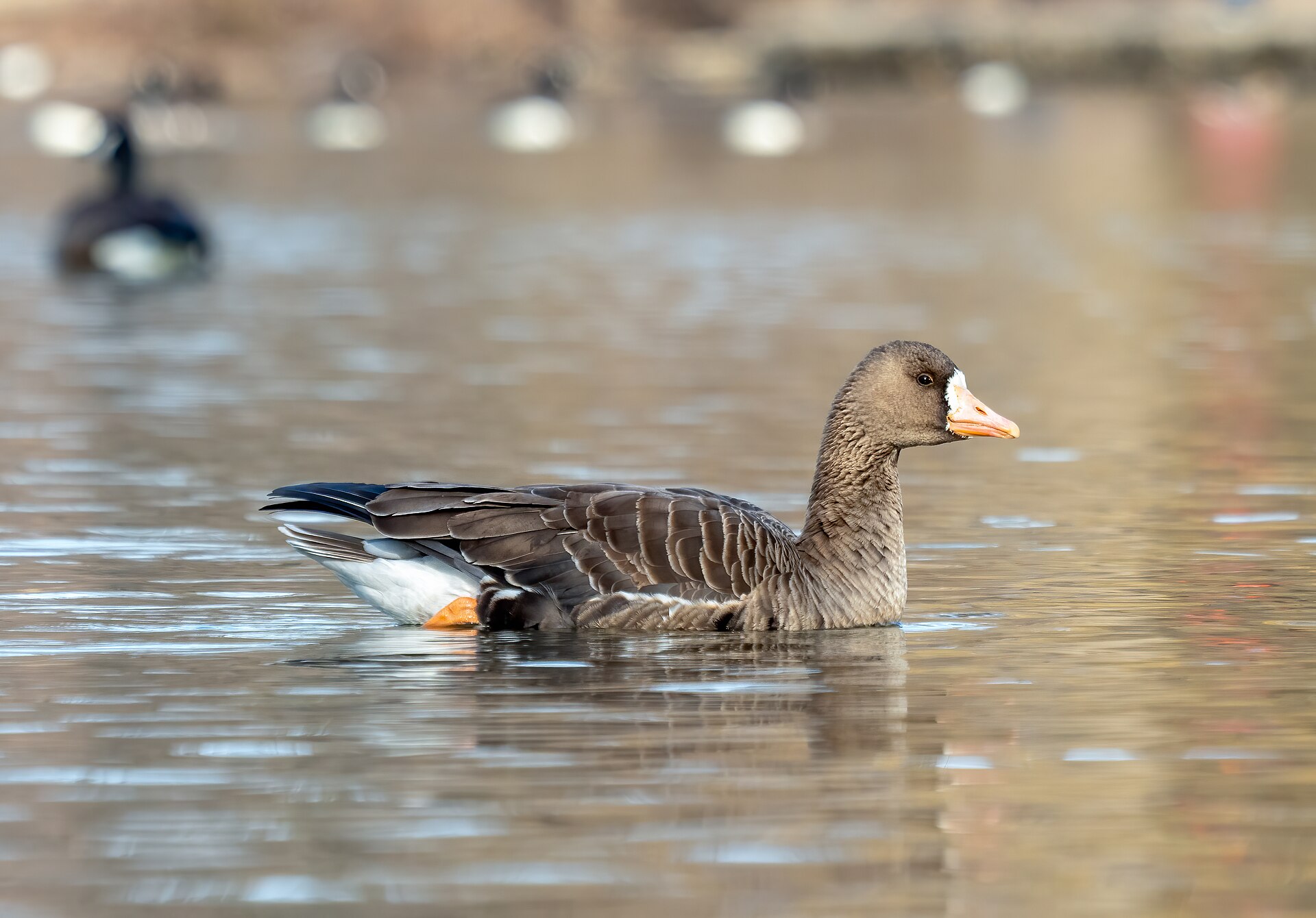
Researchers confirmed highly pathogenic H5N1 avian influenza in three geese sampled at the Sacramento National Wildlife Refuge Complex in California. Blood tests also showed widespread evidence of past influenza A exposure among the sampled waterfowl. The two kinds of test reveal different things: swabs can detect infection, while antibodies in blood record an immune response to an earlier exposure.
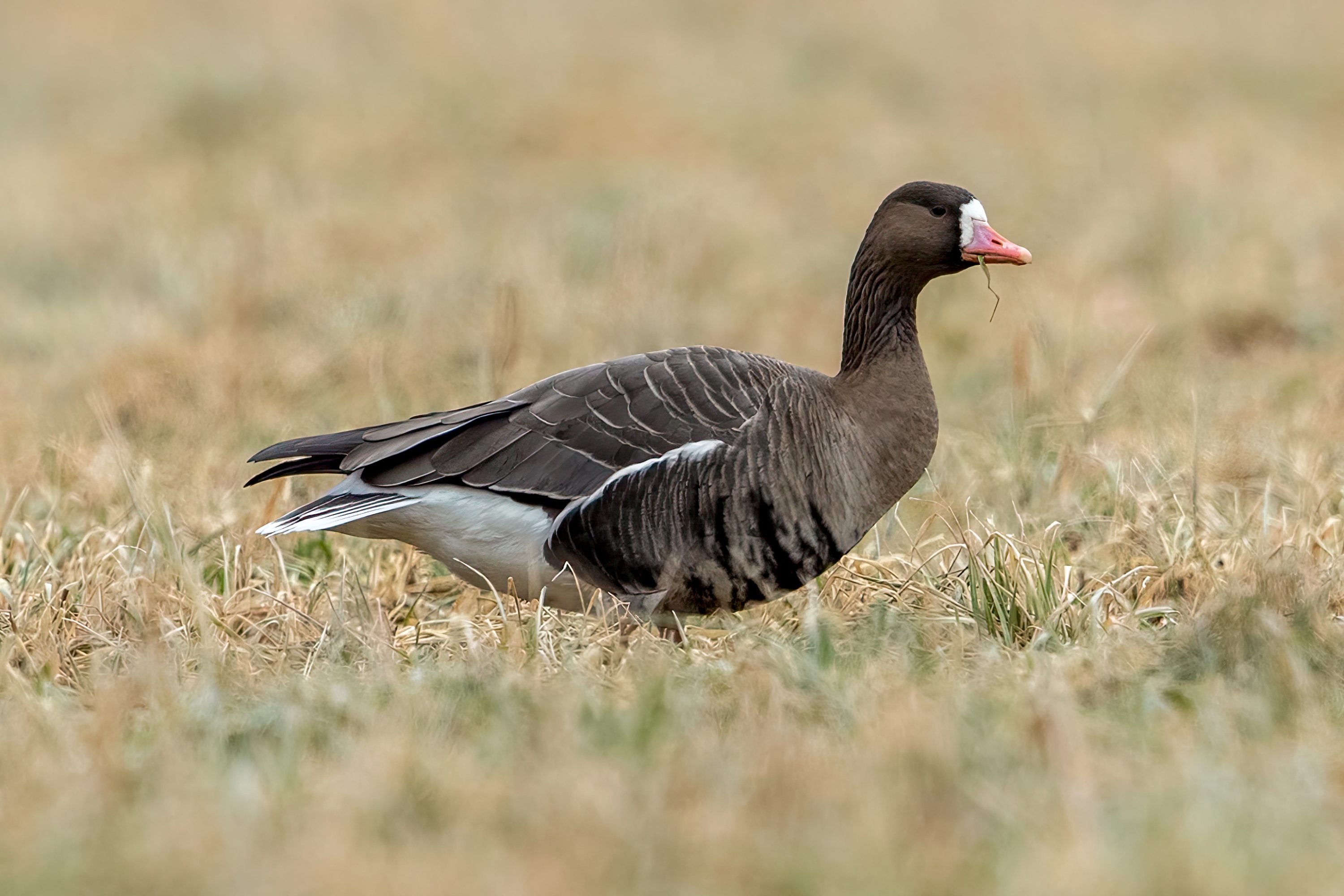
From October 2022 to July 2025, researchers collected 384 paired throat and cloacal swab samples and 204 blood serum samples at Sacramento and Delevan National Wildlife Refuges. Two Snow Geese (Anser caerulescens) and one Greater White-fronted Goose (Anser albifrons) tested positive for H5N1; all three appeared healthy when captured. Viral RNA was detected and infection confirmed in the Snow Geese, while researchers also isolated the virus from the Greater White-fronted Goose. That isolate belonged to the B3.6 genotype. The Snow Goose results had already been reported in a 2025 study; the other data in this paper are reported here for the first time.

Antibodies show past exposure, not necessarily H5N1 infection
Influenza A antibodies were detected in 107 of 164 sampled waterfowl and 12 of 40 other waterbirds. Among ducks sampled in autumn, the share with influenza A antibodies fell from 88% in 2023 to 45% in 2024. But among the ducks with these antibodies, tests also detected antibodies to both H5 and N1 in 64% in 2023 and 80% in 2024. In the smaller 2025 duck sample, 88% had antibodies to both.
These results point to substantial exposure to influenza viruses with H5 and N1, but antibody tests cannot establish that the birds had encountered highly pathogenic H5N1 specifically. The antibodies could also have followed exposure to low-pathogenicity influenza viruses carrying H5 and N1. Nor can the tests show when an infection happened.
Coots had fewer influenza A antibodies than ducks
American Coots had lower influenza A antibody prevalence than ducks in both years with comparable samples: 54% versus 88% in 2023, and 24% versus 45% in 2024. Among coots with influenza A antibodies, just 14% in 2023 and 20% in 2024 also had antibodies to both H5 and N1, compared with 64% and 80% of ducks. The researchers report this as the first known observation of H5 antibodies in American Coots.
The study cannot determine whether the lower antibody prevalence in coots reflects less exposure or lower susceptibility to infection. Sampling covered limited periods, sample sizes were small, and the researchers did not make statistical comparisons. The findings therefore offer a snapshot of infection and past exposure at these refuges, rather than a measure of how common H5N1 was across waterbird populations.
Disease, parasites & microbiology
Related news
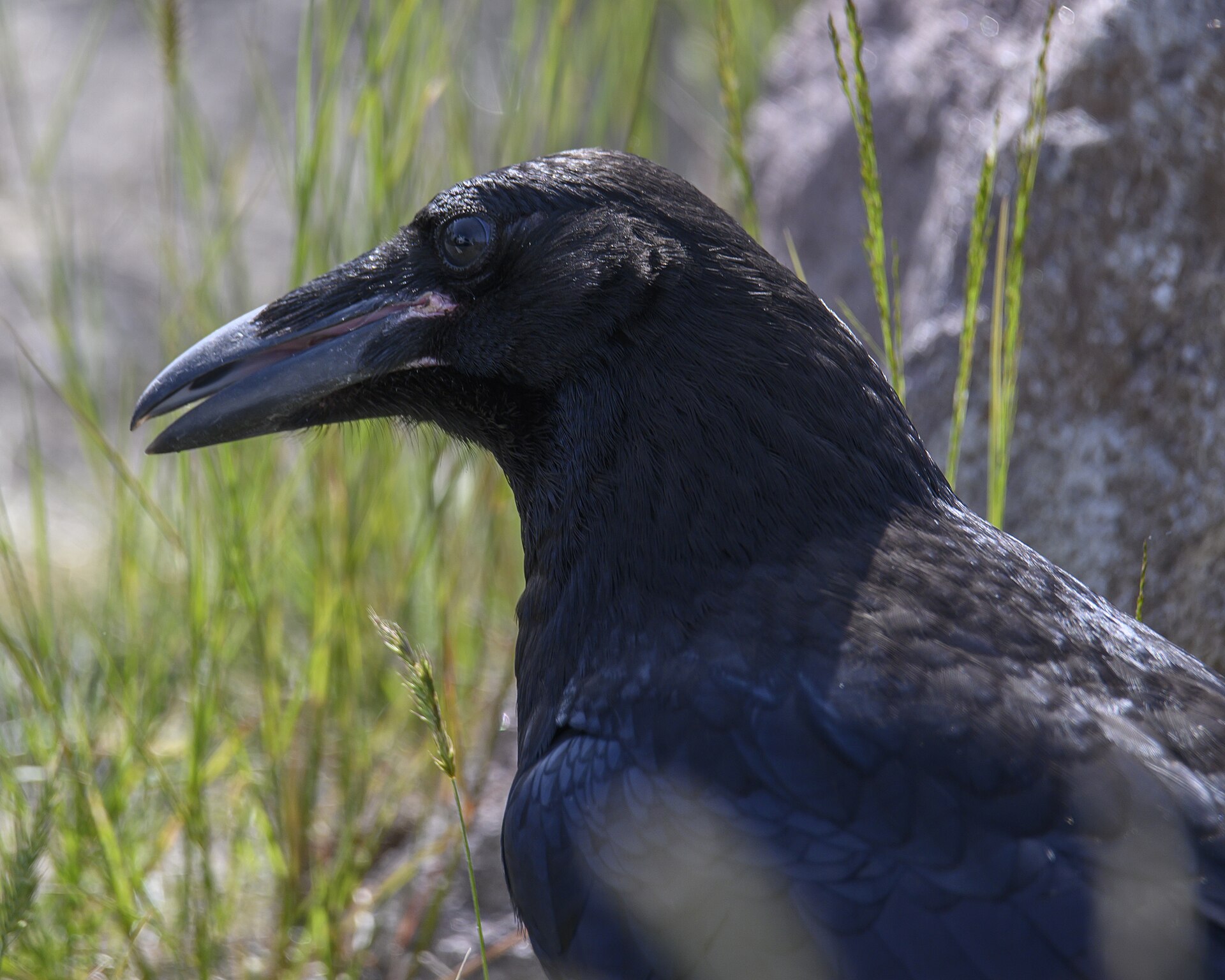
Ravens and wetlands linked to higher predicted bird-flu spillover risk in U.S. wildlife
A spatial analysis of reported U.S. cases found higher modeled spillover risk where Common Ravens and wetlands were…
Read story →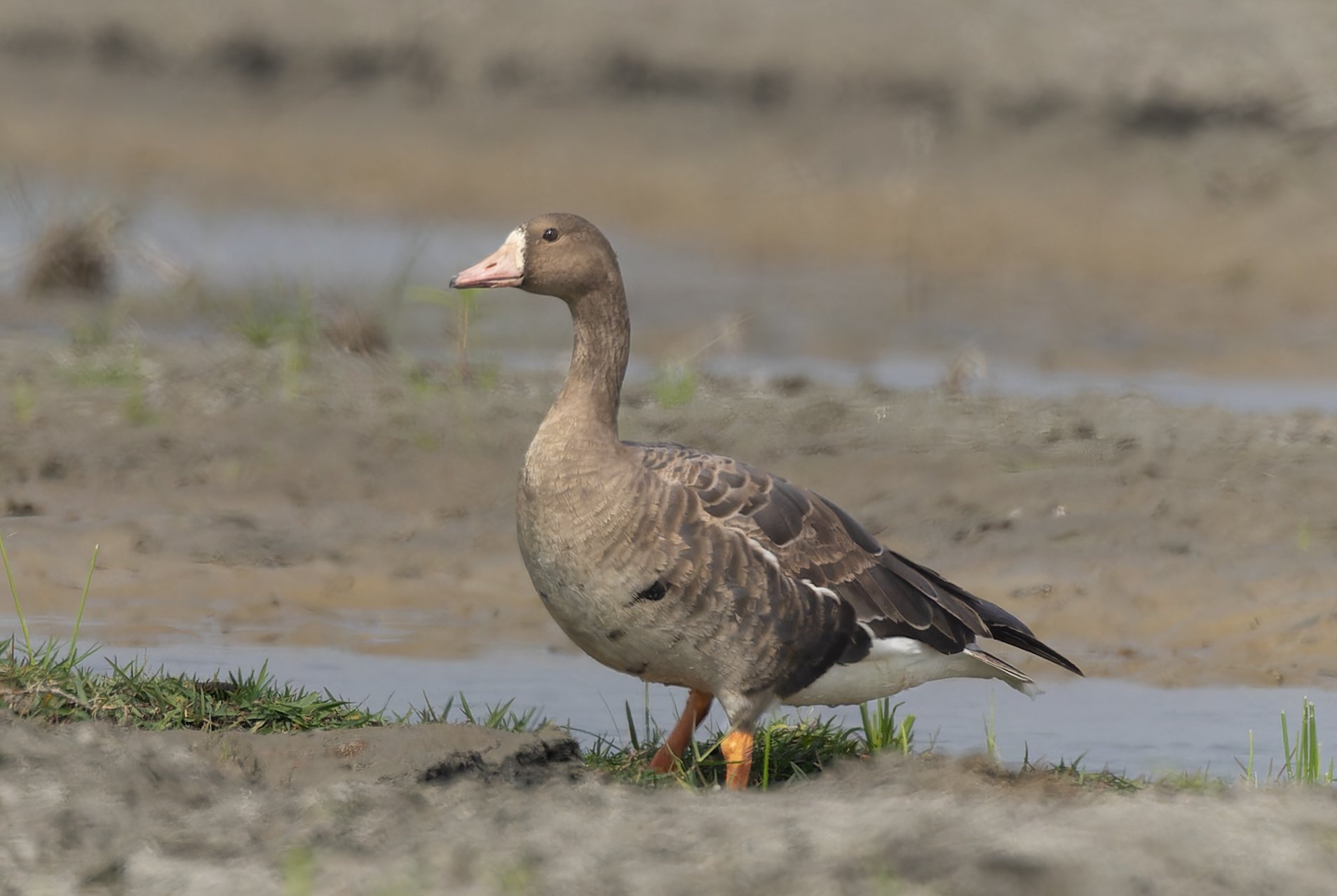
Future Environmental Change Could Reduce Greater White-fronted Goose Migration Network Integrity by 35–71%
Models of the East Asian spring migration system from the Yangtze Basin to the Russian Arctic projected more…
Read story →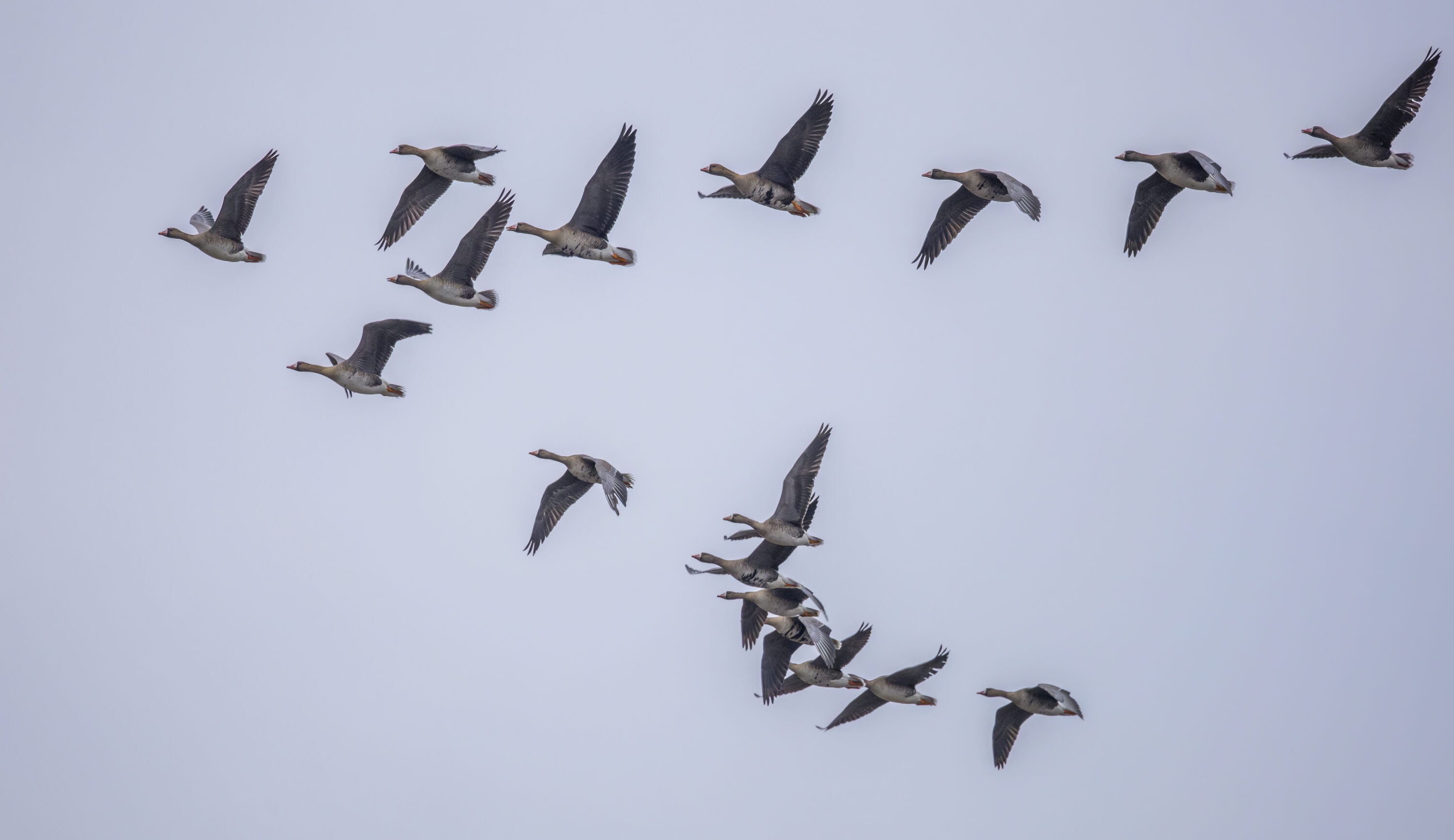
97% of Observed Goose Aggression in Northeast Poland Was Within Species
Field observations of four goose species in Poland recorded 662 aggressive episodes; 97% were within species, while seasonal…
Read story →SPECIES IN THIS STORY
Species in this story
Independent research and conservation news archive
Did you find this information useful?
Wildlife Vagabond is independently built and maintained. Voluntary support helps cover source verification, hosting and continued work on research and conservation news.
Support Wildlife VagabondThe news archive will remain freely available.