
Half of sampled Polish wild boar had antibodies to at least one of three parasites
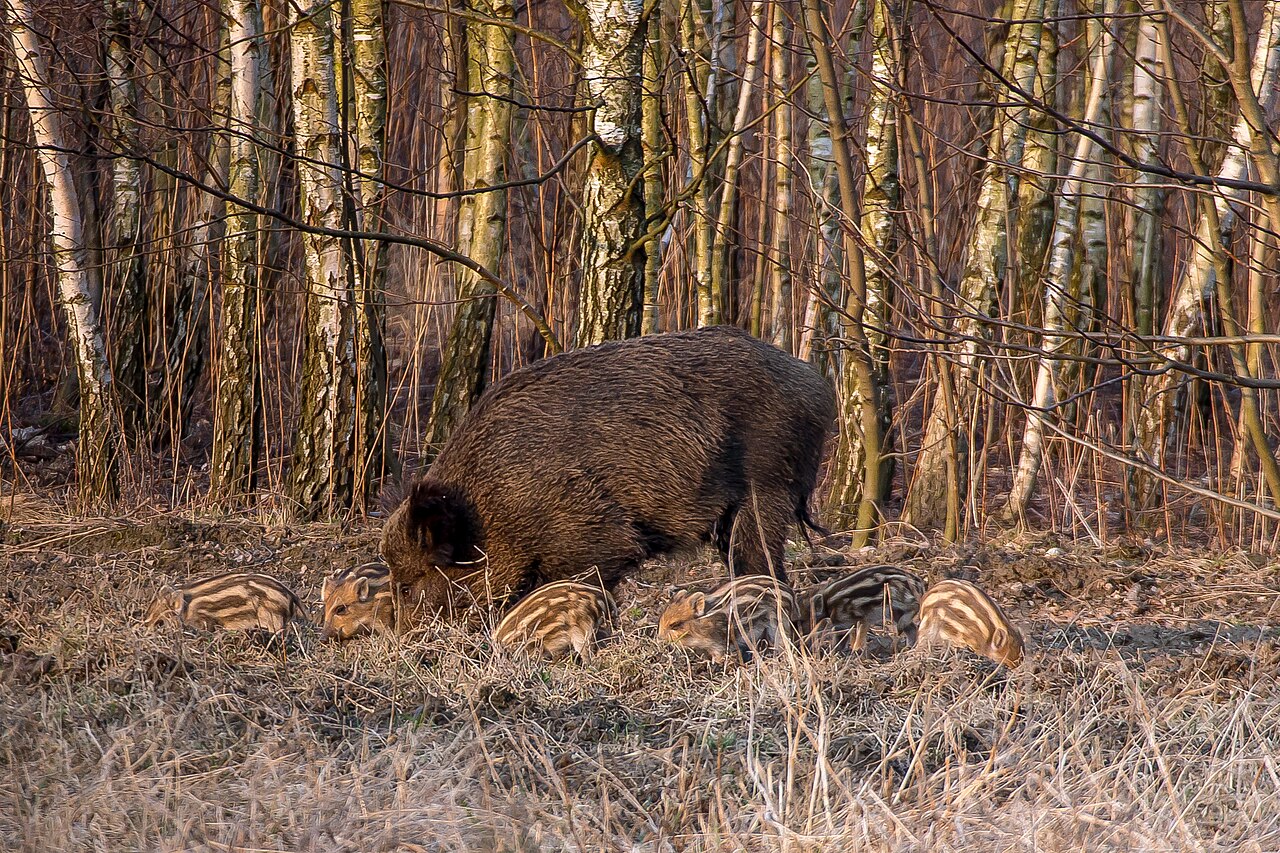
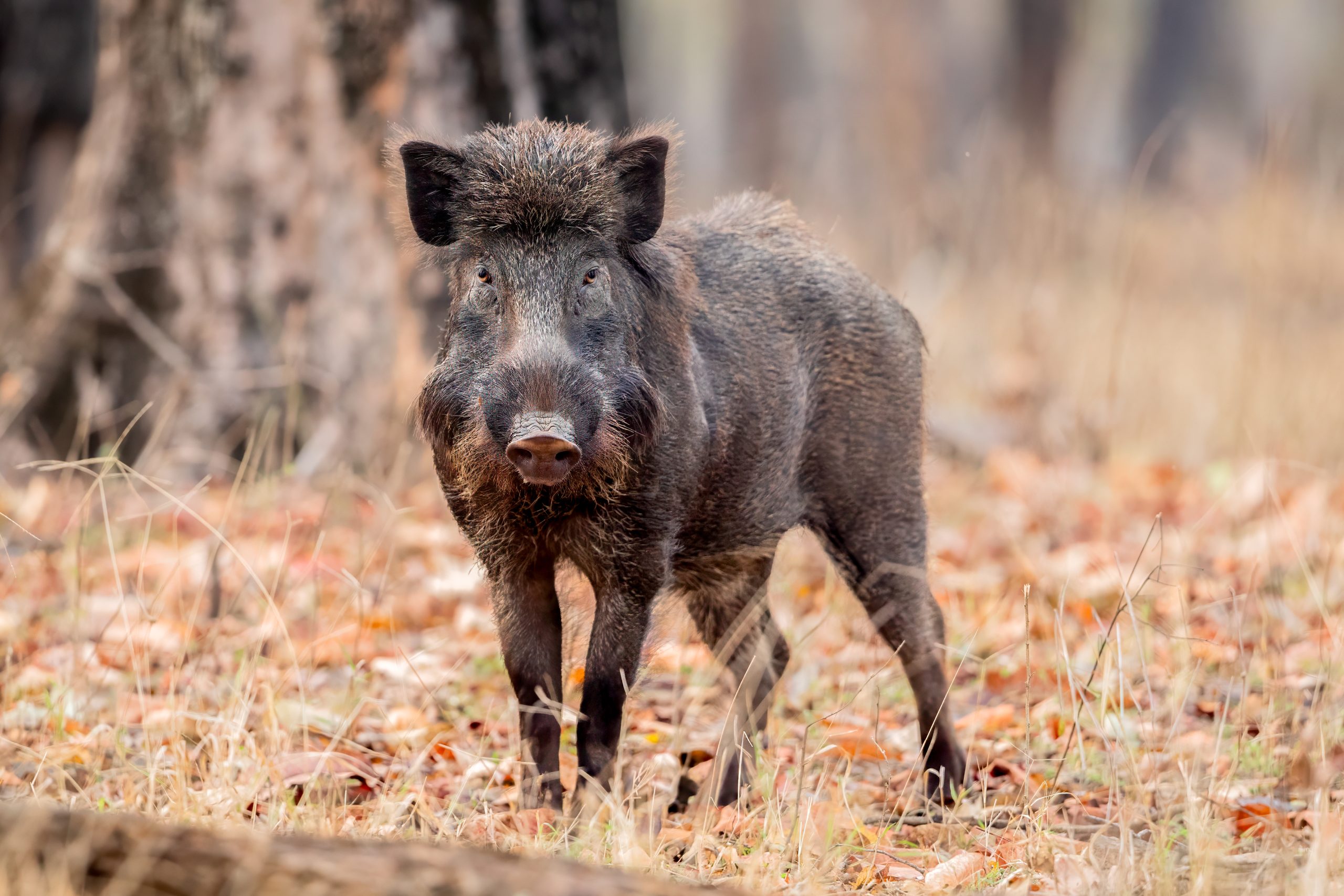
A survey of wild boar (Sus scrofa) in Poland found antibodies to at least one of three parasites in half of the animals tested. Researchers examined archived serum from 184 legally hunted wild boar collected between 2017 and 2019, testing for antibodies to Toxoplasma gondii, Neospora caninum and Sarcoptes scabiei.
The parasites have different hosts and implications. T. gondii is a single-celled parasite that can infect people; felids are its definitive hosts, which release infectious stages into the environment. Viable T. gondii has also been found in wild-boar tissues in previous studies. N. caninum is a related parasite for which canids are definitive hosts. It is an important cause of reproductive disease and abortion in cattle, but whether it can establish a viable infection in wild boar remains uncertain. S. scabiei is a burrowing mite that causes contagious mange in mammals. It spreads mainly through direct contact between hosts, making animal density relevant to investigate.
The researchers used ELISA tests to detect antibodies in serum. Antibodies are immune proteins produced in response to a target, so a positive test is consistent with exposure; it does not establish that living parasites remain in the animal or that it has current disease.
Antibody detections differed among parasites
Antibodies to T. gondii were detected in 29.3% of samples, those to S. scabiei in 19.0%, and those to N. caninum in 9.8%. Overall, 50.0% of the sampled animals had antibodies to at least one of the three. The study is the authors’ first report of ELISA-detected antibodies to N. caninum in wild boar from Poland.
Some animals had antibodies to more than one parasite. The most frequent overlap was between T. gondii and S. scabiei: 10 animals, or 5.4% of the sample. This was close to the number expected if detections were independent, and the researchers found no significant association between antibodies to the two. No animal had antibodies to all three parasites.
Density was associated with Sarcoptes antibodies
The odds of detecting antibodies to S. scabiei were higher in hunting districts with greater estimated wild-boar density. In the main analysis, each additional boar per 1,000 hectares corresponded to about 10% higher odds of antibody detection—a relative change in odds, not a 10-percentage-point increase in the share of positive animals. The association remained in an extended analysis that also included sex.
This pattern is consistent with the mite’s mainly contact-based transmission, but the survey did not measure transmission events and cannot show that higher density caused more infections. Antibody detections also varied across Poland’s regional State Forest directorates: there were more S. scabiei-positive animals than expected in Gdańsk, Piła, Toruń and Olsztyn, and more N. caninum-positive animals than expected in Szczecinek. T. gondii detections did not differ significantly among regions. The researchers found no significant association between sex and antibody detection for any of the parasites, or between wild-boar density and antibodies to T. gondii or N. caninum.
Subadult animals had lower odds of T. gondii antibody detection than adults in the main analysis. That age association was not significant in the extended analysis, which included sex and a smaller set of animals, so it is less consistent than the density association for S. scabiei. Because the archived samples were selected based on availability rather than as a probability sample of Poland’s wild boar, the percentages describe the tested animals, not the entire national population. The findings provide baseline data for monitoring parasite exposure, with the clearest population-level association in this study involving S. scabiei.
Disease, parasites & microbiology
Related news
Could wild boar help maintain a tick-borne bacterium in Sweden?
Researchers tested spleen samples from 87 wild boar in southern and central Sweden for Neoehrlichia mikurensis. None contained…
Read story →
Roe deer crossed through existing railway structures, but wild boar rarely did
Cameras at 40 existing railway structures in northwestern France recorded roe deer crossing at nine and wild boar…
Read story →
Wild Boar in Northern Europe Reflect Natural Spread and Human Translocations
A genomic comparison of wild boar from Finland, Sweden and Norway supports different histories across the region: Finnish…
Read story →SPECIES IN THIS STORY
Species in this story
Independent research and conservation news archive
Did you find this information useful?
Wildlife Vagabond is independently built and maintained. Voluntary support helps cover source verification, hosting and continued work on research and conservation news.
Support Wildlife VagabondThe news archive will remain freely available.