
Wild Boar in Northern Europe Reflect Natural Spread and Human Translocations
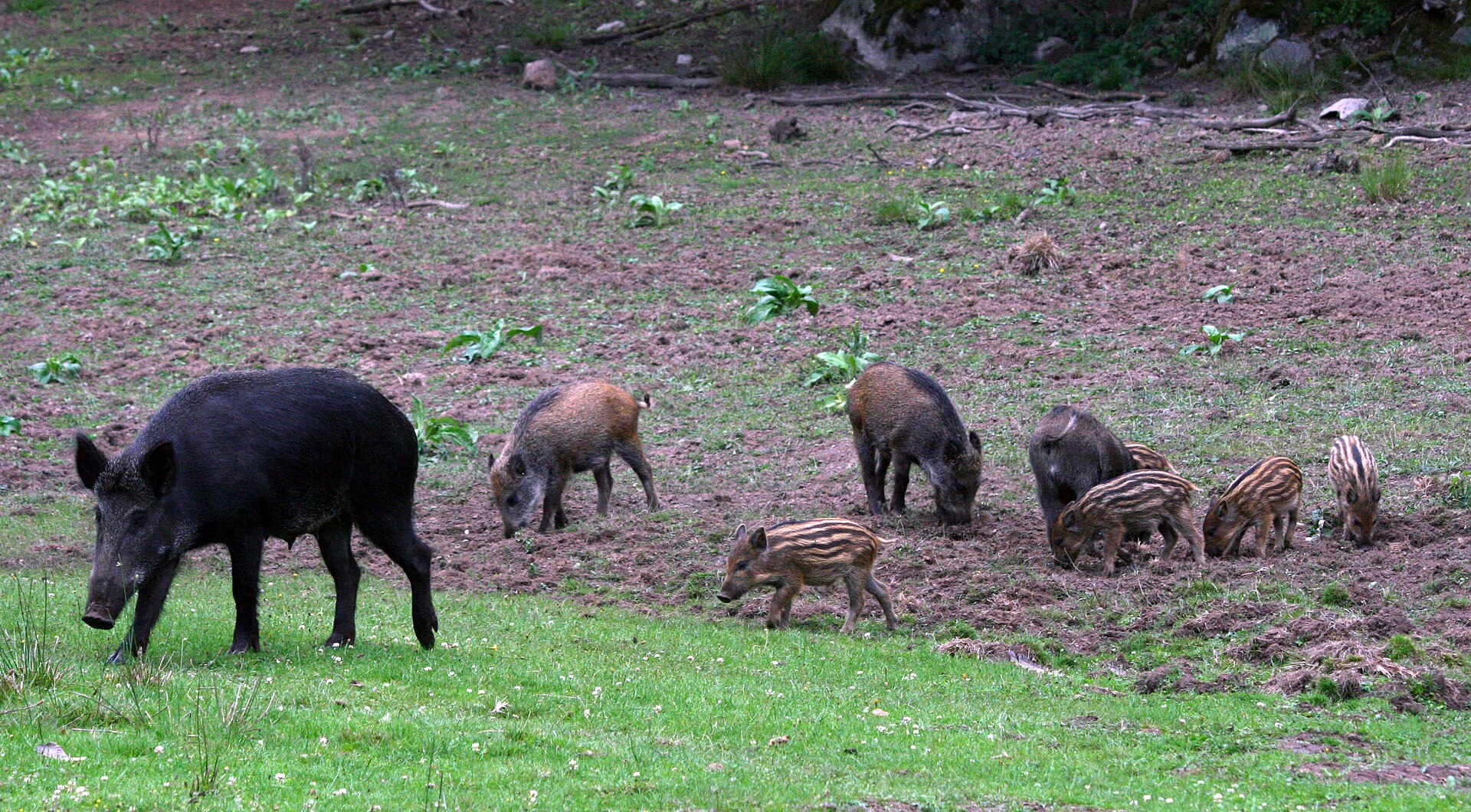
Wild boar (Sus scrofa) in northern Europe have more than one recent history. By comparing their genomes with those of wild boar from other parts of Europe, Asia and North Africa—and with domestic pigs—researchers tested historical accounts of how the animals reached Finland, Sweden and Norway. The results point to both natural range expansion and human-mediated movements.
The study included 101 wild boar from northern Europe, alongside 755 wild-boar samples from continental Europe, Asia and North Africa and 273 domestic-pig samples. Finnish wild boar clustered with populations from the Baltic region. Swedish and Norwegian animals formed a distinct cluster, most closely related to wild boar from western Europe.
Genetic patterns support several release sites in Sweden
The researchers tested the account that wild boar reached Finland from the Baltic states via Russia, while Swedish and Norwegian populations came from animals that escaped from Swedish game parks and enclosures in the 1970s, with ancestry from Germany or Central Europe. Finnish animals clustered with Baltic populations, as that account predicted. The Swedish and Norwegian animals’ closer relationship to western European wild boar was also consistent with the proposed ancestry of animals brought into Sweden.
Within Sweden, the samples formed southern, northwestern and eastern genetic clusters. These regional patterns corroborate historical records of multiple release sites in the country. Norwegian wild boar were linked to both the eastern and northwestern Swedish clusters, indicating that Norway’s population has ancestry from more than one of these Swedish groups.
Together, the comparisons reveal how natural colonization and people moving animals have both shaped wild-boar populations in the region. The authors discuss how this history informs the different management statuses assigned to wild boar in Fennoscandia, where the species is considered native in some contexts and invasive in others.
Low diversity and domestic-pig ancestry
The Swedish and Norwegian populations had relatively low genomic diversity and genomic signatures of recent inbreeding. The researchers also found minor domestic-pig introgression in wild boar from Finland, Sweden and Norway. Introgression is the transfer of genetic material between populations through interbreeding; here, the genomic evidence indicates that some domestic-pig ancestry is present in wild boar in all three countries.
Genetics & genomics
Related news
Could wild boar help maintain a tick-borne bacterium in Sweden?
Researchers tested spleen samples from 87 wild boar in southern and central Sweden for Neoehrlichia mikurensis. None contained…
Read story →
Roe deer crossed through existing railway structures, but wild boar rarely did
Cameras at 40 existing railway structures in northwestern France recorded roe deer crossing at nine and wild boar…
Read story →
Half of sampled Polish wild boar had antibodies to at least one of three parasites
A survey of 184 wild boar serum samples found antibodies to Toxoplasma gondii in 29.3% of animals, Sarcoptes…
Read story →SPECIES IN THIS STORY
Species in this story
Independent research and conservation news archive
Did you find this information useful?
Wildlife Vagabond is independently built and maintained. Voluntary support helps cover source verification, hosting and continued work on research and conservation news.
Support Wildlife VagabondThe news archive will remain freely available.