
Roe deer crossed through existing railway structures, but wild boar rarely did
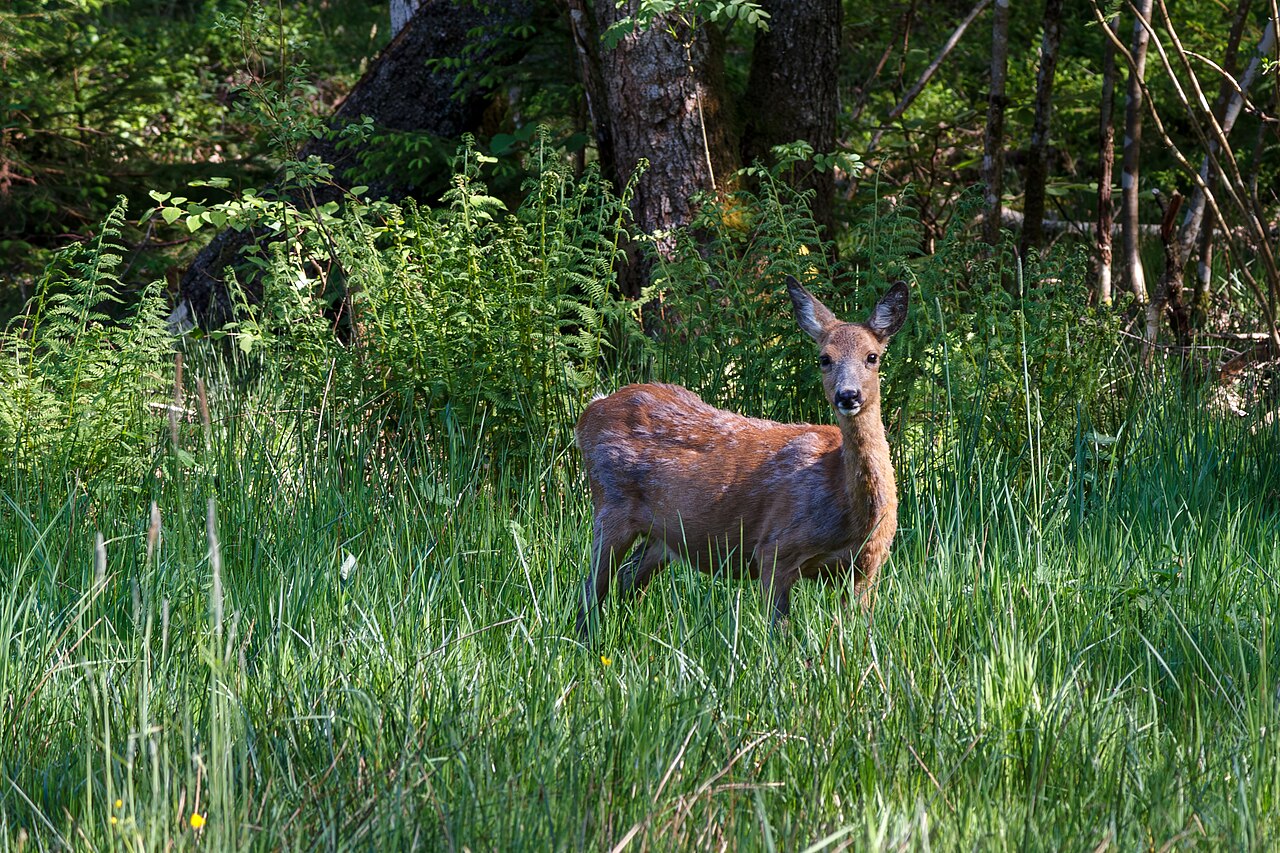
Existing railway underpasses and overpasses offered some roe deer (Capreolus capreolus) and wild boar (Sus scrofa) a way across the tracks in northwestern France, but the two species used them differently. The monitored 242-kilometre railway section was a collision hotspot: between 2015 and 2024, an average of 1.5 ungulate collisions per kilometre was reported there, compared with a French national average of 0.5 per kilometre.
Researchers monitored 40 structures with paired camera traps, one on either side of the tracks, during three two-month sessions over a year. The structures included overpasses carrying local roads or paths, wider underpasses and narrow underpasses. By comparing footage from both sides, researchers could distinguish animals merely near an entrance from approaches, retreats, feeding and successful crossings. Their analysis tested how structural, human-activity and landscape features related to detection counts near structures—not which features predicted successful crossings.
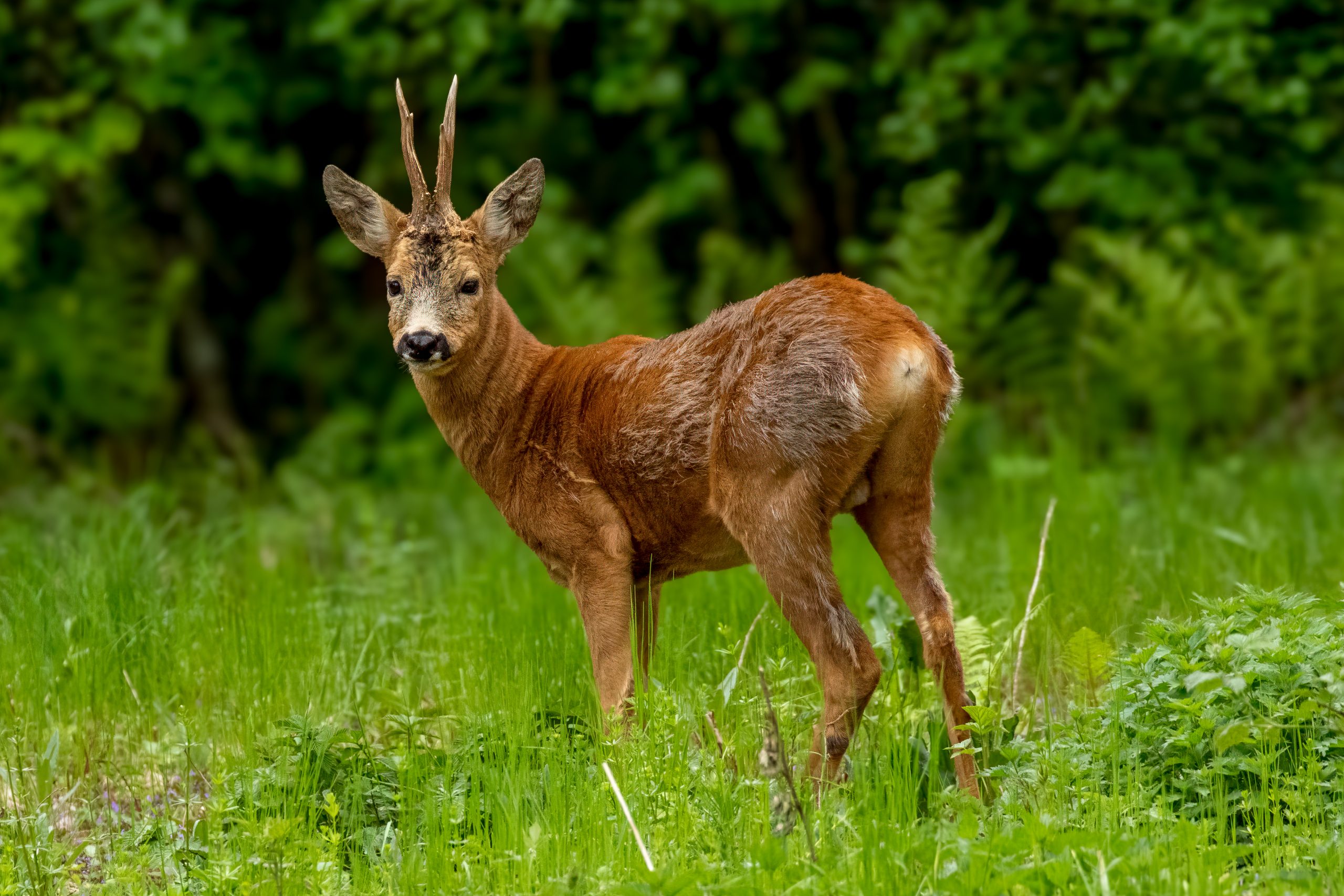
Roe deer crossed at nine structures
Roe deer were detected at 31 of the 40 structures and approached 17. Researchers recorded successful crossings at nine structures, involving 114 roe deer. Use was highly uneven: one structure accounted for 76 crossing events.
Roe deer detections were more frequent at structures with fewer vehicle detections per day and less forest within 200 metres. The researchers found no comparable association with pedestrian presence. Roe deer were detected throughout the year, with peaks in November and June. Together, these patterns suggest that some existing structures can serve as routes across the railway, particularly where vehicle activity is low and the surrounding landscape is relatively open.
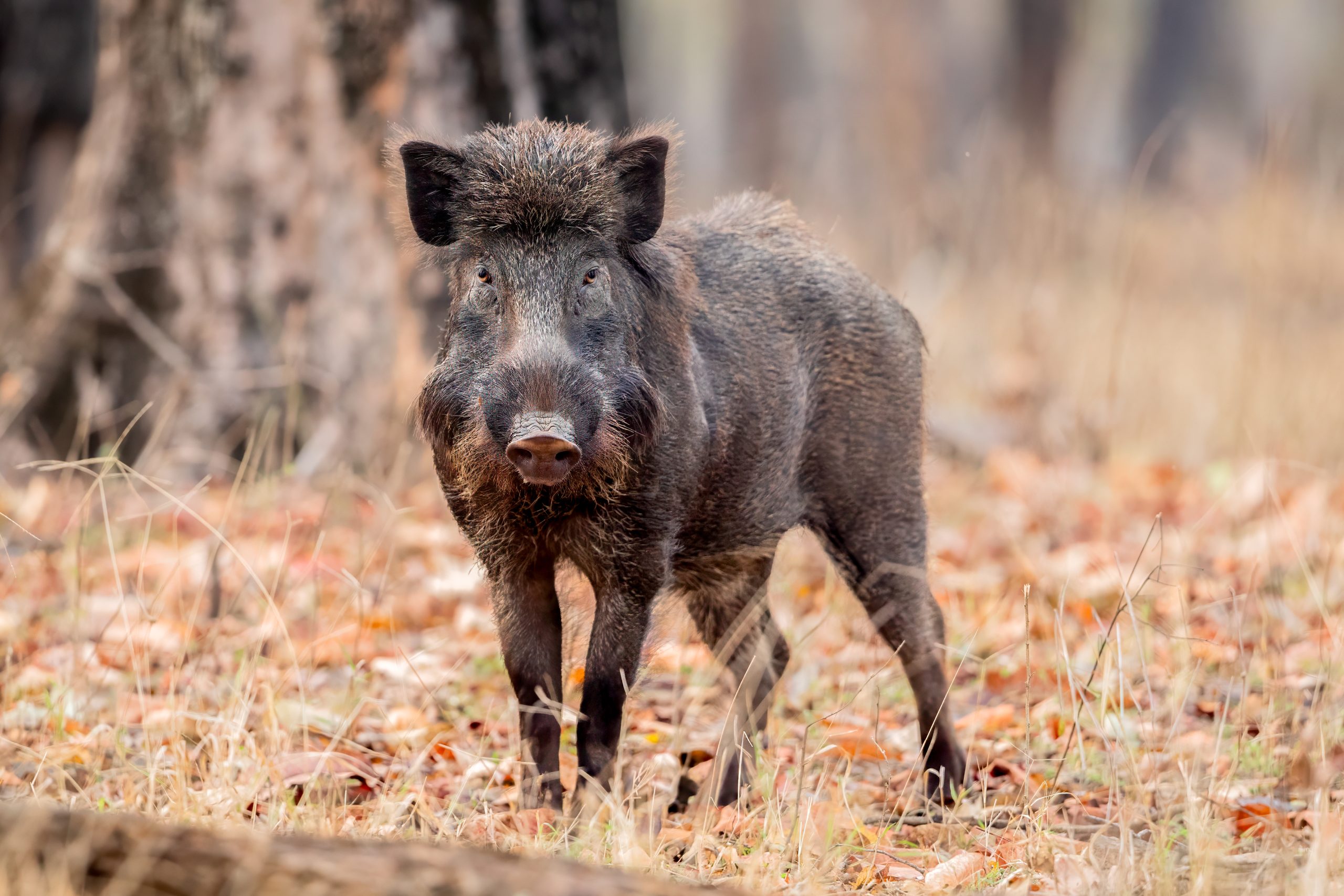
Wild boar were usually nearby, not crossing
Wild boar were detected at 23 structures, but researchers recorded only 10 approaches and four successful crossings, at two structures. Detections were more frequent around narrower structures and in areas with more open habitat within 200 metres. The animals were often feeding: this was recorded in 60% of cases. Activity was mainly nocturnal, with 87% of detections at night; all four recorded crossings took place between 9 p.m. and 5 a.m. Detections also peaked in November and again from March to May.
The contrast matters for planning: a structure that attracts animals nearby does not necessarily guide them across the tracks. The authors suggest wild boar may forage around entrances but cross the railway directly elsewhere or follow regular routes that bypass the structures. They propose that managing vegetation to encourage food plants near entrances might increase use. If fencing is installed, some structures could be prioritized to guide animals towards them. These are possible management measures, not demonstrated ways to reduce train collisions.
Ecology
Related news
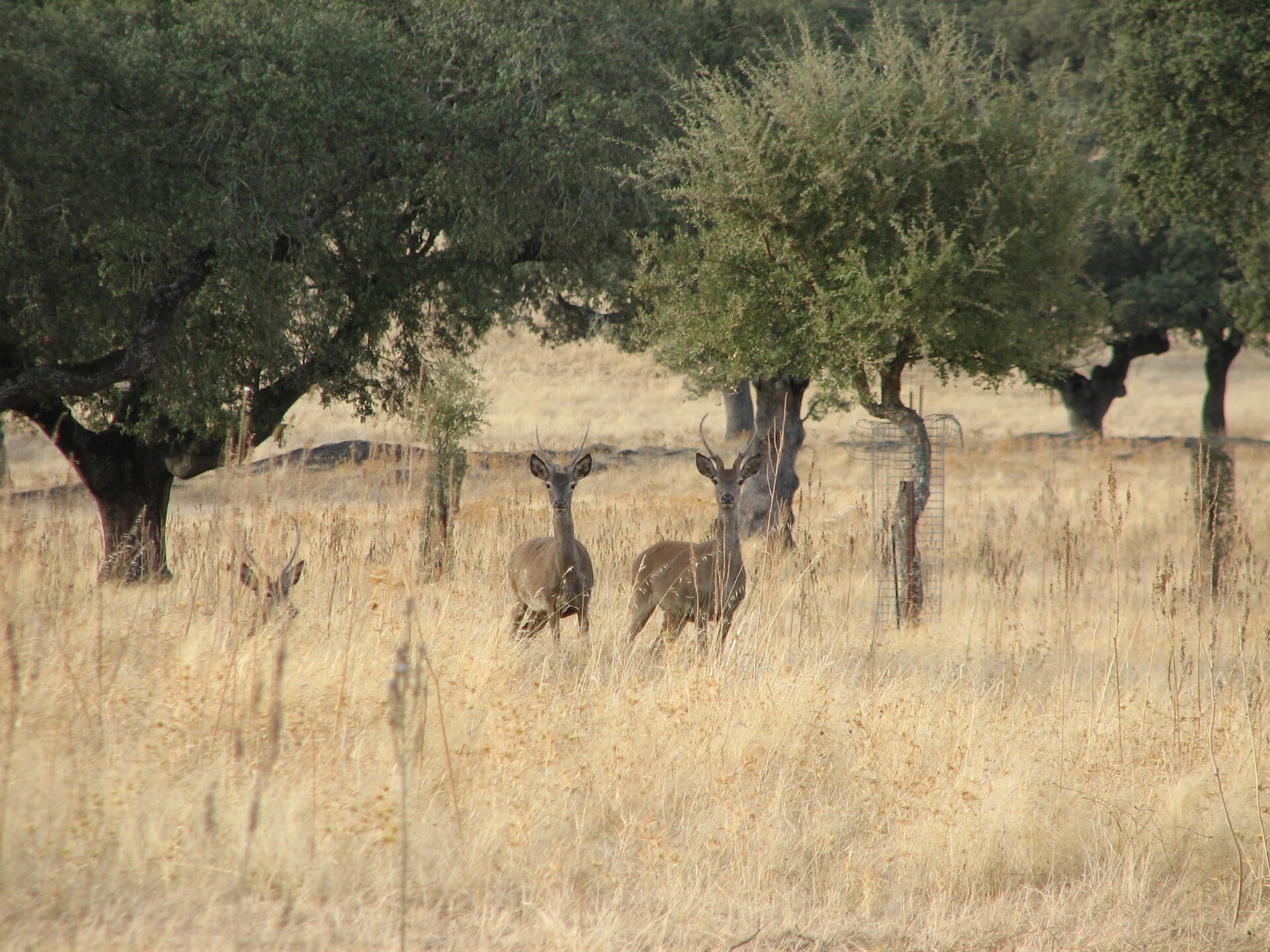
Roe deer and foxes were less often recorded in Freiburg’s more built-up areas
Camera traps at 19 sites in Freiburg, Germany, recorded badgers, roe deer and foxes less often where more…
Read story →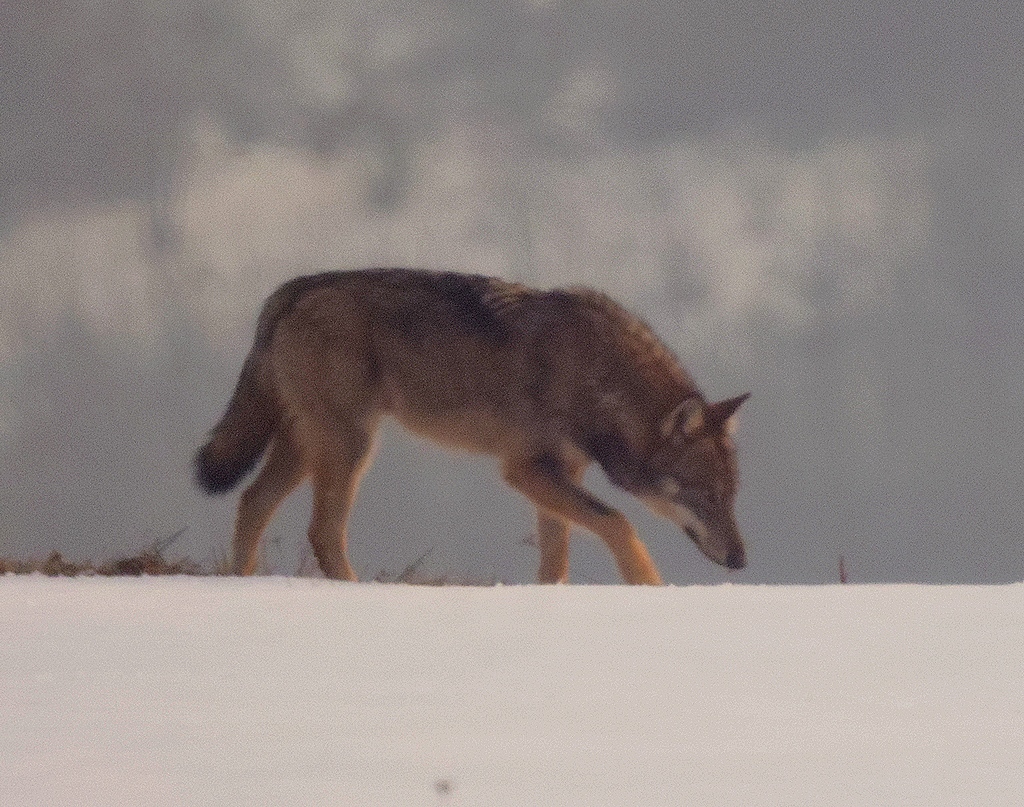
Roe Deer and Wild Boar Remained Key Wolf Prey as Diet Shifted Across North-western Italy
From 2021 to 2025, wolves in north-western Italy continued to feed mainly on wild prey. In the Po…
Read story →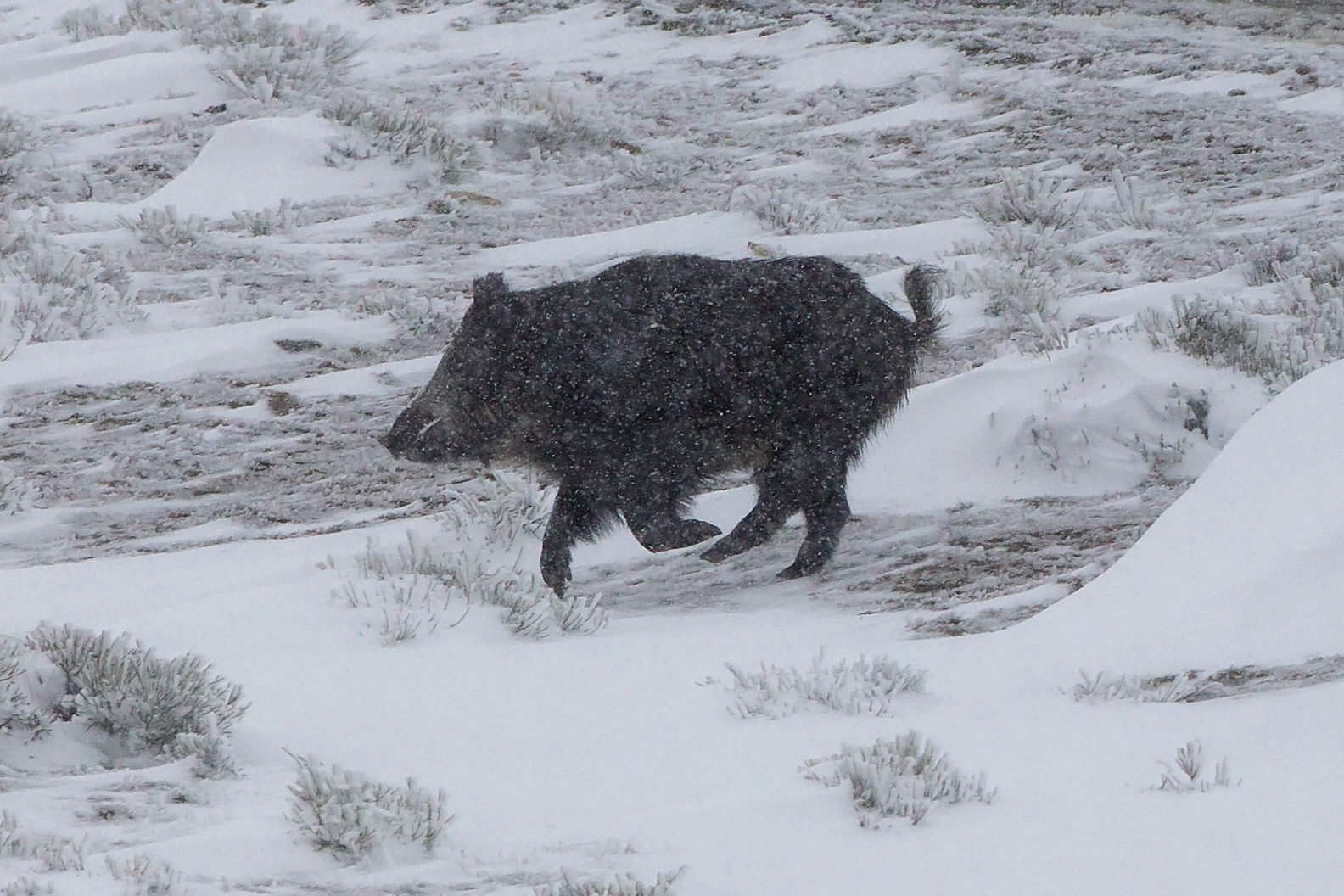
Could wild boar help maintain a tick-borne bacterium in Sweden?
Researchers tested spleen samples from 87 wild boar in southern and central Sweden for Neoehrlichia mikurensis. None contained…
Read story →SPECIES IN THIS STORY
Species in this story
Independent research and conservation news archive
Did you find this information useful?
Wildlife Vagabond is independently built and maintained. Voluntary support helps cover source verification, hosting and continued work on research and conservation news.
Support Wildlife VagabondThe news archive will remain freely available.