
Fresh Black Woodpecker Evidence Found at Mount Moriyoshi, but No Detections in Iwate or Shirakami
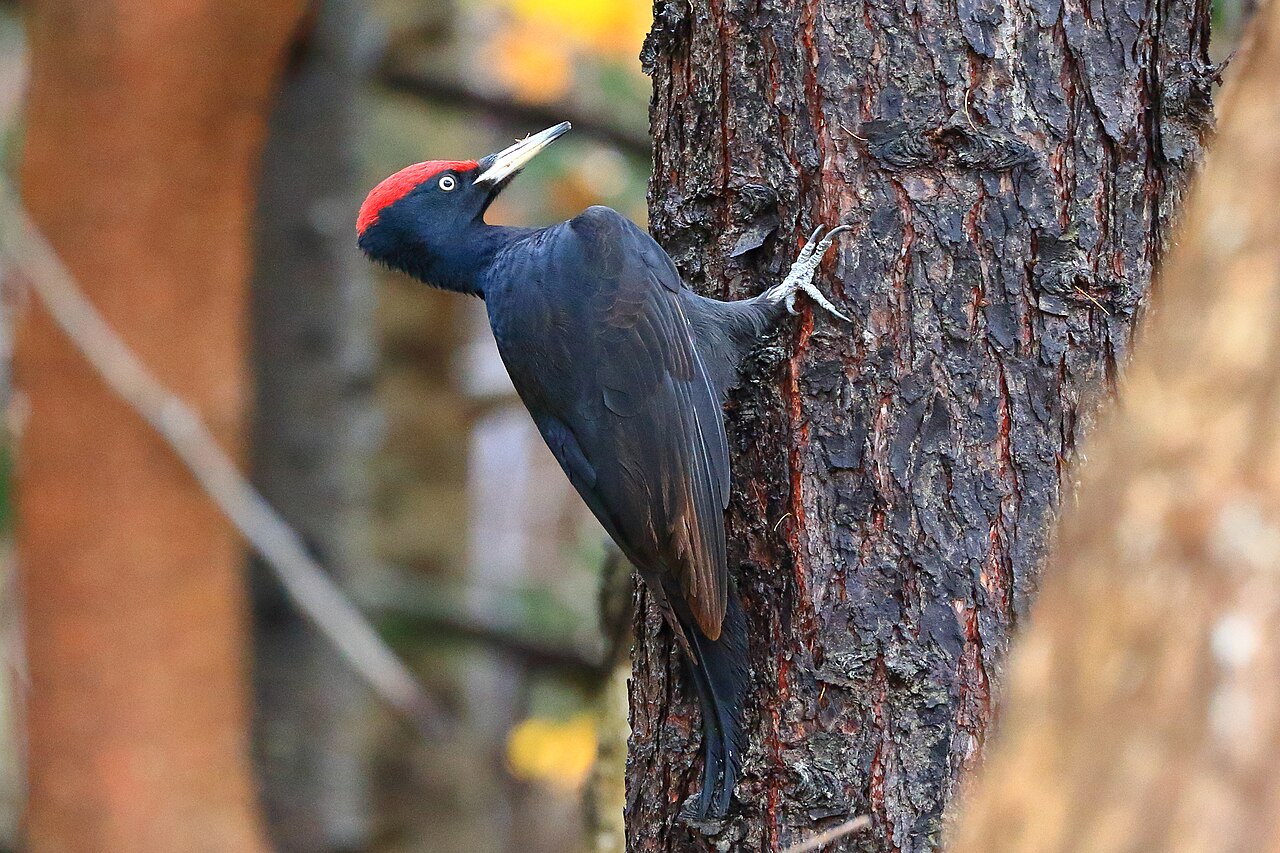
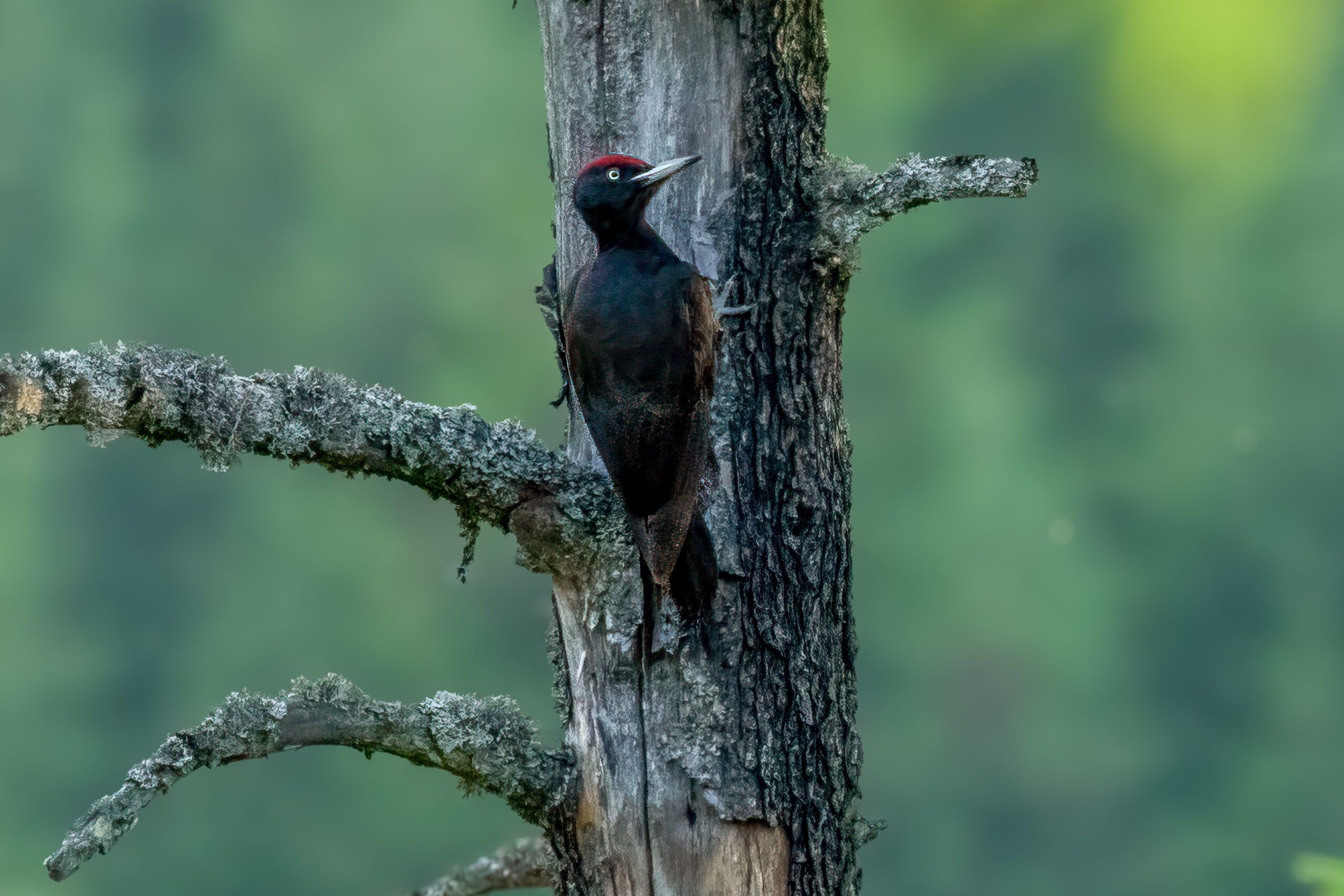
A targeted survey for the endangered Honshu population of black woodpecker (Dryocopus martius) found fresh evidence at one site in Akita Prefecture, but no detections at two other areas considered likely habitat. The report was published on 31 August 2026 by the NPO Honshu Black Woodpecker Study Group.
The group searched mature Japanese beech (Fagus crenata) forests at Mount Moriyoshi in Akita, the Isawa and Idegawa national forests in Iwate, and the Shirakami Mountains. The work combined direct searches for nests and feeding traces, automated sound recording with BirdNET used to flag possible black woodpecker calls for review, playback surveys in which calls were broadcast and researchers listened for a response, and checks of possible roost trees.
A male was reported at Mount Moriyoshi
At Mount Moriyoshi, local surveyors noticed that a nesting cavity had been modified in mid-May, although later watches did not record a bird entering or leaving it. Recorders placed at three candidate locations collected 29 hours of audio, but no black woodpecker vocalisations were confirmed.
On 17 August, however, a local patrol worker reported seeing one male. A member of the study group then inspected the feeding tree and identified the characteristic chisel marks as those of a black woodpecker. Autumn watches at four possible roost trees did not record any use.
No new evidence emerged in Iwate or Shirakami
In the Isawa and Idegawa forests, five rounds of recorder maintenance produced 140 hours of audio. The analysis found no confirmed black woodpecker calls, and targeted searches of three gentle slopes with suitable-looking forest found neither cavities nor feeding traces. Playback surveys also produced no response.
Local field searches in the Shirakami Mountains likewise found no new signs. The study group notes that its members themselves have not visually confirmed a Honshu black woodpecker since 2017, illustrating how difficult the remaining population has become to locate.
The Honshu population depends strongly on natural beech forest and persists near the southern and eastern edge of the species’ global range. The authors argue that its distribution needs to be established before new development reaches potential habitat, particularly as renewable-energy projects increasingly become possible in snowy and high-elevation areas. The sparse results of the survey show how limited the current evidence is and identify Mount Moriyoshi as an area where further monitoring remains especially important.
Population & status
Related news
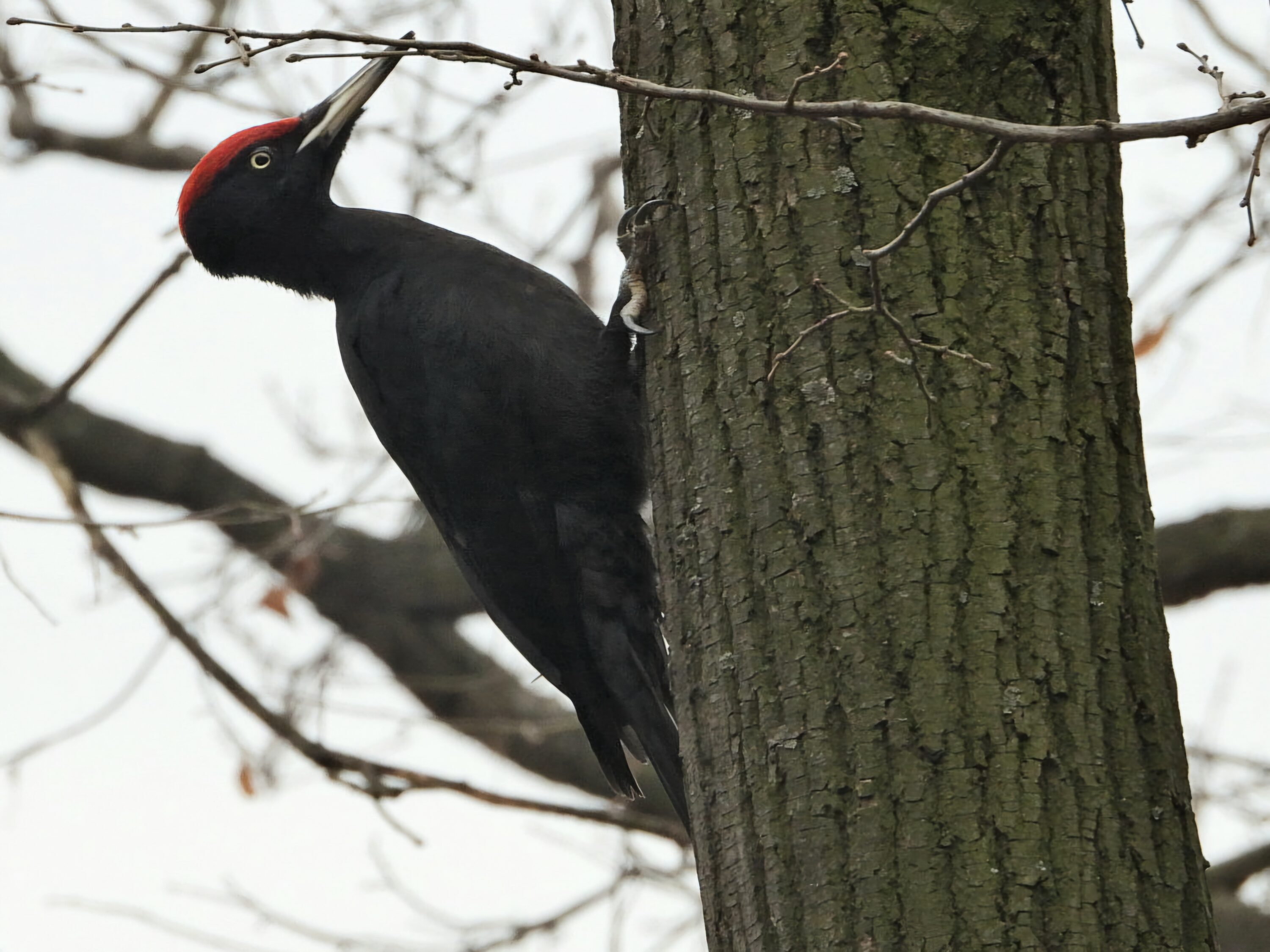
Inside inspections reveal animals missed at Black Woodpecker cavities
In Poland’s Augustów Forest, researchers recorded 50 animal taxa associated with Black Woodpecker cavities. Entrance cameras mostly recorded…
Read story →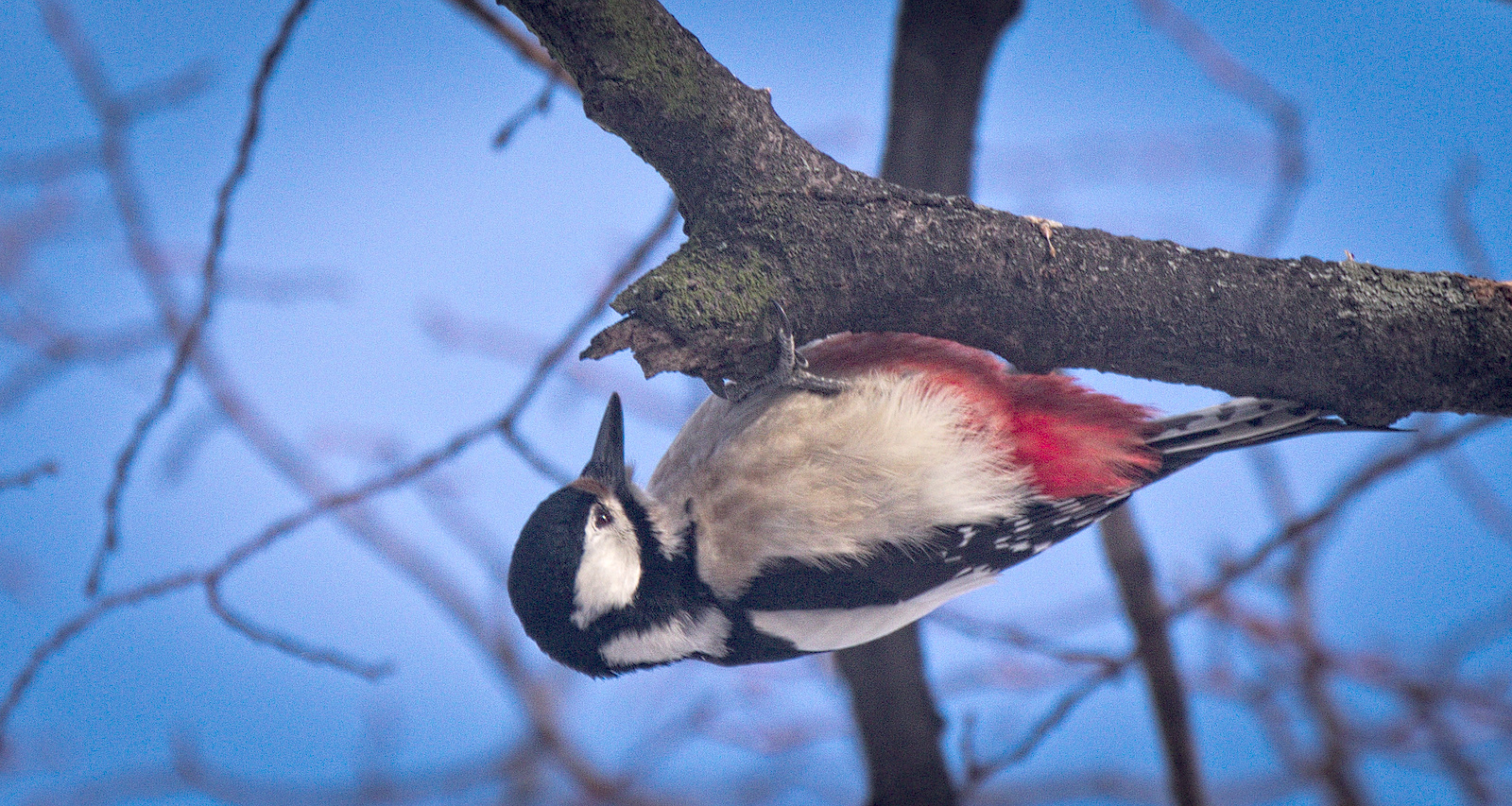
Six European Woodpeckers Shared a Common Eyelid Plan but Showed Microscopic Variation
Microscopic study of 40 woodpeckers from six European species found the same basic eyelid plan, including a fibrous…
Read story →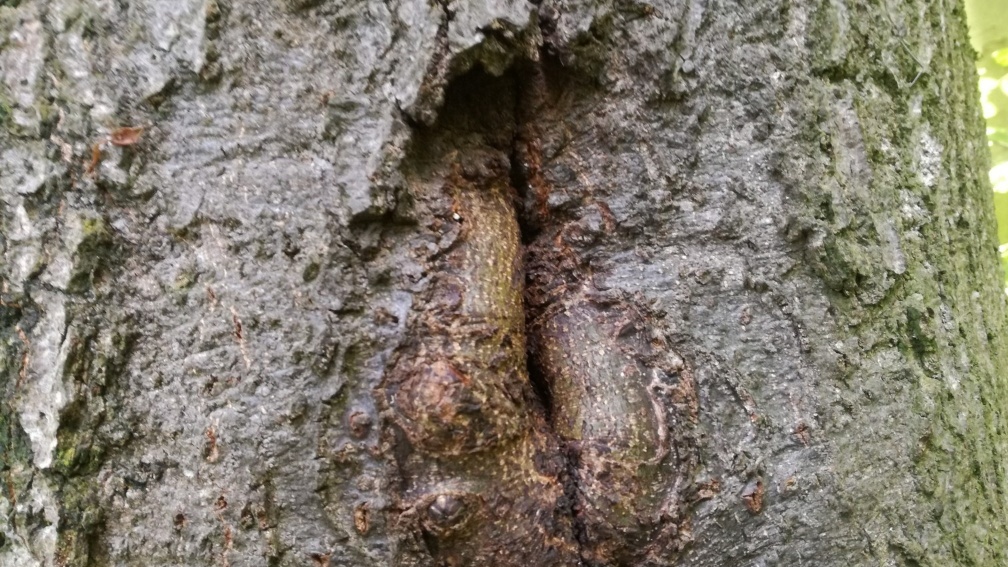
Honeybee Swarms Used Larger Black Woodpecker Cavities
A German study found honeybee swarms used larger black-woodpecker cavities with smaller entrances: median volume was 41.1 litres…
Read story →SPECIES IN THIS STORY
Species in this story
Independent research and conservation news archive
Did you find this information useful?
Wildlife Vagabond is independently built and maintained. Voluntary support helps cover source verification, hosting and continued work on research and conservation news.
Support Wildlife VagabondThe news archive will remain freely available.