
European Roe Deer Were More Vigilant in Human-Modified Landscapes
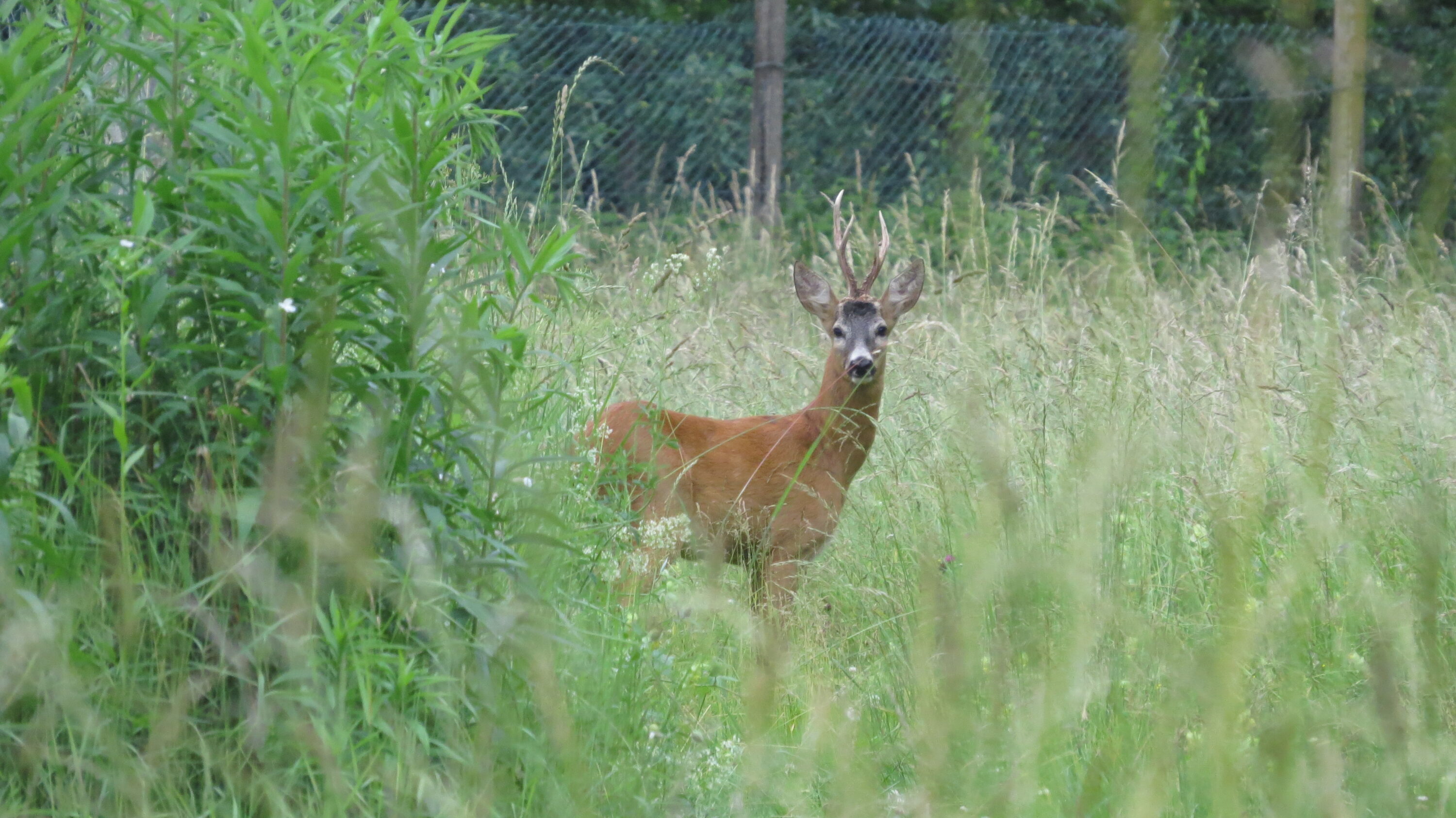
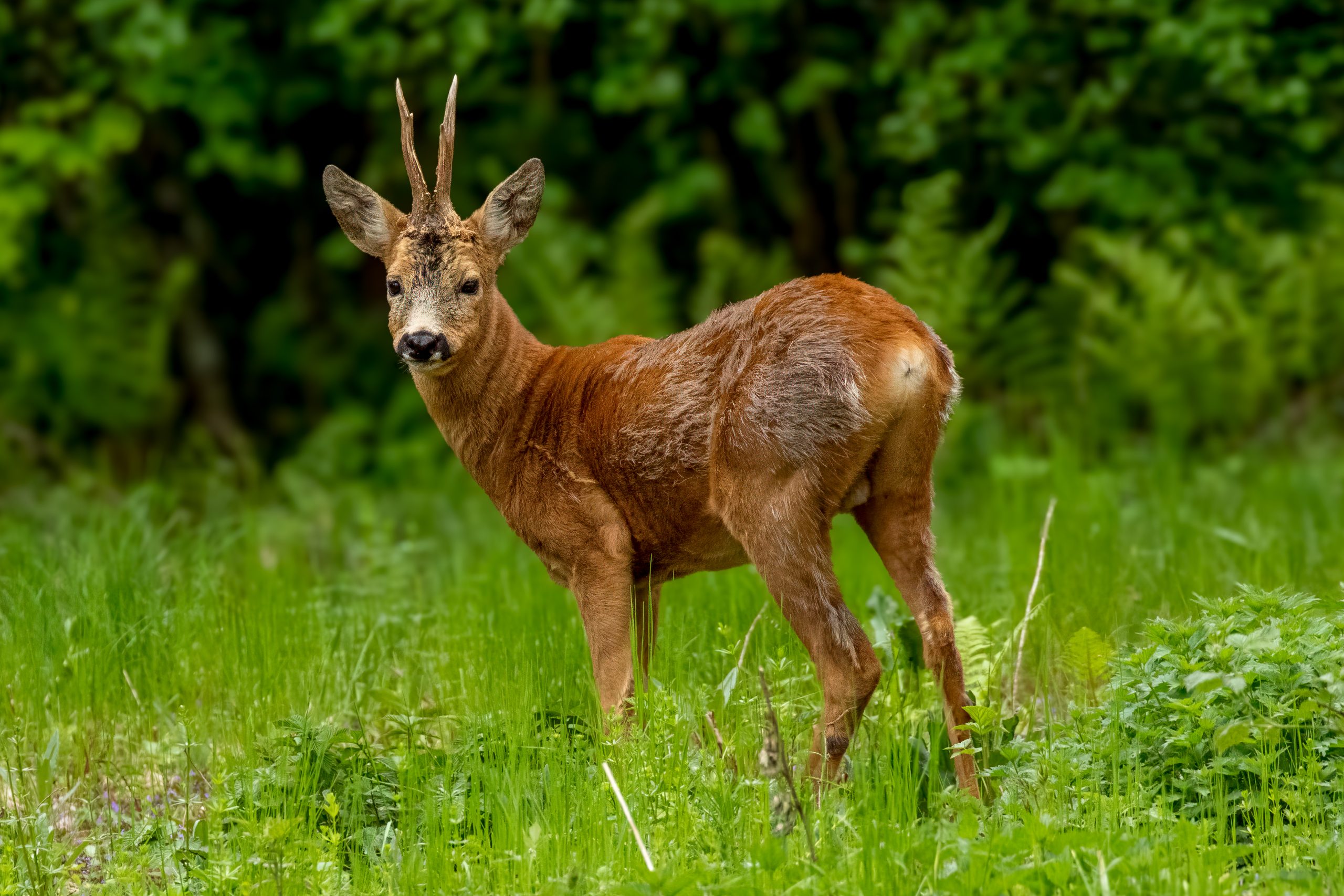
European roe deer (Capreolus capreolus) living in heavily modified landscapes in north-western Italy spent more time watching for danger than animals in more natural areas, a two-year field study has found. Stable grey wolf (Canis lupus) presence, however, was not associated with a measurable increase in vigilance under the conditions studied.
Researchers gathered behavioural data between December 2020 and November 2022 in seven areas that differed in landscape structure, hunting management and wolf presence. Two landscapes were dominated by natural woodland, two contained a mixture of woods and cultivated fields, and three were predominantly agricultural with small, scattered woodland patches. Stable wolf packs occurred in four areas, while wolves were absent or only occasional in the other three.
The team combined camera-trap recordings with direct observations and classified the animals’ behaviour from video. Feeding occupied 42.3 per cent of observed time, making it the most frequent activity. Alarm and vigilance behaviours accounted for 21.7 per cent. In two intensively farmed areas, time allocated to alarm behaviour slightly exceeded feeding.
Vigilance was lower in natural landscapes and larger groups
European roe deer were less vigilant in natural and mixed landscapes than in the most modified landscapes. The authors interpret this as a difference in perceived risk. Dense and continuous woodland offers cover, while open farmland exposes animals and is associated with predictable human activity and seasonal changes in crop cover.
Individual vigilance also declined as group size increased. This matches the group-size effect: when several animals can detect a threat, each individual can spend less time scanning and more time feeding.
Direct observations recorded more vigilance than camera traps. The authors considered whether field observers had influenced the animals, but deer that clearly reacted to observers were excluded and vigilance did not decline with observer distance. They therefore consider differences in habitat openness between the two sampling methods a more likely explanation for much of this pattern.
Stable wolf presence, hunting versus protected status, and distance to cultivated land, natural open ground and urban areas had no measurable effect on vigilance in the final analysis. The result does not mean that wolves were unimportant to roe deer. The authors propose that animals may respond to an unpredictable predator through other strategies, such as using dense cover or avoiding risky places and times, rather than maintaining higher vigilance throughout the day. That possible spatial or temporal avoidance was not measured directly in this study.
Behaviour
Related news
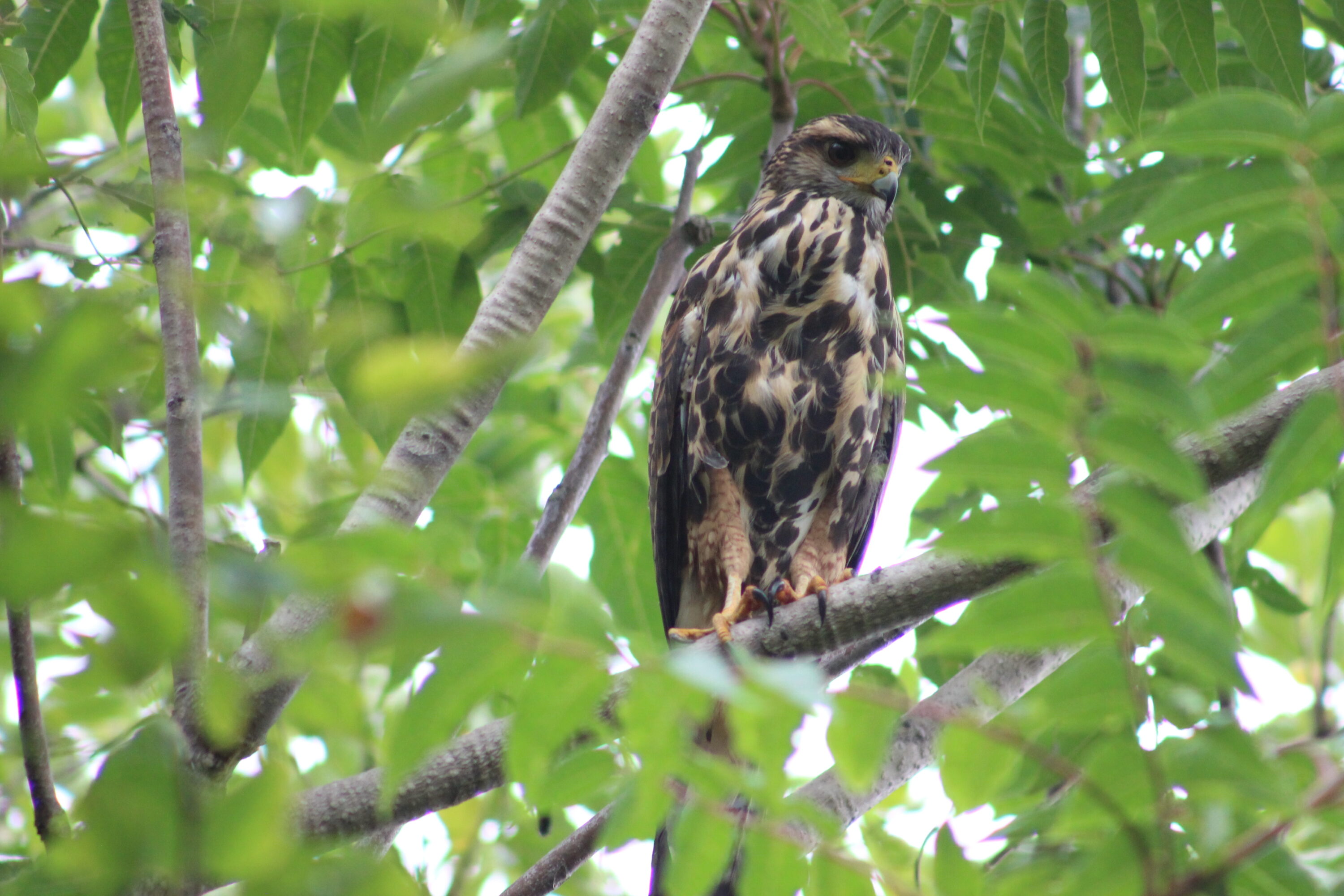
Juvenile Harris's Hawks Manipulated Pine Cones for About Five Minutes
Two juvenile Harris's hawks in Buenos Aires Province tore pine cones from trees, carried them to new perches…
Read story →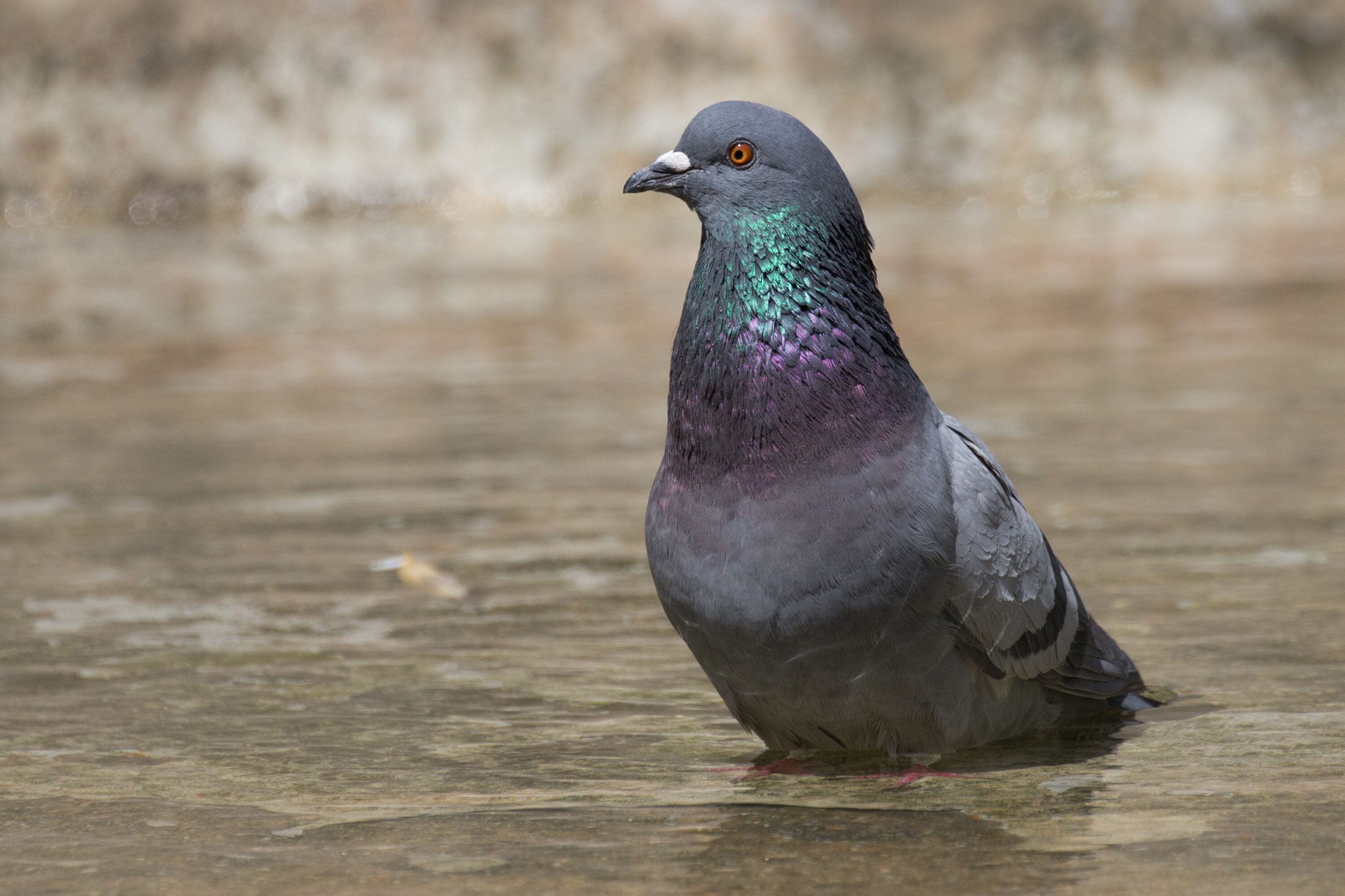
Rock Doves Preferred Predictive Information Despite a Lower Food Payoff
Seven rock doves preferred an informative option that paid on 20% of trials over a non-informative option that…
Read story →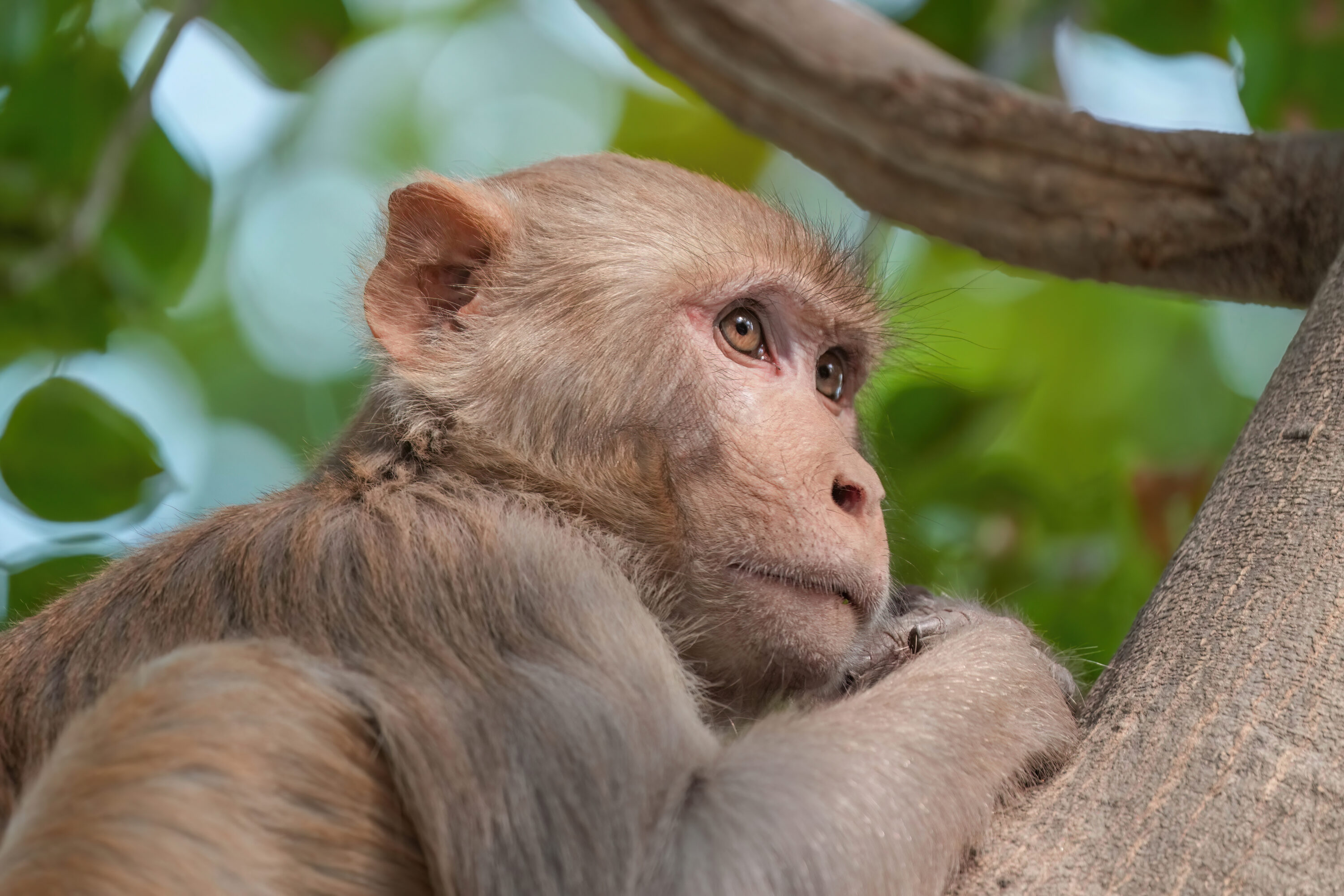
Task Uncertainty Increased Interference From Irrelevant Visual Information in Rhesus Macaque Decisions
Two rhesus macaques made less accurate visual decisions under task uncertainty; recordings and microstimulation in primary visual cortex…
Read story →SPECIES IN THIS STORY
Species in this story
Independent research and conservation news archive
Did you find this information useful?
Wildlife Vagabond is independently built and maintained. Voluntary support helps cover source verification, hosting and continued work on research and conservation news.
Support Wildlife VagabondThe news archive will remain freely available.