
Hybrid-type Collared Doves Dominated Puerto Rico and Were Common in the Canary Islands
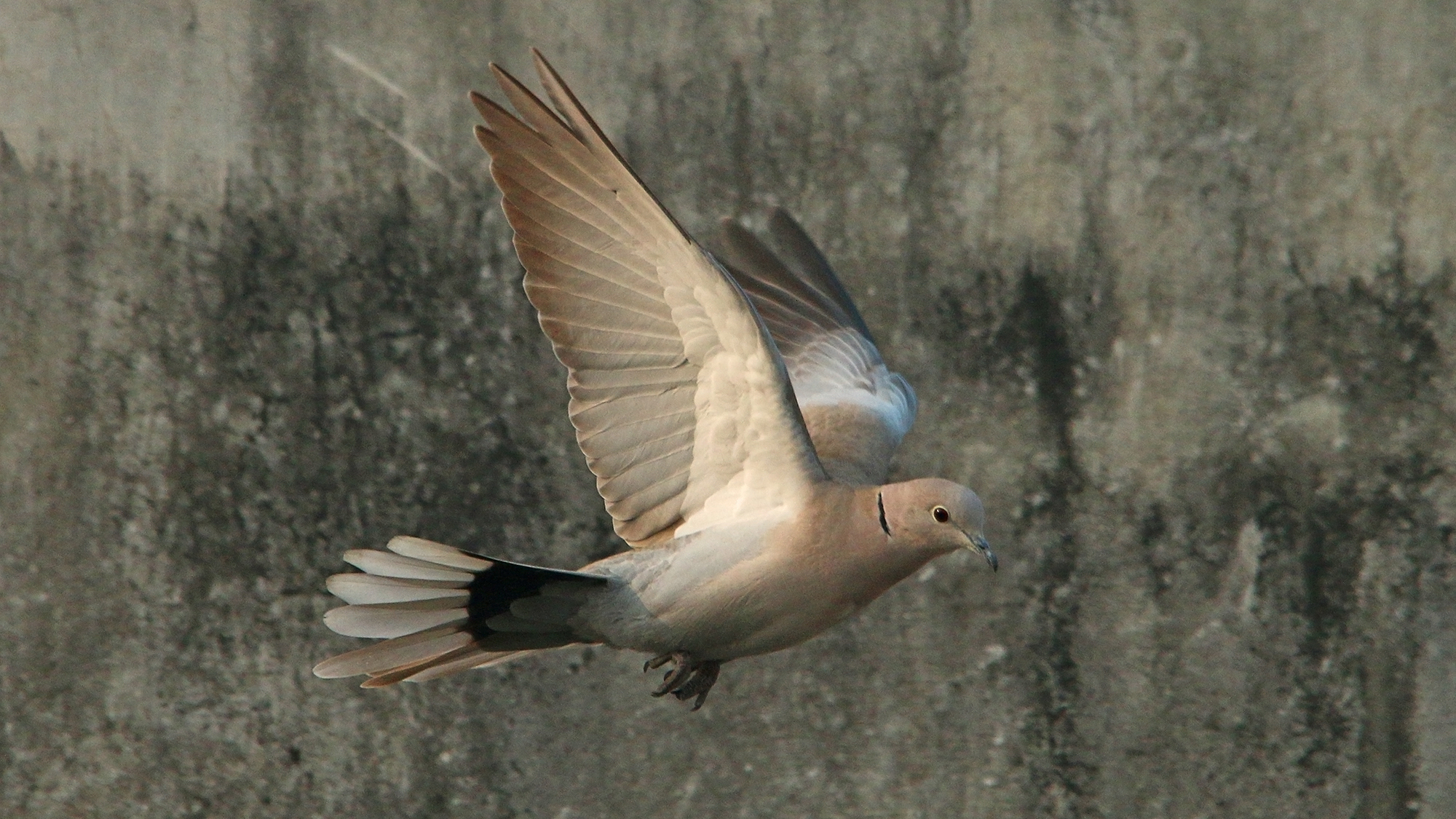
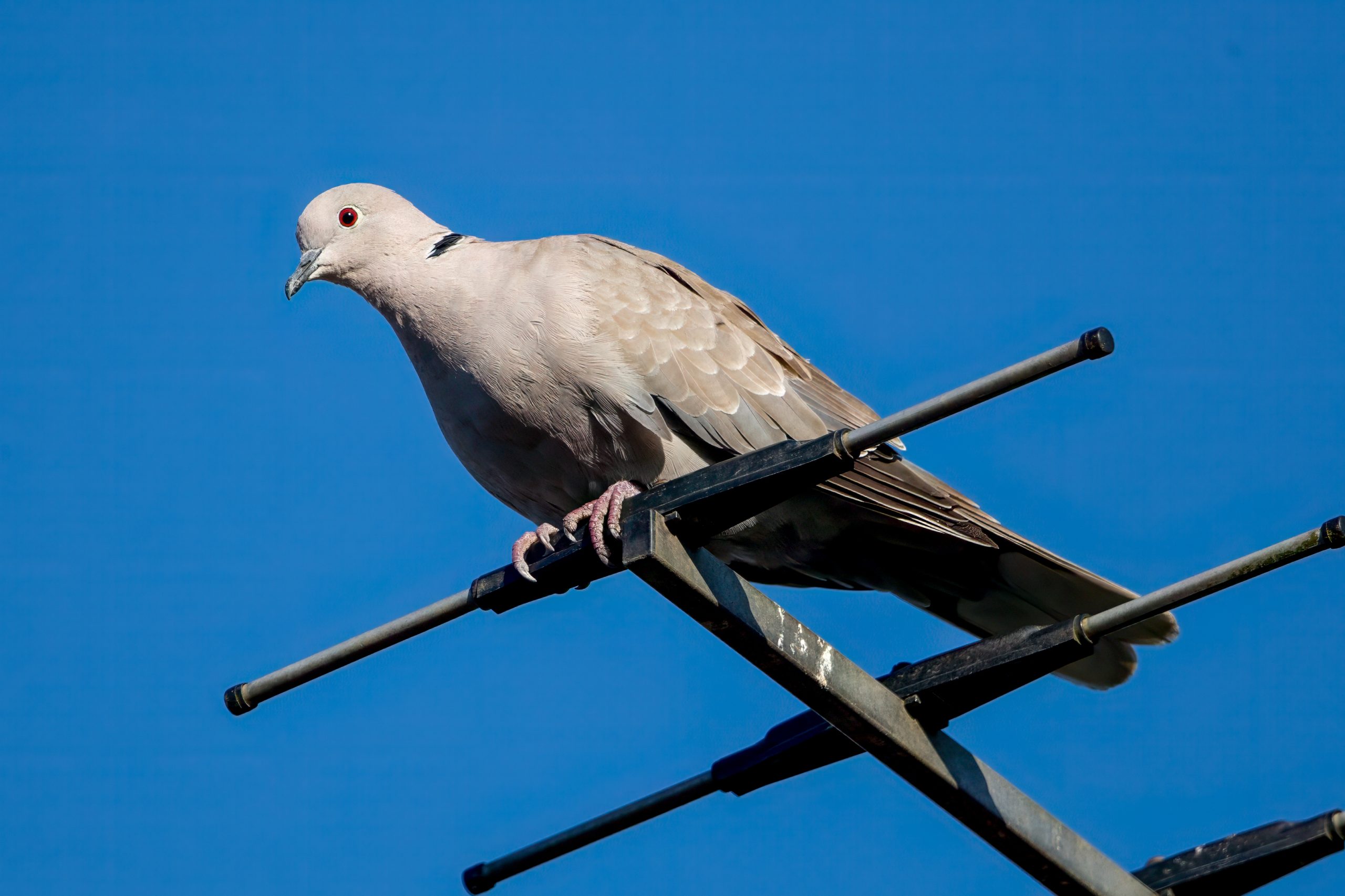
Photographs from citizen-science databases indicate extensive interbreeding between Eurasian collared doves (Streptopelia decaocto) and feral African collared doves, often called Barbary doves (Streptopelia roseogrisea), in parts of their introduced ranges. A 2026 study classified birds from 16 regions using tail pattern, plumage colour and morphology and found hybrid-type individuals especially common in Puerto Rico and the Canary Islands.
The researchers initially collected 1,929 photographs, then filtered nearby records from the same year to reduce the chance of counting the same birds repeatedly. Among the retained birds, hybrid-type individuals made up about 90% of records in Puerto Rico, and 35 of 80 in the Canary Islands, or 43.8%. Hybrid types were also recorded at lower frequencies in the Oman–Qatar–United Arab Emirates–Saudi Arabia region and across several parts of the Eurasian collared dove’s introduced range in the Americas.
Hybrid-type birds were absent from comparison regions
By contrast, no hybrid-type birds were detected in four sampled regions where Eurasian collared doves were native and apparently not mixing with African collared doves, or in New Zealand, where the sampled population consisted only of introduced African collared doves. In Puerto Rico and the Canary Islands, many birds submitted by observers as African collared doves showed Eurasian or hybrid-type features instead.
Photographs cannot confirm genetic ancestry
The study did not use genetic markers to confirm ancestry. Instead, the authors inferred interbreeding from combinations of tail structure, plumage colour and other visible traits whose inheritance and history are known from the two forms. They argue that, where the two introduced populations meet, feral African collared dove phenotypes may be progressively absorbed into mixed populations dominated by Eurasian collared dove ancestry.
Evolution & taxonomy
Related news
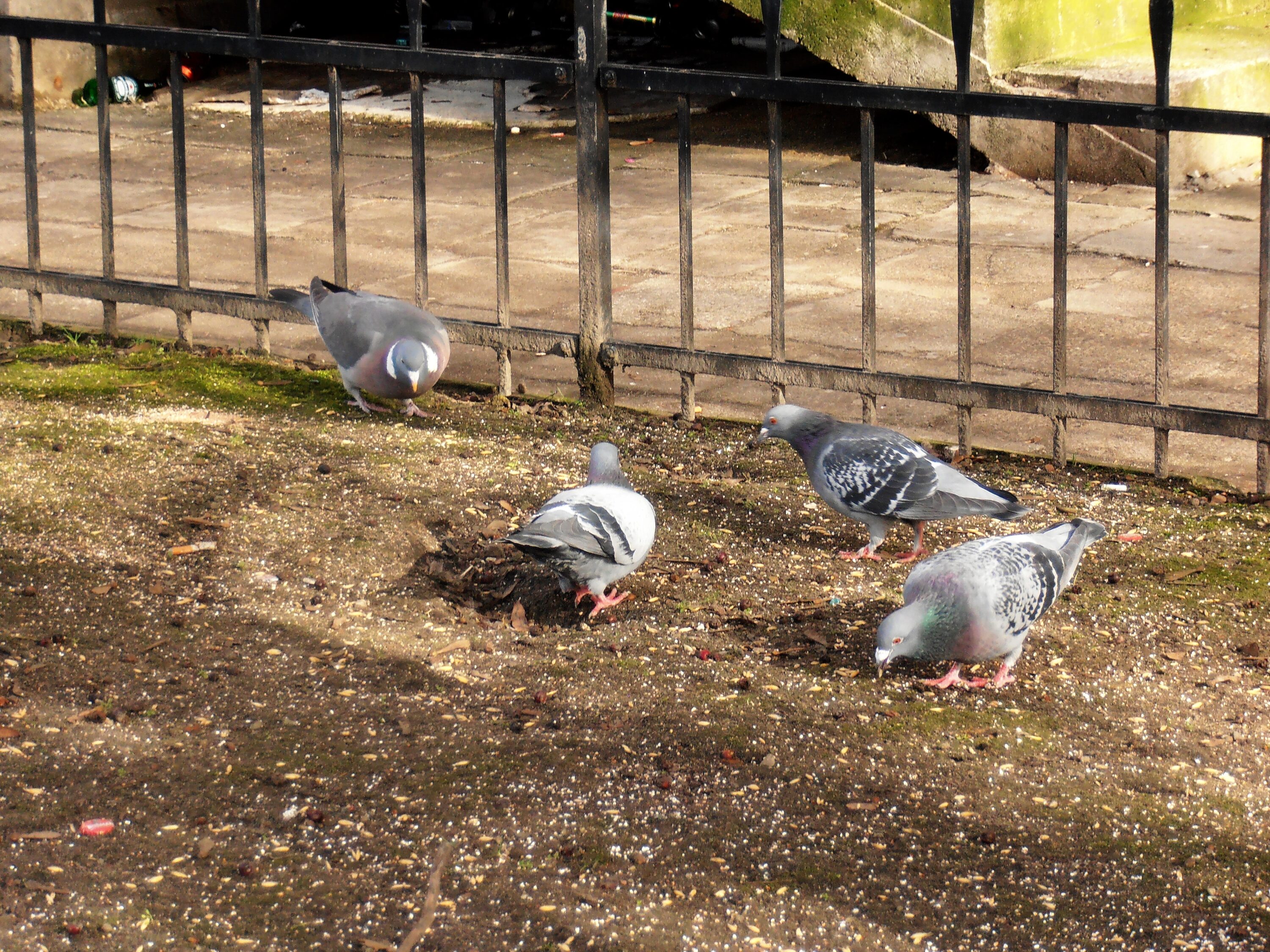
Common Wood-Pigeon Was Negatively Associated With Settlements in High Atlas Valleys
Across 179 survey points in two Central High Atlas valleys in Morocco, researchers recorded 1,073 pigeons and doves.…
Read story →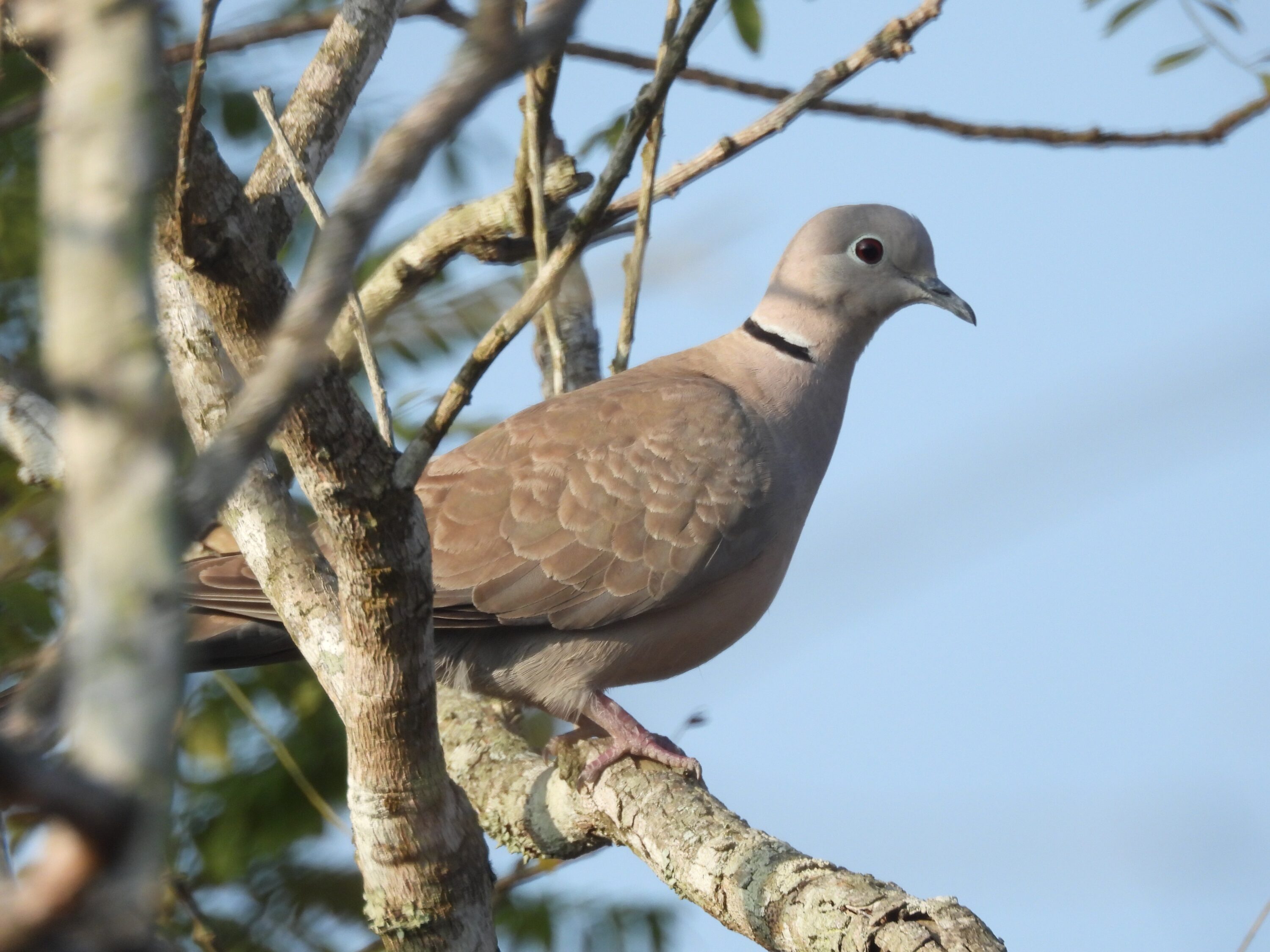
Eurasian Collared Dove Index Showed Clear Increases on Both Time Scales in India
The 2025 State of India’s Birds update estimated a +65.8% long-term trend and a +3.8% current annual trend…
Read story →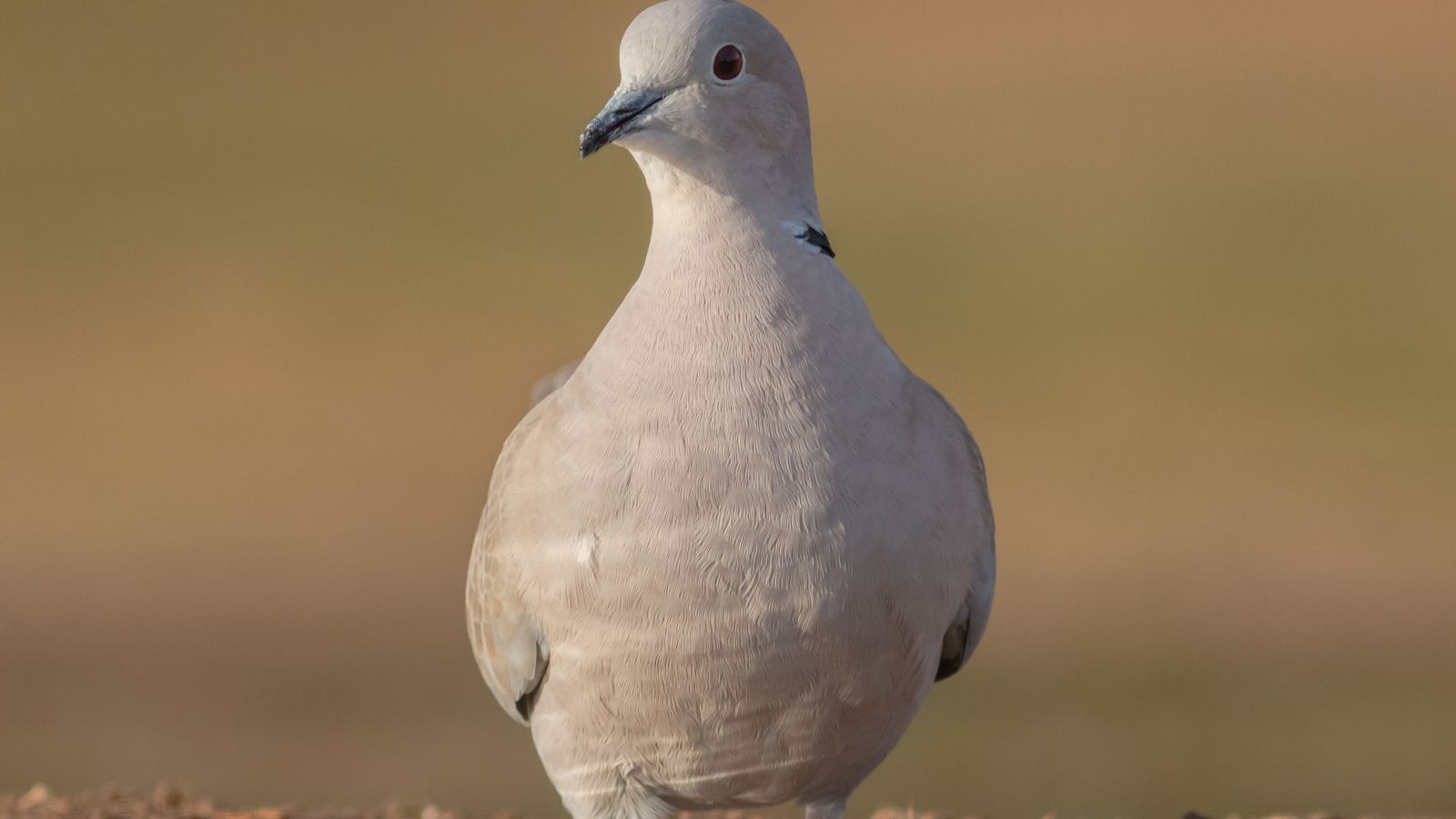
Eurasian Collared Doves 1.6 km Apart Differed in Wing, Digit and Beak Measurements in Annaba
Thirty-five Eurasian collared doves from two sites only 1.6 km apart in Annaba differed in several wing, toe…
Read story →SPECIES IN THIS STORY
Species in this story
Independent research and conservation news archive
Did you find this information useful?
Wildlife Vagabond is independently built and maintained. Voluntary support helps cover source verification, hosting and continued work on research and conservation news.
Support Wildlife VagabondThe news archive will remain freely available.