
Common Wood-Pigeon Was Negatively Associated With Settlements in High Atlas Valleys
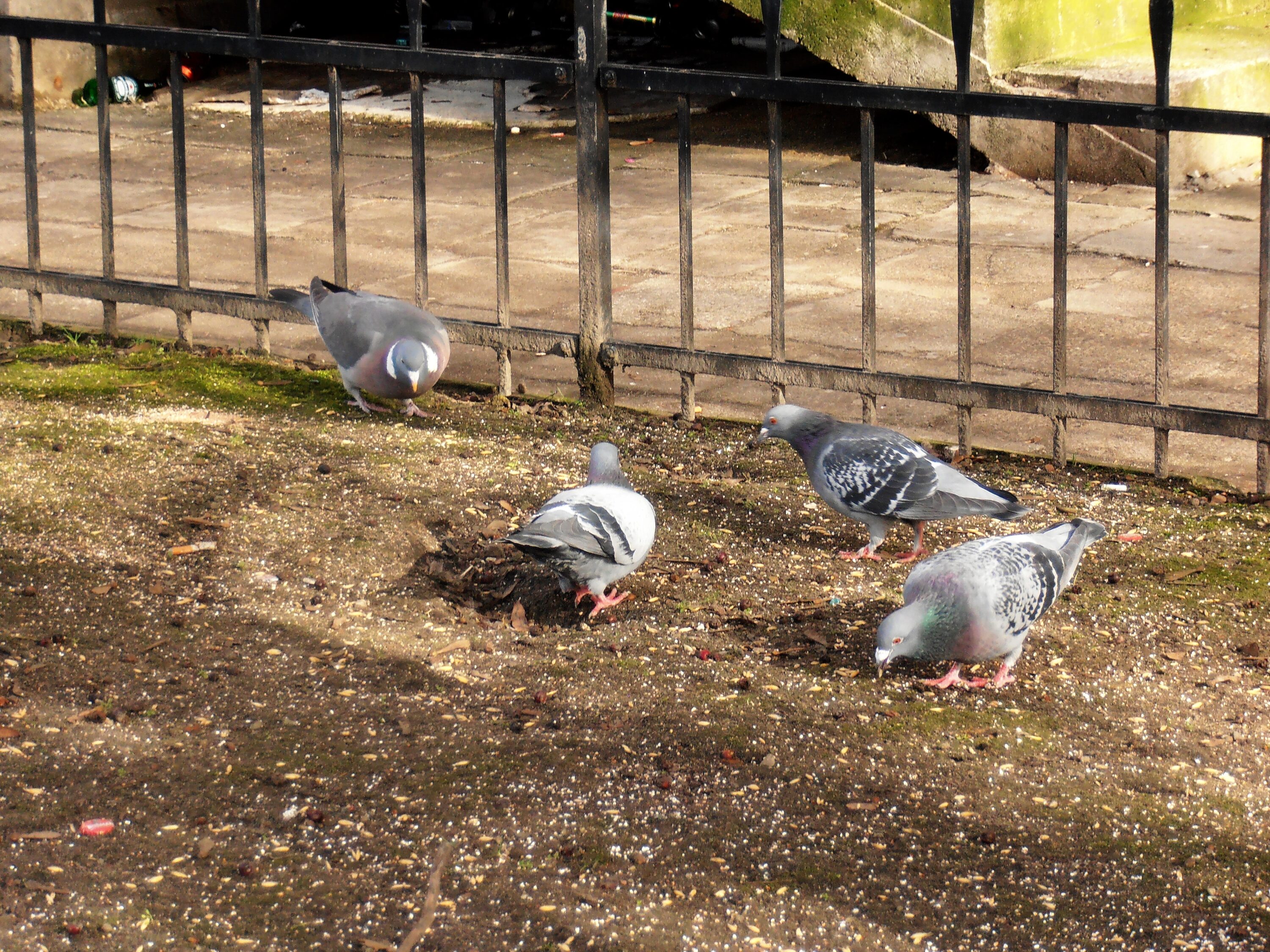
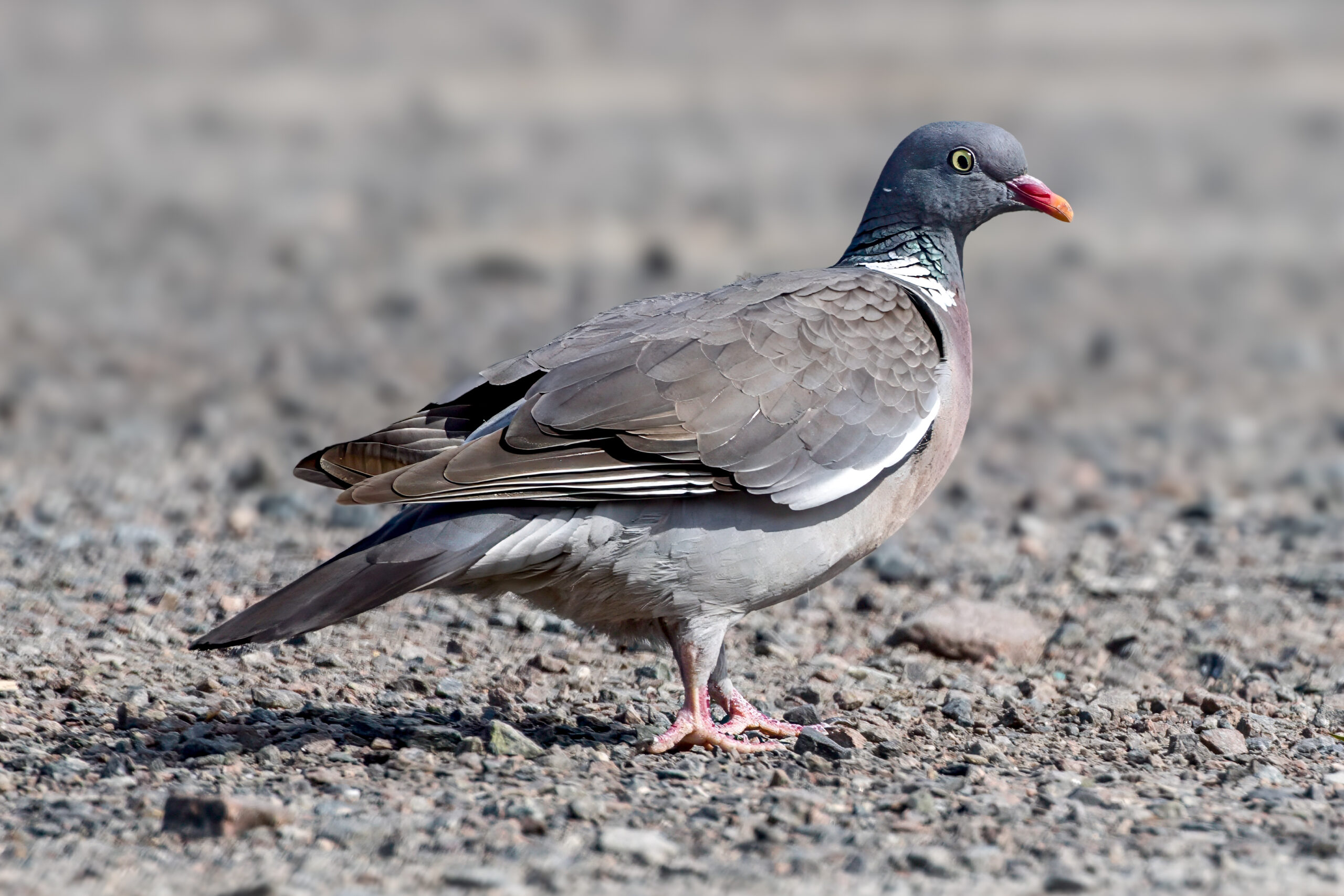
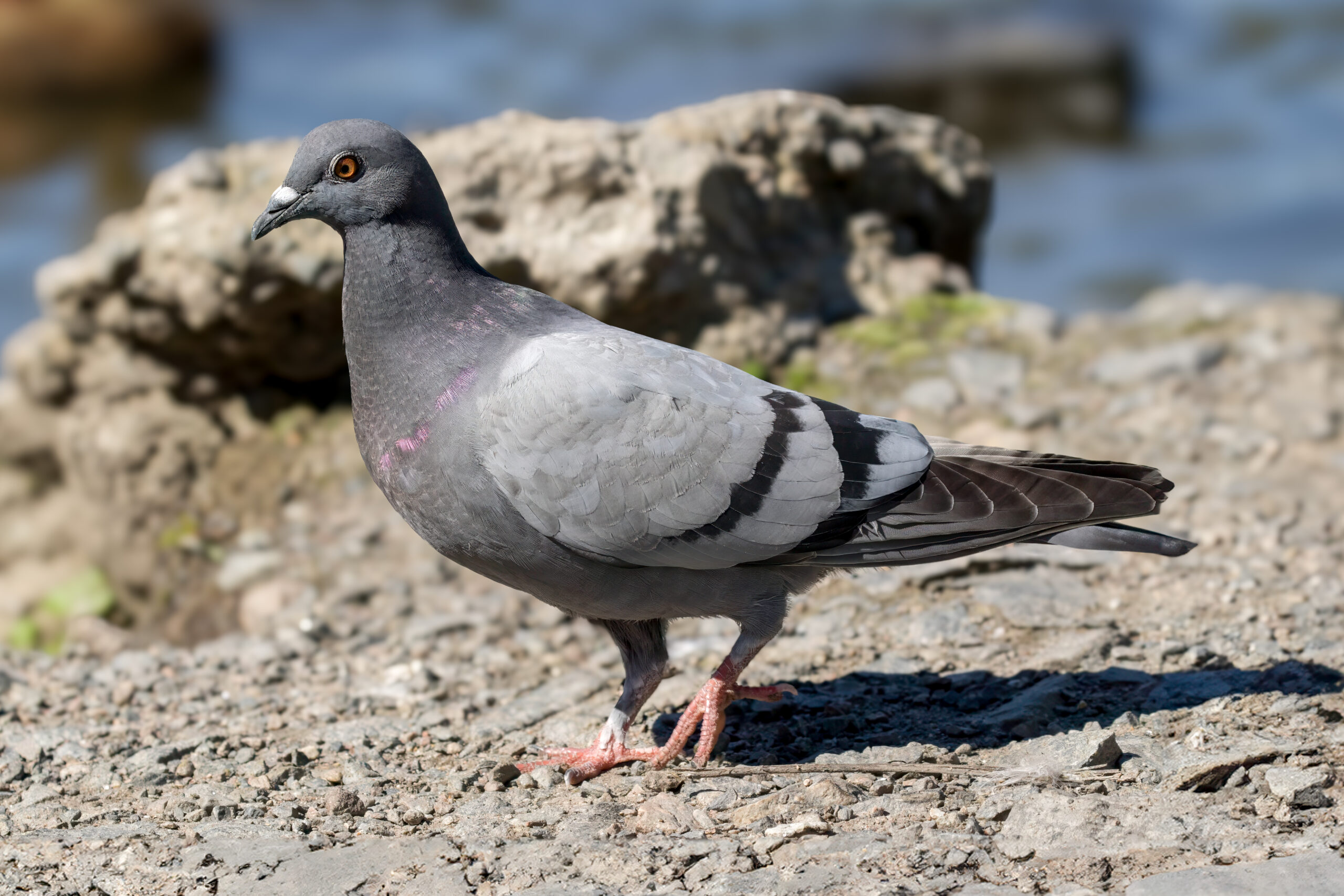
A study of pigeons and doves in two valleys of Morocco’s Central High Atlas found clear differences in how five taxa used the mountain landscape. Common wood-pigeons (Columba palumbus) were negatively associated with human settlements, while their habitat use overlapped strongly with rock doves (Columba livia) in conifer forest.
Researchers used observation and listening surveys at 179 points along valley bottoms between about 700 and 2,600 metres above sea level. Surveys covered all four seasons in 2018 and 2019 and produced 1,073 records. Common wood-pigeons and rock doves dominated the observations, and the five taxa showed clear differences in their spatial and seasonal distributions.
Different species used different parts of the landscape
The largest numbers of pigeons and doves were recorded at lower elevations. Common wood-pigeons showed the strongest negative association with human habitation among the patterns highlighted by the authors, but they still overlapped markedly with rock doves in coniferous forest.
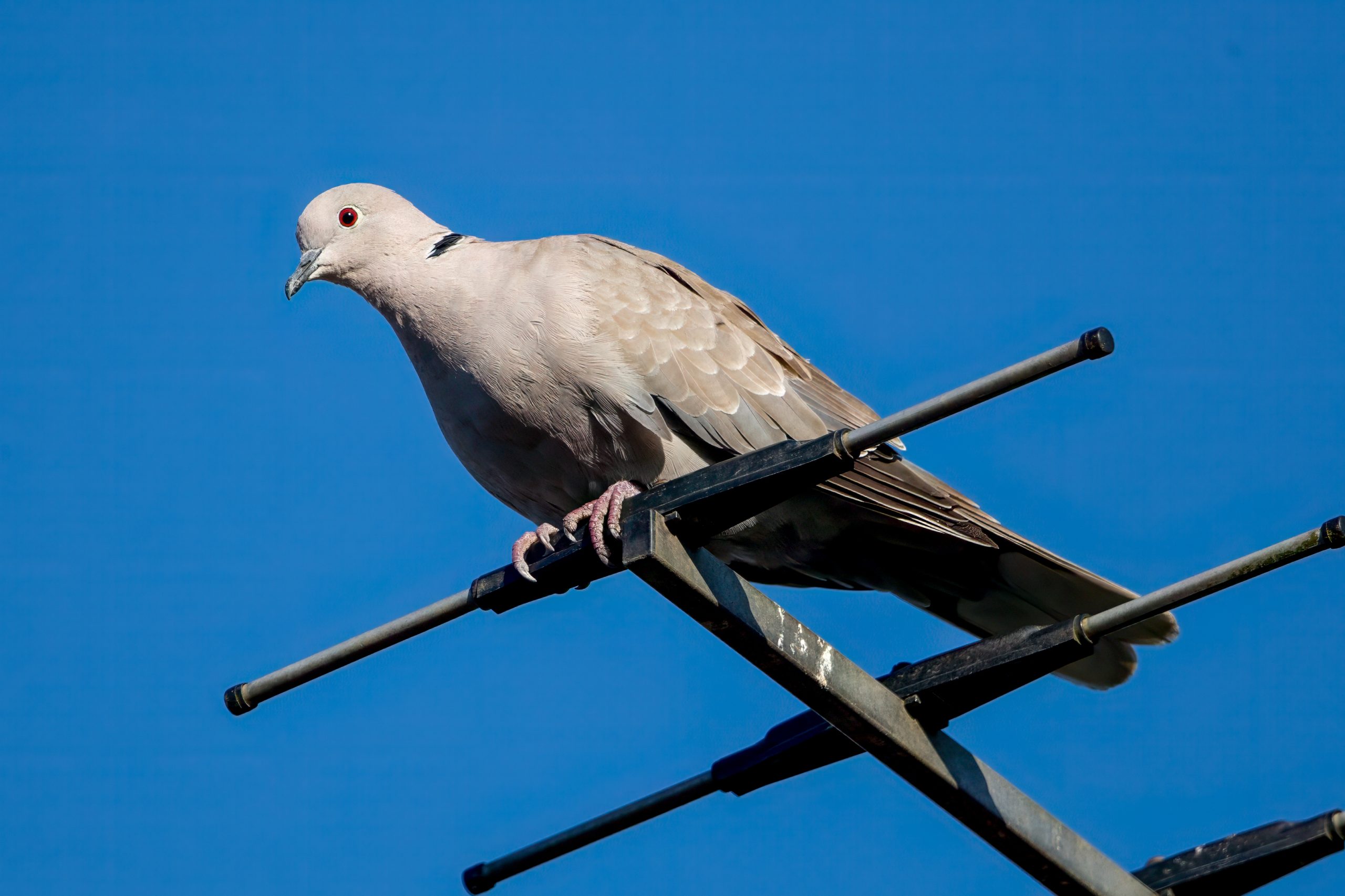
Rock doves also shared juniper stands and farmland with the North African turtle-dove subspecies Streptopelia turtur arenicola. Eurasian collared doves (Streptopelia decaocto) were recorded only near settlements and in agricultural fields. A laughing dove (Spilopelia senegalensis), a species expanding in Morocco, was recorded incidentally at the highest elevation in the study area.
Breeding and feeding habitats may separate the species
The authors interpret the spatial and seasonal pattern as consistent with resource partitioning: the species appear to divide the landscape partly through differences in breeding and feeding habitat. The overlap between common wood-pigeon and rock dove in conifer forest shows that this separation is not complete and changes with habitat type.
The study extends work on Moroccan Columbidae into mountain environments that have received less attention than lowlands. The authors caution that more research is needed to determine exactly how breeding sites and food resources shape these patterns.
Ecology
Related news
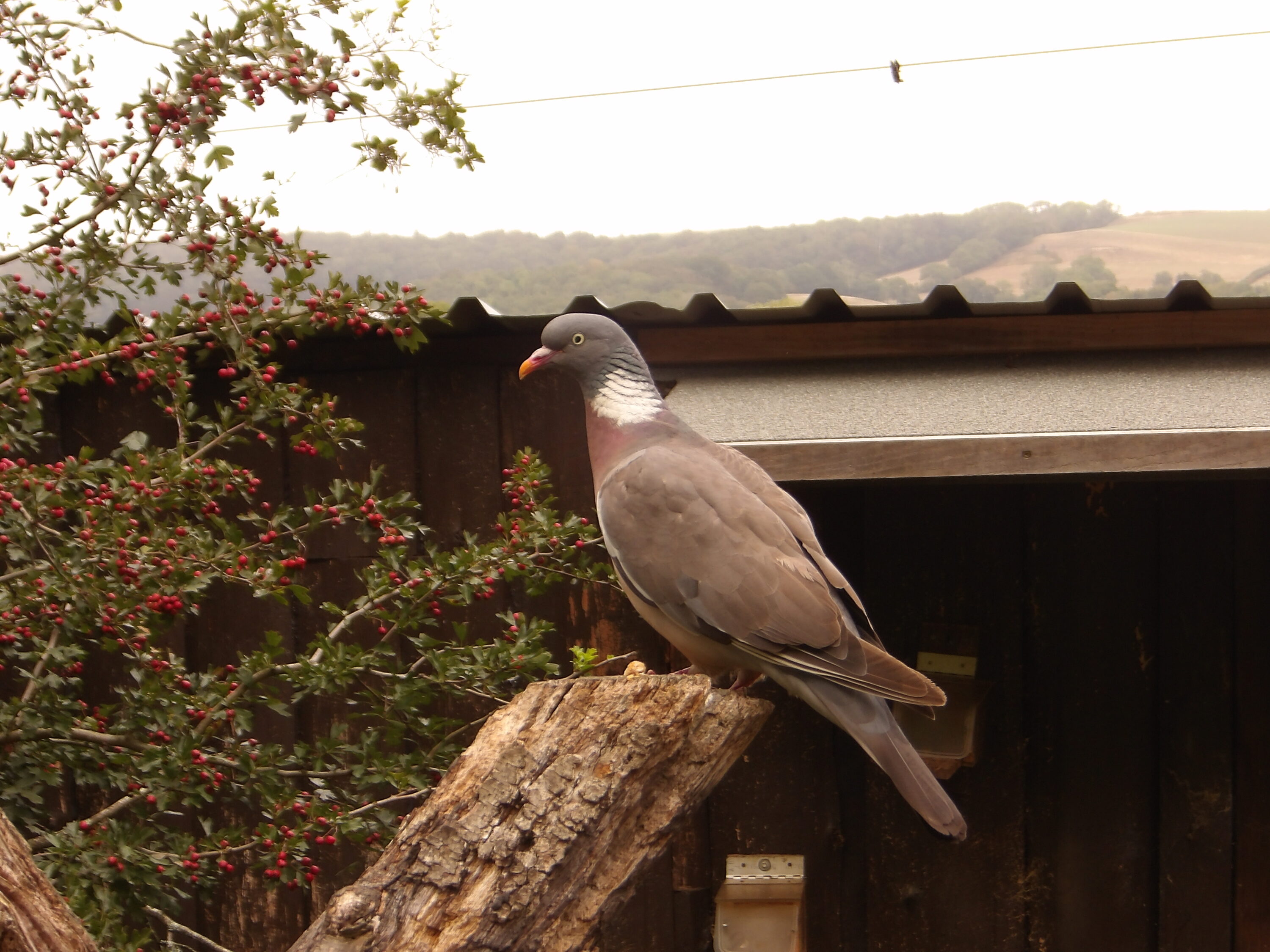
Rotavirus A Antibodies Were Common in Feral Pigeon Samples but Rare in Wood-Pigeon Samples in Germany
A German study detected rotavirus A-reactive antibodies in 79.2% of free-ranging feral pigeons and 77.0% of domestic pigeons,…
Read story →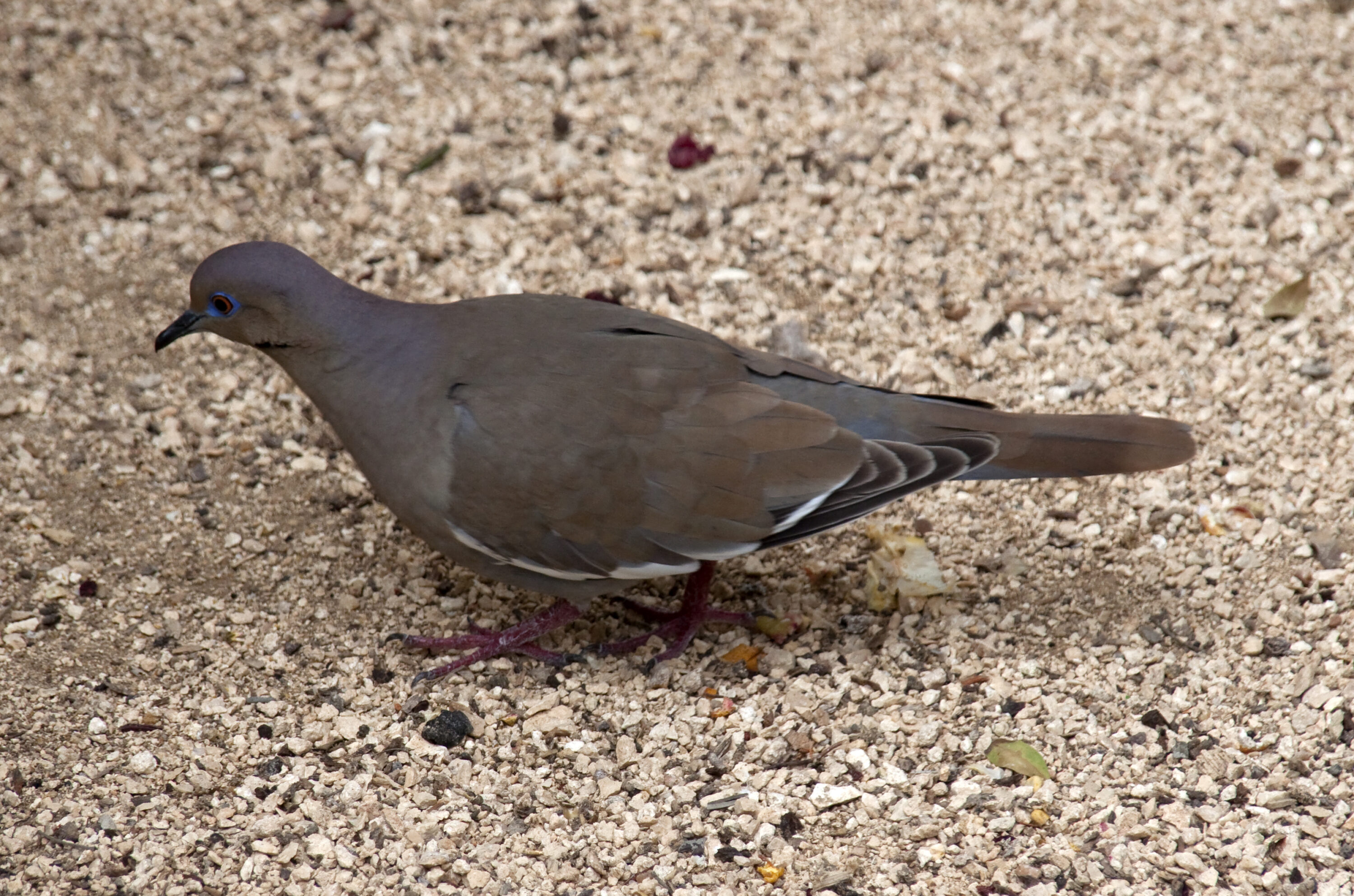
White-Winged Dove Had an Estimated Mean Density of 744 Birds per km² Along the Sinaloa River
A 2026 study along the Sinaloa River estimated a mean density of 744.03 white-winged doves per km². Density…
Read story →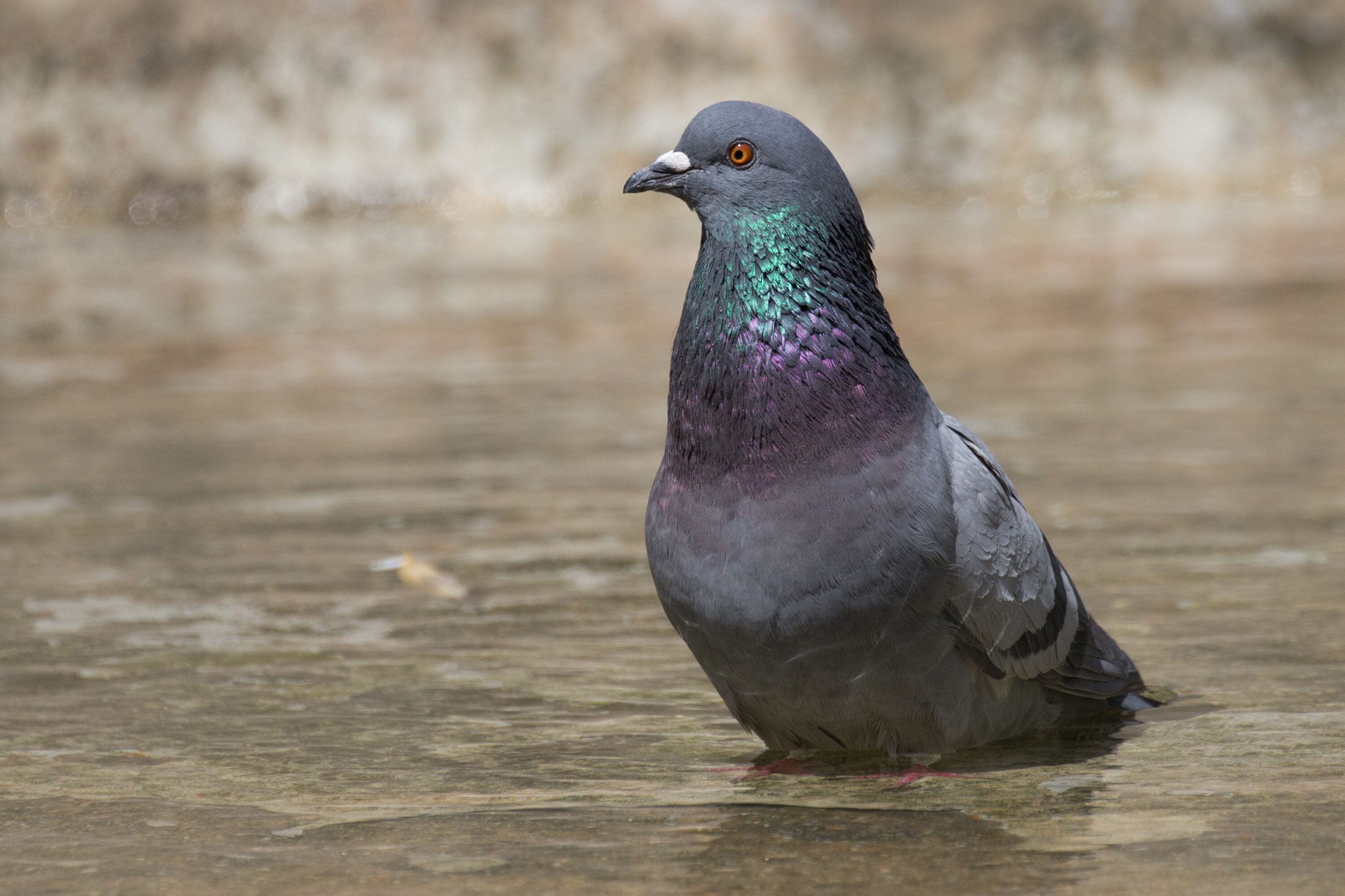
Rock Doves Preferred Predictive Information Despite a Lower Food Payoff
Seven rock doves preferred an informative option that paid on 20% of trials over a non-informative option that…
Read story →SPECIES IN THIS STORY
Species in this story
Independent research and conservation news archive
Did you find this information useful?
Wildlife Vagabond is independently built and maintained. Voluntary support helps cover source verification, hosting and continued work on research and conservation news.
Support Wildlife VagabondThe news archive will remain freely available.