
Thirty-five Indian Vulture Nests Were Found Across Ten Sites in Western Rajasthan
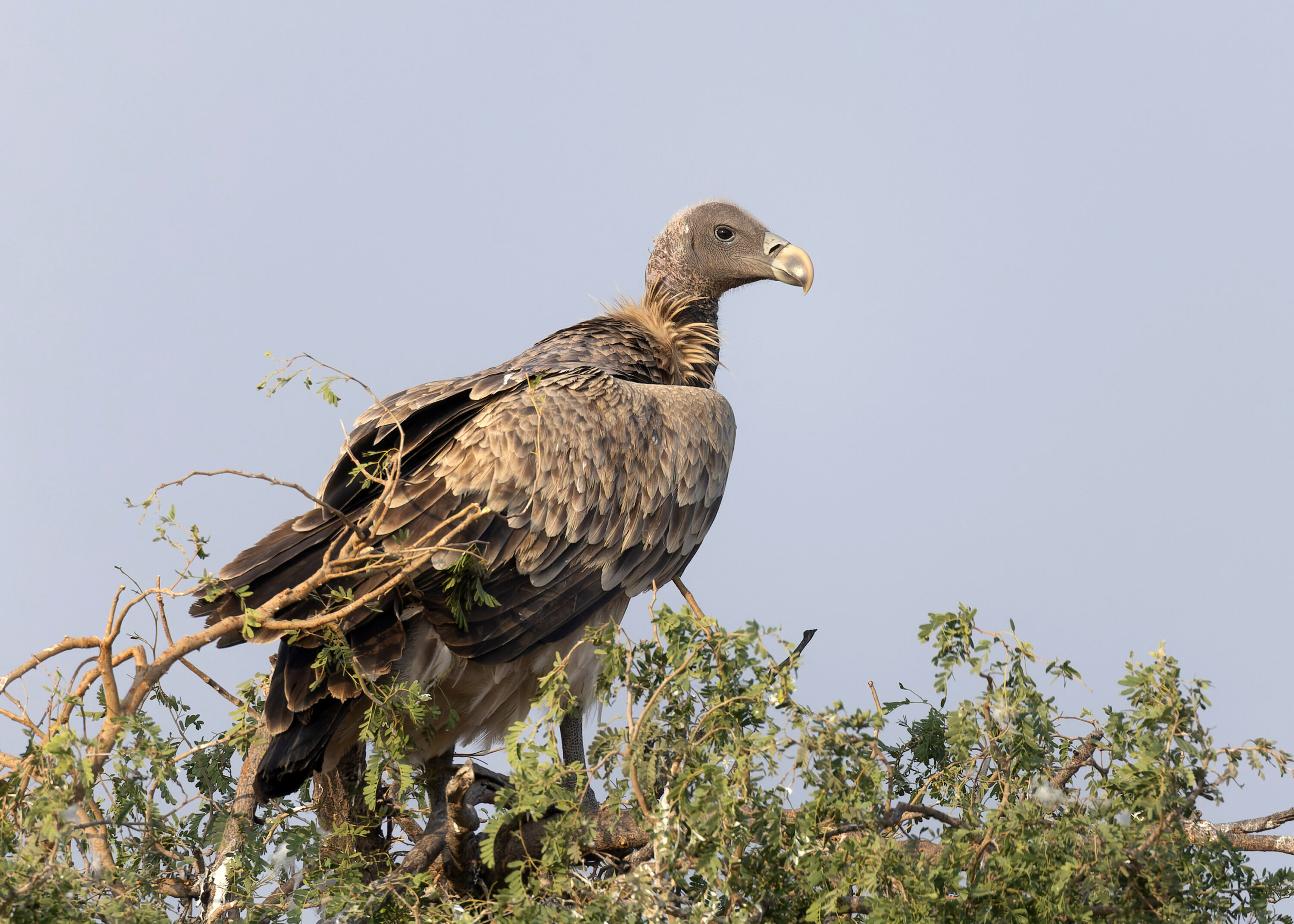
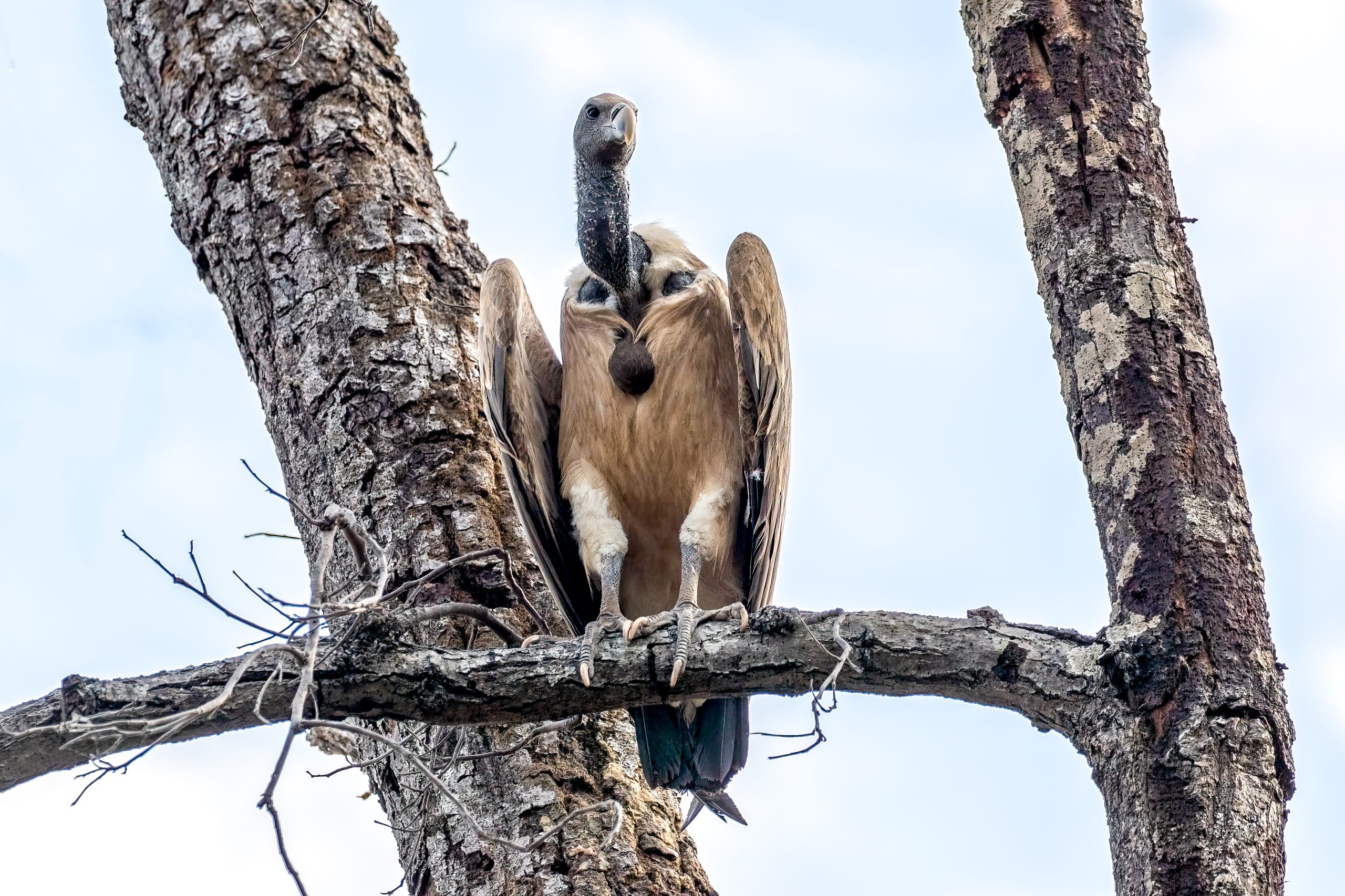
A four-year field study of Indian vultures (Gyps indicus) in the Thar Desert recorded 35 nests across ten sites in the western Rajasthan districts of Barmer and Jaisalmer. Surveys from 2021 to 2024 combined nest monitoring with monthly counts and observations of local threats to this critically endangered species.
Nine of 14 egg-laying nests were successful
Across three breeding seasons, the researchers recorded 14 occupied nests in which eggs were laid and nine successful nests. The only egg-laying nest recorded in 2021–2022 was successful. In 2022–2023, three of five such nests succeeded (60%), and in 2023–2024 five of eight succeeded (62.5%). Breeding success was therefore similar in the latter two seasons; the 100% figure in the first season was based on a single nest.
The nests were mainly located on hills and cliffs, consistent with the species’ use of rocky nesting sites in this part of the Thar Desert. The study followed the breeding cycle from incubation through fledging as part of its assessment of local breeding ecology.
Monthly counts rose across the four survey years
The mean number of Indian vultures recorded per month increased from 35.2 in 2021 to 49.9 in 2024, with intermediate means of 40.3 and 45.2 in 2022 and 2023. The survey therefore recorded higher monthly averages in each successive year.
The authors nevertheless state that numbers in their study were lower than those reported in earlier work from the wider region. The four-year increase within this survey should therefore not be treated as evidence that the regional population has already recovered over the longer term.
Habitat loss and mining were among the local threats
The researchers identified loss of natural habitat as the most important local threat, together with mining, electrocution, human disturbance and food scarcity. They emphasise protection of nesting cliffs and surrounding low-disturbance habitat in western Rajasthan.
Population & status
Related news
African Buffalo Herds Concentrated in Wetlands and Forest During Gambella's Dry Season
A two-year study in Ethiopia's Gambella National Park found similar but uncertain buffalo abundance estimates in 2022 and…
Read story →
Therthangal Spoonbill Colony Returned to 12 Active Nests After Complete Breeding Failure
Six breeding seasons at Therthangal Bird Sanctuary in Tamil Nadu ranged from 12 active Eurasian Spoonbill nests in…
Read story →
Cattle Egret Reporting Rate Rose From 0.38 to 0.60 in Southern African Atlas Data
A systematic review of 173 studies found generally stable or increasing cattle egret populations in the better-studied parts…
Read story →SPECIES IN THIS STORY
Species in this story
Independent research and conservation news archive
Did you find this information useful?
Wildlife Vagabond is independently built and maintained. Voluntary support helps cover source verification, hosting and continued work on research and conservation news.
Support Wildlife VagabondThe news archive will remain freely available.