
Modelled Suitable Habitat in India Could Support About 309,000 Jungle Cats
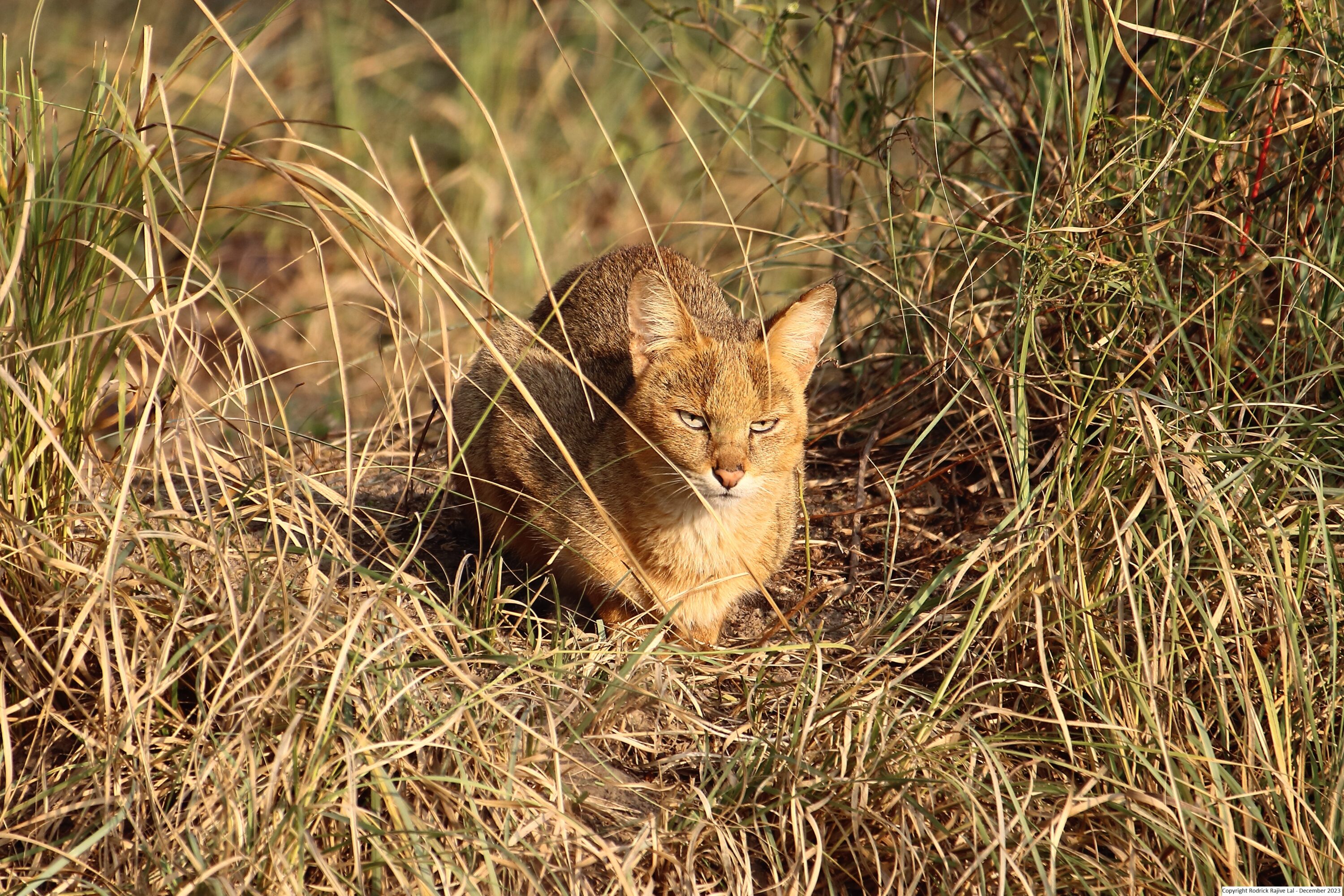
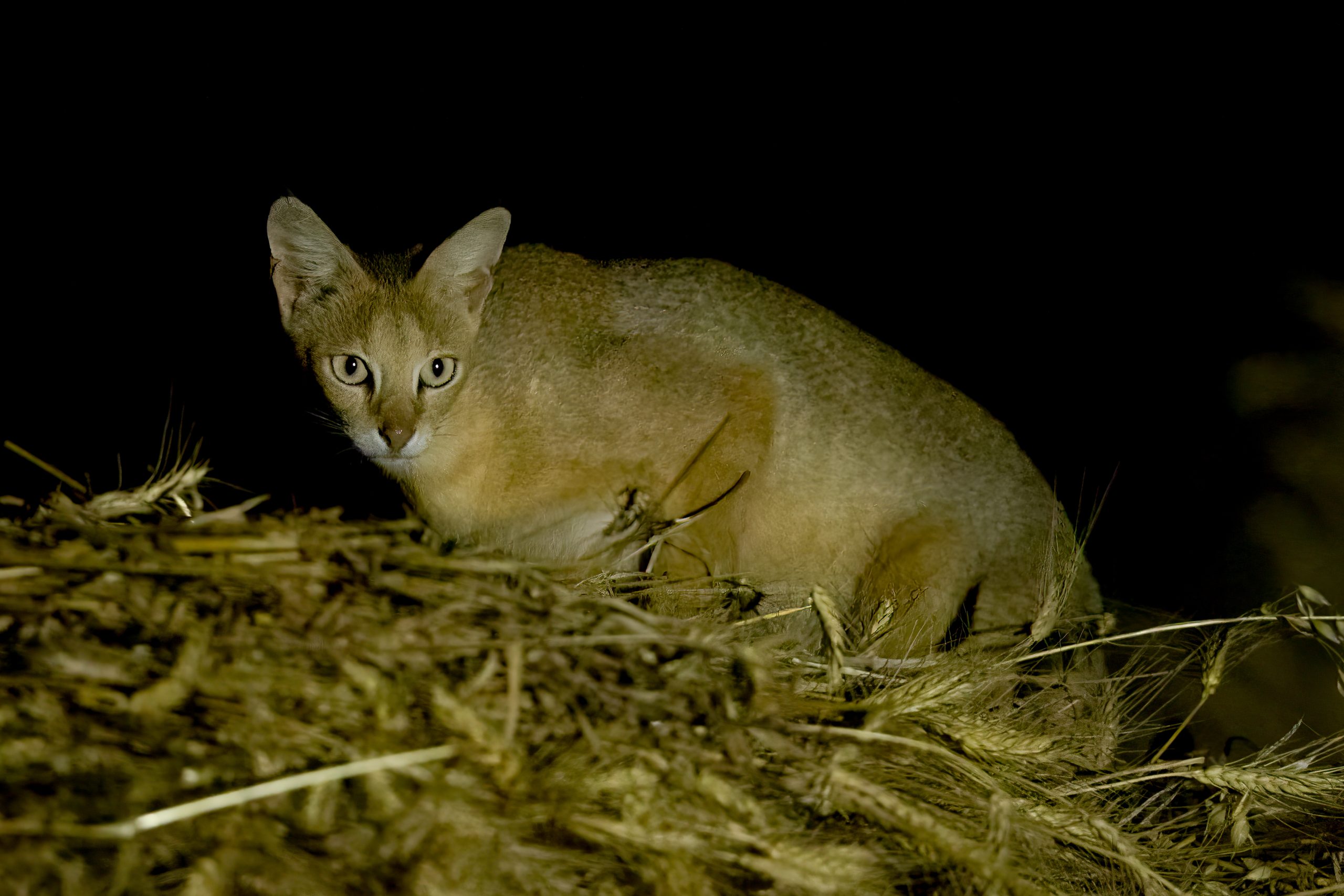
A nationwide study estimated that about 545,280 km² of India is potentially suitable habitat for jungle cat (Felis chaus) and that this habitat could support roughly 308,585 individuals. The figure is a model-based estimate of potential population size, not a direct count of jungle cats. The estimate was highly uncertain and should be read as a broad indication rather than a precise population count.
The researchers combined records from a nationwide camera-trap dataset with radio-telemetry, published information and verified sightings. After removing spatially redundant records, 6,151 occurrence locations were used to model suitable habitat across India.
Home ranges linked suitable habitat to potential population size
To translate the habitat estimate into a potential number of animals, the researchers used annual home-range sizes from 16 radio-collared jungle cats. Males used larger annual home ranges than females on average — 6.7 km² compared with 2.4 km² — and these sex-specific values were incorporated into the national estimate.
The estimate should therefore be read as the number of jungle cats the modelled suitable habitat could support, rather than as observed abundance. Much of the systematic camera-trap material also came from surveys of large carnivores concentrated in forested landscapes, so the authors note that some habitat types may be underrepresented.
Warm, semi-arid and relatively open landscapes were most suitable
Jungle cats were most strongly associated with warm, semi-arid and relatively open landscapes, including dry deciduous forest, grassland, desert and agro-pastoral mosaics. Suitability was highest where vegetation cover was moderate and human and livestock disturbance was low to moderate, and declined in dense forest and heavily modified landscapes.
The modelled distribution extended far beyond protected areas into agricultural and pastoral landscapes. The authors note that jungle cats remain underrepresented in India’s conservation agenda, while much of their suitable habitat lies in open and agro-pastoral landscapes outside core protected areas.
The authors identify habitat fragmentation, expanding infrastructure, road mortality, disease transmission from free-ranging dogs and possible hybridisation with domestic cats among the pressures facing jungle cats in India. They argue that conserving grasslands, savannas, open forests and semi-natural agro-pastoral mosaics outside protected areas will be important for maintaining the species across its broad national range.
Population & status
Related news
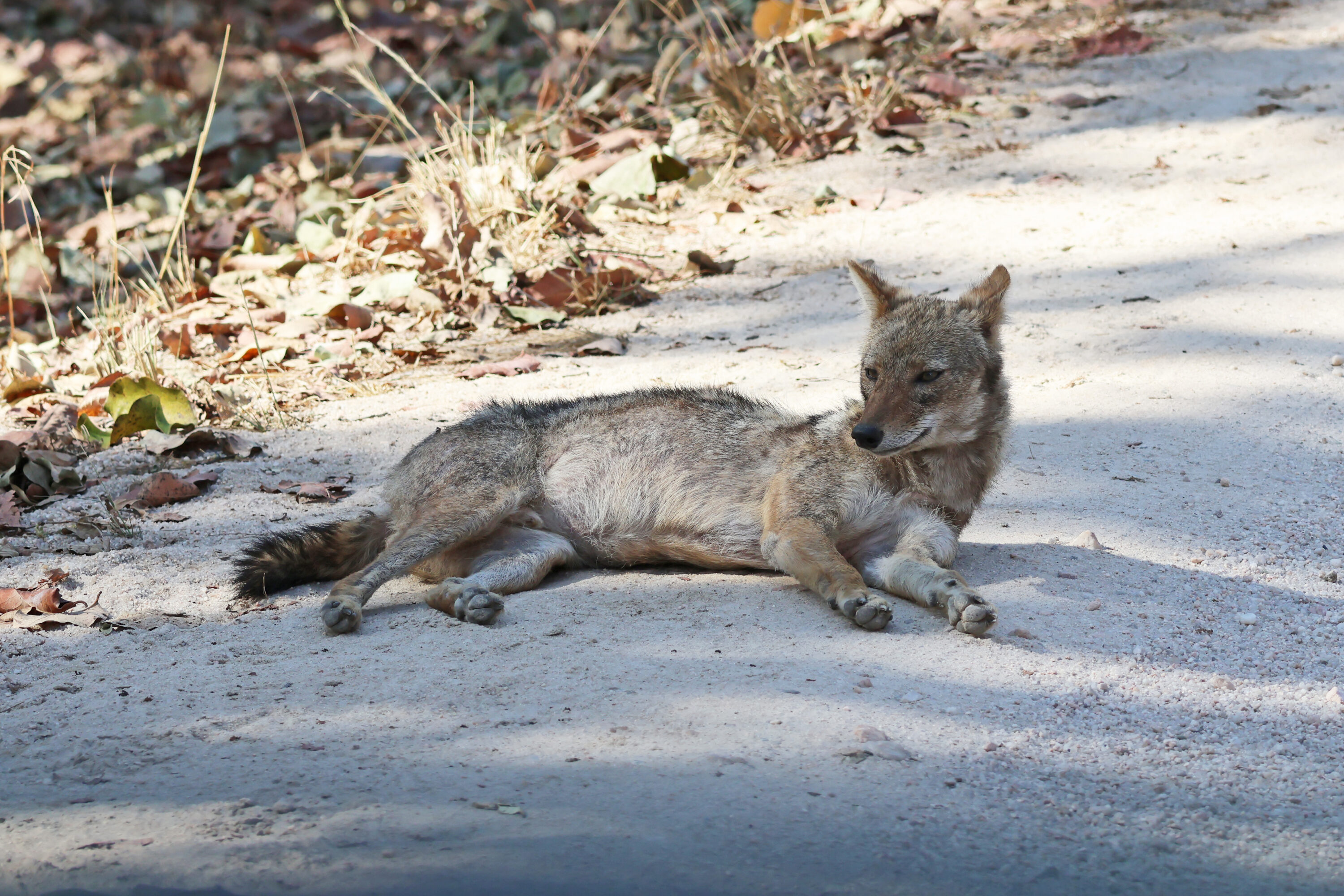
Golden Jackal Diet Was Dominated by Livestock Carrion, While Jungle Cats Focused on Small Mammals
Scat analysis in Madhya Pradesh found livestock carrion contributed about 80% of estimated prey biomass in golden jackals,…
Read story →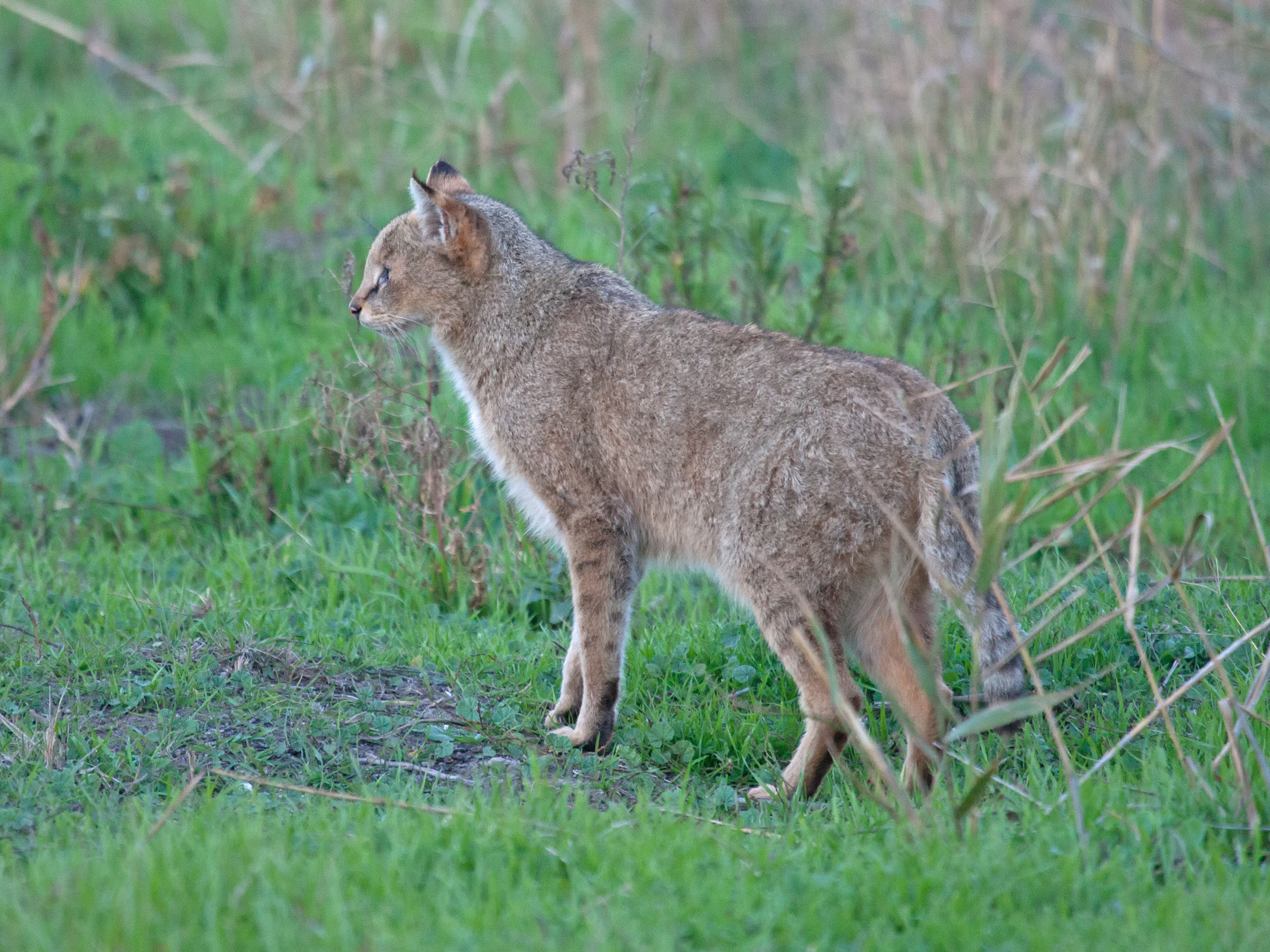
Only 1.5% of Modelled High Collision-risk Area for Jungle Cats in Northern Iran Overlapped Protected Areas
A MaxEnt model built from 30 confirmed jungle-cat road mortalities classified 13,878 km² of northern Iran as high…
Read story →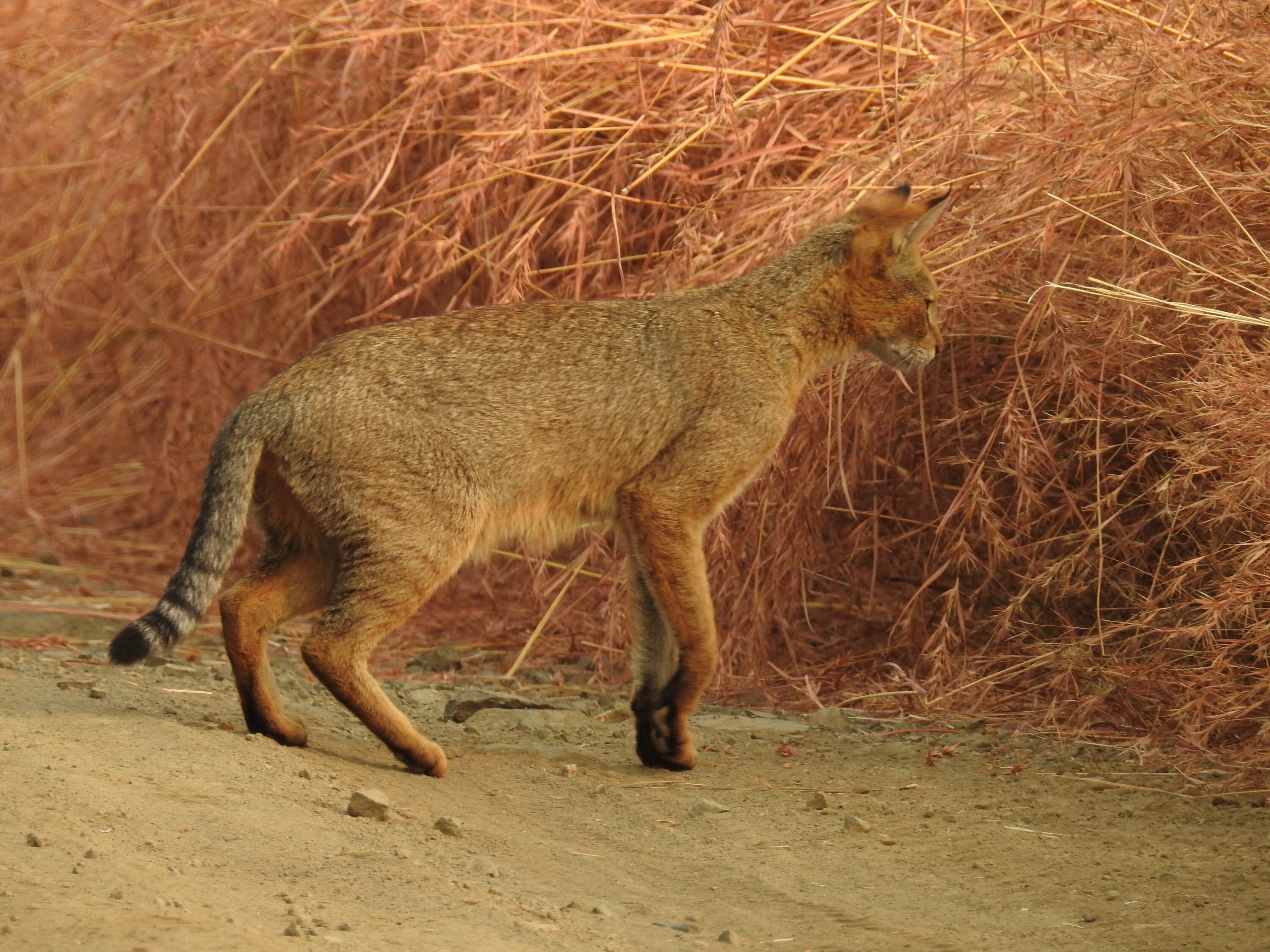
Endogenous Feline Leukemia Virus Entered the Jungle Cat Genome Hundreds of Thousands of Years Ago
A 2026 genomic study dated integration of endogenous feline leukemia virus in the jungle cat lineage to roughly…
Read story →SPECIES IN THIS STORY
Species in this story
Independent research and conservation news archive
Did you find this information useful?
Wildlife Vagabond is independently built and maintained. Voluntary support helps cover source verification, hosting and continued work on research and conservation news.
Support Wildlife VagabondThe news archive will remain freely available.