
Adult Echinococcus equinus and E. felidis Confirmed in Wild Greater Kruger Lions
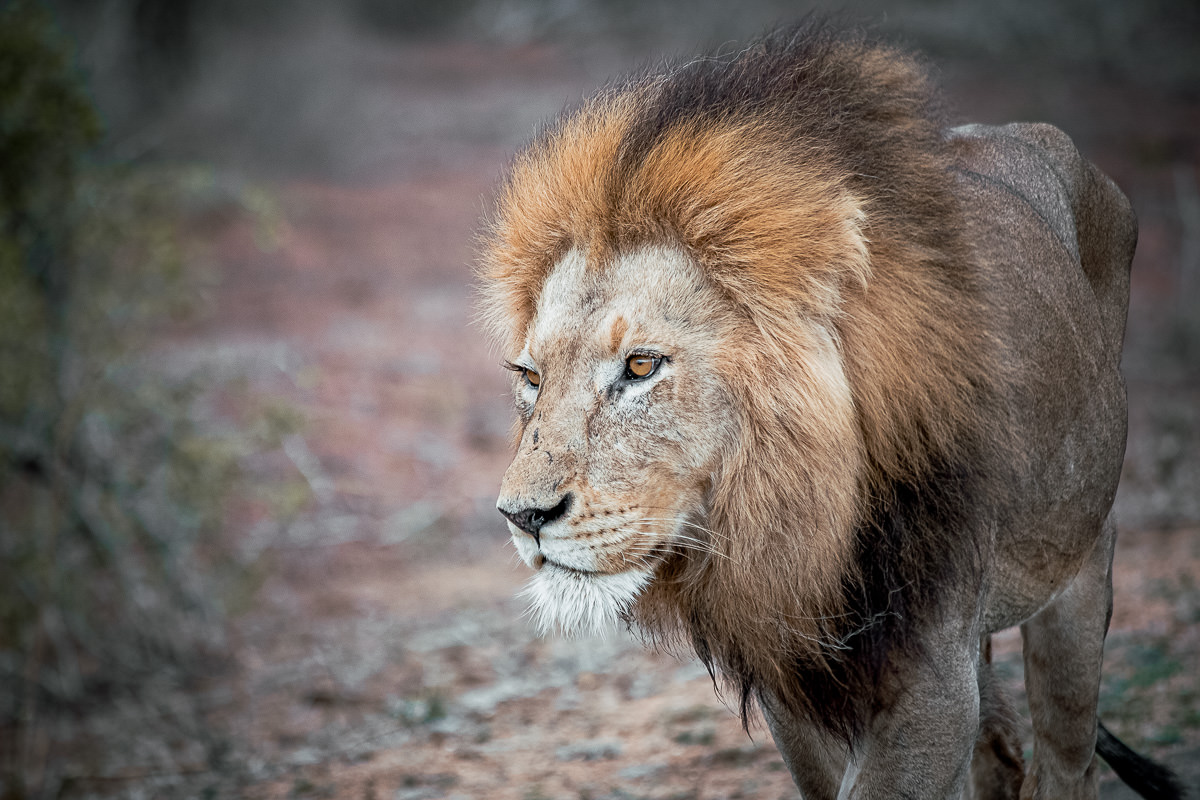
Adult Echinococcus tapeworms representing two species were confirmed in intestinal samples from wild lions (Panthera leo) in the Greater Kruger National Park, South Africa. PCR identified Echinococcus equinus in two lion samples and Echinococcus felidis in one, providing direct evidence that lions can act as definitive hosts for both parasites in this wildlife system.
The samples came from four lions examined after death in 2012. Two lionesses carried heavy burdens of at least 500 Echinococcus worms each, while an older male carried no more than about 20. The fourth intestinal sample was too decomposed for a reliable parasite assessment, so the study cannot be used to calculate parasite prevalence in the Kruger lion population.
Lions are the definitive host in the tapeworm life cycle
Echinococcus tapeworms alternate between definitive and intermediate hosts. Adult worms live and reproduce in the intestine of the definitive predator, which can shed parasite eggs into the environment. Intermediate hosts ingest the eggs, and larval stages develop in their tissues. The cycle is completed when a suitable predator consumes infected tissue.
E. equinus is particularly associated with equids such as horses, donkeys and zebras as intermediate hosts. E. felidis, historically called the “lion strain” within the wider E. granulosus complex, is associated with sylvatic — wildlife-based — cycles involving African lions and wild ungulates. Finding adult worms in lion intestines therefore identifies the lions as definitive hosts rather than simply animals exposed to parasite DNA.
DNA and adult-worm anatomy supported the species identifications
Genetic sequencing separated the worms into E. equinus and E. felidis. The researchers also examined 23 adult E. equinus worms using light and scanning electron microscopy and documented characteristic structures such as the scolex, suckers and two rows of rostellar hooks. The morphological observations were consistent with the molecular identification.
The study focused on parasite identity and transmission ecology rather than measuring clinical disease in the lions. Its importance lies in confirming which Echinococcus species can mature in wild lions in Greater Kruger and therefore participate in local wildlife transmission cycles.
The four historical samples cannot describe current prevalence
The material is both small and old: only four lion samples were available, one could not be assessed reliably, and all were collected in 2012. The results therefore do not show how common either parasite is among lions today.
Instead, the samples provide confirmed host and species records and a detailed description of adult E. equinus from lions. The authors emphasise that larger surveys are difficult because sampling free-ranging apex predators usually depends on rare post-mortem opportunities, but such work is needed to understand how lions, wild ungulates and other hosts maintain Echinococcus cycles in southern Africa.
Disease, parasites & microbiology
Related news

A Little-Known Microbial World Inside Lions’ Guts
Faecal samples from wild lions in Namibia gave researchers a much clearer picture of their gut bacteria. Microbial…
Read story →
Food Leaves Its Mark on the Gut Bacteria of Kruger’s Wildlife
Gut bacteria in nine mammal species from Kruger National Park followed clear patterns linked to food and digestion.…
Read story →
Spotted Hyenas Repeatedly Moved Away From Lions in Five-Minute GPS Data
High-frequency GPS data from Namibia and Botswana showed a robust retreat bias in spotted hyenas around lions, while…
Read story →SPECIES IN THIS STORY
Species in this story
Independent research and conservation news archive
Did you find this information useful?
Wildlife Vagabond is independently built and maintained. Voluntary support helps cover source verification, hosting and continued work on research and conservation news.
Support Wildlife VagabondThe news archive will remain freely available.