
A Little-Known Microbial World Inside Lions’ Guts
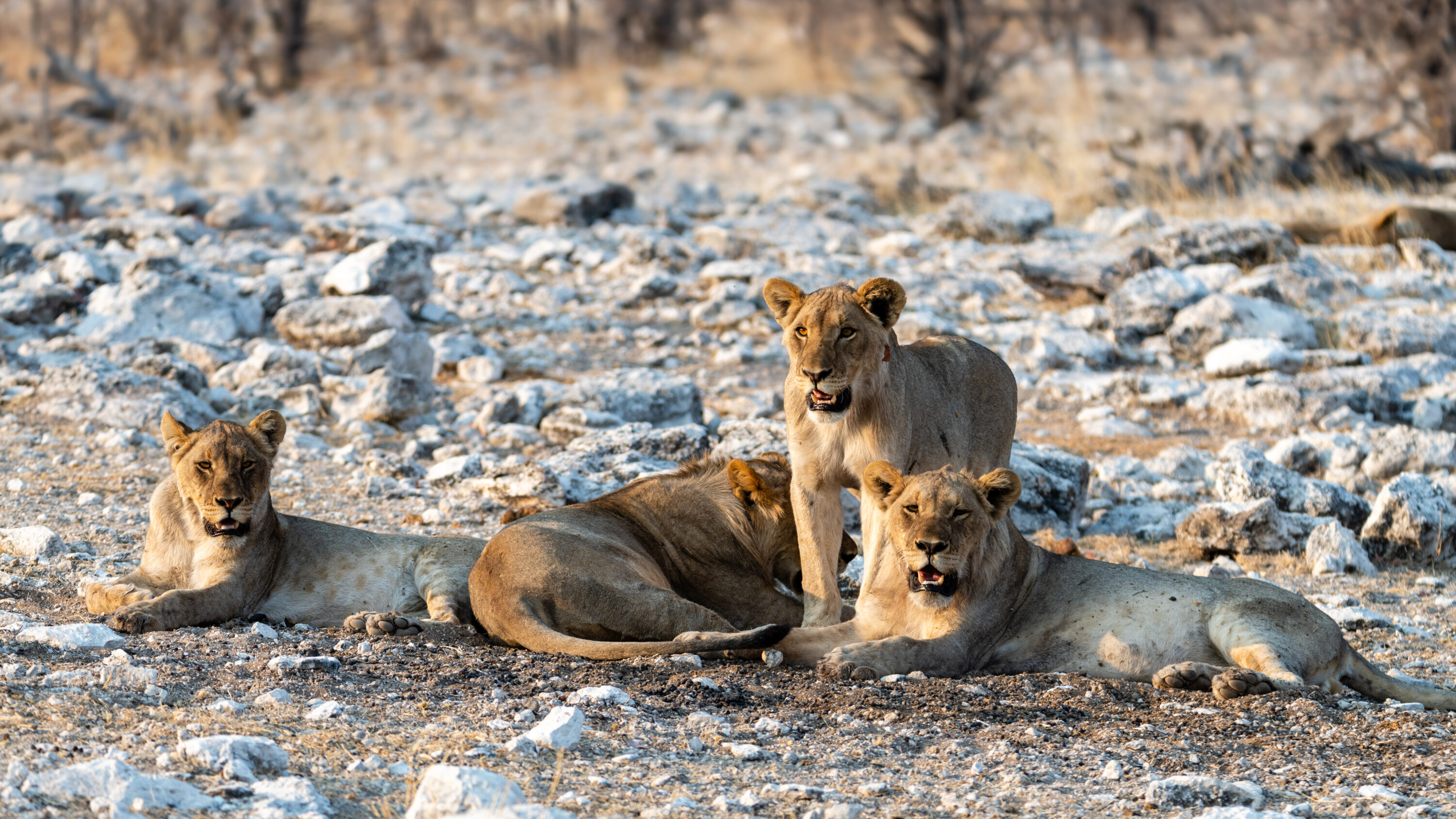
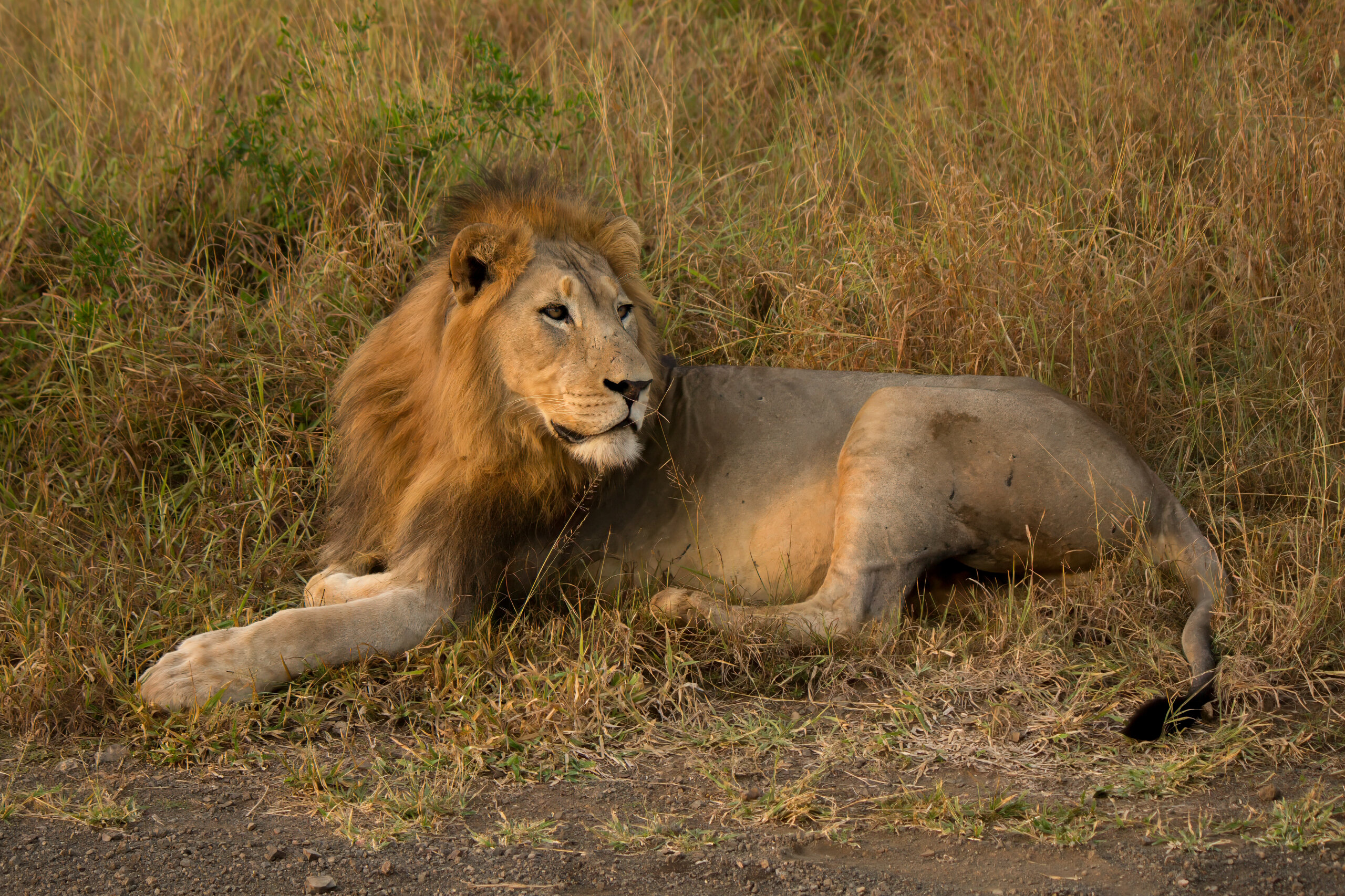
The lions (Panthera leo) of Namibia’s Etosha National Park carry a microbial world that is much less familiar to scientists than the lions themselves. A new DNA study has mapped bacteria in their gut microbiome, the community of microorganisms in the gut, finding evidence of several potentially undescribed species. It also offers clues to how these microbes may help process compounds in the lions’ meat-rich diet.
Researchers examined 23 fresh faecal samples from 20 lions belonging to 12 prides. Each sample contained a mixture of DNA from many microorganisms. By piecing the fragments together, the team reconstructed 318 bacterial genomes without first having to grow the bacteria in a laboratory. Such reconstructions are called metagenome-assembled genomes (MAGs).
Missing from the reference library
To identify the microbes, researchers compared their DNA with a database of known bacterial genomes. Such a reference library works well only when it includes the relevant organisms.
Before the newly reconstructed lion-gut genomes were added, 24.5% of the DNA fragments read by the researchers could not be classified. Afterwards, that fell to 4.5%. The existing database had been missing much of the information needed to describe the lions’ gut microbes properly.
The related bacterial genera Bacteroides and Phocaeicola were the most abundant, making up an average of 22.1% and 13.3% of the bacterial community, respectively. Individual lions differed, however, and other genera dominated in some animals. The team found no clear overall difference in the microbial community between males and females or between the two sampling periods.
Clues to processing a meat-rich diet
The genes also revealed something about the bacteria’s possible roles. Researchers were particularly interested in purines, including adenine and guanine, which are components of genetic material and occur in large amounts in meat-rich food.
The gut microbes carried genes for almost the entire sequence of reactions that breaks these compounds down towards urea. One step in the breakdown of uric acid was missing. The genes therefore point to a possible role in processing dietary compounds, although the study did not measure the reactions themselves inside the lions’ guts.
The survey provides a stronger starting point for investigating links between gut microbes, diet and health in wild lions. Before such links can support monitoring and conservation, researchers need to know which microbes normally live there.
Genetics & genomics
Related news
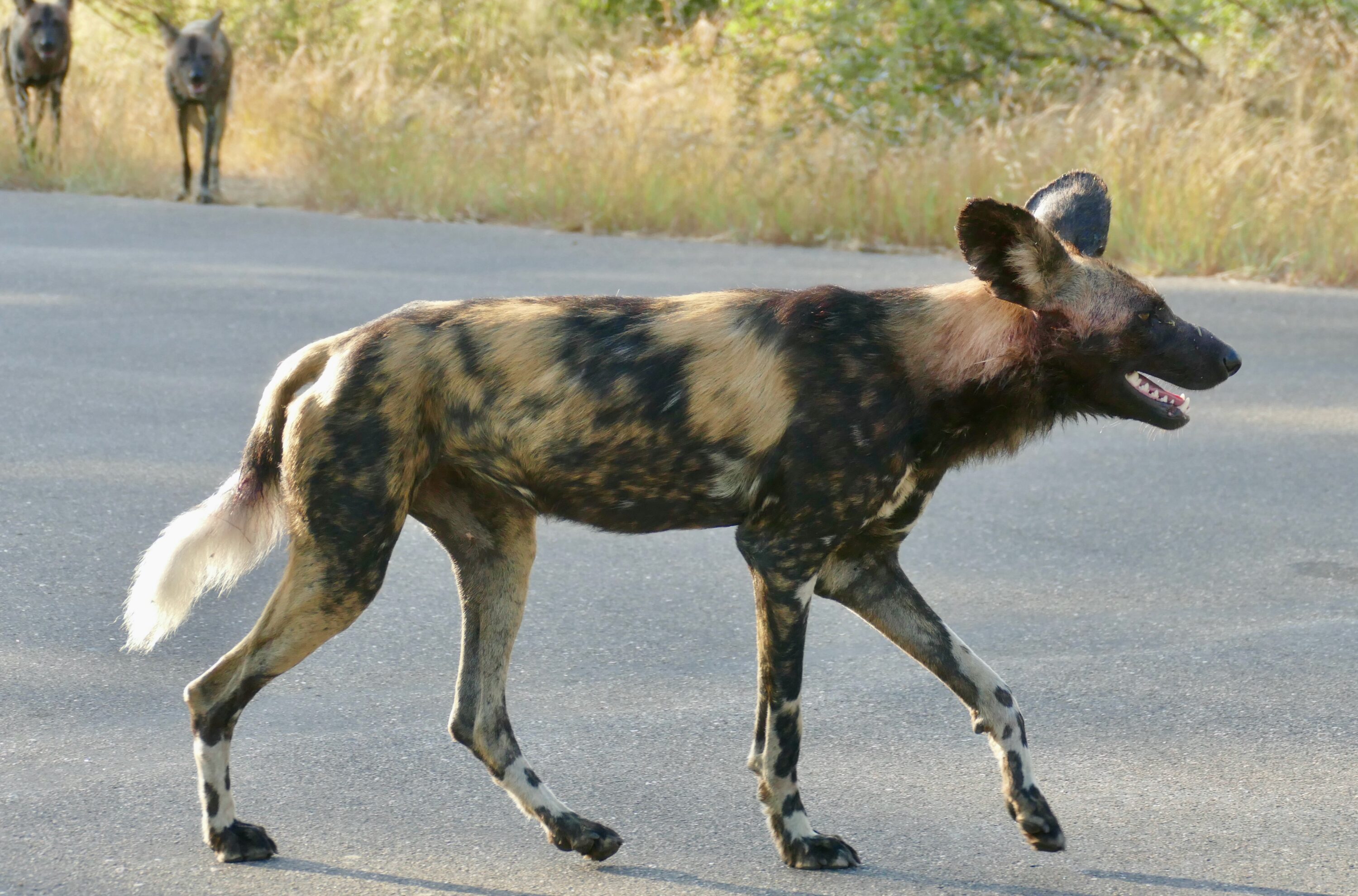
Food Leaves Its Mark on the Gut Bacteria of Kruger’s Wildlife
Gut bacteria in nine mammal species from Kruger National Park followed clear patterns linked to food and digestion.…
Read story →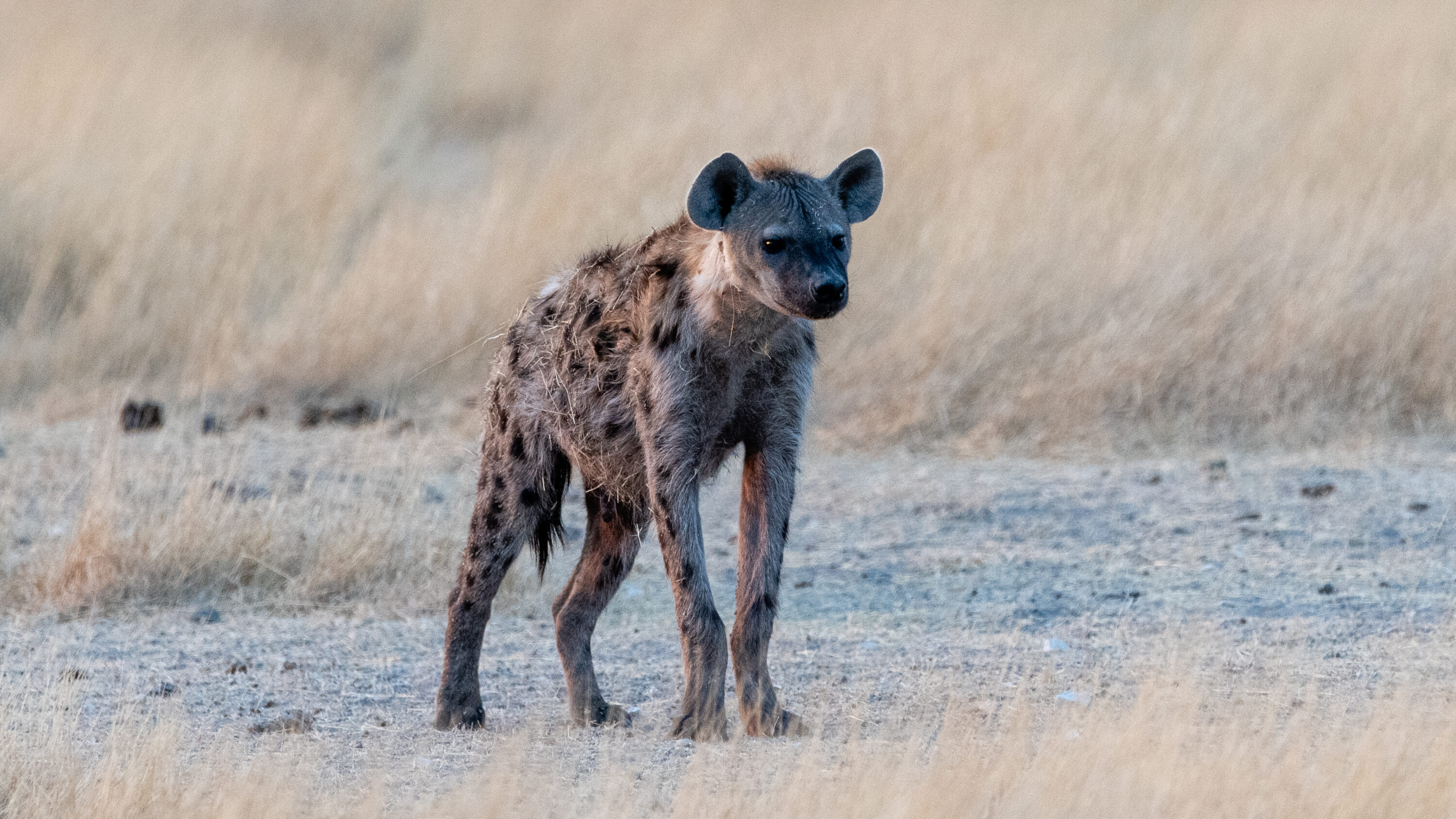
Spotted Hyenas Repeatedly Moved Away From Lions in Five-Minute GPS Data
High-frequency GPS data from Namibia and Botswana showed a robust retreat bias in spotted hyenas around lions, while…
Read story →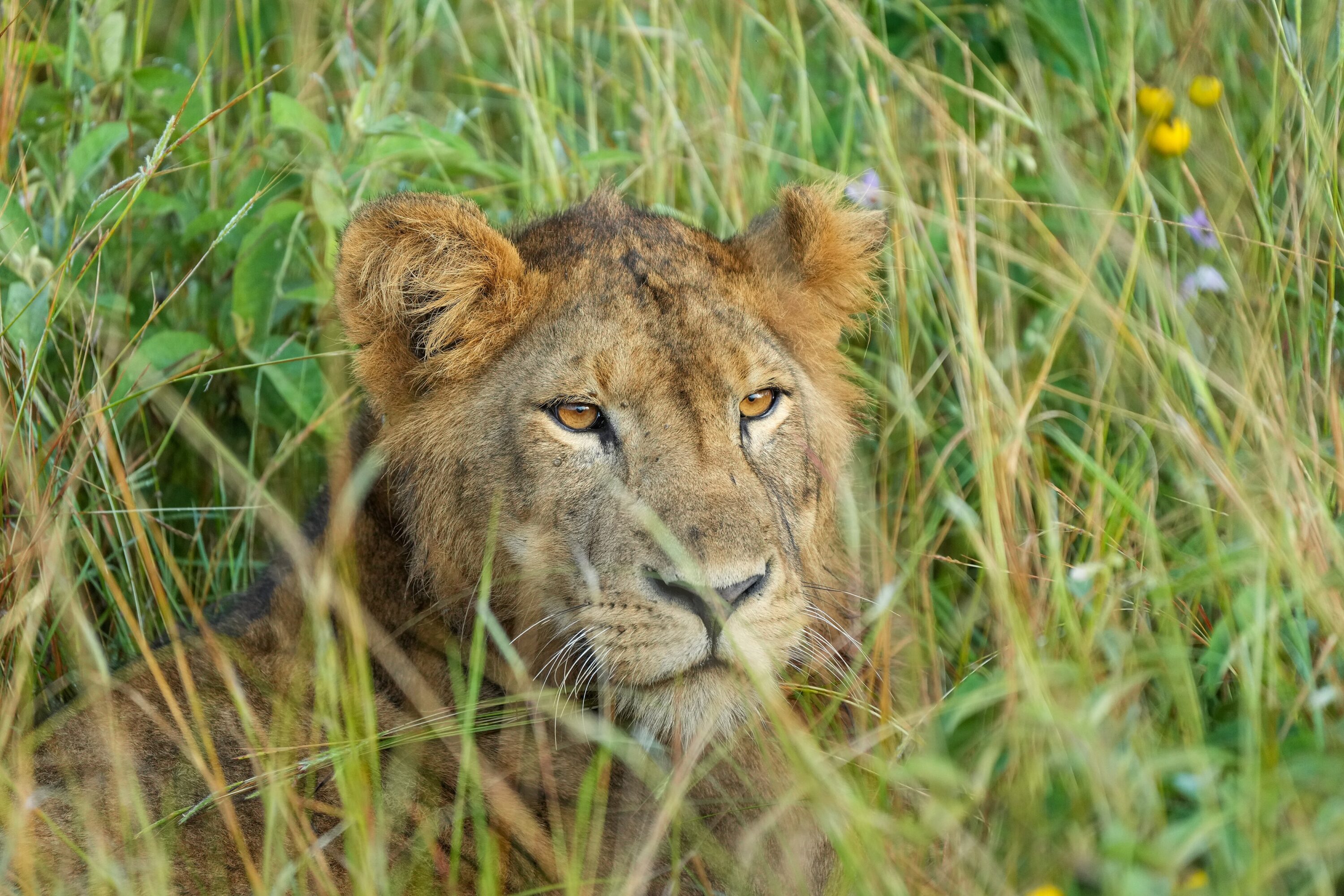
Livestock conflict with large carnivores is widespread across Queen Elizabeth National Park
Researchers documented 139 confirmed livestock-depredation events involving lions, leopards and spotted hyenas across 11 communities in Queen Elizabeth…
Read story →SPECIES IN THIS STORY
Species in this story
Independent research and conservation news archive
Did you find this information useful?
Wildlife Vagabond is independently built and maintained. Voluntary support helps cover source verification, hosting and continued work on research and conservation news.
Support Wildlife VagabondThe news archive will remain freely available.