
Kuwait Record Was the First Lesser Striped Swallow in the Western Palearctic
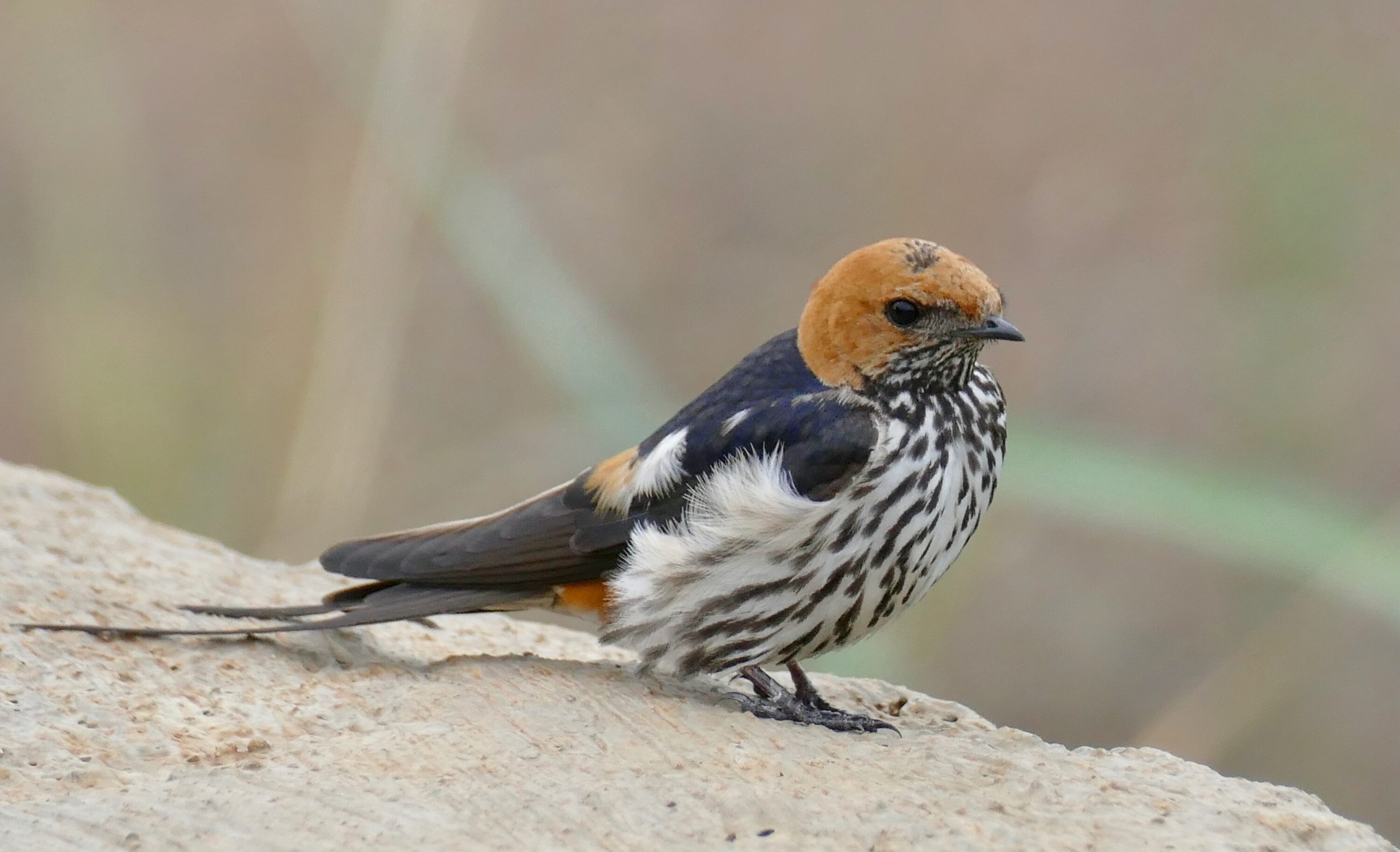
A lesser striped swallow (Cecropis abyssinica) photographed at Al-Abraq in western Kuwait has been documented as the first record of the species for Kuwait and the Western Palearctic in the standard Birds of the Western Palearctic definition. The identification account appeared in Dutch Birding 48(2) in 2026.
The bird was discovered on 18 May 2025 at a pond at Al-Abraq Farm, an oasis close to the Iraqi border. It was first noticed as an unusual red-rumped swallow, but photographs quickly revealed a combination of characters that did not fit the red-rumped swallows normally considered in the region.
Plumage established the identification
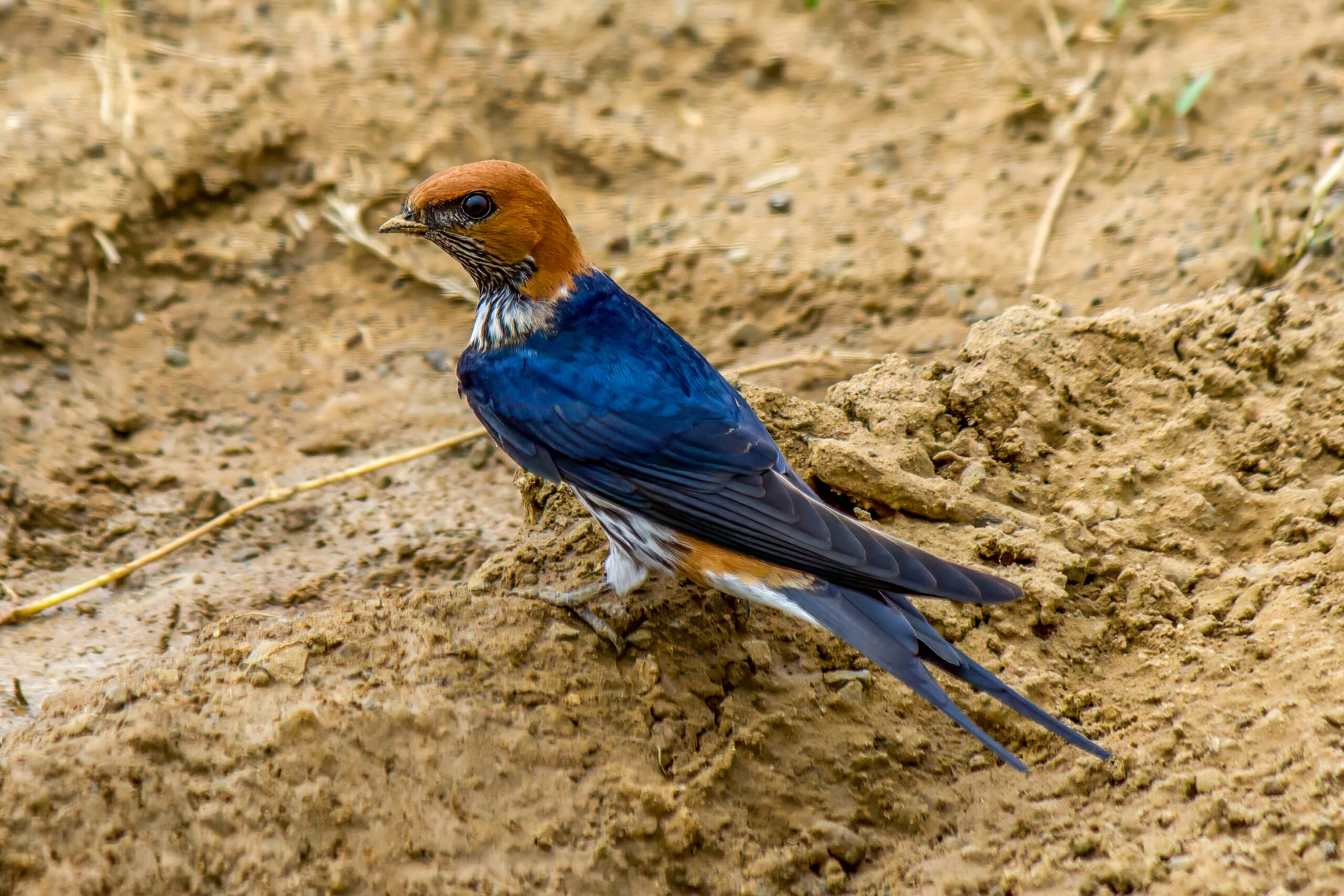
The authors identified the bird from its completely orange-red head and ear-coverts, heavily streaked underparts, orange-red rump, pale buff underwing-coverts and conspicuous white markings in the tail. These features distinguished it from greater striped swallow (Cecropis cucullata), streak-throated swallow (Petrochelidon fluvicola) and the red-rumped swallows Cecropis daurica and Cecropis rufula.
Age and subspecies remained uncertain
Photographs showed that the bird was immature. The plumage fitted a young lesser striped swallow, although the authors could not determine its exact age with certainty. They considered the possibility of a first-calendar-year bird but noted that its apparent moult could also fit a second-calendar-year individual. Because information on identifying the subspecies of immature birds is lacking, they tentatively regarded it as the nominate Cecropis abyssinica abyssinica on geographical grounds; this is the population occurring closest to Kuwait in northeastern Africa.
Why Kuwait counts as the Western Palearctic first
The record extended the documented vagrancy of the species well beyond its normal sub-Saharan African range. A juvenile had previously been recorded at Masirah in Oman on 4 December 1986. Bird records use more than one geographical definition of the Western Palearctic: Oman is included in the broader concept sometimes called the greater Western Palearctic, but lies outside the standard boundary used in Birds of the Western Palearctic (BWP). The Kuwait bird was therefore the second record under the broader definition but the first within the standard BWP boundary.
The lesser striped swallow was present for at least the rest of the discovery day and was seen by several local birders. Around the same pool were roughly 30 sand martins and barn swallows as well as many other migrants. The authors note that three days of strong northwesterly winds and sandstorms had preceded the observation and suggest that the swallow may have arrived with other migrants that were concentrated at the oasis by adverse winds.
Across Africa, lesser striped swallows are mainly resident or make local and seasonal movements, while southern populations migrate north after breeding.
Ecology
Related news

Inland Mute Swans Had Higher Winter Body Condition Despite Harsher Winters and Supplemental Feeding
A study of 853 mute swans from four Polish wintering regions found higher body condition inland than on…
Read story →
Gut Microbiomes Across Nine Kruger Mammals Clustered More Strongly by Dietary Group Than Species
A study of 89 quality-filtered faecal samples from nine wild mammals in Kruger National Park found that carnivores,…
Read story →
Dunnock Spring Passage Advanced by Up to 8.3 Days Over 61 Years at Hel
Standardised ringing data from northern Poland showed that the first, median and last phases of dunnock spring passage…
Read story →SPECIES IN THIS STORY
Species in this story
Independent research and conservation news archive
Did you find this information useful?
Wildlife Vagabond is independently built and maintained. Voluntary support helps cover source verification, hosting and continued work on research and conservation news.
Support Wildlife VagabondThe news archive will remain freely available.