
Litter Was Widespread in Melbourne’s Artificial Wetlands, but Bird Communities Showed Little Association with Litter Levels
Artificial wetlands in cities can provide habitat for birds while also serving practical purposes such as treating stormwater and wastewater. In the austral summer of 2024–2025, researchers surveyed birds, vegetation and larger litter items at 27 artificial wetlands in Greater Melbourne.
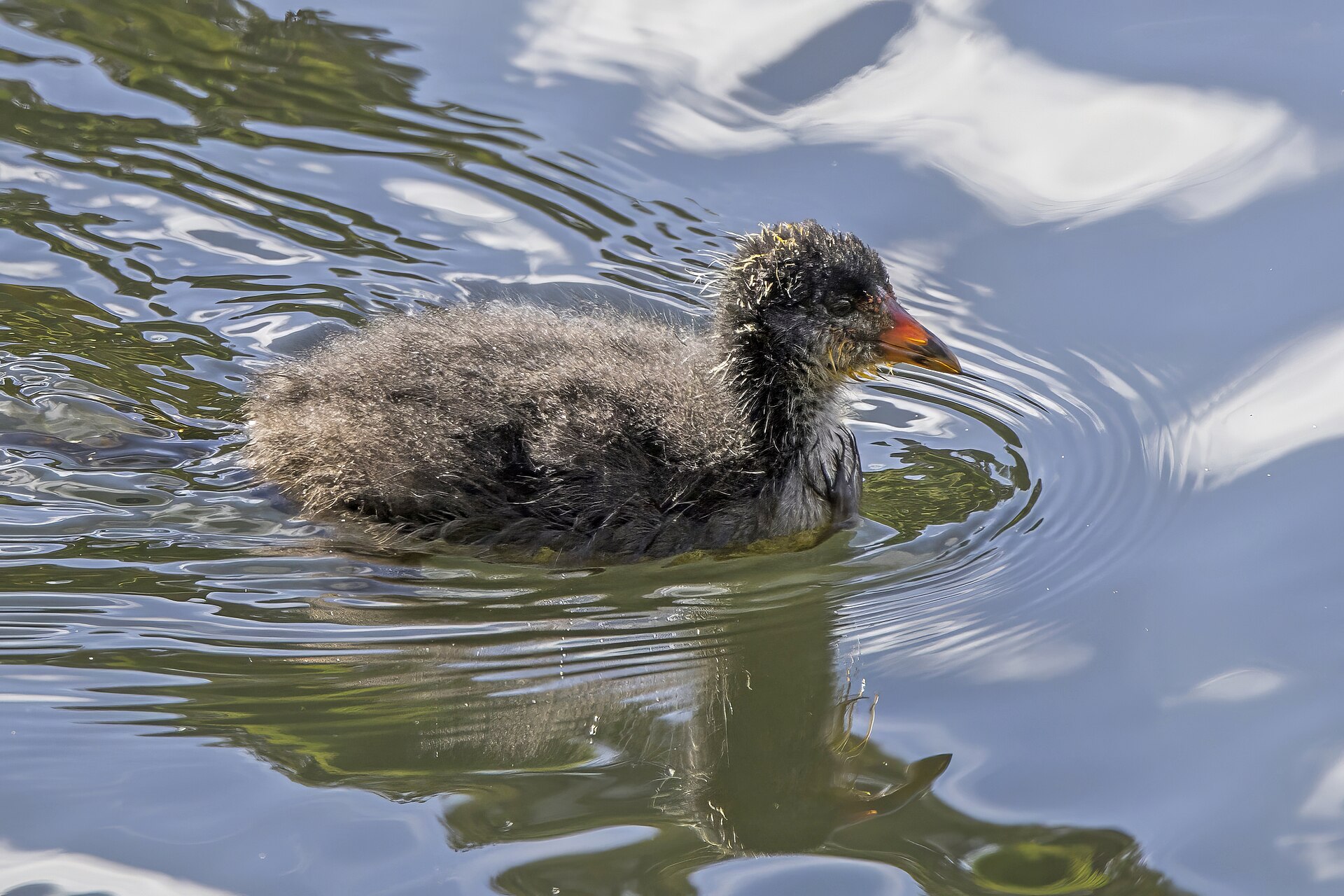
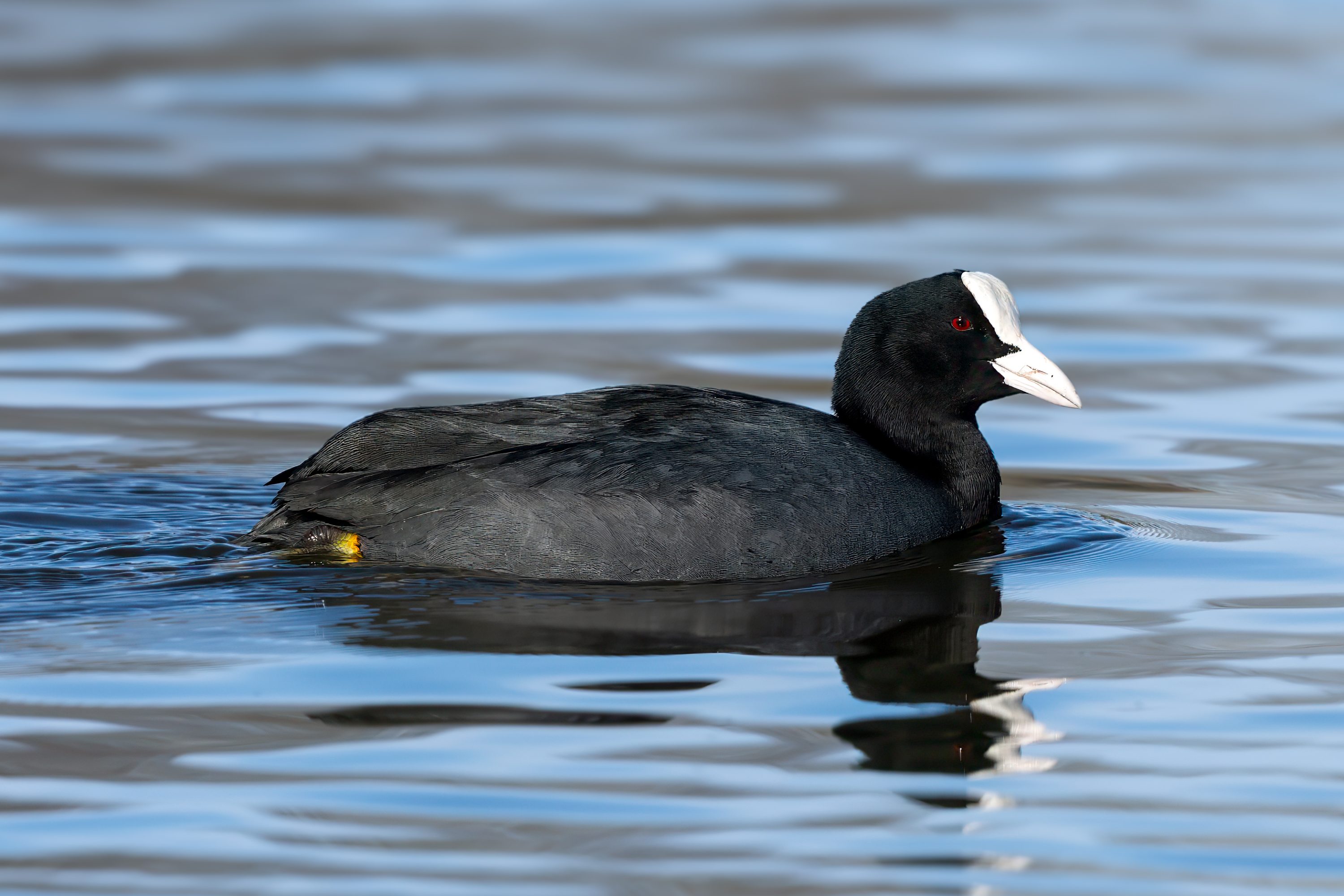
Litter was present at every site. Food-related plastic packaging was the most common type, and litter-index ratings were generally poor. Yet litter levels showed little association with differences in bird communities overall. The species-level results were not all alike: among the 22 species examined, the Eurasian Coot (Fulica atra) showed the strongest negative association with increasing litter density.
The findings show that widespread litter and a weak overall community-level association can occur together, even as an individual species shows a stronger negative relationship. Because the researchers surveyed sites rather than experimentally changing litter levels, the study cannot establish that litter caused changes in coot occurrence.
Why the species-level result matters
Looking at a whole bird community can conceal differences between individual species. A weak association with the overall community does not mean that every species responds in the same way, nor does it demonstrate that rubbish is harmless. In this survey, the Eurasian Coot stood out from the other species examined, but the results alone do not explain why its occurrence differed across sites.
The findings also concern visible, larger litter items in these particular wetlands during one summer. They do not measure every possible effect of pollution on birds, and they should not be treated as a test of whether removing litter improves breeding success or survival. The study instead provides a starting point for asking which aspects of urban wetland management matter most to different birds.
Ecology
Related news
Wintering waterbirds increased in Italy’s Caorle Lagoon, but the community changed
Across 29 winter counts from 1993 to 2022, waterbird numbers more than doubled in the Caorle Lagoon. Ducks,…
Read story →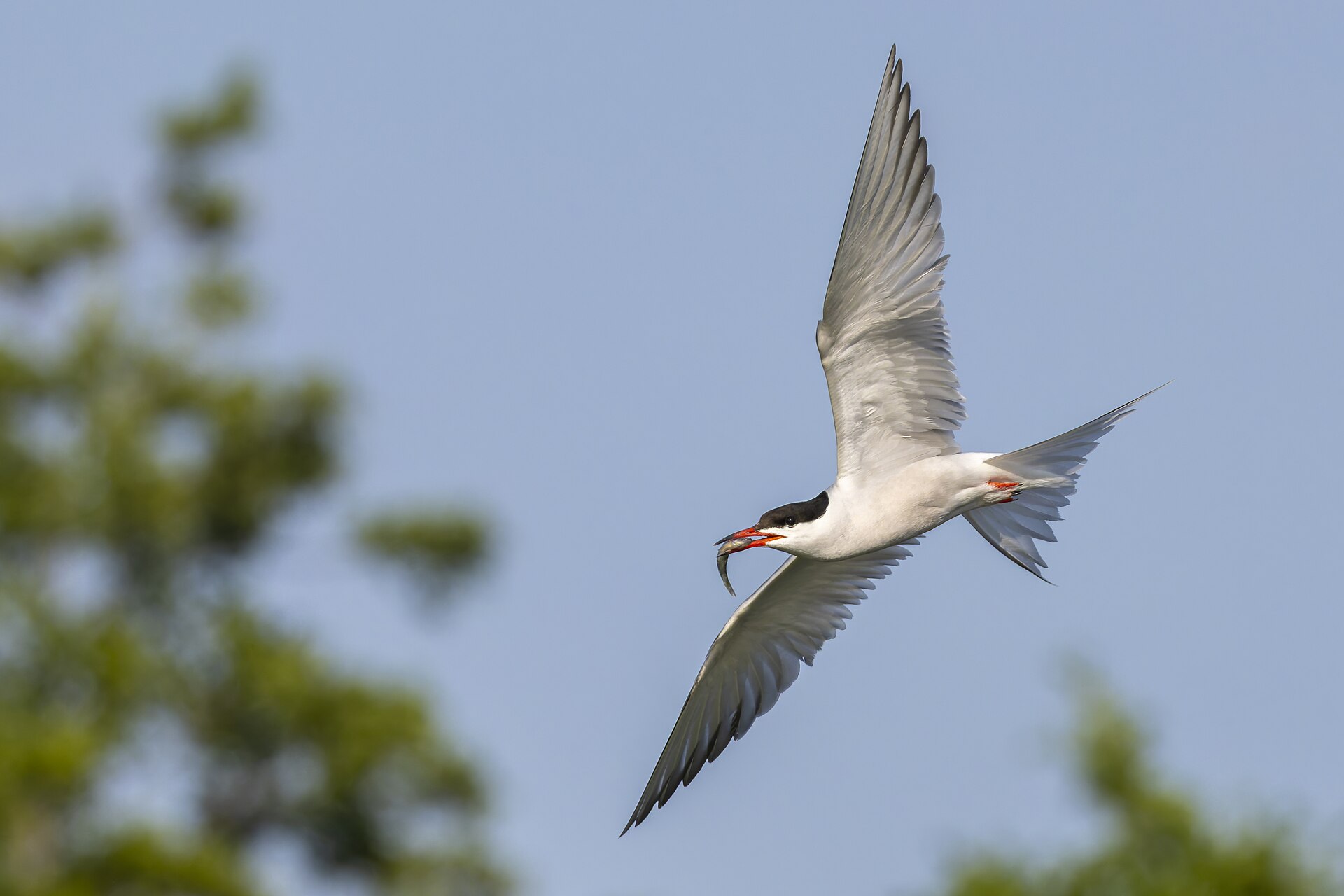
Lead and cadmium levels differed among eggshells of three waterbird species in Iran
At Gandoman Wetland, Common Tern eggshells had the highest mean concentrations of both lead and cadmium. The authors…
Read story →
Bird Droppings Contained Both Plant Nutrients and Resistance Genes
Droppings from wintering waterbirds at Caohai in China contained phosphorus that can readily become available to algae. Researchers…
Read story →SPECIES IN THIS STORY
Species in this story
Independent research and conservation news archive
Did you find this information useful?
Wildlife Vagabond is independently built and maintained. Voluntary support helps cover source verification, hosting and continued work on research and conservation news.
Support Wildlife VagabondThe news archive will remain freely available.