
Little egrets had larger clutches and higher fledging success at Lake Fetzara
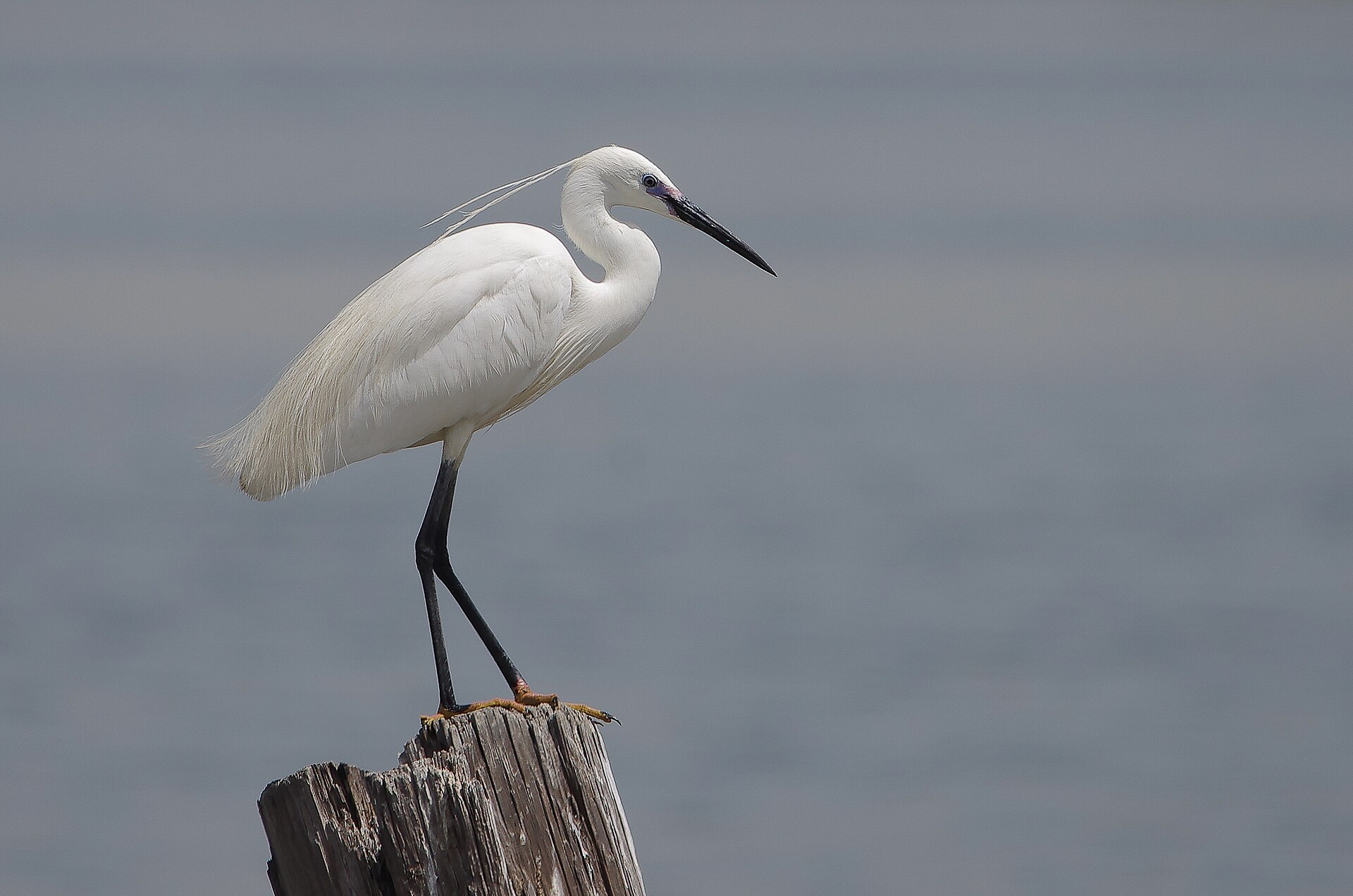
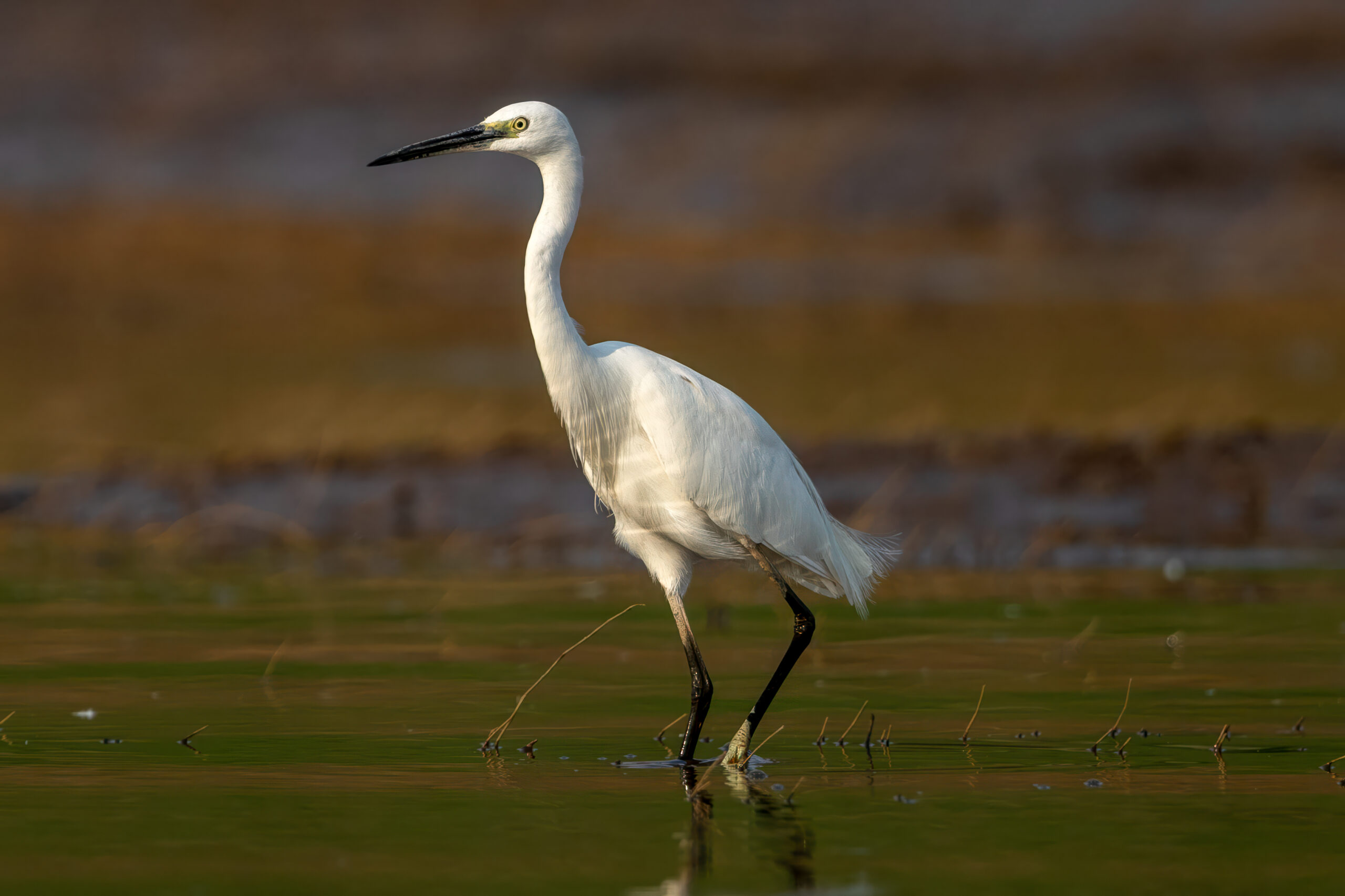
How did breeding success vary among colonies of the Little Egret (Egretta garzetta) and across the breeding season? Researchers followed several colonies in the Numidia region of north-eastern Algeria from 2003 to 2007. They recorded nest characteristics, clutch size, hatching and fledging—the stage when young birds leave the nest—and examined how these measures related to vegetation, breeding timing and environmental disturbances.
Egg-laying ran from 24 April to 19 July and peaked around 22 May, although timing varied among colonies. Clutches averaged 4.5 eggs, and 77.9% of eggs hatched. Successful nests fledged an average of 3.4 chicks.
Lake Fetzara colonies had larger clutches
Clutch size—the number of eggs in a nest—varied among sites, with the largest clutches at Lake Fetzara. Across nests, a larger clutch was associated with a higher proportion of eggs hatching. The authors suggest that differences in habitat quality may help explain the variation in clutch size among sites. In their interpretation, habitat quality was linked to breeding success mainly through its positive relationship with the number of eggs laid.
Site and timing were linked to fledging success
Fledging success was higher at Lake Fetzara than at the other sites. It was also modestly, but significantly, higher among pairs that nested later rather than earlier.
Researchers also observed interspecific displacement and brood parasitism—when one species lays eggs in another’s nest. These interactions may also affect breeding outcomes, but their effects could not be quantified.
Ecology
Related news
Common Sandpiper counts fell from 94 to six at a rehabilitated mangrove in Indonesia
Surveys at Mangrove Park Lampulo in Banda Aceh recorded 24 bird species from January to March 2026. Common…
Read story →
Waterbird Nest Counts Nearly Halved at an Indian Wetland, but Bird Numbers Showed No Clear Decline
At Vettangudi Bird Sanctuary in India, recorded waterbird nests fell from 396 to 190 across eight sampled breeding…
Read story →
Little Egrets Bred in North-East Scotland for the First Time
Four little egret chicks fledged at Forvie National Nature Reserve in 2026, providing the first confirmed breeding record…
Read story →SPECIES IN THIS STORY
Species in this story
Independent research and conservation news archive
Did you find this information useful?
Wildlife Vagabond is independently built and maintained. Voluntary support helps cover source verification, hosting and continued work on research and conservation news.
Support Wildlife VagabondThe news archive will remain freely available.