
Long-term Pair Bonds Were Linked to More Clutches and Hatchlings per Season in Red-wattled Lapwings
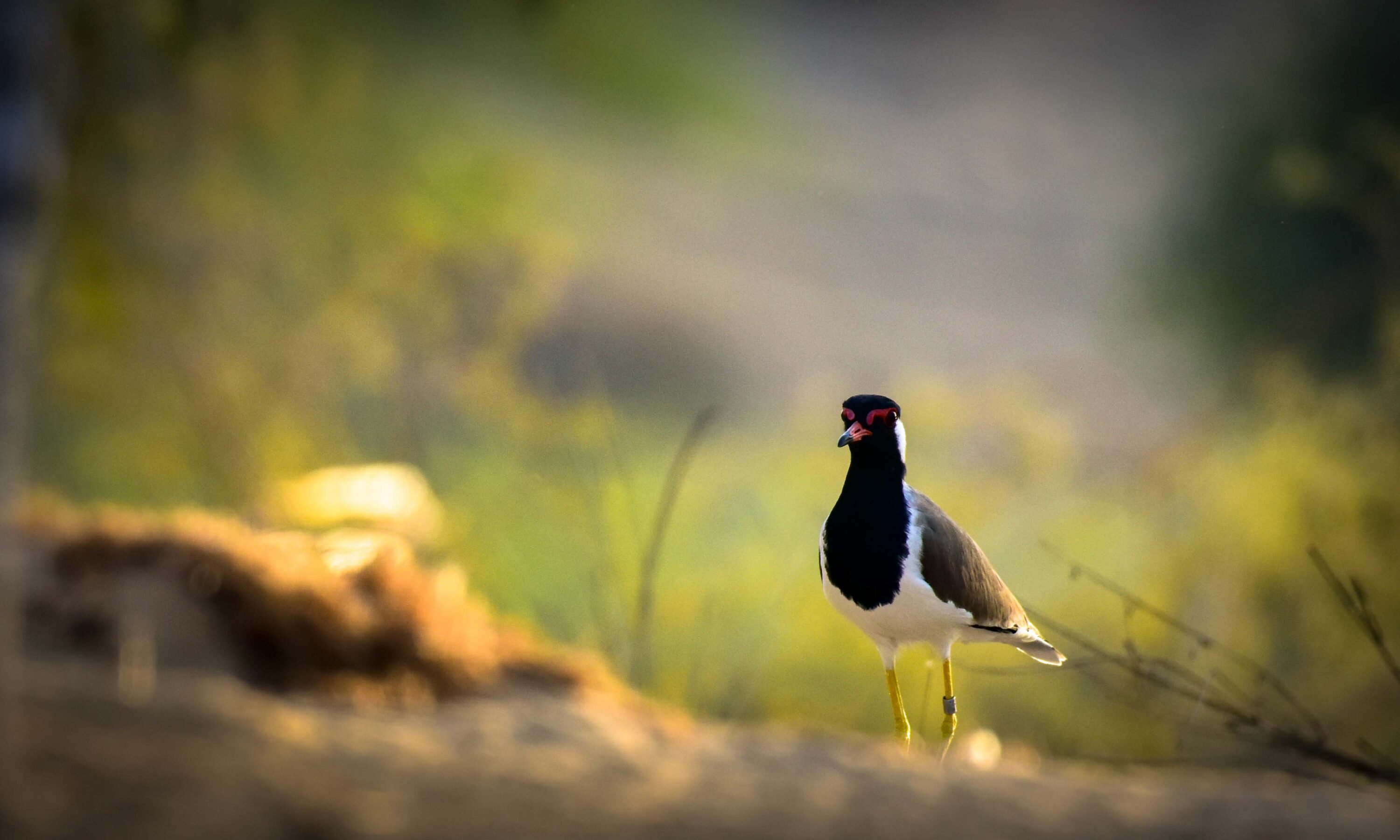
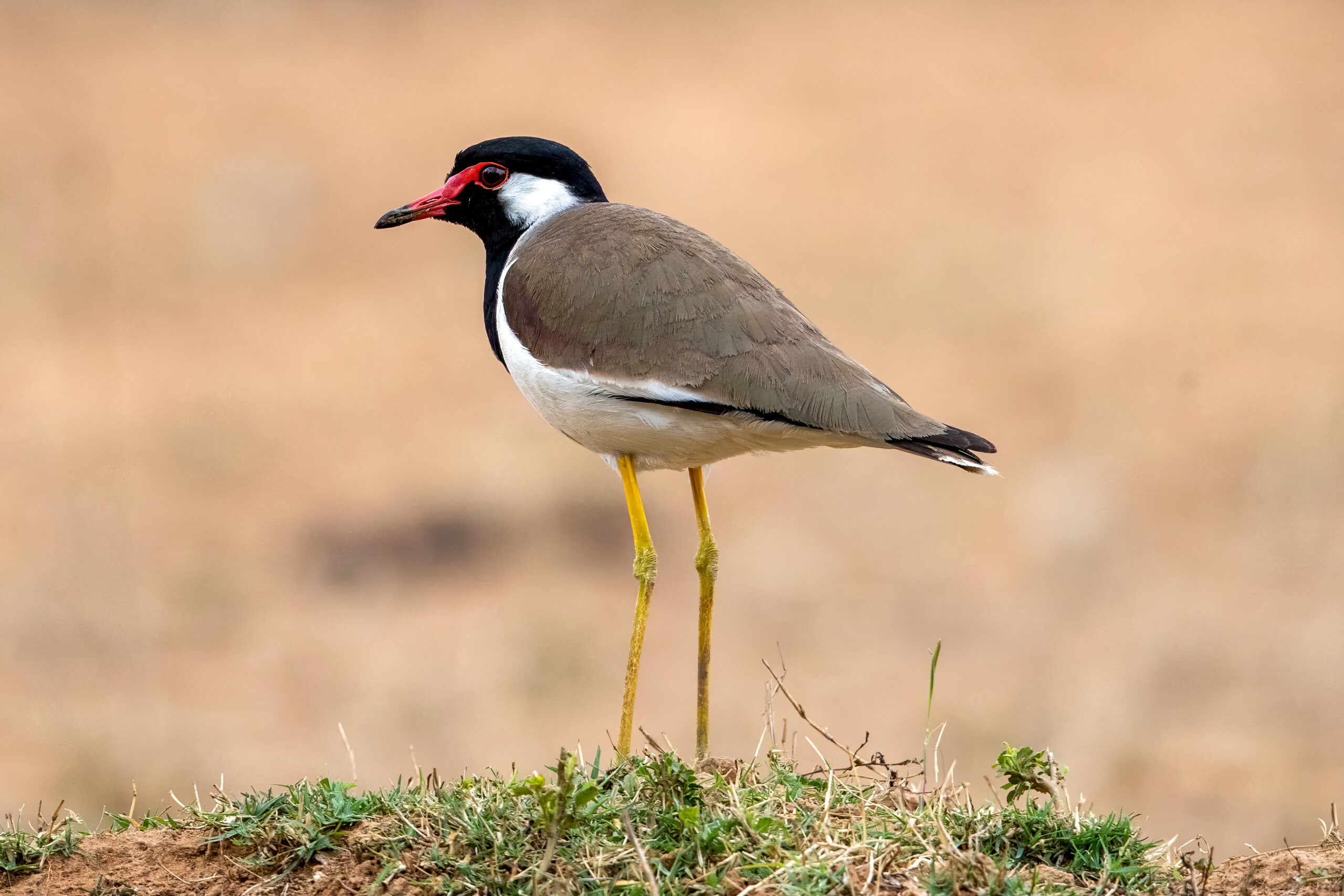
Red-wattled lapwings (Vanellus indicus) that retained the same partner for several years produced more clutches and hatchlings over an entire breeding season, according to a six-year study at Al Marmoom Desert Conservation Reserve in Dubai. The advantage did not appear as better performance in each individual nesting attempt; it emerged through repeated reproduction across the long subtropical breeding season.
The study followed marked birds from 2018 to 2023 and recorded 834 breeding events. Because individuals were marked, the researchers could identify whether the same male and female bred together again within a season or in later years.
Pair fidelity was high, especially within seasons
Of 194 consecutive nesting attempts within the same breeding season, 190 — 97.9% — involved the same pair. Between breeding seasons, 97 of 134 assessed partnerships, or 72.4%, remained intact.
Divorce was uncommon. Most pair dissolutions between years occurred because one partner disappeared, and failure of the previous nest did not clearly increase the probability of re-pairing. Partner change therefore did not appear to be mainly a response to a poor previous nesting attempt.
Stable pairs did not perform better at individual nests
Faithful and newly formed pairs did not differ clearly in when they laid the first clutch, egg size, clutch size, daily clutch survival or chick survival. In other words, keeping the same partner did not make one particular nest obviously more successful.
The difference appeared when reproduction was added up across the full season. Pairs in the first year of a new partnership produced a median of one clutch, whereas pairs that had remained together for two or more years typically produced two. Newly paired birds produced a median of four hatchlings per season, compared with six to seven in longer-established pairs.
Long pair bonds were associated with repeated breeding
Pair duration was positively associated with both the number of clutches initiated and the number of hatchlings produced per season. This matters in Dubai because the breeding season extends from late January to August, long enough for repeated attempts after both successful and failed nests.
Some pairs also double-brooded, meaning they started a new clutch before chicks from the previous brood had fledged. Double-brooding increased seasonal egg production, but longer pair duration did not clearly make a pair more likely to use this strategy. The broader association therefore reflects repeated breeding across the season rather than double-brooding alone.
Pair experience and individual experience could not be separated
A major limitation is that pair duration increased together with the female’s breeding experience. Birds that had stayed together longer were also generally more experienced individuals. The study therefore cannot determine whether the higher seasonal output resulted from improved coordination between long-term partners, accumulated individual experience, or both.
The results show why partner fidelity can matter differently in a long breeding season than in systems where birds usually have only one nesting attempt. In this population, stable pair bonds were associated with sustained reproduction across successive attempts rather than a measurable advantage at any single nest.
Reproduction & development
Related news
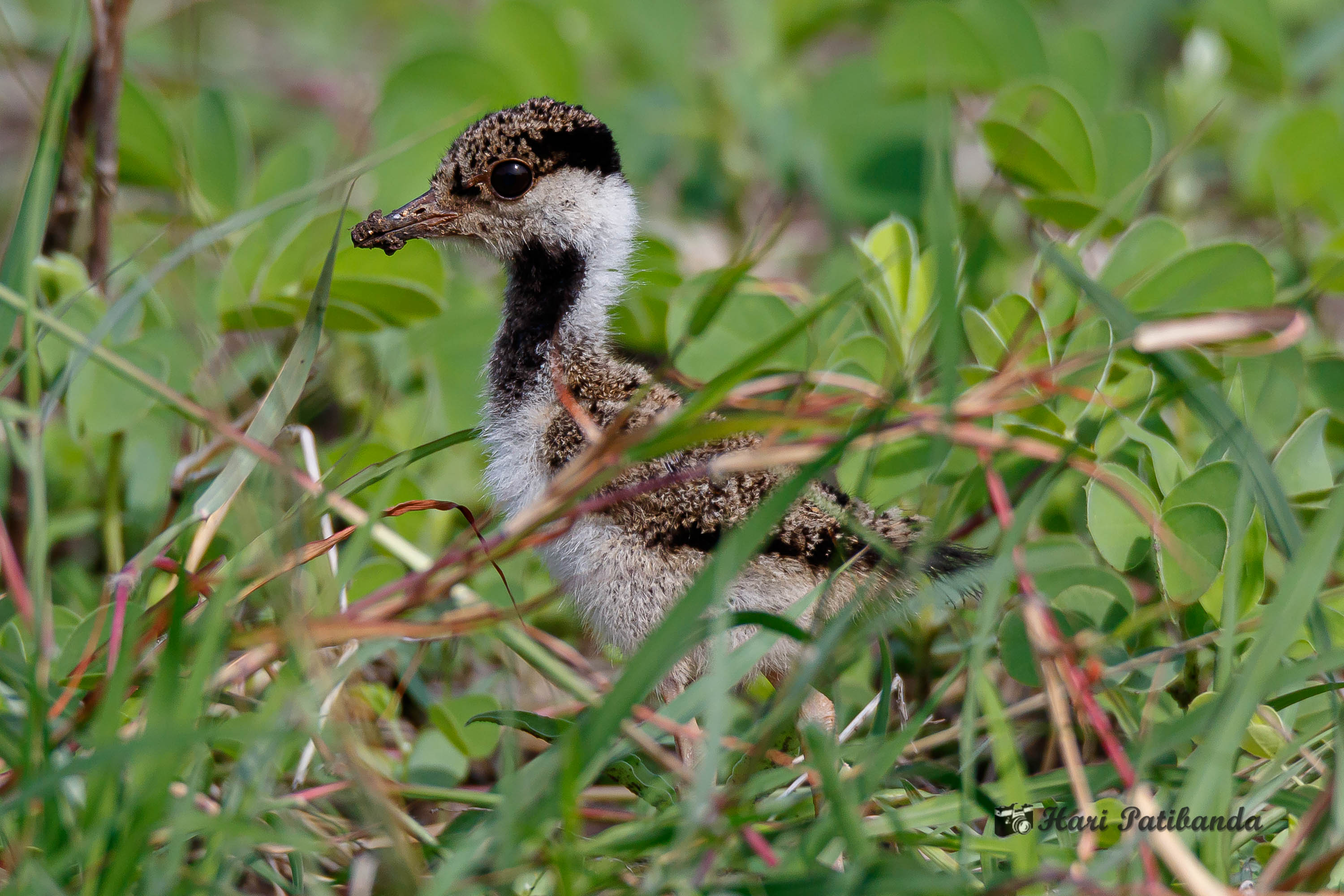
Downy Chick and Juvenile on Bintan Provided Indonesia’s First Confirmed Red-wattled Lapwing Breeding Record
A downy chick on 18 January and a juvenile on 21 February 2026 provided Indonesia's first confirmed Red-wattled…
Read story →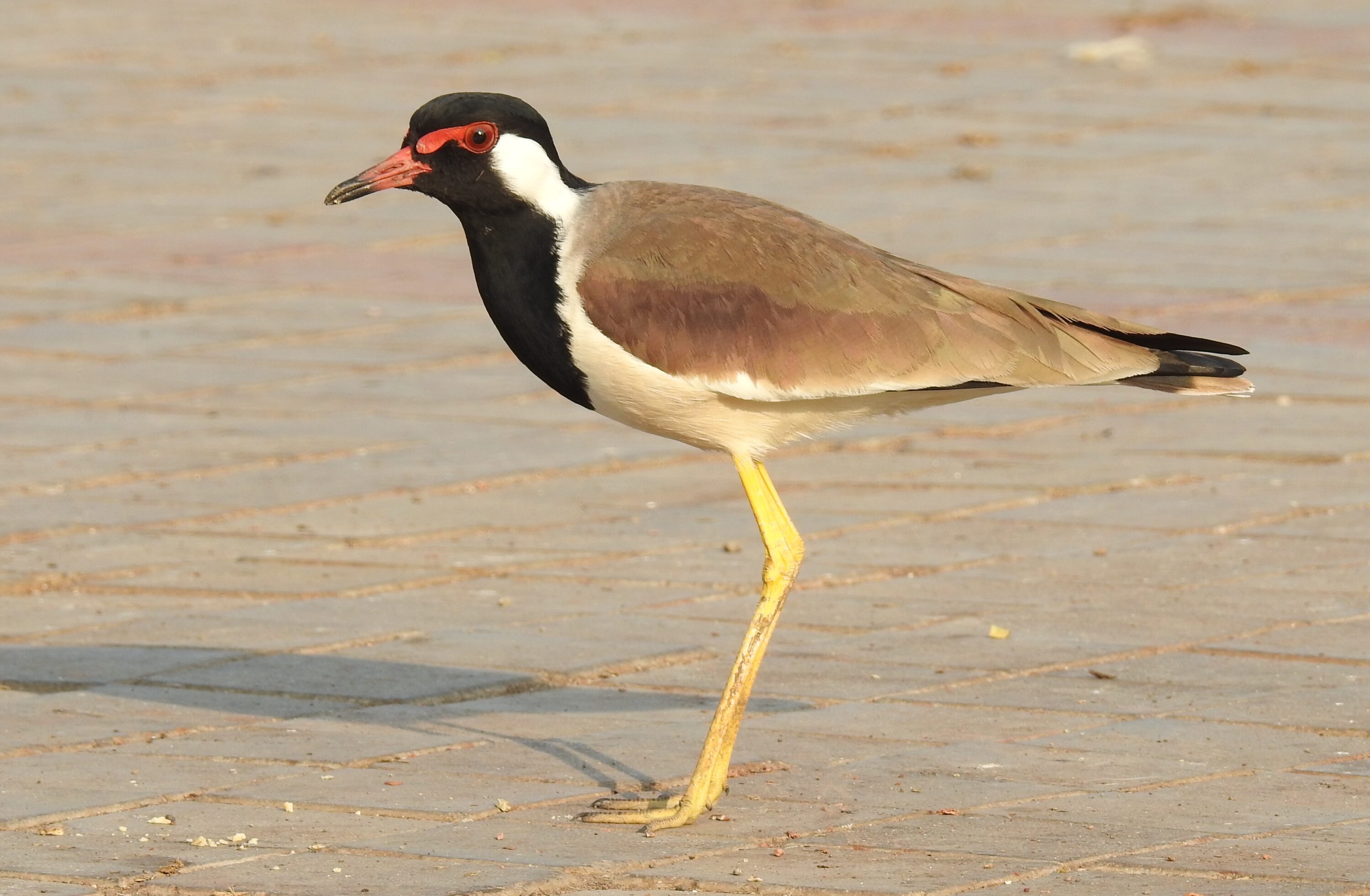
Red-wattled Lapwings Had a Thicker, More Gland-dense Esophageal Lining Than Pin-tailed Sandgrouse
In a small Iraqi comparison, Red-wattled Lapwings had an esophageal mucosa about 50% thicker and more glands per…
Read story →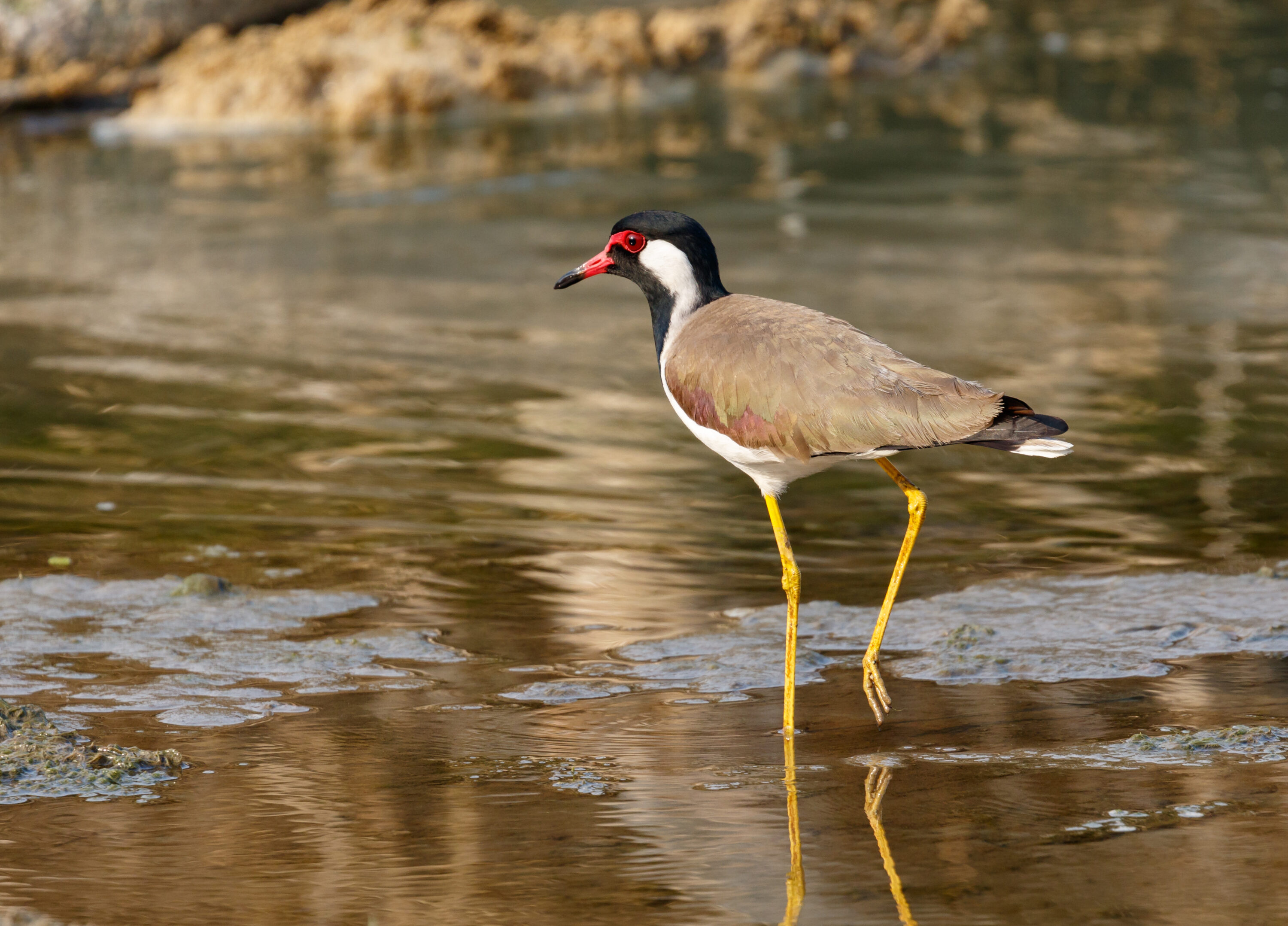
Updated India Index Estimated a 64.6% Long-term Increase for Red-wattled Lapwing
The 2026 interim update to State of India’s Birds estimated a 64.6% long-term increase in the national red-wattled…
Read story →SPECIES IN THIS STORY
Species in this story
Independent research and conservation news archive
Did you find this information useful?
Wildlife Vagabond is independently built and maintained. Voluntary support helps cover source verification, hosting and continued work on research and conservation news.
Support Wildlife VagabondThe news archive will remain freely available.