
Red-wattled Lapwings Had a Thicker, More Gland-dense Esophageal Lining Than Pin-tailed Sandgrouse
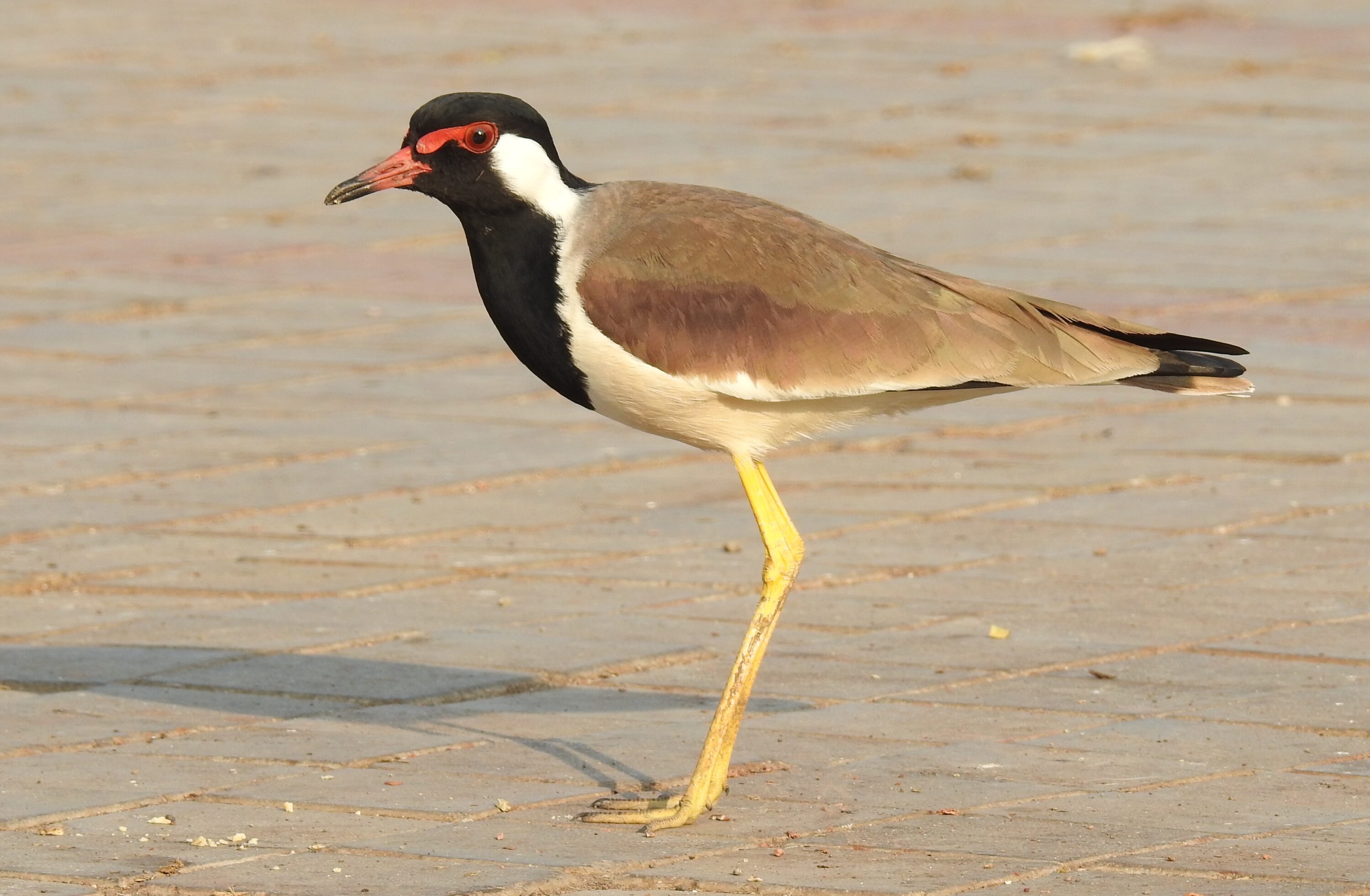
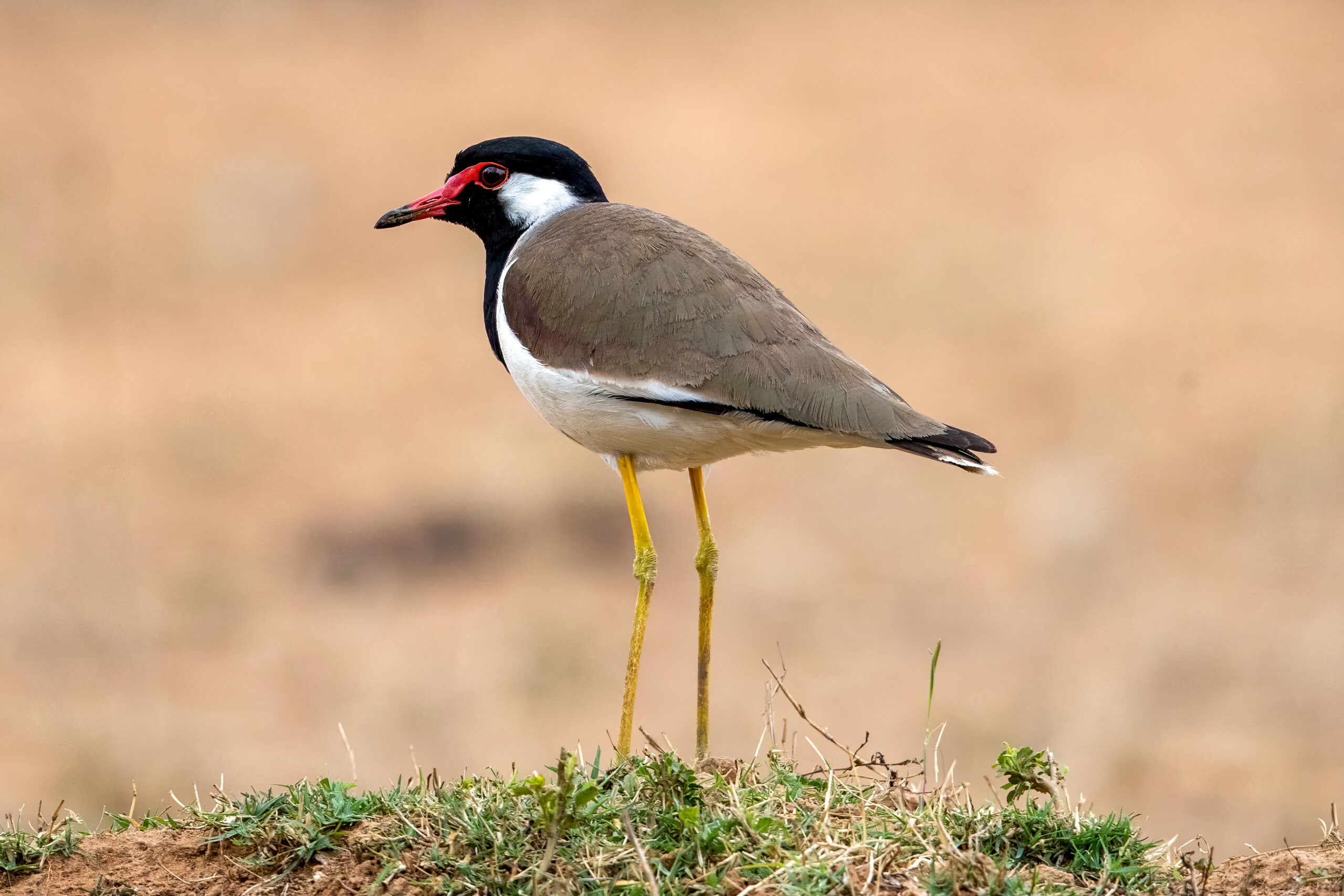
A comparative study of Red-wattled Lapwing (Vanellus indicus) and Pin-tailed Sandgrouse (Pterocles alchata) from Iraq found clear differences in the inner lining and mucus-producing glands of the cervical esophagus, the part of the food pipe running through the neck. Eight apparently healthy adults of each species were obtained from local hunters between October 2025 and January 2026.
Four birds of each species — two males and two females — were used for histology and histochemistry, while four males of each species were used for the amino-acid analysis. The small sample size limits how broadly the results can be generalised.
Lapwings had a thicker lining and more numerous glands
The mucosa, the inner lining exposed to passing food, was about 50% thicker in Red-wattled Lapwings: 15.8 µm on average versus 10.3 µm in Pin-tailed Sandgrouse. Mucosal folds were also taller, about 47.8 versus 31.0 µm. Lapwings had more glands per unit area — about 4.0 versus 2.5 glands per mm² — but the individual glands were larger in sandgrouse.
The gland arrangement differed as well. In Pin-tailed Sandgrouse, broad glands lay mainly in the connective tissue beneath the surface epithelium, whereas Red-wattled Lapwings had predominantly tubular glands within the epithelial lining itself. The thickness of the muscular and outer supporting layers did not differ clearly between the species.
Both species showed strong PAS staining and moderate Alcian-blue staining. These stains reveal different classes of mucus-forming carbohydrates. Together, the result indicates both neutral and acidic mucous substances that can lubricate the food passage, help retain water and protect the esophageal surface from abrasion and drying.
Amino-acid profiles were mostly similar
HPLC analysis detected 18 amino acids in the esophageal tissue of both species. Most did not differ clearly between them. Glutamic acid was the only amino acid with a statistically supported difference and was higher in Pin-tailed Sandgrouse.
The authors treat that biochemical difference as preliminary. Only four males of each species were used for the amino-acid analysis, no correction was applied for the many simultaneous amino-acid comparisons, and exact detection and quantification limits from the external laboratory were unavailable.
The researchers propose that the contrasting gland and mucosal structures may relate to feeding ecology: Pin-tailed Sandgrouse mainly consume dry seeds and grains, while Red-wattled Lapwings take more insects, worms and other small invertebrates. The study did not test diet experimentally, however, so these structural differences are documented anatomy; their dietary function remains a hypothesis requiring direct feeding studies.
Anatomy & morphology
Related news
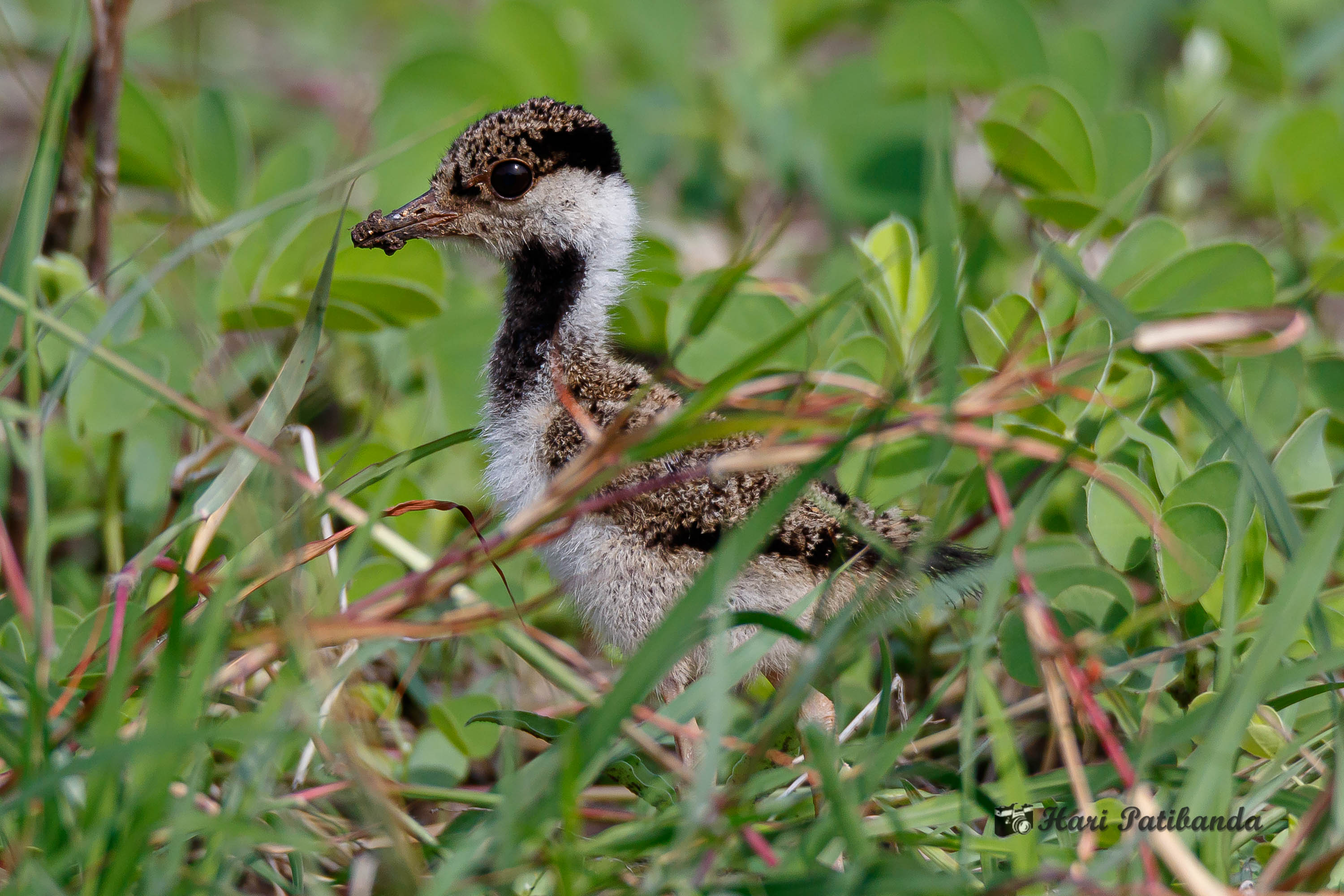
Downy Chick and Juvenile on Bintan Provided Indonesia’s First Confirmed Red-wattled Lapwing Breeding Record
A downy chick on 18 January and a juvenile on 21 February 2026 provided Indonesia's first confirmed Red-wattled…
Read story →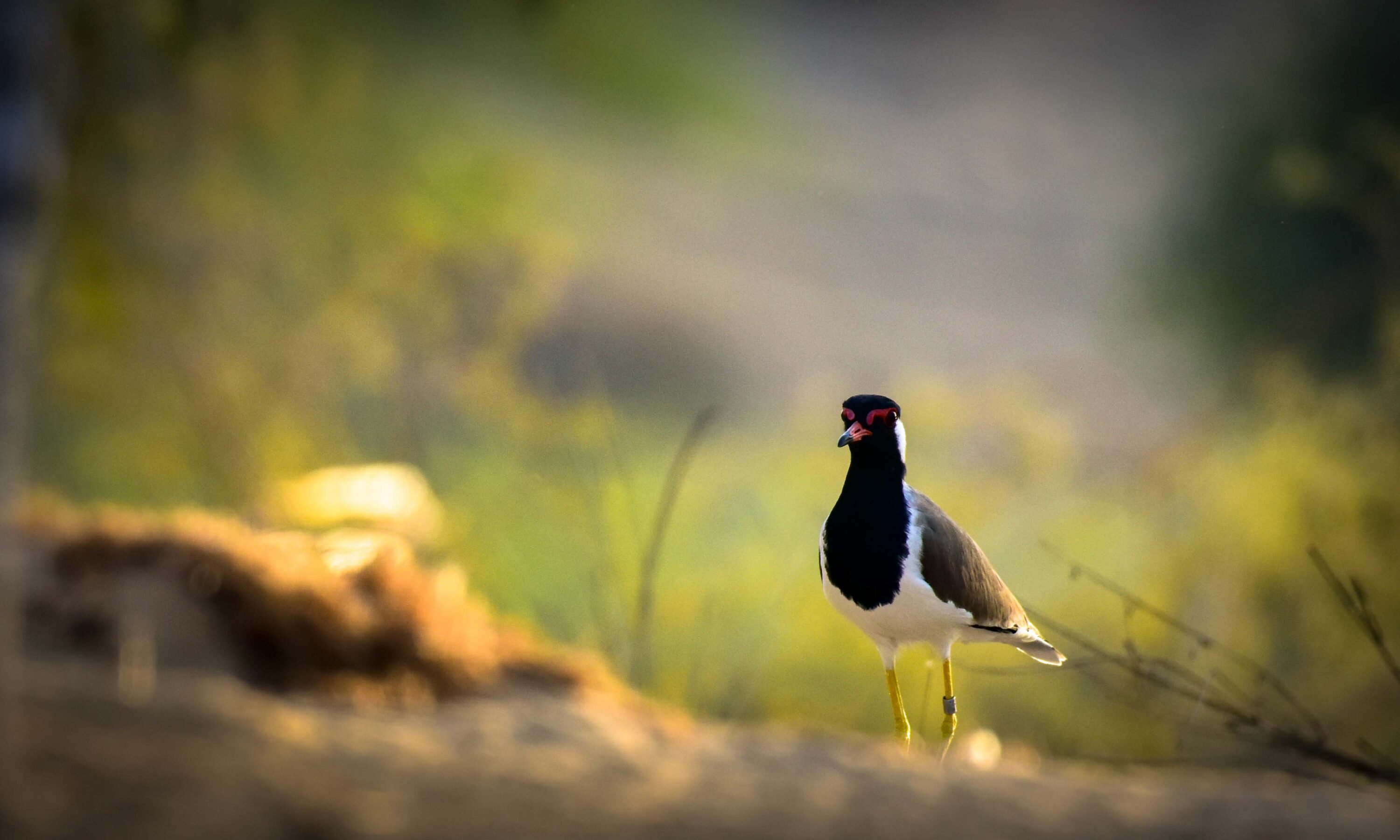
Long-term Pair Bonds Were Linked to More Clutches and Hatchlings per Season in Red-wattled Lapwings
A six-year Dubai study found that red-wattled lapwings retaining the same partner for several years produced more clutches…
Read story →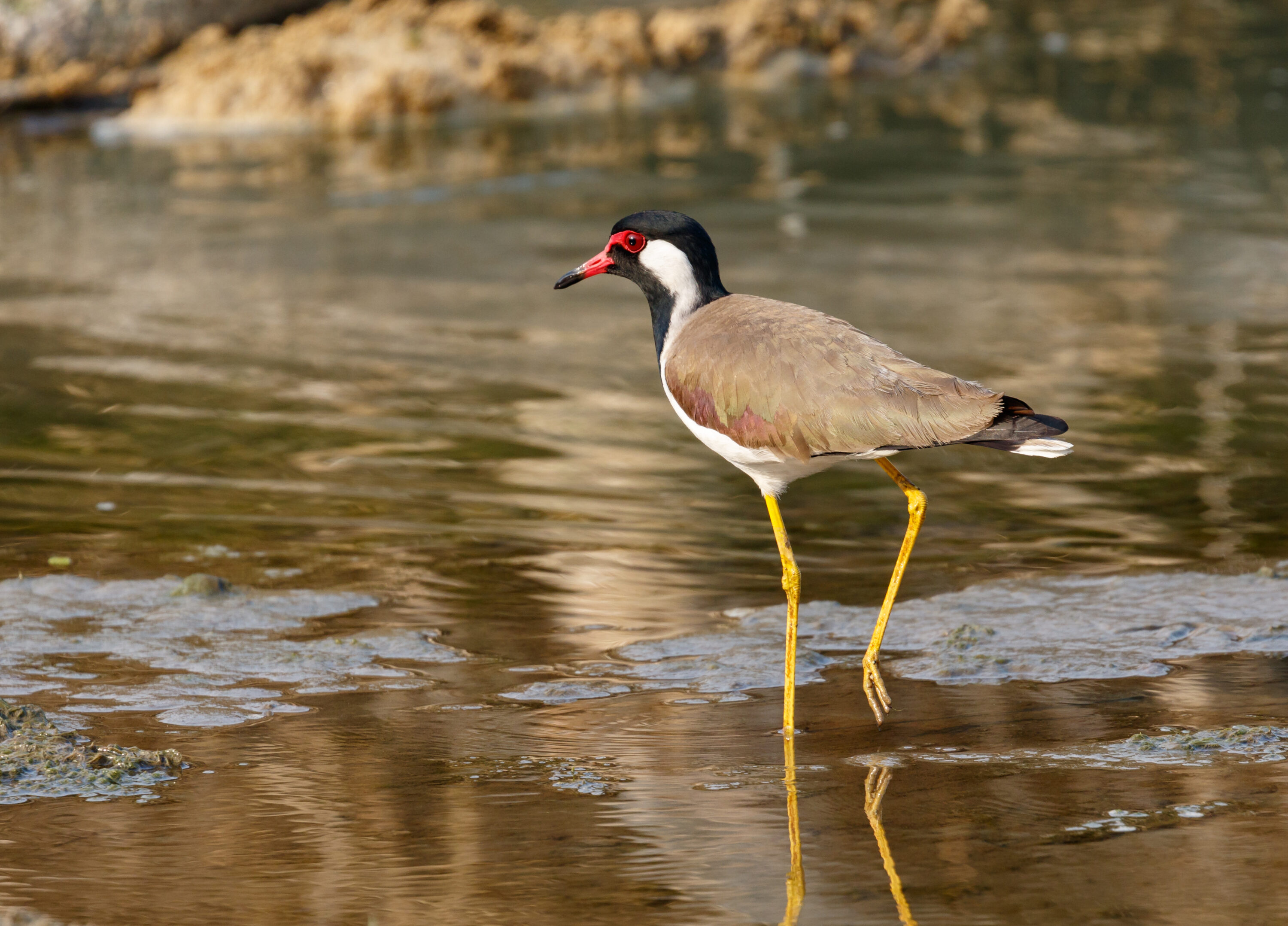
Updated India Index Estimated a 64.6% Long-term Increase for Red-wattled Lapwing
The 2026 interim update to State of India’s Birds estimated a 64.6% long-term increase in the national red-wattled…
Read story →SPECIES IN THIS STORY
Species in this story
Independent research and conservation news archive
Did you find this information useful?
Wildlife Vagabond is independently built and maintained. Voluntary support helps cover source verification, hosting and continued work on research and conservation news.
Support Wildlife VagabondThe news archive will remain freely available.