
Male Black-winged Stilts Incubated About Half the Time, but Their Contributions Varied Through the Day
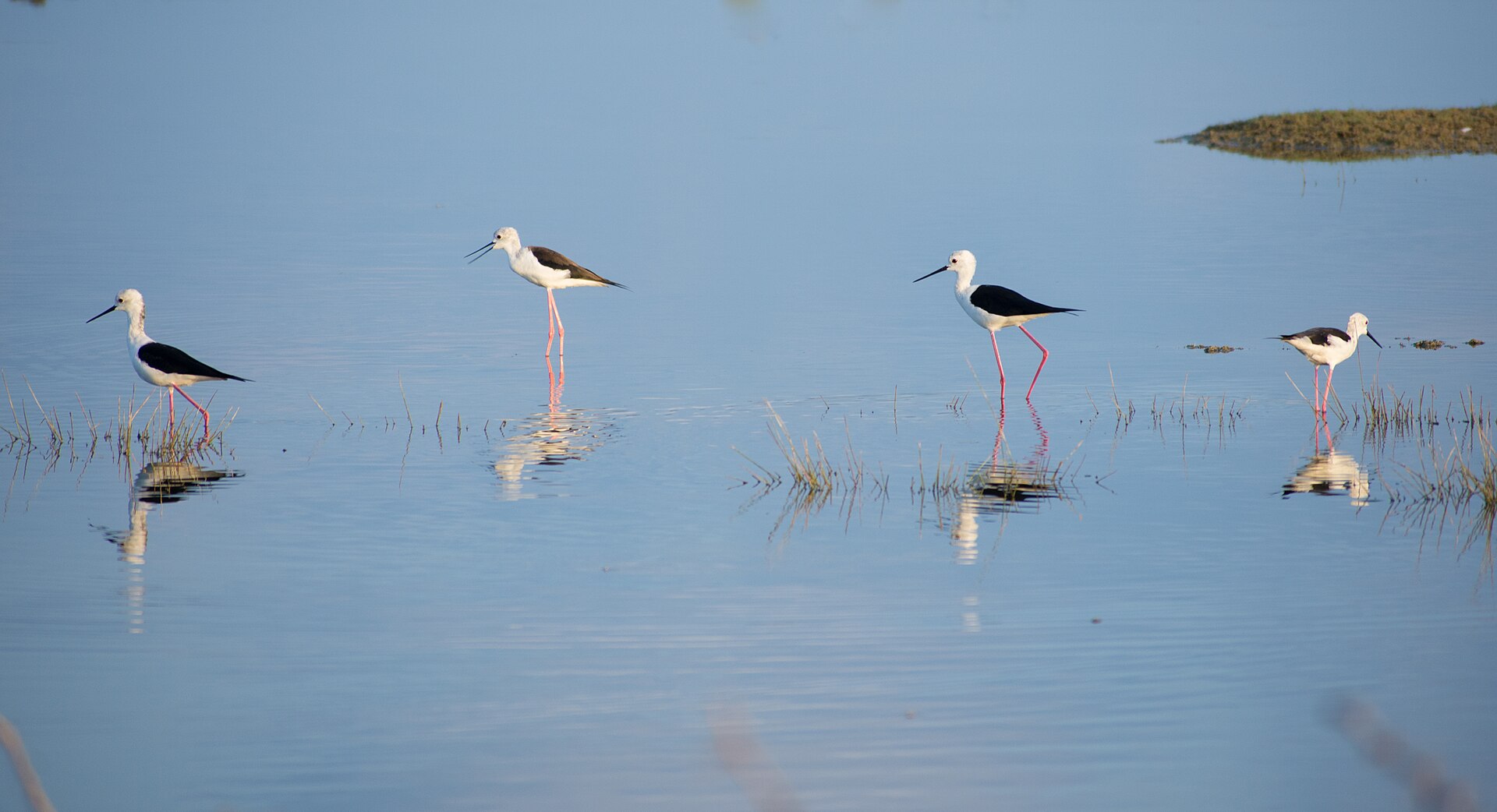
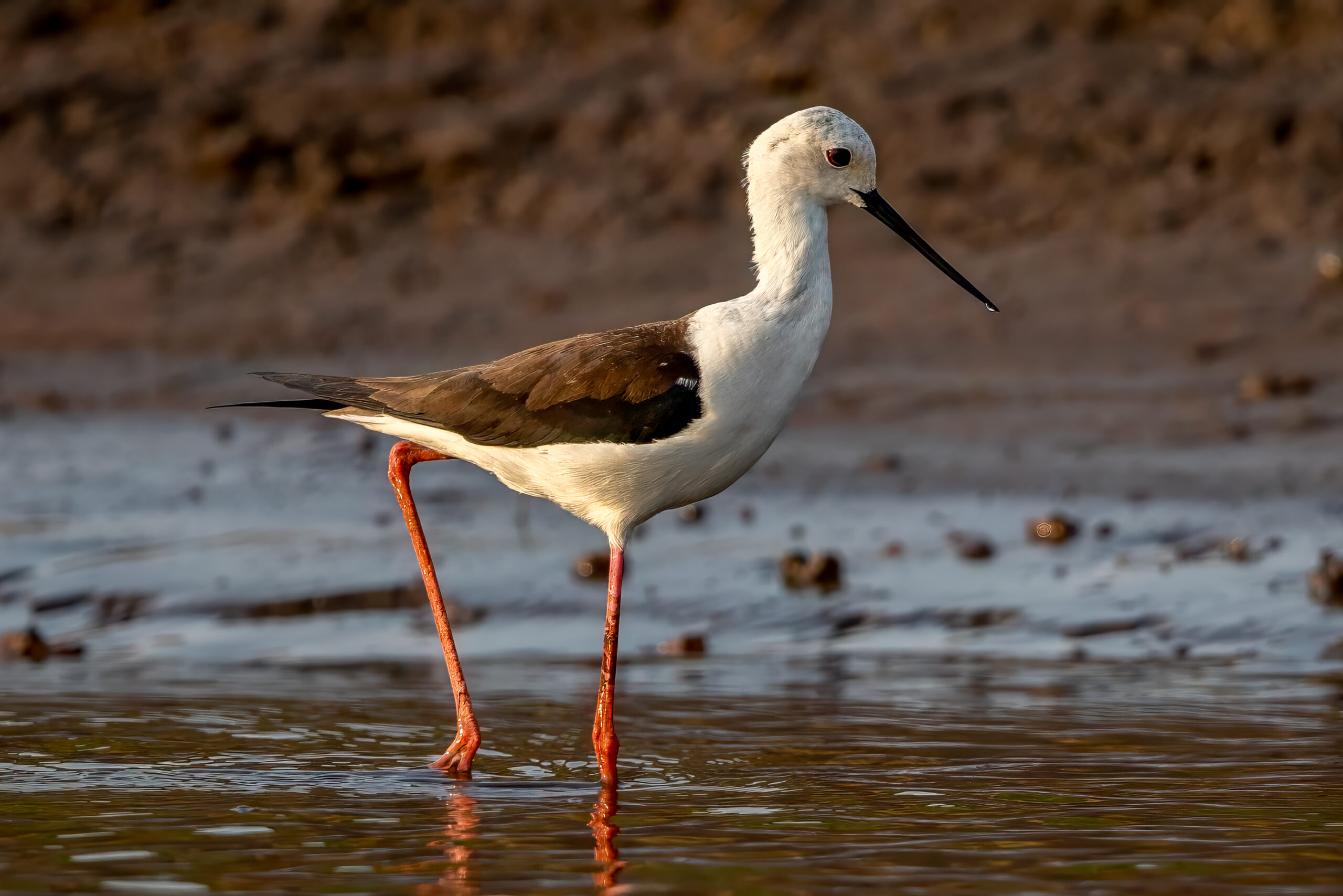
Male Black-winged Stilts (Himantopus himantopus) accounted for an average of 50.7% of incubation in a study of 12 nests in Saudi Arabia. The researchers found no clear evidence that males’ overall share differed from an equal division between the sexes. But that near-even daily average concealed changes in male contributions across two-hour periods.
The researchers monitored each nest for 24 hours, using images taken at one-minute intervals. Male contributions varied among the two-hour periods, although the results did not clearly establish a difference between daytime and nighttime incubation. No environmental predictor of how incubation was divided between the sexes was supported by the analysis.
Incubation share and body orientation
The study also examined whether males and females differed in how they oriented their bodies relative to the sun and wind while incubating. It found no clear sex difference in orientation relative to the sun. The results did not establish a consistent sex-specific response to wind, either.
A daily average can make shared care look steady even when one parent’s contribution changes over the course of a day. Here, the males’ overall share was close to half, but their contribution varied between shorter time periods. The study therefore gives a more detailed picture of incubation as a daily pattern of parental care, while its results do not show that sex-specific responses to sun or wind explain that pattern.
Behaviour
Related news
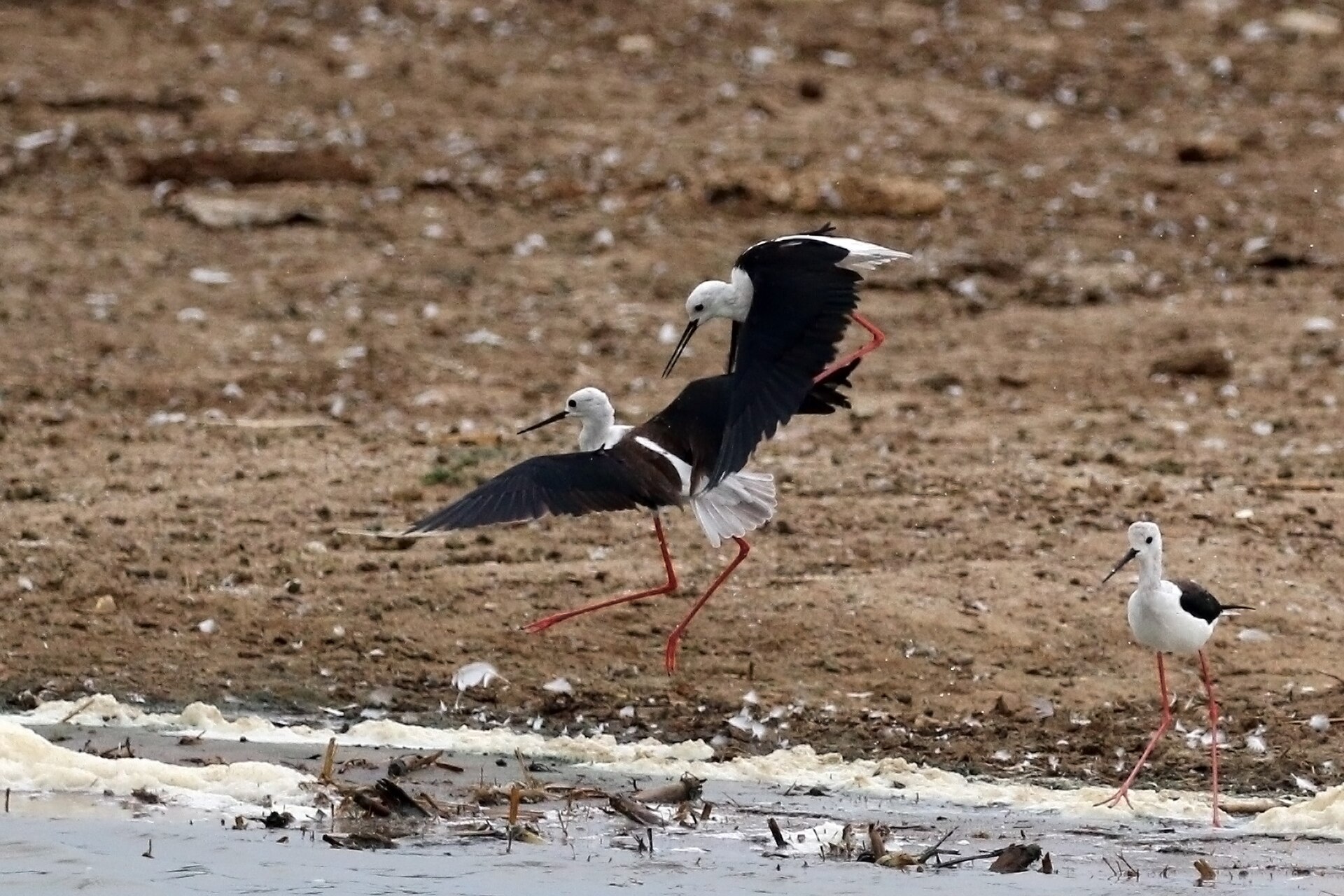
A restored wetland was the main breeding-season habitat for avocets, stilts and gulls
Tracking at Chongming Dongtan showed that Pied Avocets, Black-winged Stilts and Saunders’s Gulls all used the restored wetland…
Read story →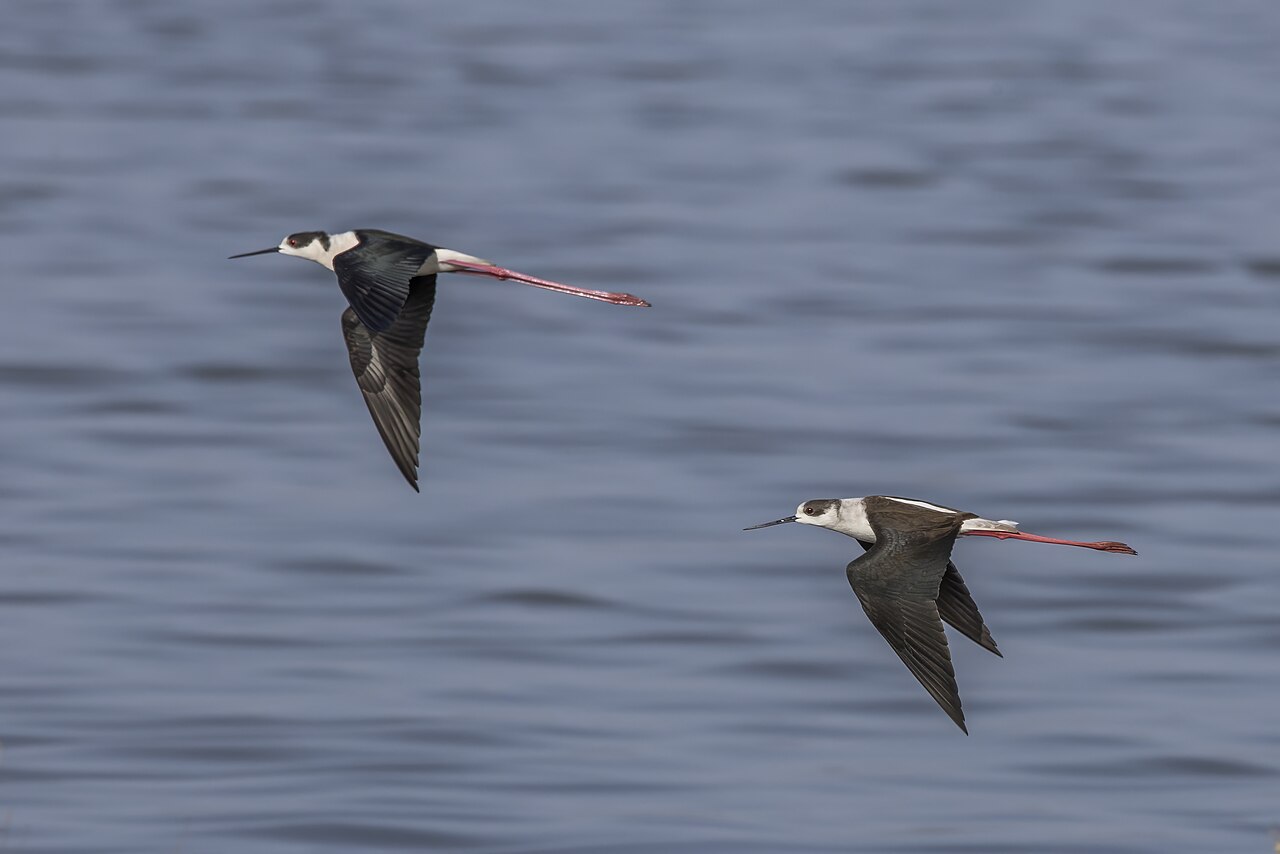
GPS Tracks and Wind Modelling Suggest Black-winged Stilts May Fly Above 7,000 Metres
Two GPS-tracked black-winged stilts moved rapidly between Mallorca and West Africa, while wind modelling identified atmospheric layers compatible…
Read story →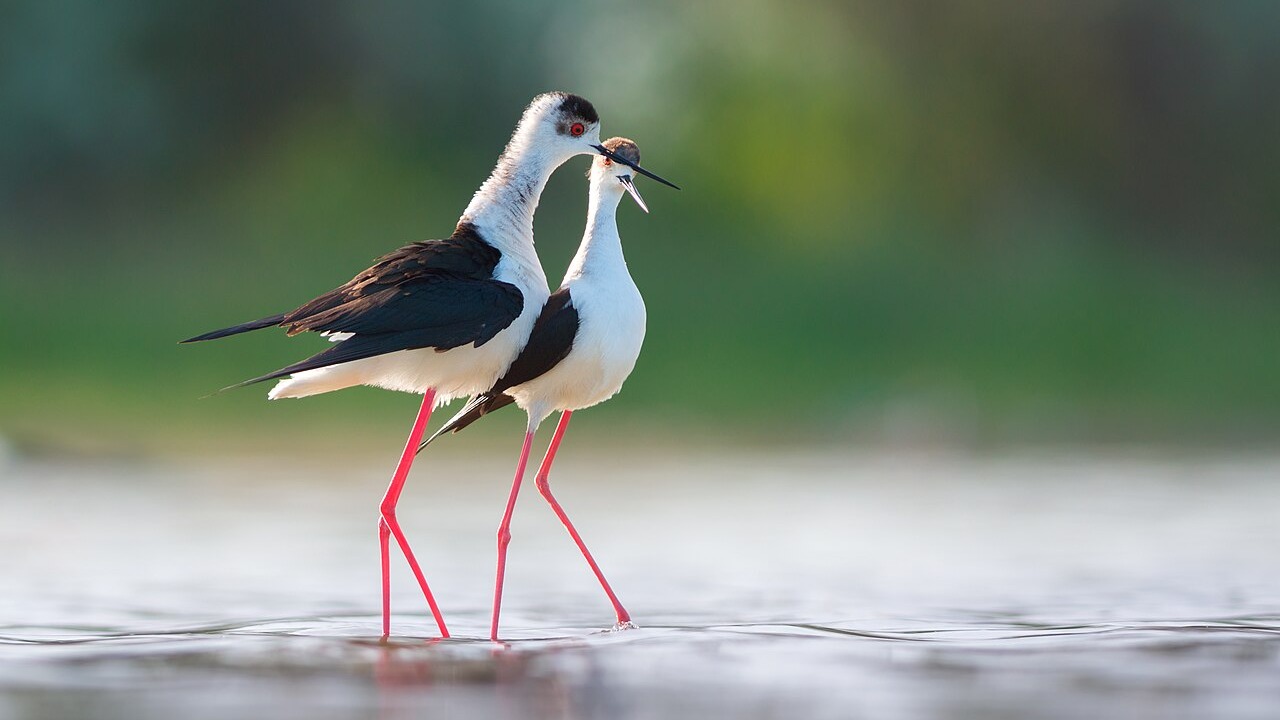
Industrial Basin Loss Halved Nesting Habitat for Black-winged Stilts
Sixteen years of monitoring linked the loss of more than half the available wet area to falling numbers…
Read story →SPECIES IN THIS STORY
Species in this story
Independent research and conservation news archive
Did you find this information useful?
Wildlife Vagabond is independently built and maintained. Voluntary support helps cover source verification, hosting and continued work on research and conservation news.
Support Wildlife VagabondThe news archive will remain freely available.