
A restored wetland was the main breeding-season habitat for avocets, stilts and gulls
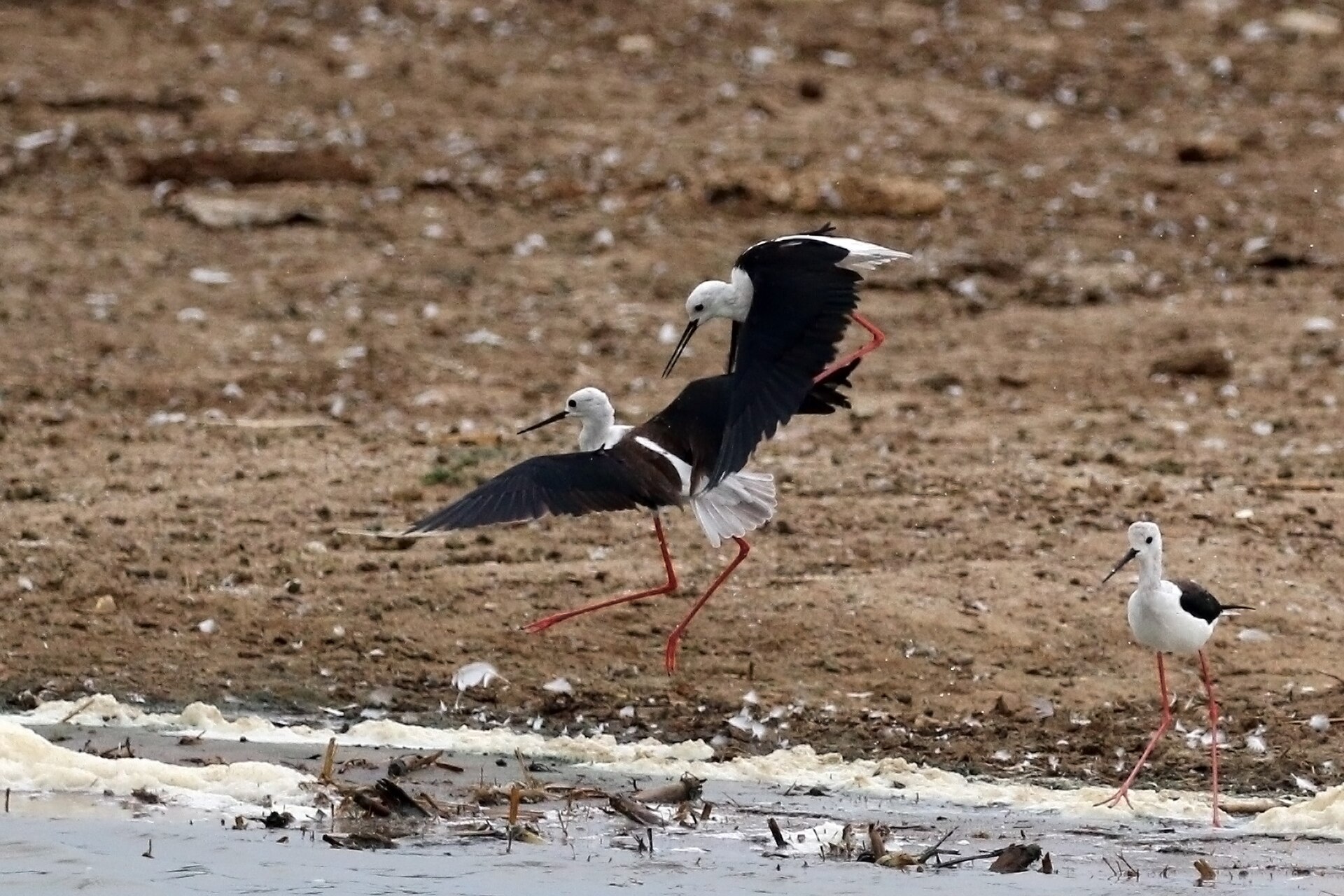
At Chongming Dongtan in China’s Yangtze estuary, three breeding waterbirds used a restored wetland more than the surrounding farmland or tidal flats. But the birds did not rely on it in the same way: Black-winged Stilts used it more at night and in later study years, while Saunders’s Gulls shifted some nighttime use toward tidal flats during incubation.
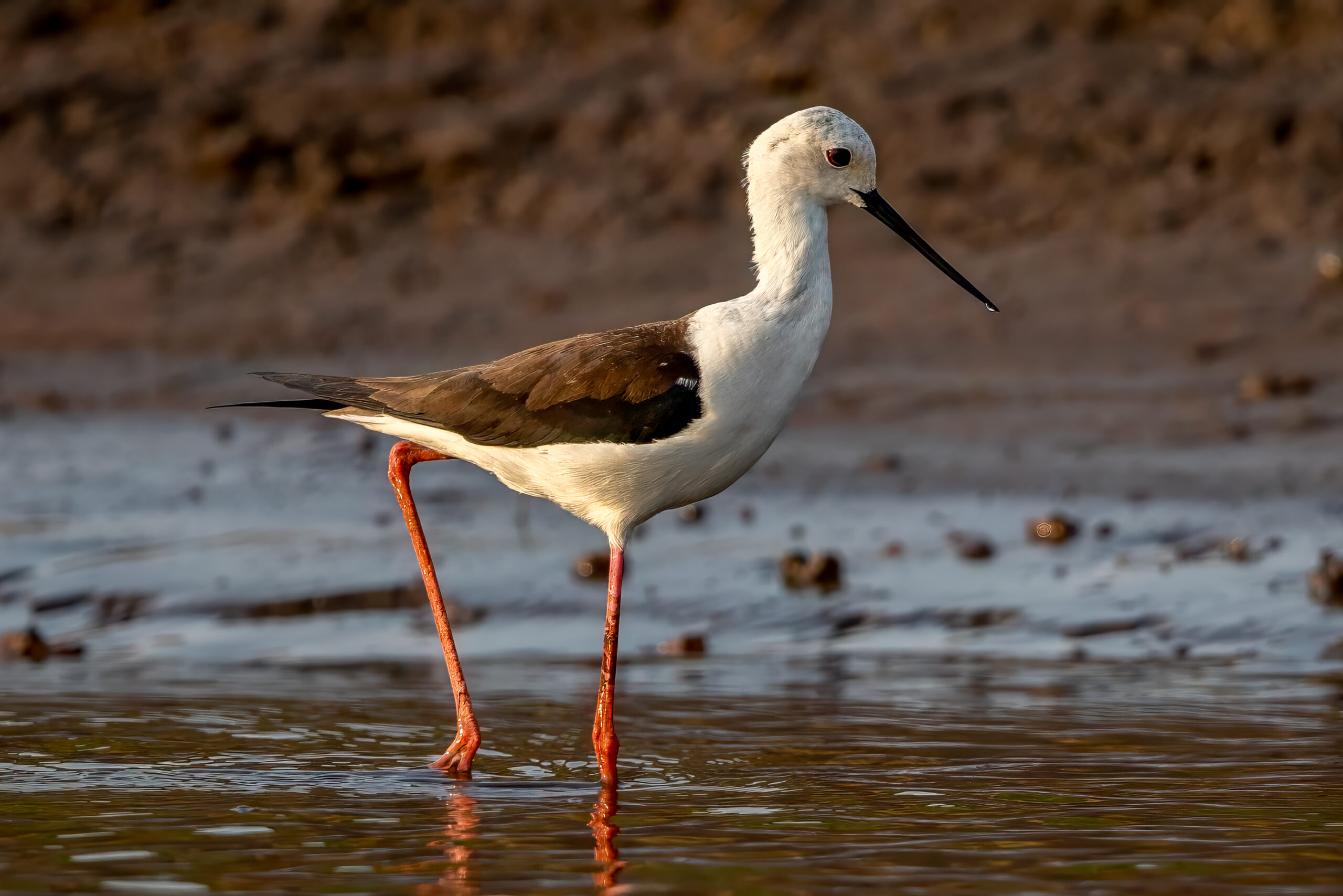
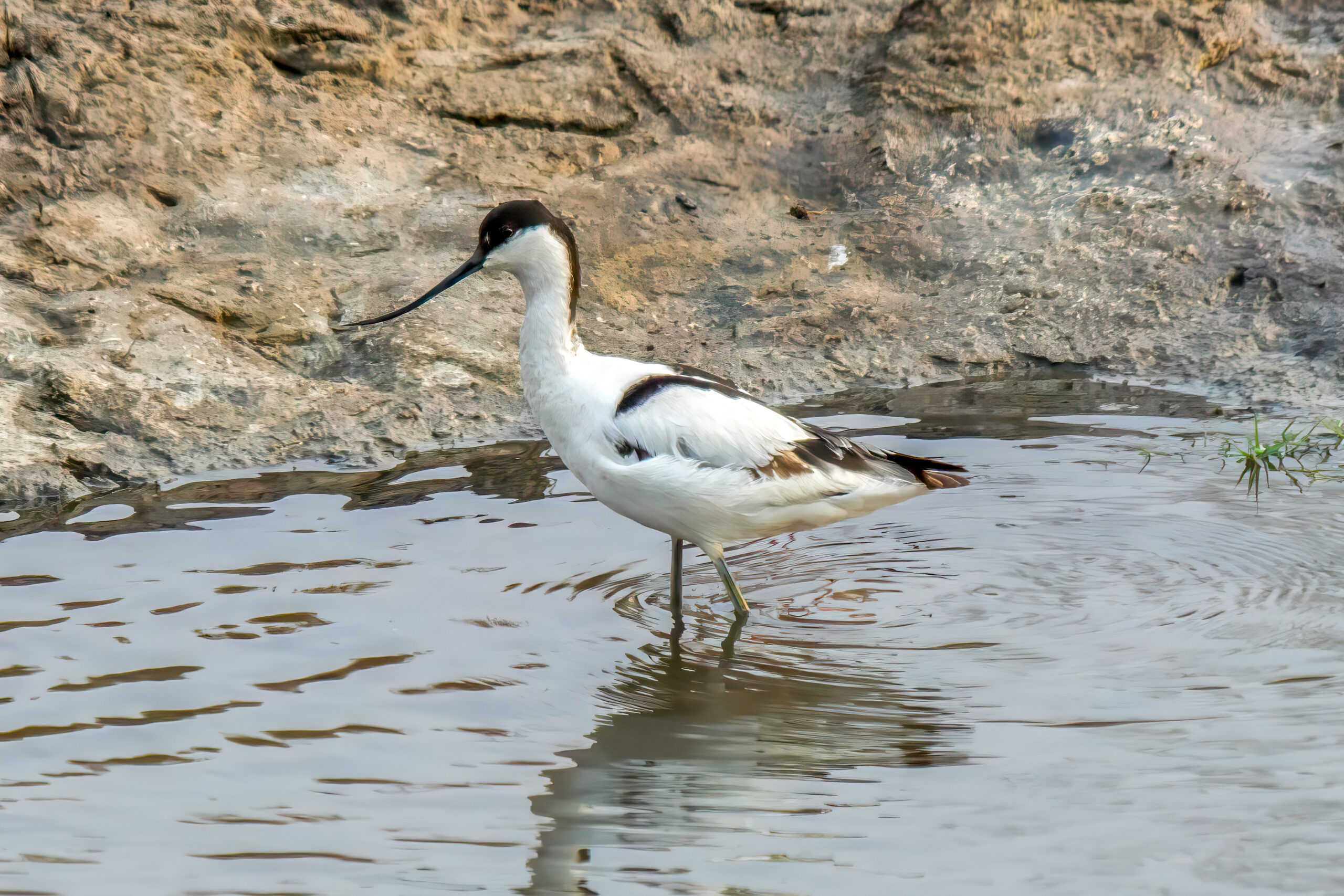
The study took place in a coastal wetland where a restoration project begun in 2013 aimed to remove invasive cordgrass and recreate habitat for waterbirds. Researchers fitted GPS tags to 92 birds in 2021, 2023 and 2024: 30 Pied Avocets (Recurvirostra avosetta), 37 Black-winged Stilts (Himantopus himantopus) and 25 Saunders’s Gulls (Saundersilarus saundersi). They compared 155,090 location records with maps of restored wetland, farmland and tidal flats. This showed where the birds went—not, by itself, whether they preferred a habitat or gained a breeding advantage from using it.
One restored wetland, different patterns of use
The restored area contained 89.1% of recorded Pied Avocet locations, 70.9% of Black-winged Stilt locations and 61.9% of Saunders’s Gull locations. All three species also used surrounding habitats. Flooded rice fields can provide aquatic insects and other small prey, while tidal flats offer shorebirds and gulls access to invertebrates. These habitats can therefore supplement the restored area, which includes open water, shallow water, reed patches and artificial islands.
Pied Avocets’ use of the restored wetland stayed relatively stable across study years, breeding stages, and day and night. Black-winged Stilts used it more in the later study years and more at night, but used farmland more during the day. The researchers suggest that the stilts’ reliance on farmland by day may reflect their use of visual cues to find food, which can be less effective in low light.
Saunders’s Gulls showed another shift. During incubation, their nighttime use of the restored area fell as their use of tidal flats rose. They were also less likely to use the flats as the tide rose, when less of the intertidal area is exposed. The authors suggest that nighttime feeding on tidal flats may help gulls meet the energy demands of incubation, when prey access varies with the tides.
Movement areas differed between species and years
Estimated home ranges—the areas birds used during the breeding season—averaged 17.59 km² for Pied Avocets, 46.58 km² for Black-winged Stilts and 18.94 km² for Saunders’s Gulls. The researchers found that Stilt and Gull ranges were larger than Avocet ranges. Avocet and Stilt ranges were smaller in 2023 and 2024 than in 2021, whereas Saunders’s Gull ranges increased from 2023 to 2024. None of the species showed a clear difference in home-range size between incubation and chick-rearing.
Activity data were available only for 2023. In that year, all three species had higher measured activity in the restored area than in the other habitat types, and were more active during the day than at night.
The results point to the value of managing the wetland as part of a wider habitat mosaic: maintaining varied habitats and suitable water levels in the restoration area, reducing disturbance in surrounding farmland, and protecting tidal flats. For these breeding birds, the restored wetland was central, but it was not the whole landscape they used.
Ecology
Related news
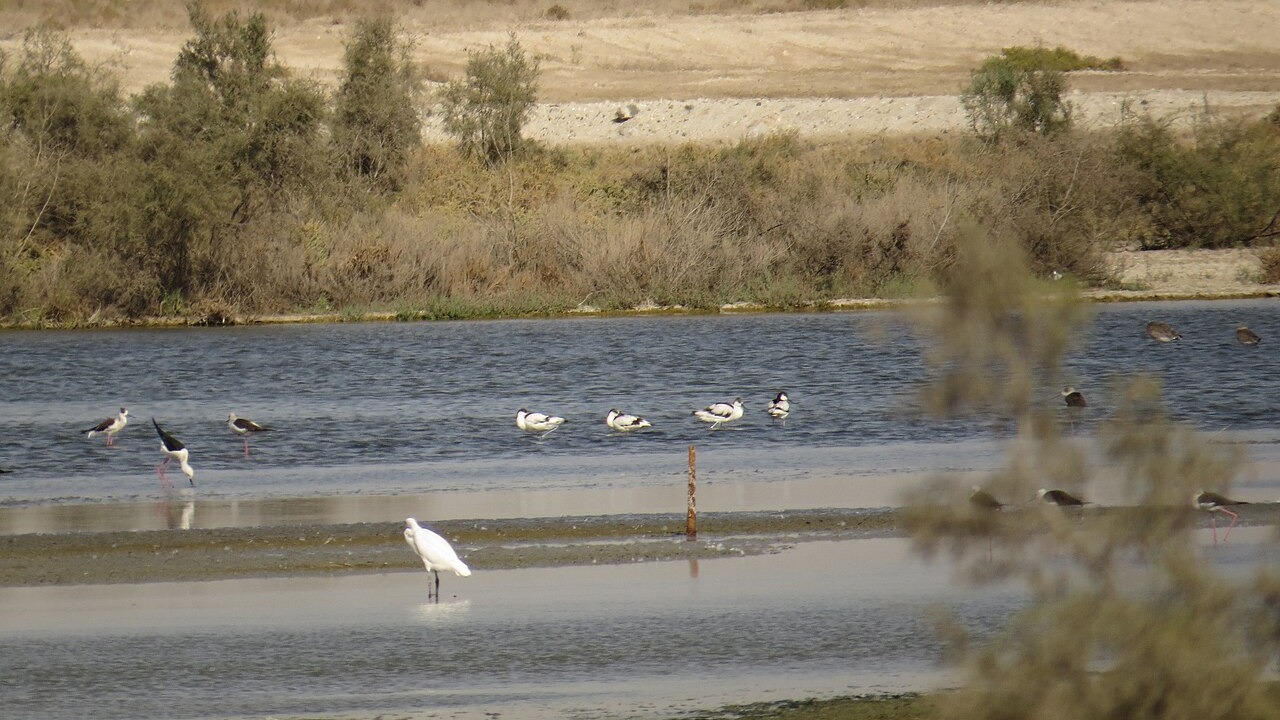
Restored Wetland Attracted Avocets but Few Nests Succeeded
Only 6.9% of monitored pied avocet nests and 20.3% of black-winged stilt nests succeeded in a restored Yangtze…
Read story →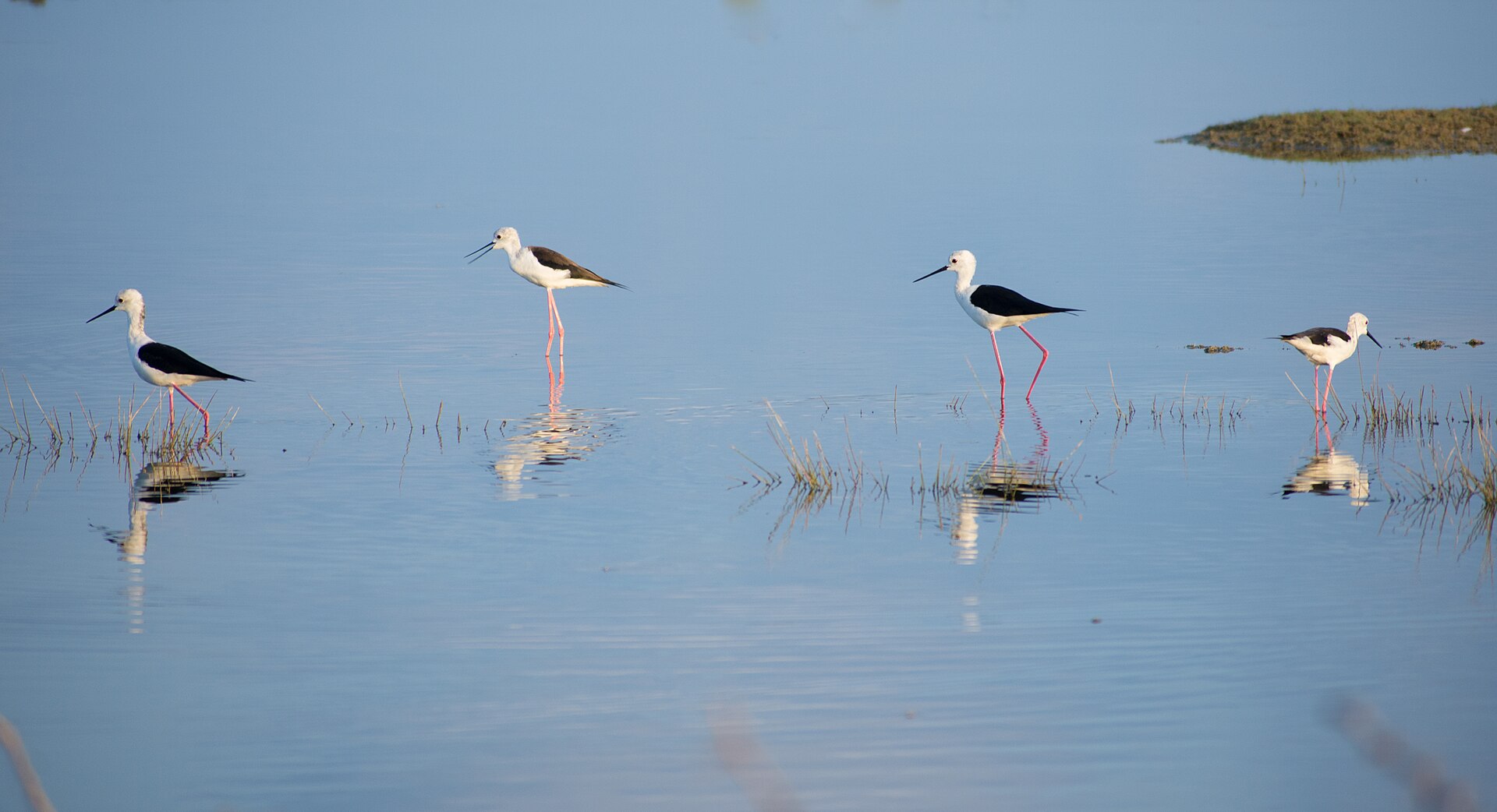
Male Black-winged Stilts Incubated About Half the Time, but Their Contributions Varied Through the Day
In 12 nests monitored for 24 hours in Saudi Arabia, males accounted for about half of incubation overall.…
Read story →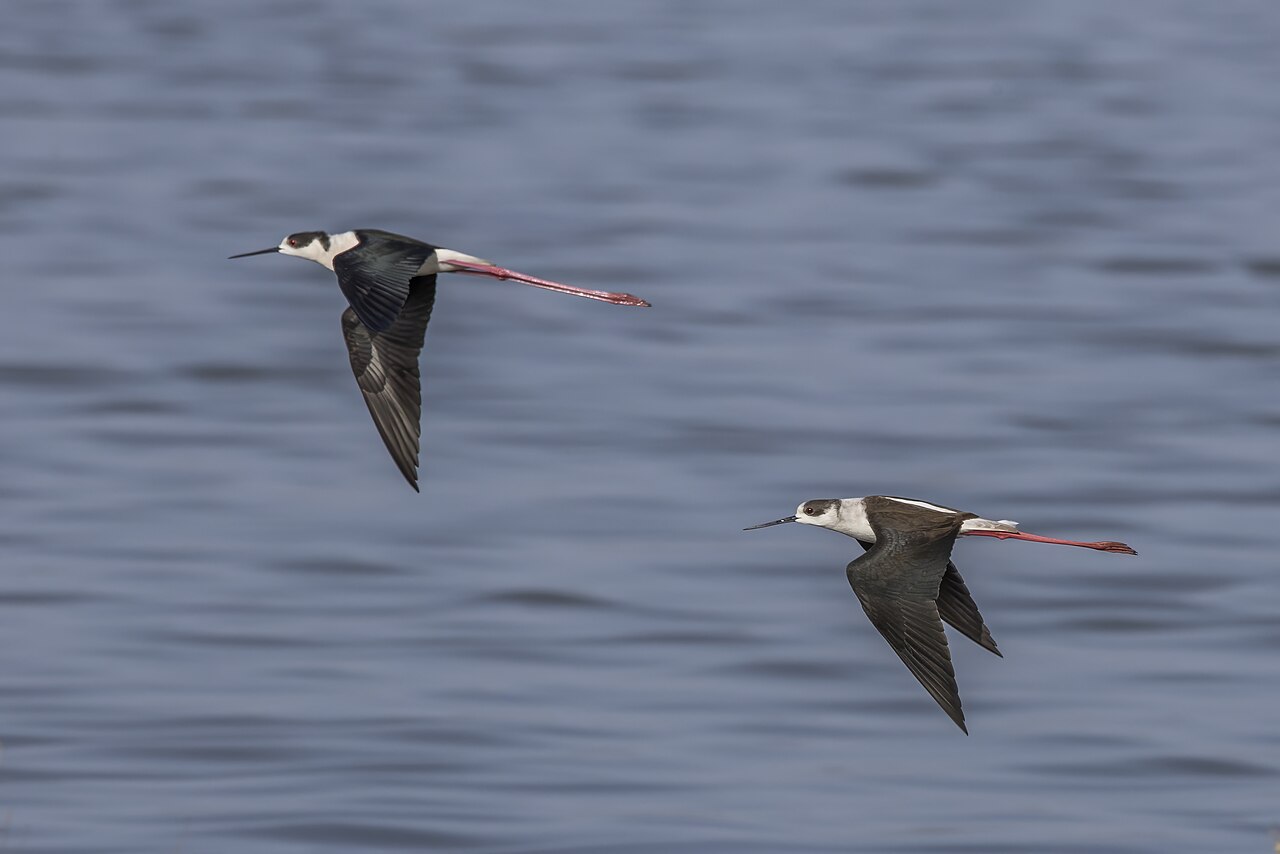
GPS Tracks and Wind Modelling Suggest Black-winged Stilts May Fly Above 7,000 Metres
Two GPS-tracked black-winged stilts moved rapidly between Mallorca and West Africa, while wind modelling identified atmospheric layers compatible…
Read story →SPECIES IN THIS STORY
Species in this story
Independent research and conservation news archive
Did you find this information useful?
Wildlife Vagabond is independently built and maintained. Voluntary support helps cover source verification, hosting and continued work on research and conservation news.
Support Wildlife VagabondThe news archive will remain freely available.