
Male and Female Great Tits Built Winter Pair Bonds Differently
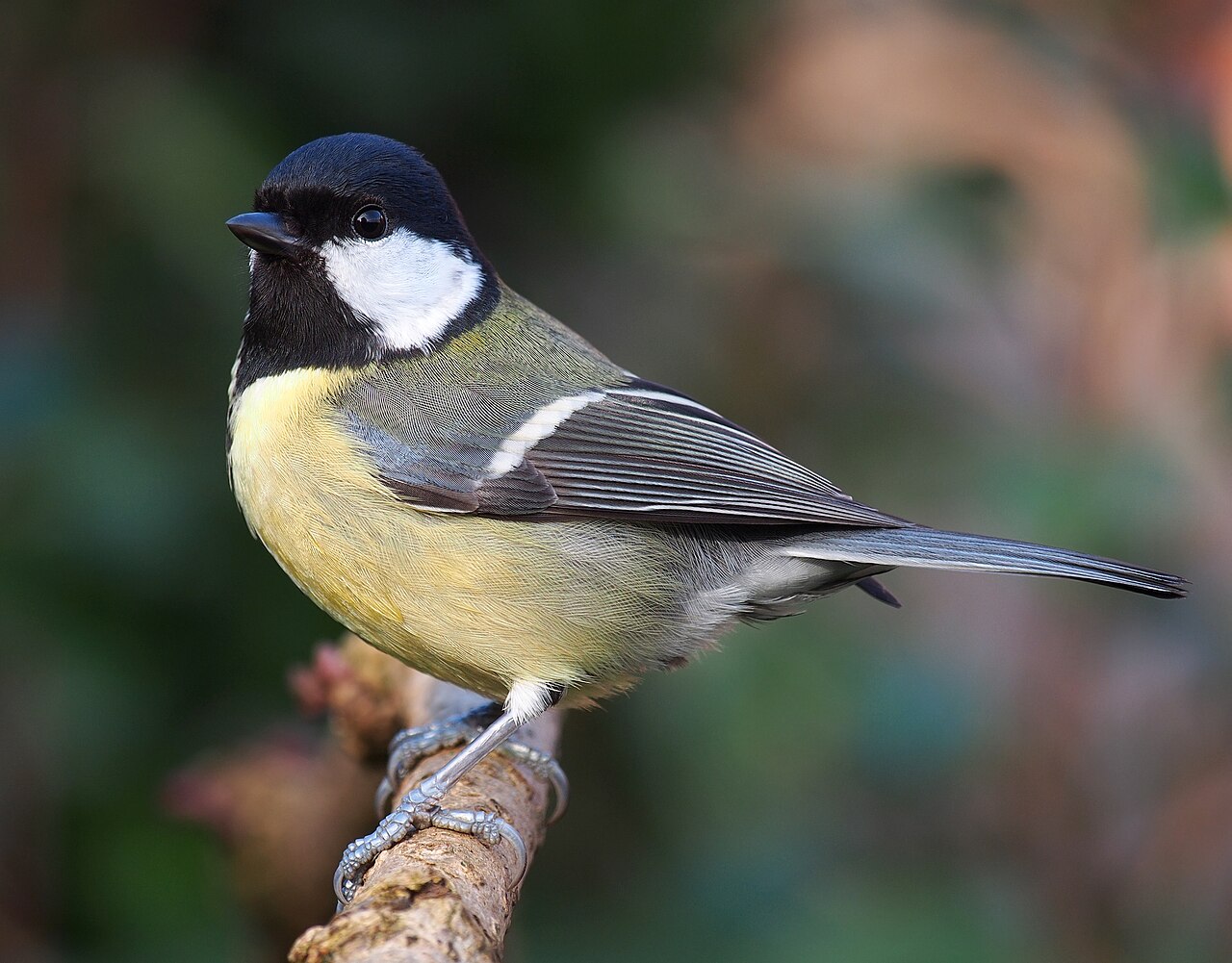
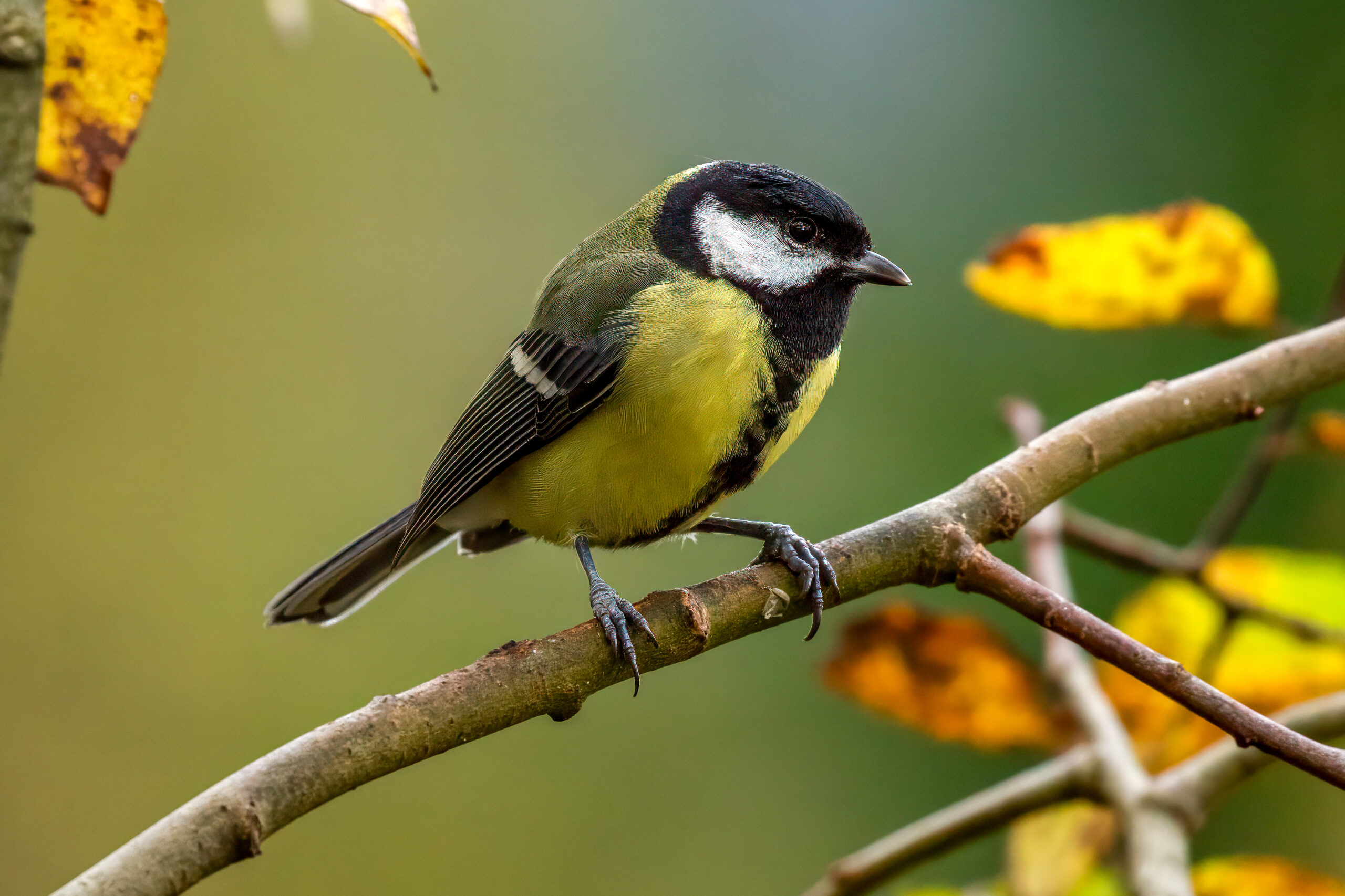
Wild great tits (Parus major) in Wytham Woods, Oxfordshire, England, were followed through three winters to test how pair formation changes the rest of their social lives. The study asked how birds divide their social associations between a future breeding partner and other flock members when social time is limited. Automatic readers at feeding stations recorded individually marked birds using RFID tags, and the researchers then identified which birds bred together the following spring.
Both males and females increasingly associated with their future breeding partner as winter progressed. Among pairs that were already established, however, the partner accounted for a larger proportion of males’ total social associations than of females’.
Age also mattered when new pairs formed. Among juveniles, the future partner’s share of social associations increased more over winter in males than in females. At the same time, juvenile males experienced less change in the membership of their wider social groups while accommodating the developing pair bond.
The results show that pair bonding does not develop separately from the rest of a bird’s social life. Great tits spend winter in loose social groups that repeatedly split and merge, so strengthening one relationship can change how an individual invests in others. Sex and age influenced how the birds managed that balance, even though both males and females increased their association with the partner they would breed with.
Behaviour
Related news
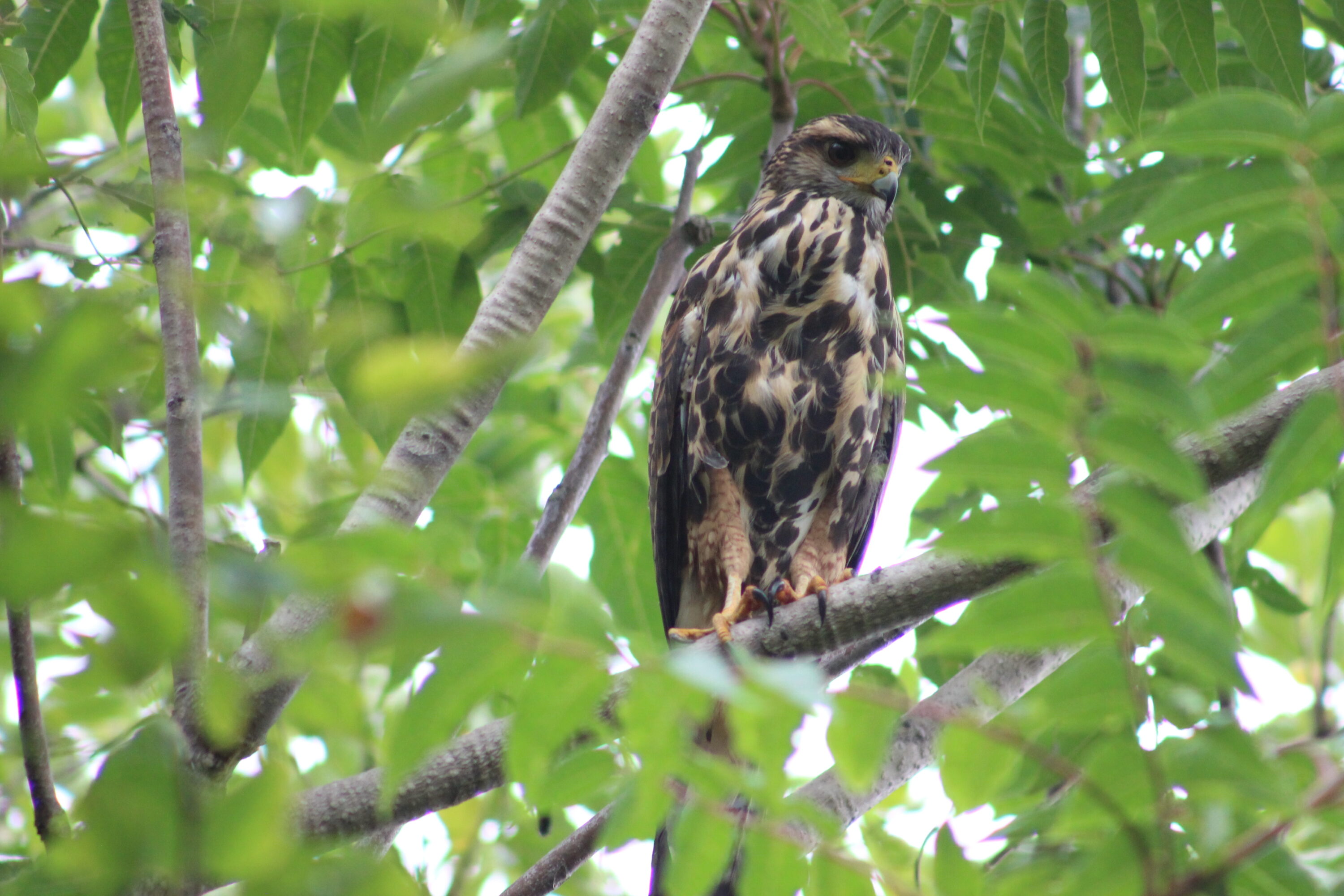
Juvenile Harris's Hawks Manipulated Pine Cones for About Five Minutes
Two juvenile Harris's hawks in Buenos Aires Province tore pine cones from trees, carried them to new perches…
Read story →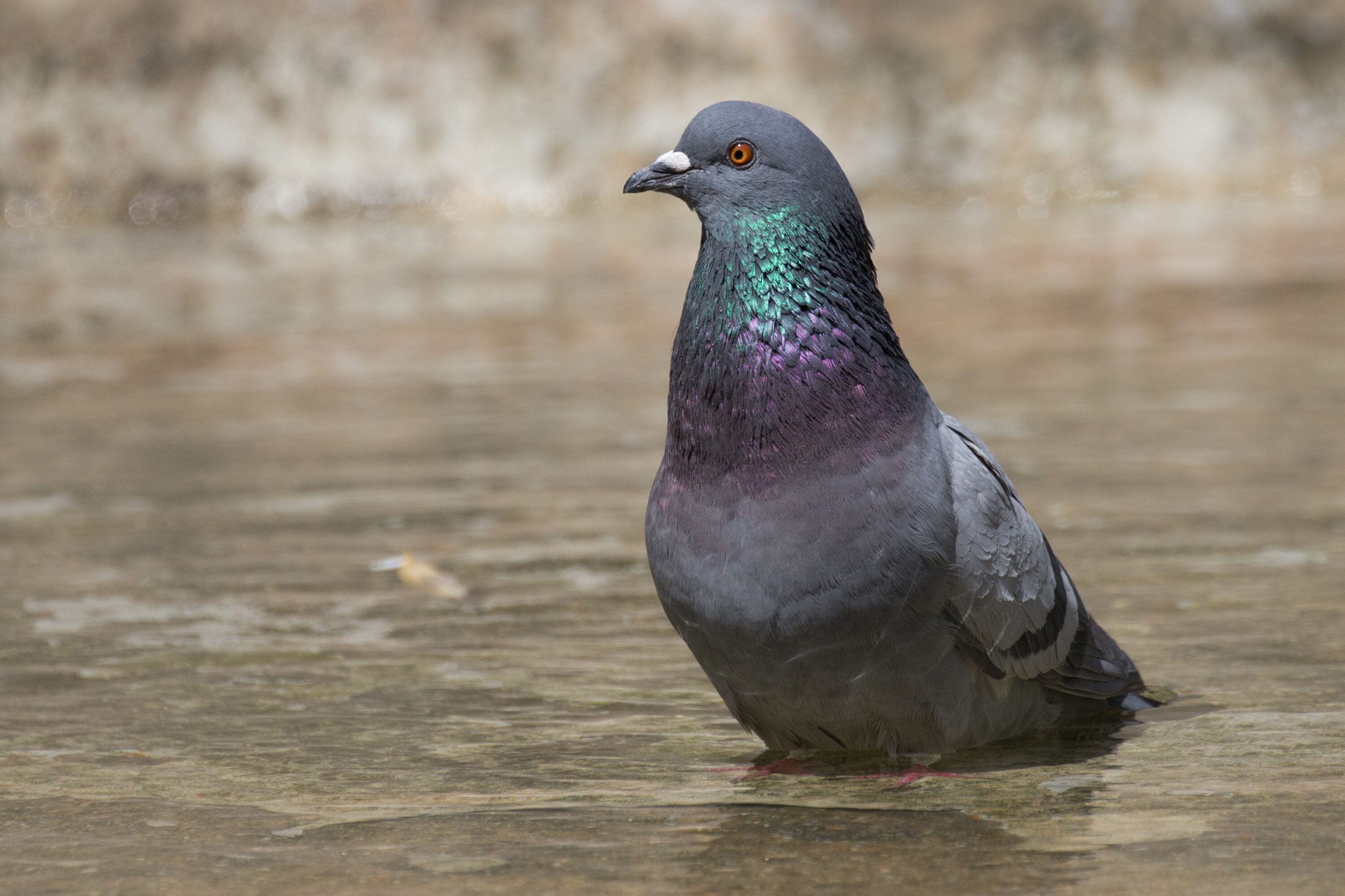
Rock Doves Preferred Predictive Information Despite a Lower Food Payoff
Seven rock doves preferred an informative option that paid on 20% of trials over a non-informative option that…
Read story →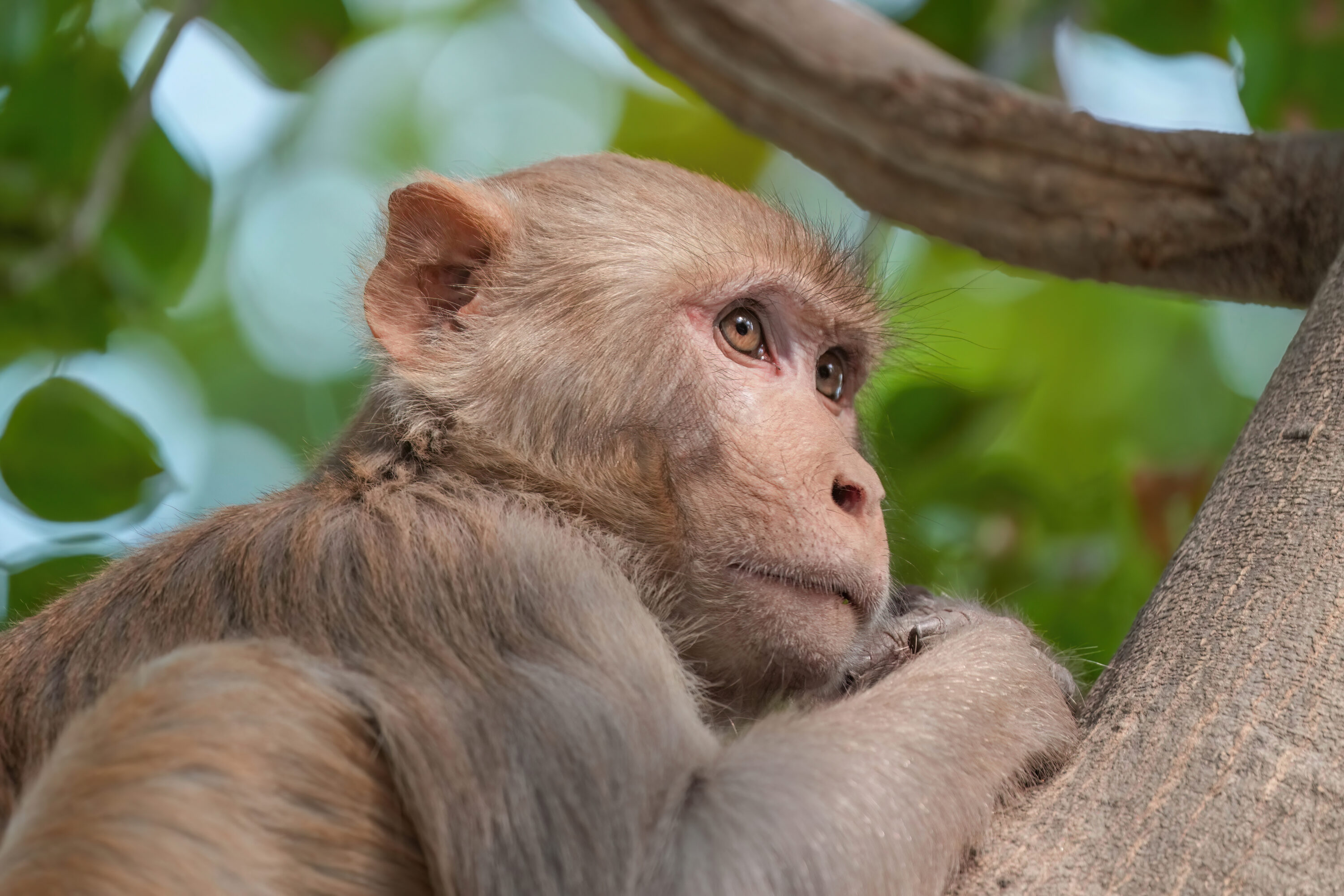
Task Uncertainty Increased Interference From Irrelevant Visual Information in Rhesus Macaque Decisions
Two rhesus macaques made less accurate visual decisions under task uncertainty; recordings and microstimulation in primary visual cortex…
Read story →SPECIES IN THIS STORY
Species in this story
Independent research and conservation news archive
Did you find this information useful?
Wildlife Vagabond is independently built and maintained. Voluntary support helps cover source verification, hosting and continued work on research and conservation news.
Support Wildlife VagabondThe news archive will remain freely available.