
Red Kites and Vultures Keep Distinct Bacterial Communities Despite Sharing Carrion
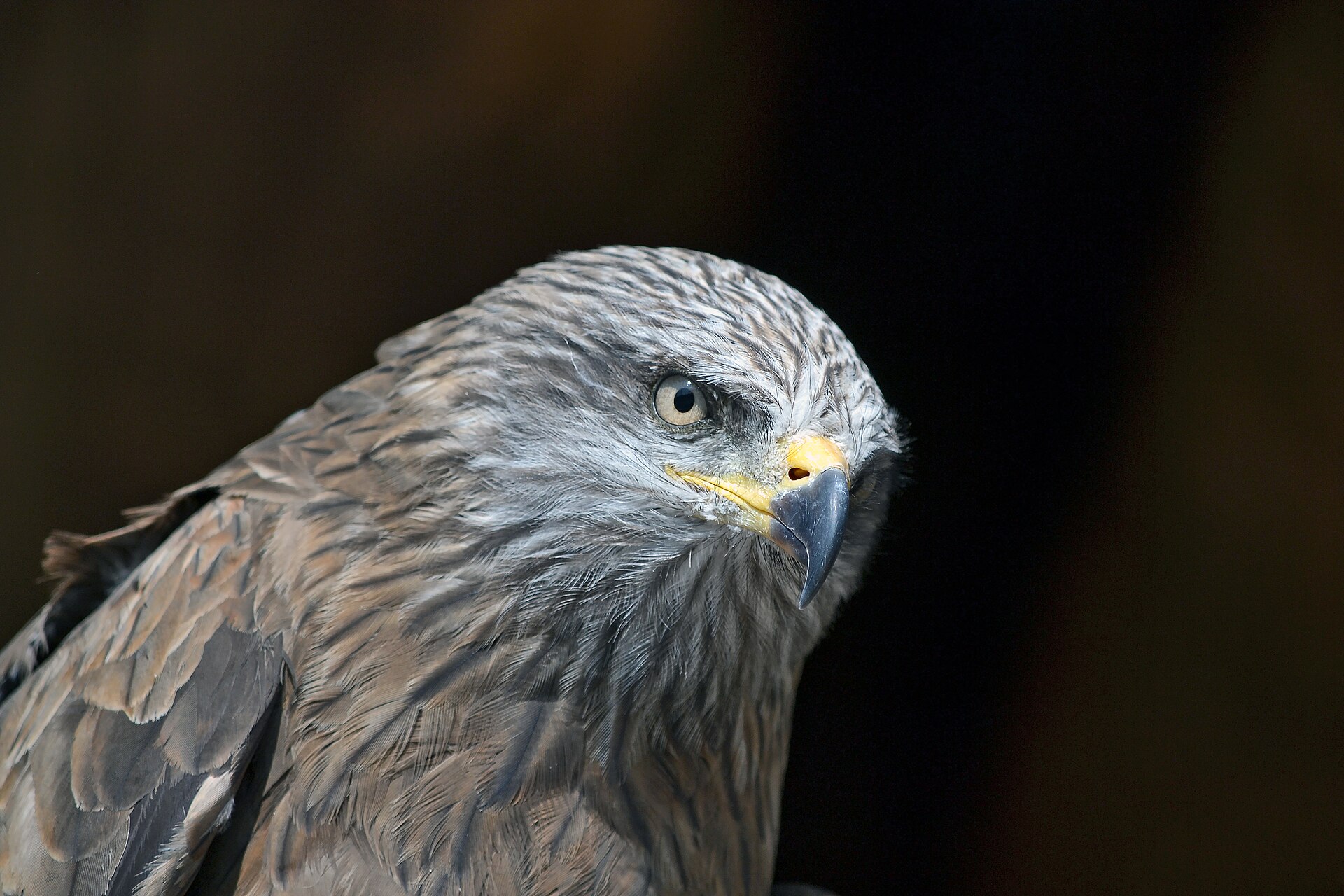
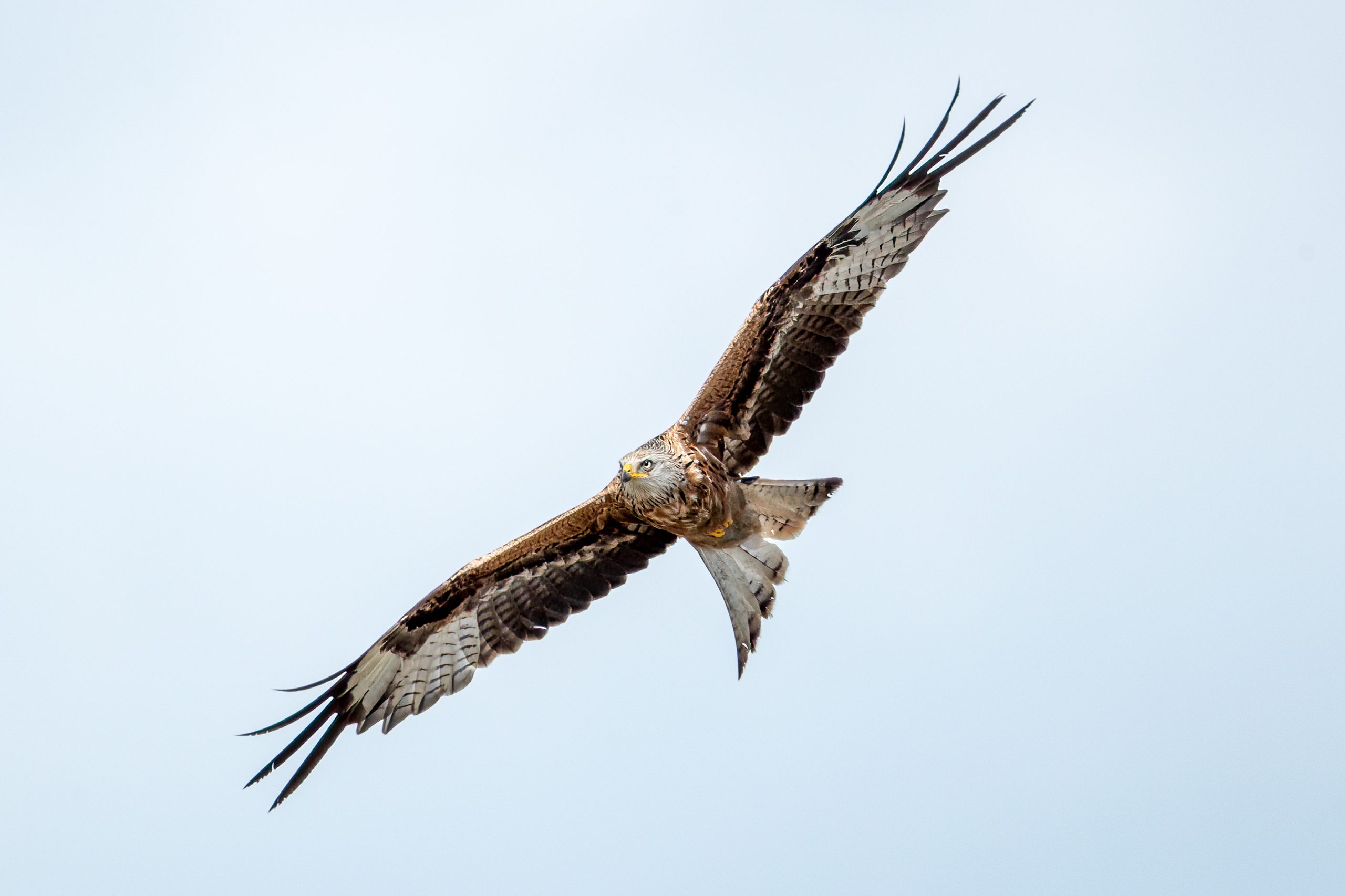
Red Kites and vultures may feed on carrion, exposing them to many of the same microbes, yet their bacterial communities do not converge. In Spain, researchers compared bacteria from four body sites—the face, mouth, trachea and cloaca—in 155 birds representing four obligate vulture species and the facultative scavenger Red Kite (Milvus milvus). Obligate scavengers depend on carrion, while facultative scavengers can also use other food sources.
Host species explained 18.1% of the variation in bacterial-community composition, compared with 8.9% for anatomical site. The two factors also interacted: differences among species depended on which body site was sampled. Each site had a distinct bacterial community. The cloaca contained more anaerobic, gut-associated bacteria; anaerobic bacteria thrive where oxygen is scarce. The face and trachea had more bacteria associated with the environment and respiratory tract.
The Red Kite showed the same broad separation among body sites as the vultures, but its bacterial signatures differed from those of the other species. Age also influenced community composition, while sex had little detectable effect.
The results show that encountering the same microbes is not the same as those microbes persisting in the body. Host species and the conditions in different body sites are associated with which bacteria are found there, and age contributes to the pattern. The study describes bacterial communities; it does not establish what those bacteria do or the mechanisms that determine which persist.
Ecology
Related news
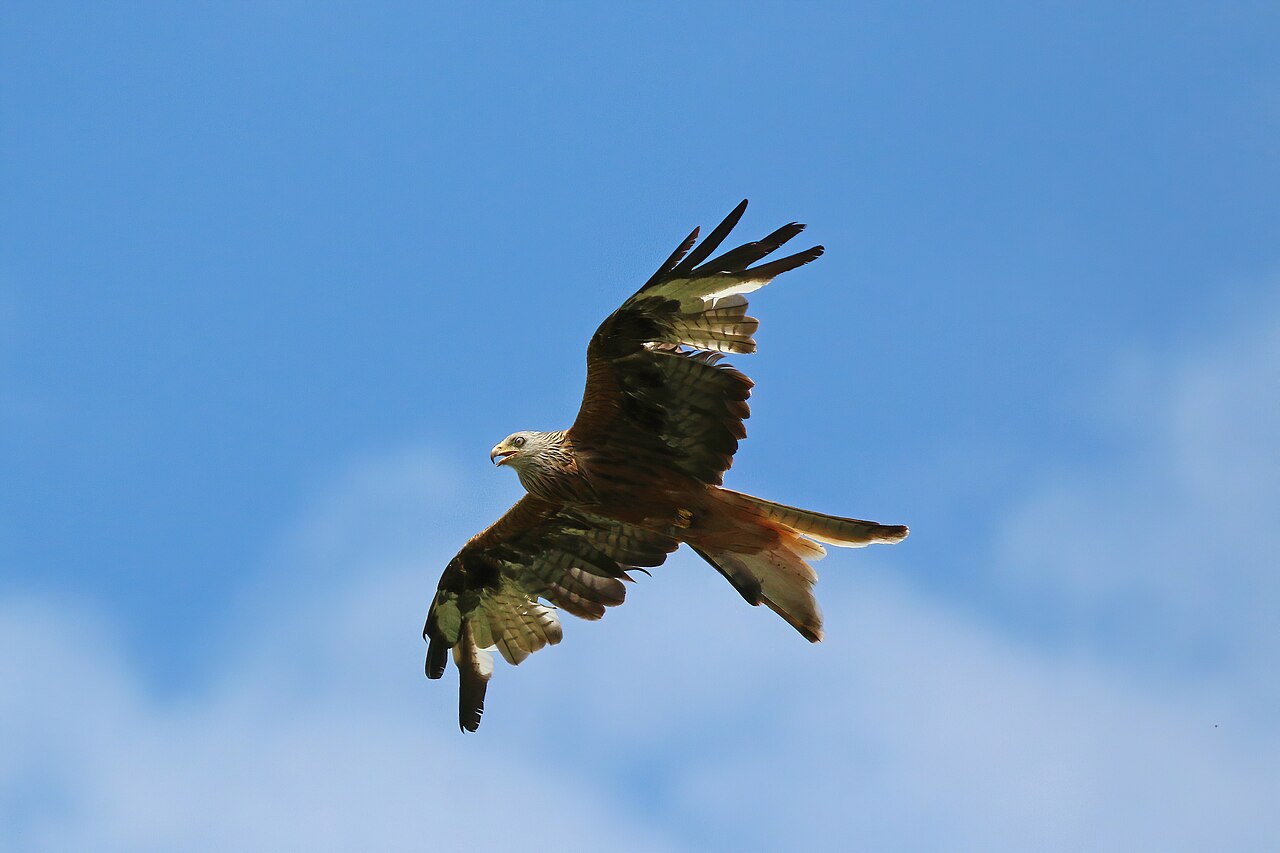
Red Kites Return to Jaén as Dangerous Power Poles Are Made Safer
Red kites are breeding again in Jaén, southern Spain, following a reintroduction programme. Twenty-one released birds used the…
Read story →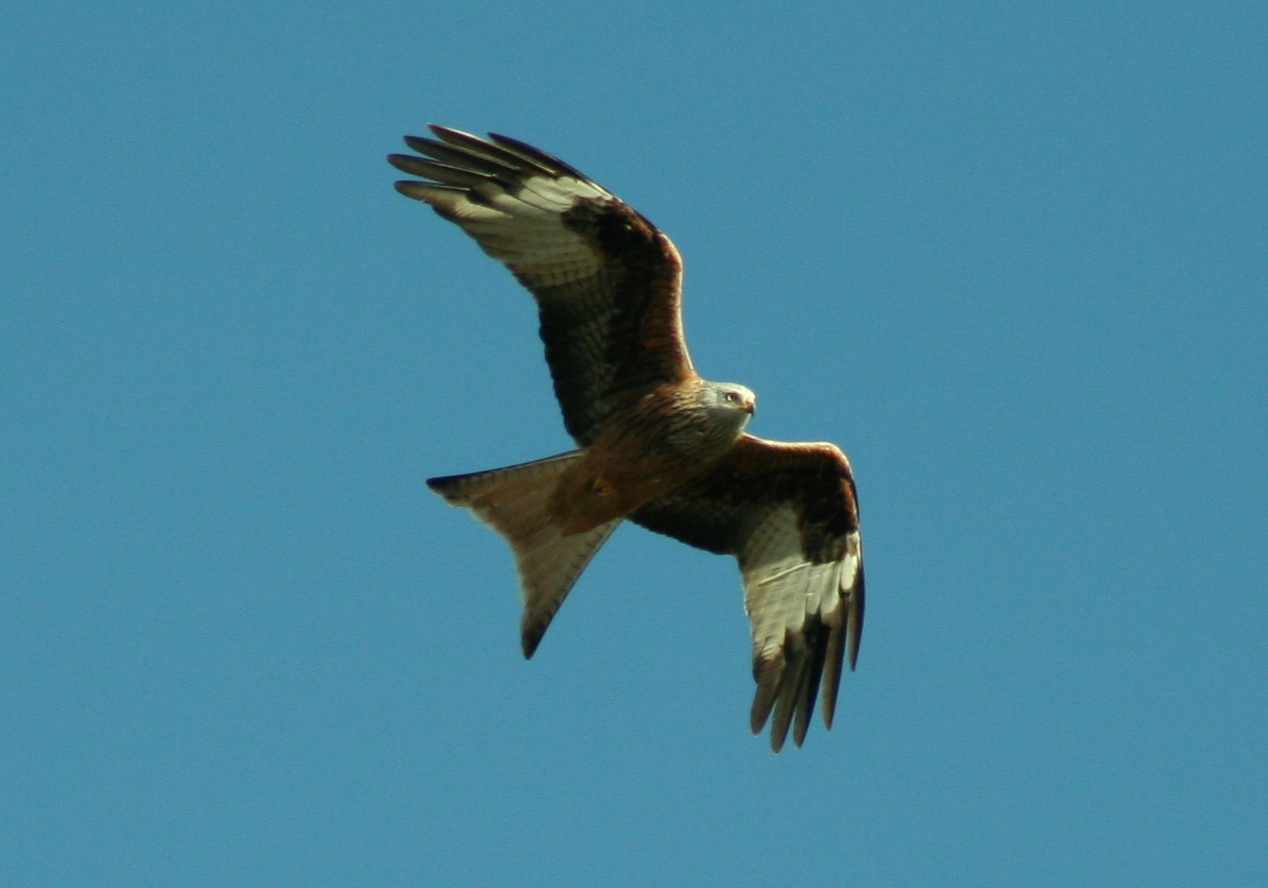
GPS Data Show Strong Wind-Turbine Avoidance in Red Kites
Tracking data from hundreds of red kites show very high overall avoidance around wind turbines, while weather and…
Read story →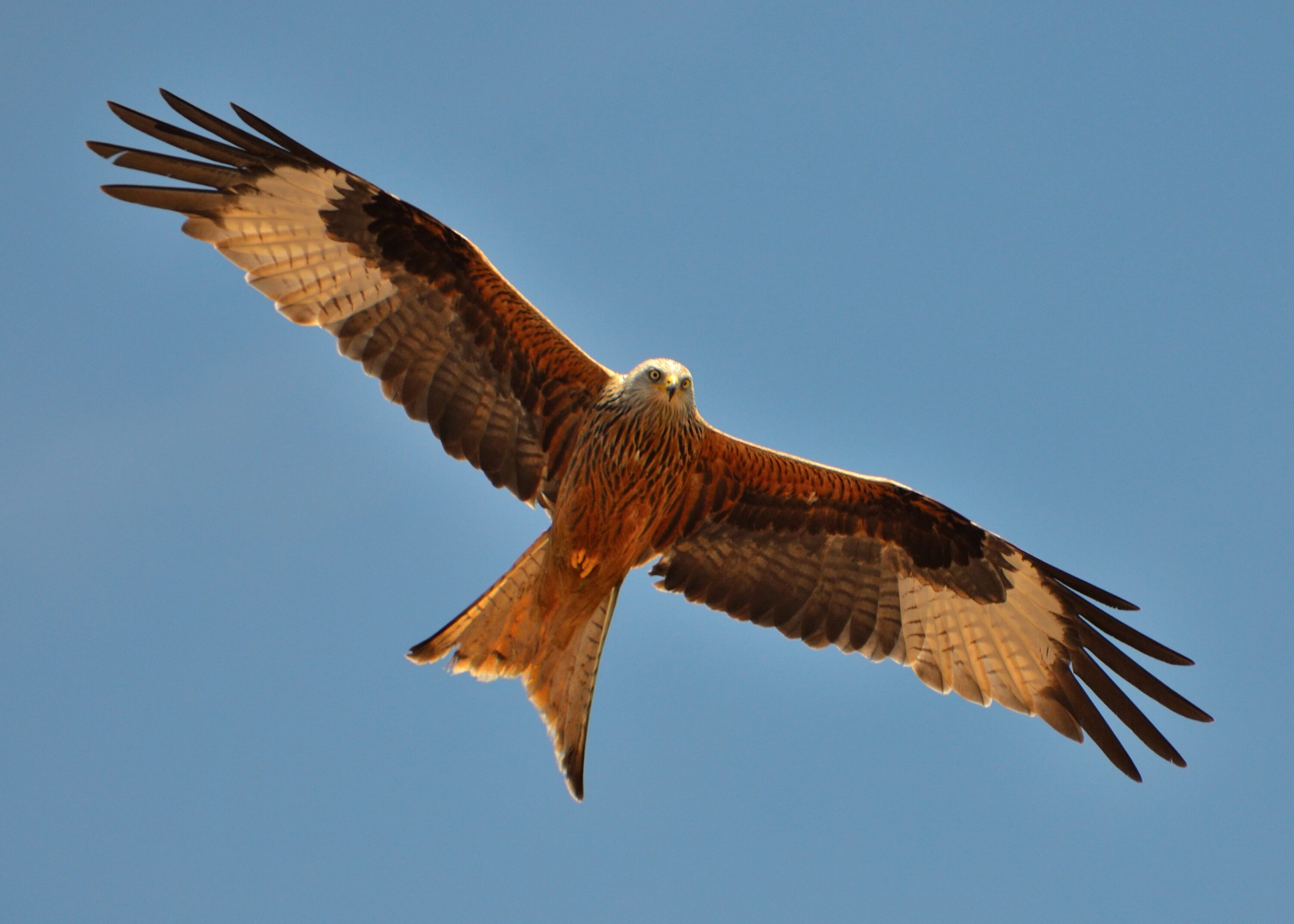
Thirteen Young Red Kites Were Released in Aspromonte in the Fourth Reintroduction Year
Thirteen young red kites from wild donor populations in Switzerland and Corsica, plus one captive-bred bird, were released…
Read story →SPECIES IN THIS STORY
Species in this story
Independent research and conservation news archive
Did you find this information useful?
Wildlife Vagabond is independently built and maintained. Voluntary support helps cover source verification, hosting and continued work on research and conservation news.
Support Wildlife VagabondThe news archive will remain freely available.