
Milder Winters Helped Make Hortobágy a Wintering Area for Greater White-fronted Geese
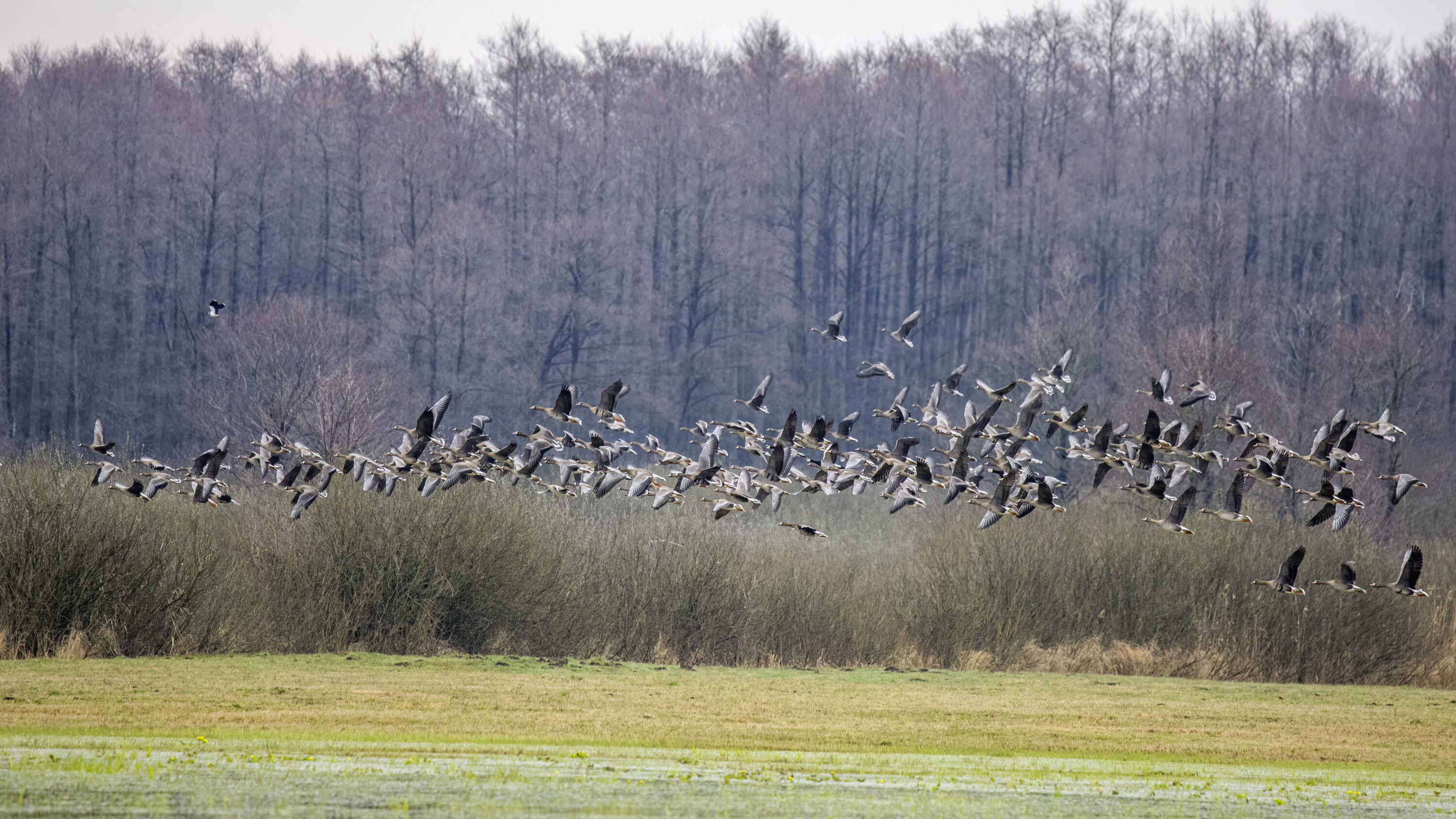
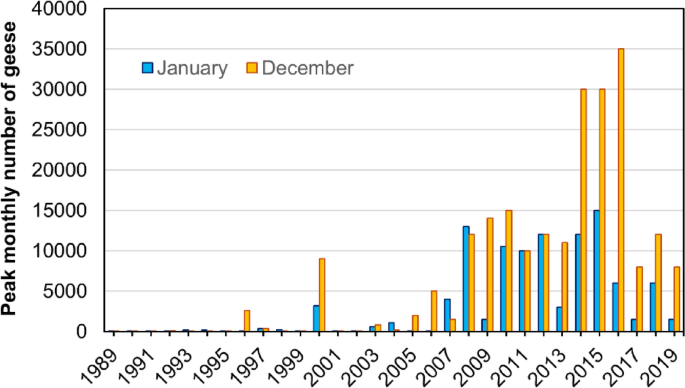
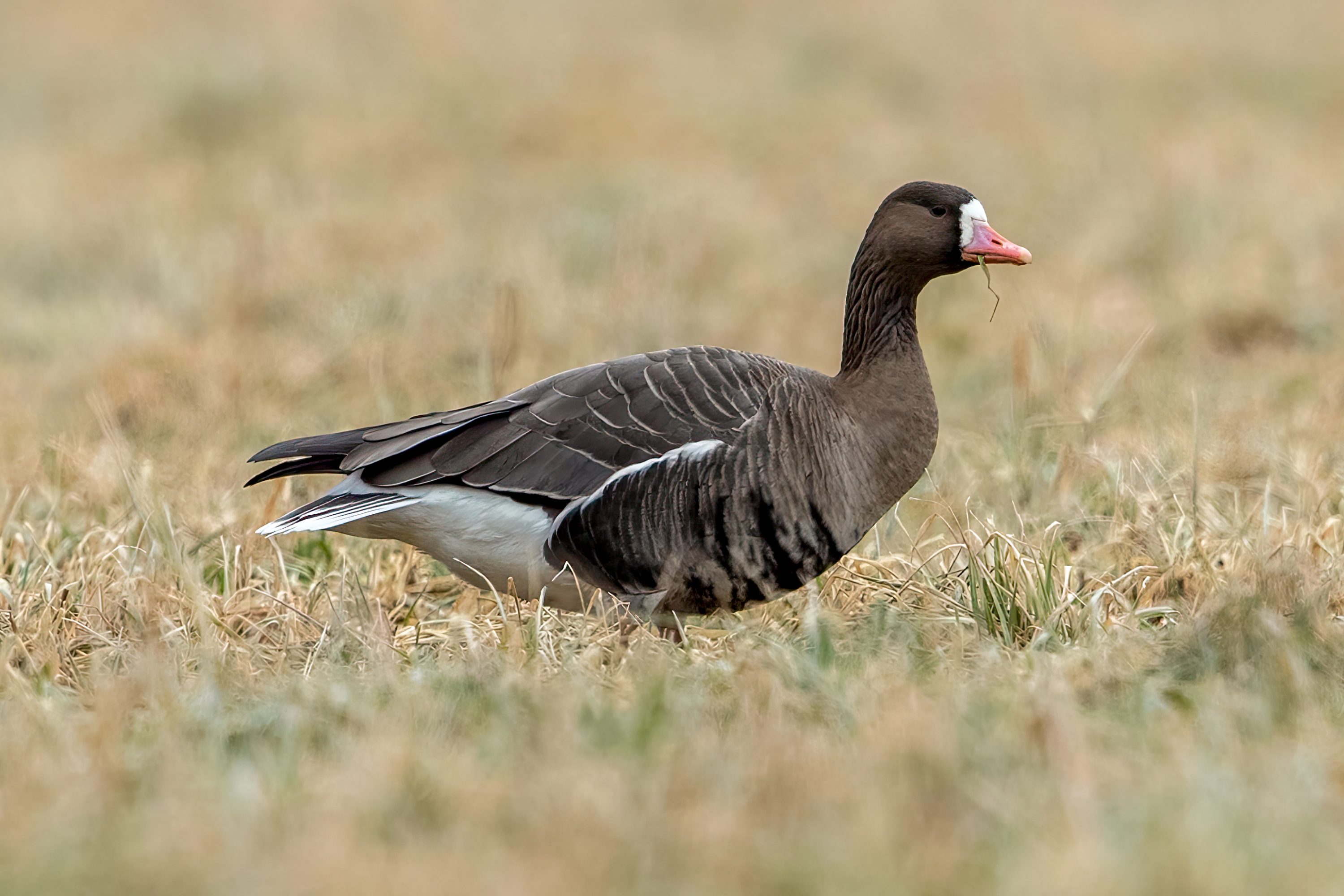
Milder winters were the main factor associated with the emergence of Hortobágy National Park in eastern Hungary as a regular wintering area for greater white-fronted geese (Anser albifrons), according to a 31-year study published in March 2026. Systematic counts from 1989 to 2019 showed that numbers using the area increased from fewer than 2,000 to more than 30,000 birds.
The researchers analysed 378 counting occasions together with long-term weather data, land-cover change, cropland availability and hunting disturbance. Spring counts increased especially rapidly in the early part of the study, while autumn numbers rose more strongly in later years. The local increase outpaced growth of the wider Pannonic flyway population during comparable periods, indicating that a growing share of the flyway population was using Hortobágy. Before 2000, most geese left the area for wintering grounds elsewhere, but increasing numbers began to remain through December and January after the turn of the century.
Winter counts rose from almost zero to tens of thousands
December peak counts rose from virtually zero to around 10,000 birds and reached about 30,000 in 2014–2016. Winter counts were higher in milder conditions, while more frost days were associated with fewer geese.
Land-cover change did not explain the shift
Changes in local land cover were small, and the area sown with maize and wheat declined rather than increased. Hunting disturbance outside the national park also increased and may have helped concentrate geese in the protected area, but the authors considered its effect less important than that of climate.
Ecology
Related news
Future Environmental Change Could Reduce Greater White-fronted Goose Migration Network Integrity by 35–71%
Models of the East Asian spring migration system from the Yangtze Basin to the Russian Arctic projected more…
Read story →
97% of Observed Goose Aggression in Northeast Poland Was Within Species
Field observations of four goose species in Poland recorded 662 aggressive episodes; 97% were within species, while seasonal…
Read story →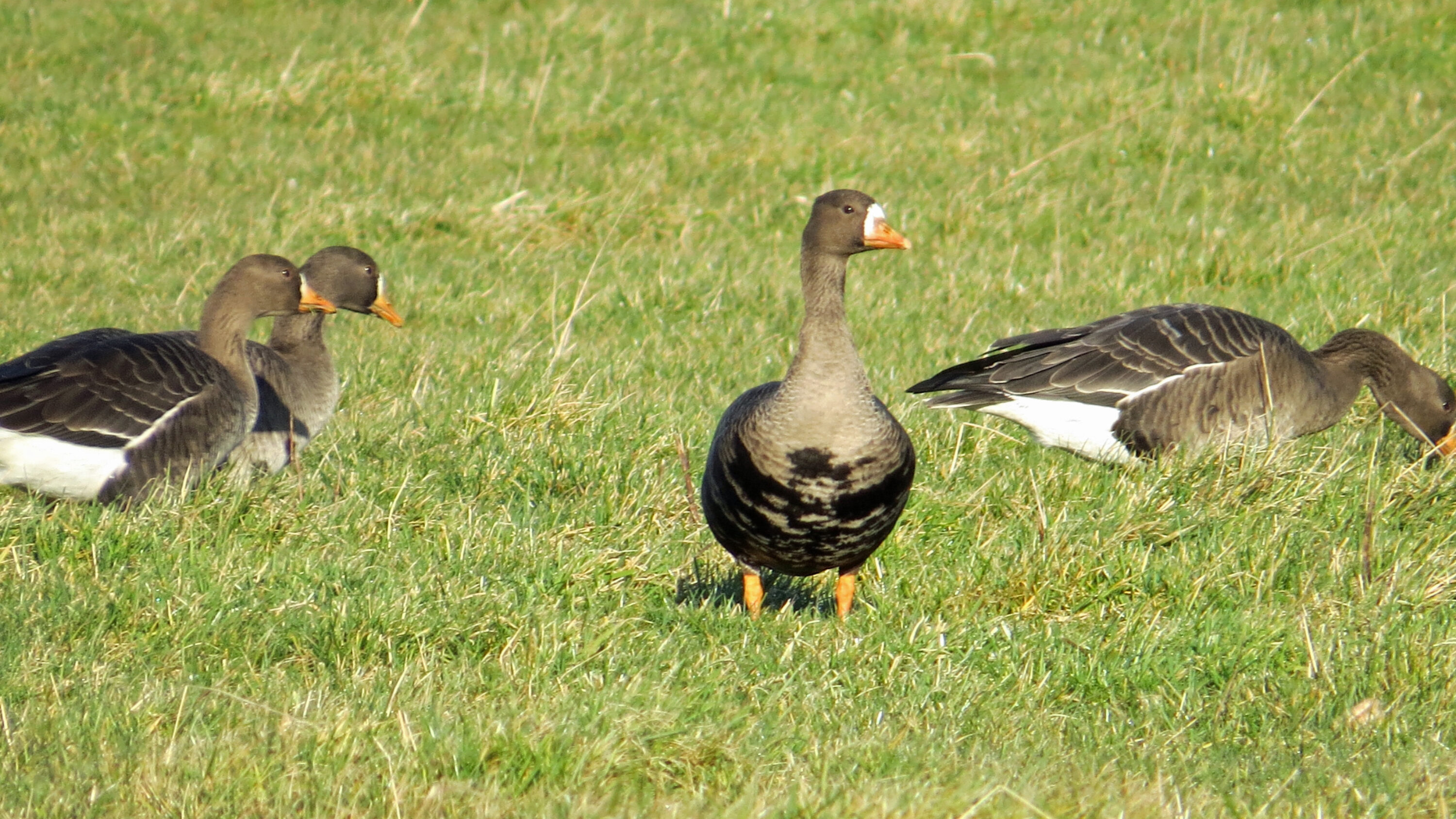
Low Breeding Output Helps Explain Greenland White-fronted Goose Decline
A study using 39 years of data linked the decline of Greenland white-fronted geese to low production of…
Read story →SPECIES IN THIS STORY
Species in this story
Independent research and conservation news archive
Did you find this information useful?
Wildlife Vagabond is independently built and maintained. Voluntary support helps cover source verification, hosting and continued work on research and conservation news.
Support Wildlife VagabondThe news archive will remain freely available.