
Population Model Estimated 47% Extinction Risk for Reintroduced Andalusian Ospreys Over 40 Years
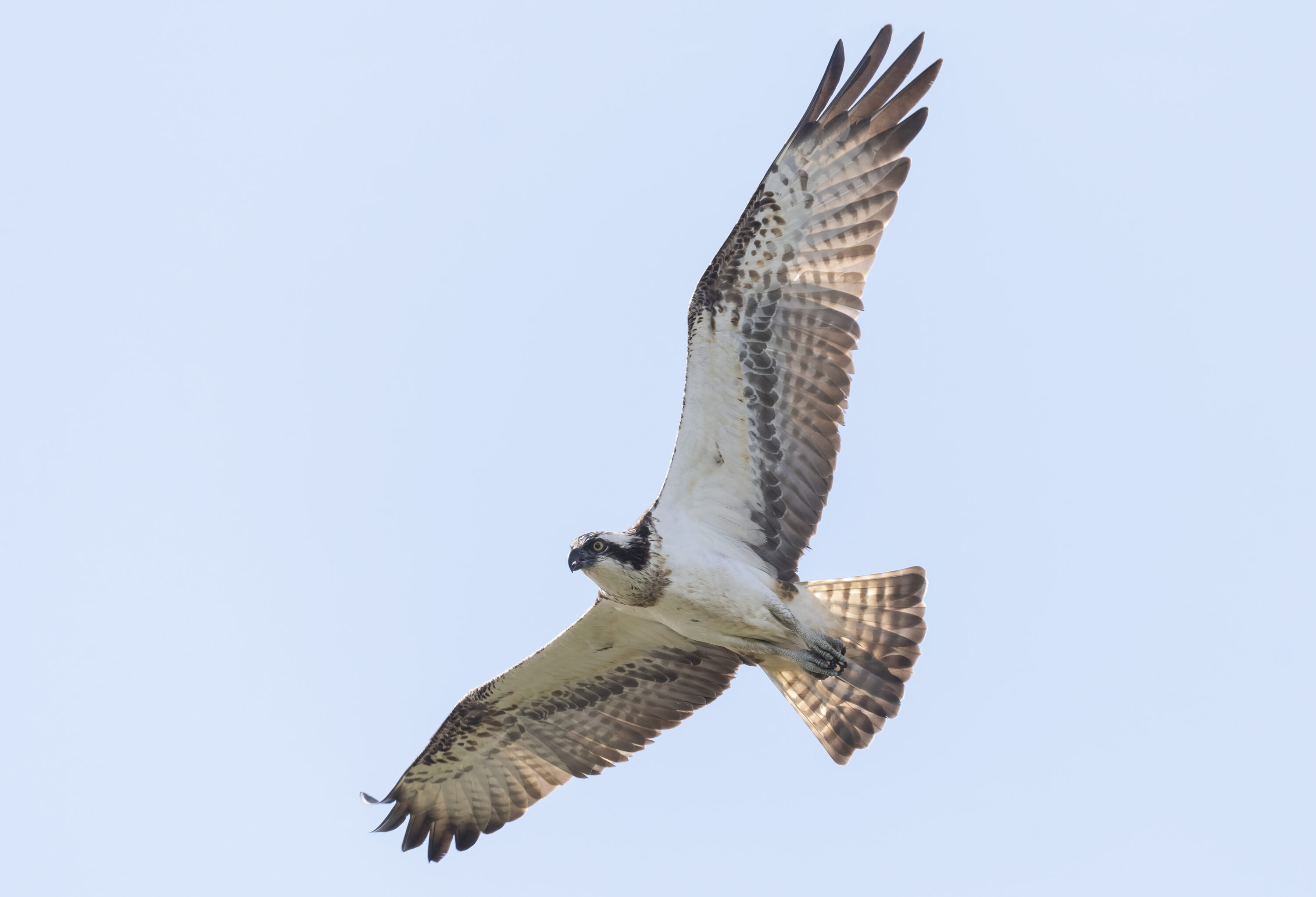
A reintroduced osprey population in southern Spain grew from no territorial pairs in 2003 to 19 in 2024, but a new population model indicates that the recovery is not yet secure. If current demographic conditions continue without further management, the model estimates a 47 per cent probability that the Andalusian population will disappear within 40 years.
The osprey (Pandion haliaetus) stopped breeding on the Iberian mainland by the end of the twentieth century. A reintroduction programme released birds in Andalucía between 2003 and 2012, and breeding subsequently resumed in the region. The new study, published online in Biological Conservation on 21 February 2026, examines what happened after those releases ended.
Researchers compiled demographic and reproductive records from 2003 to 2024. They divided the population’s development into three periods: establishment from 2003 to 2008, expansion from 2009 to 2015, and stabilisation from 2016 to 2024. Across the monitoring period, annual productivity averaged 1.09 young per territorial pair, breeding success averaged 79.7 per cent, and recorded clutches averaged 2.20 eggs.
The baseline model gave a 47% extinction probability over 40 years
The team then used the VORTEX population-viability model to test how the small population might develop under different assumptions and management strategies. Because local age-specific survival estimates were uncertain, the baseline relied mainly on mortality rates from GPS studies of comparable Mediterranean populations that were broadly consistent with the Andalusian data. With these and the current reproductive estimates, average population growth was negative. Although the population did not disappear in every simulated future, the probability of extinction reached 47 per cent over four decades.
The model also showed why a population that has returned can remain vulnerable. Sensitivity tests showed that higher mortality in any age class could push projected population growth below zero. Poorer breeding performance, later first breeding and lower immigration could also turn projected growth negative. Adult mortality had the strongest influence, but the results show that several relatively small demographic changes can push this small, long-lived population into decline.
Reducing mortality cut modelled extinction risk to 3–4%
Scenarios that reduced mortality produced the strongest improvements. Reducing mortality in either younger birds or adults cut the modelled extinction risk to low single digits. Combining both changes produced positive growth and no extinctions among the simulated populations. Improving breeding performance also helped, but less than reducing mortality.
Additional releases helped only while supplementation continued
Releasing additional birds was helpful only while supplementation continued. Once releases stopped, the model again projected negative growth unless underlying survival or reproduction also improved. The authors therefore argue that post-release management must address the factors that limit a population, rather than treating the release itself as the endpoint of reintroduction.
Suggested measures include preventing deaths at fish farms, power lines and wind farms, and developing standardised safeguards against entanglement in aquaculture nets. The researchers also recommend creating artificial nests near suitable waters to support range expansion, limiting disturbance from boats, seaplanes and tourism during sensitive breeding stages, and preventing white storks from taking over osprey nests where this is a problem.
The 47% figure is a model result, not a certain forecast
The study does not present 47 per cent as a certain forecast. Population-viability results depend on the values entered into the model, and the authors identify uncertainty in age-specific mortality, immigration and carrying capacity — the number of birds the area is assumed to support. Different modelling programs can also produce different estimates. The Cádiz and Huelva breeding groups were treated as one connected population because birds move between them.
Across the tested scenarios, reducing avoidable mortality produced the strongest improvement, with adult survival having particularly large effects on projected persistence. The reintroduction restored breeding ospreys to mainland southern Iberia, but the model indicates that the current population remains sensitive to relatively small demographic changes.
Reintroductions & translocations
Related news
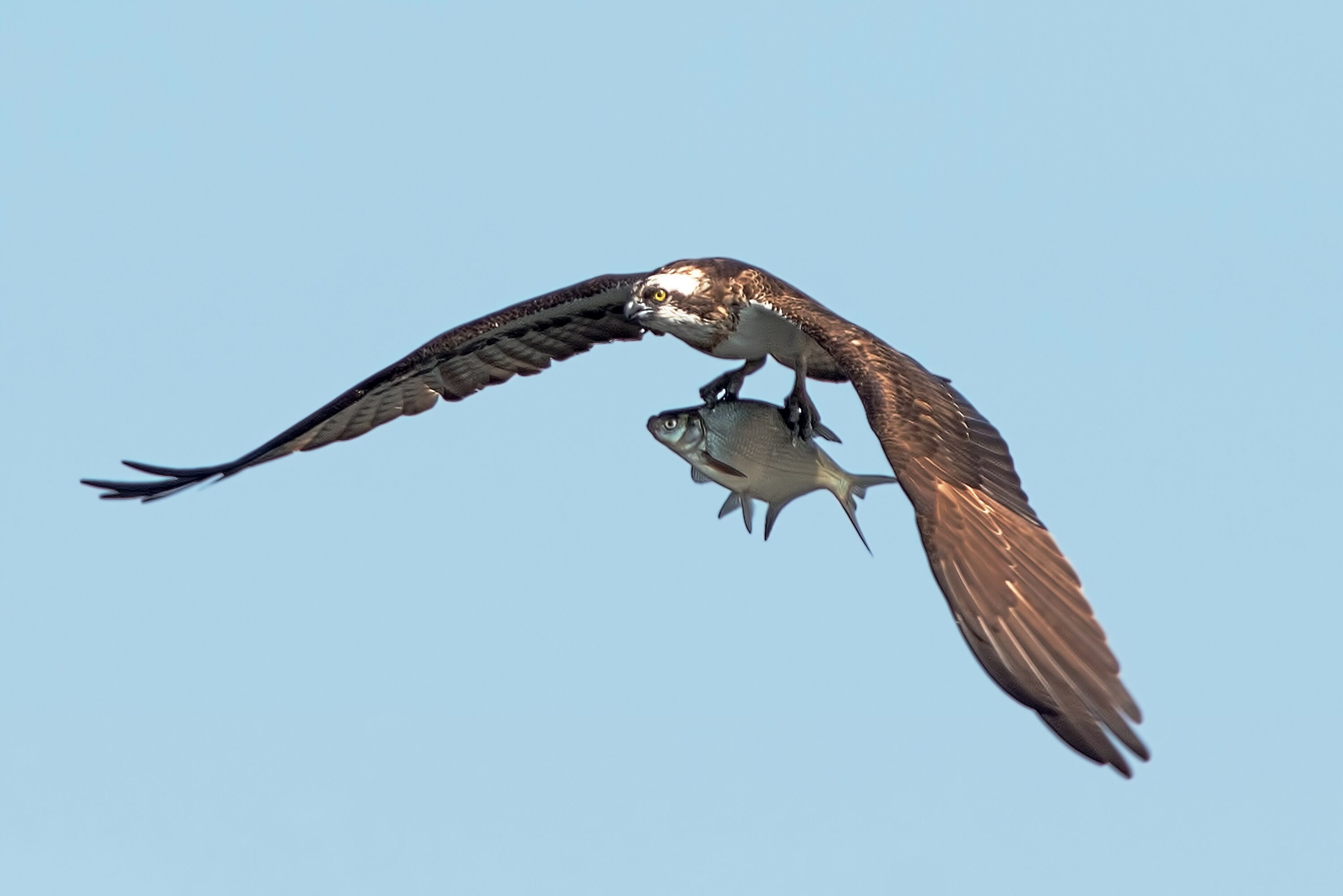
VKM: Exporting Up to 26 Osprey Young to Ireland Would Not Harm Conservation Status in Norway
VKM concluded that exporting up to 26 wild young ospreys from two Norwegian donor areas to Ireland would…
Read story →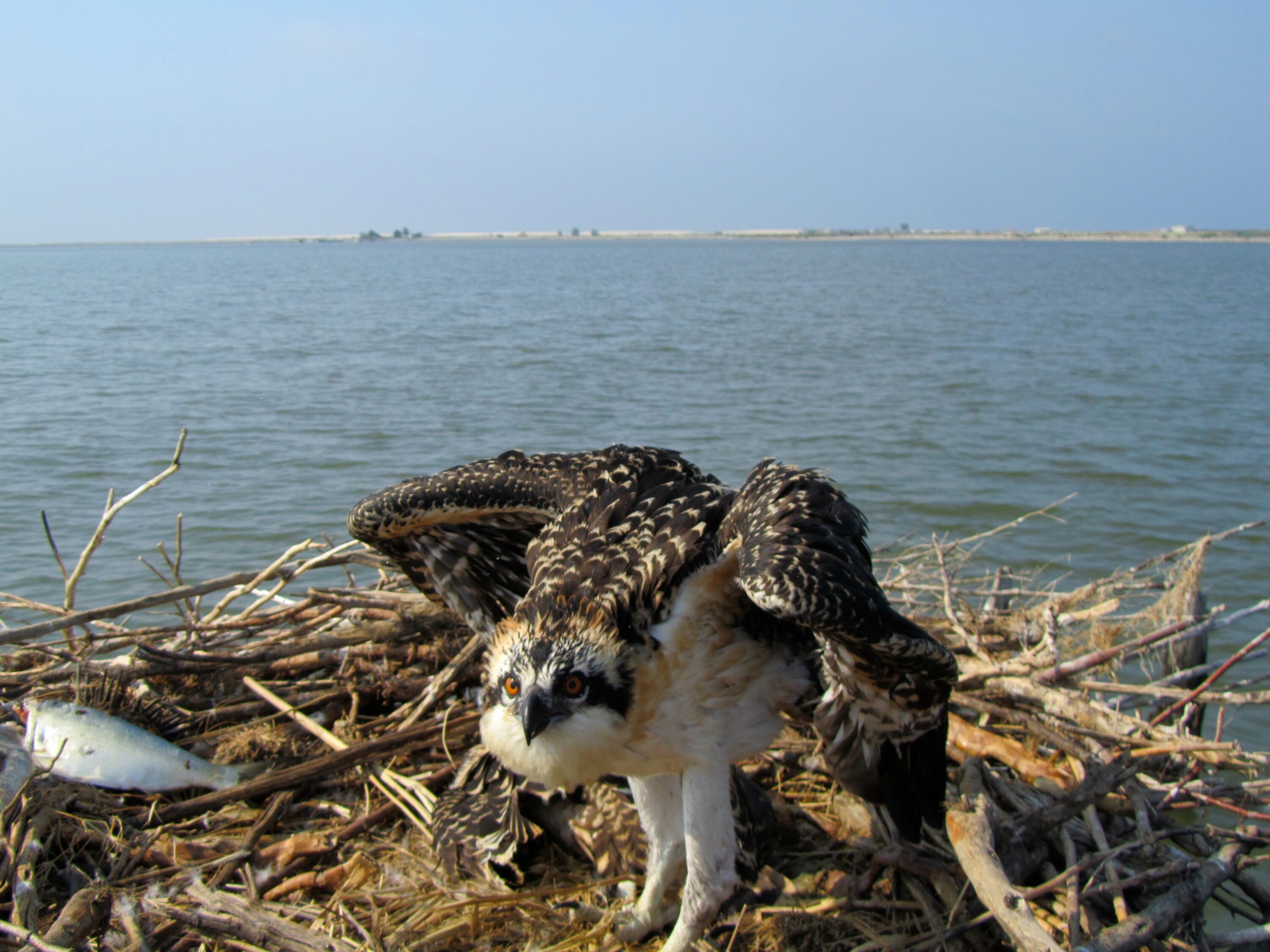
24 Osprey Chicks Fledged From 12 Rutland Nests
Rutland Osprey Project reported 24 chicks fledged from 12 nests in 2026. The season produced 14 chicks assessed…
Read story →
Ospreys Raised Three Chicks in Switzerland’s First Breeding in 112 Years
A male released by the Swiss reintroduction project and an unringed female of unknown origin raised three chicks…
Read story →SPECIES IN THIS STORY
Species in this story
Independent research and conservation news archive
Did you find this information useful?
Wildlife Vagabond is independently built and maintained. Voluntary support helps cover source verification, hosting and continued work on research and conservation news.
Support Wildlife VagabondThe news archive will remain freely available.