
Monocrotophos Poisoning Killed 121 Indian Peafowl Across Eight Tamil Nadu Incidents
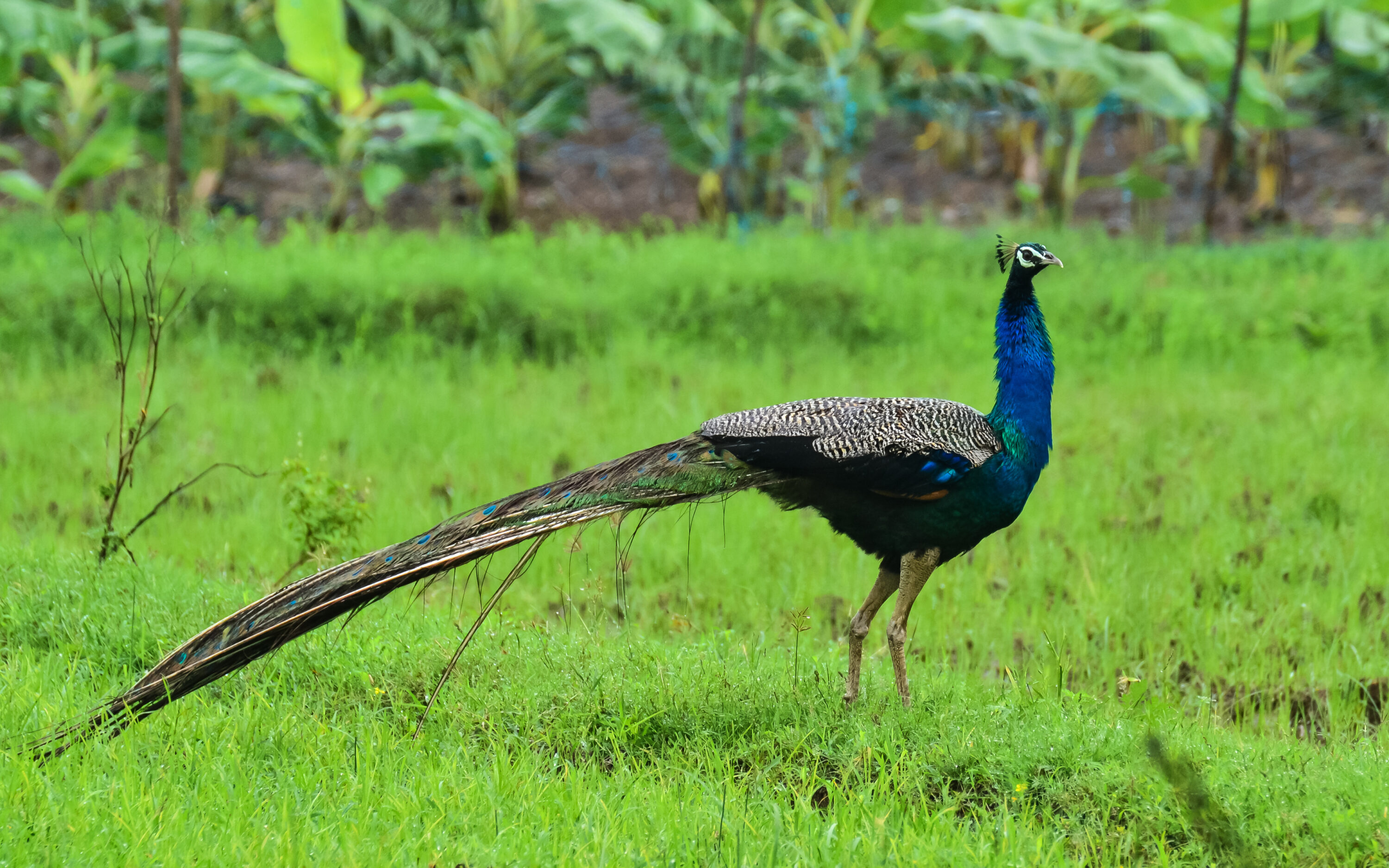
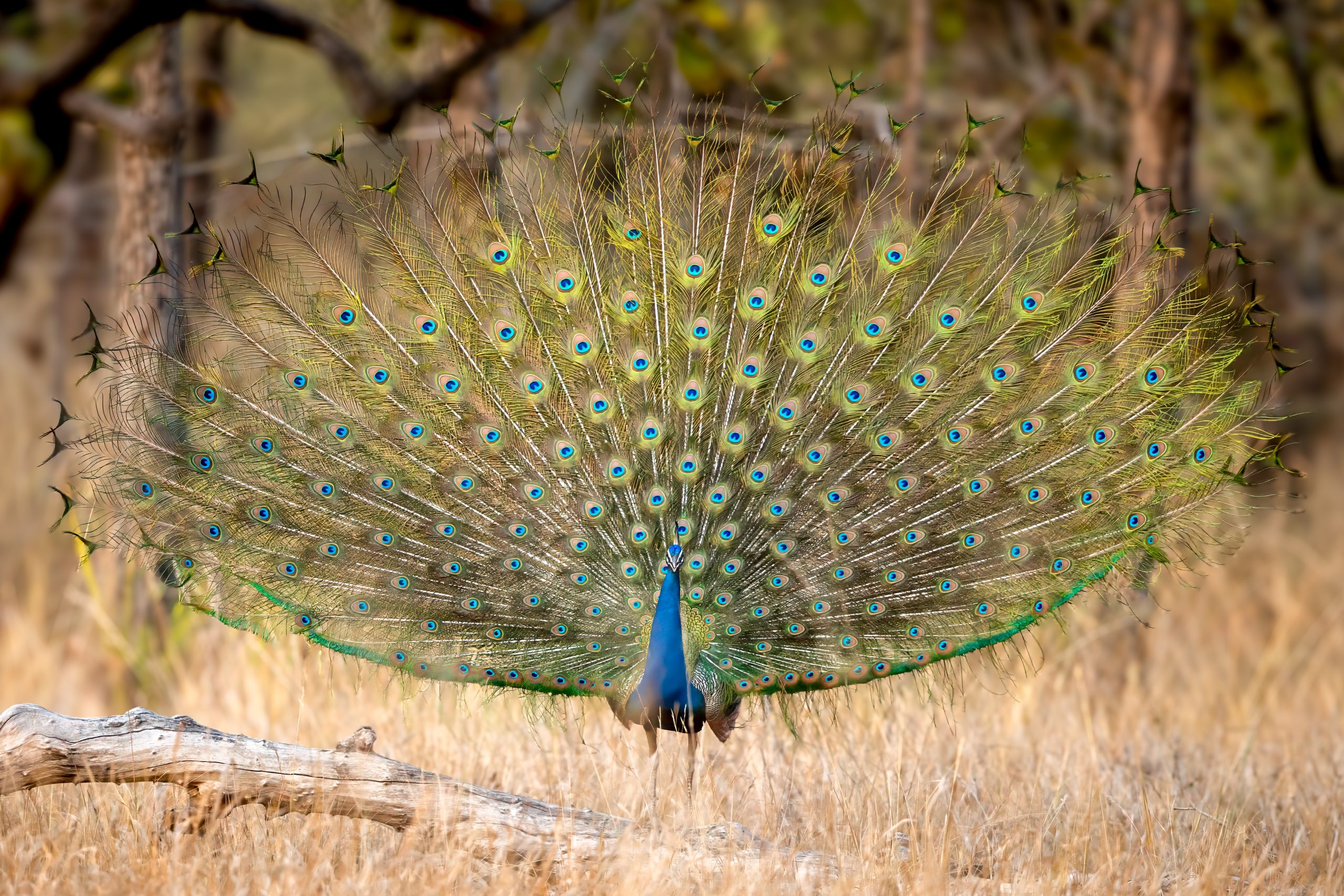
Eight mass-mortality incidents in Tamil Nadu between 2019 and 2021 killed 121 Indian peafowl (Pavo cristatus). A toxicology study published on 2 July 2026 analysed five tissue or digestive-content sample types from 41 of the birds and screened them for 45 pesticides. Monocrotophos, a highly toxic organophosphate pesticide, was detected in every investigated incident.
Monocrotophos was found in birds and bait from all eight incidents
The researchers used liquid chromatography–tandem mass spectrometry (LC-MS/MS) to test crop contents, gut contents, liver, kidney and muscle. Monocrotophos was consistently detected in both peafowl samples and bait material, at concentrations the authors report were far above known avian toxicity thresholds.
The residue pattern was strongly weighted toward the digestive tract. The highest concentrations were in the crop—the food-storage pouch in the upper digestive tract—with gut contents also carrying far more monocrotophos than liver, kidney or muscle. The authors interpret this strong concentration of residues in recently ingested material as evidence that the birds had recently eaten pesticide-treated food grains.
The toxicological evidence supported monocrotophos as the cause of mortality
The combination of repeated detection across all eight incidents, very high residues in digestive contents and detection in bait led the authors to identify monocrotophos poisoning as the cause of the mass mortalities. The paper describes the results as definitive toxicological evidence of pesticide-induced mortality in Indian peafowl, strengthening earlier field and news reports in which poisoning had been suspected but not always analytically confirmed.
The study therefore goes beyond simply showing that pesticide residues were present. The residue pattern links the birds to a recent ingestion event and provides a consistent toxicological explanation across the investigated incidents.
Three additional pesticides appeared in single incidents
Flubendiamide, profenophos and carbendazim were each detected in one incident in addition to monocrotophos. The authors describe these as the first reported detections of those pesticide residues in wild birds globally. They do not identify the three compounds as the common cause across the eight incidents; monocrotophos was the pesticide consistently present throughout the series.
The authors call for tighter monitoring and regulation
The study places the deaths in the wider context of pesticide misuse affecting non-target wildlife. Indian peafowl are India’s national bird and frequently use agricultural landscapes, where poisoned bait or improperly used pesticides can create exposure risks.
The authors call for coordinated monitoring of wildlife poisoning, stricter regulation and enforcement around highly hazardous pesticides, and community-level awareness to reduce further poisoning. Their central finding is direct: across eight investigated mass-mortality events involving 121 peafowl, monocrotophos provided the consistent toxicological link between poisoned bait and the birds that died.
Threats
Related news
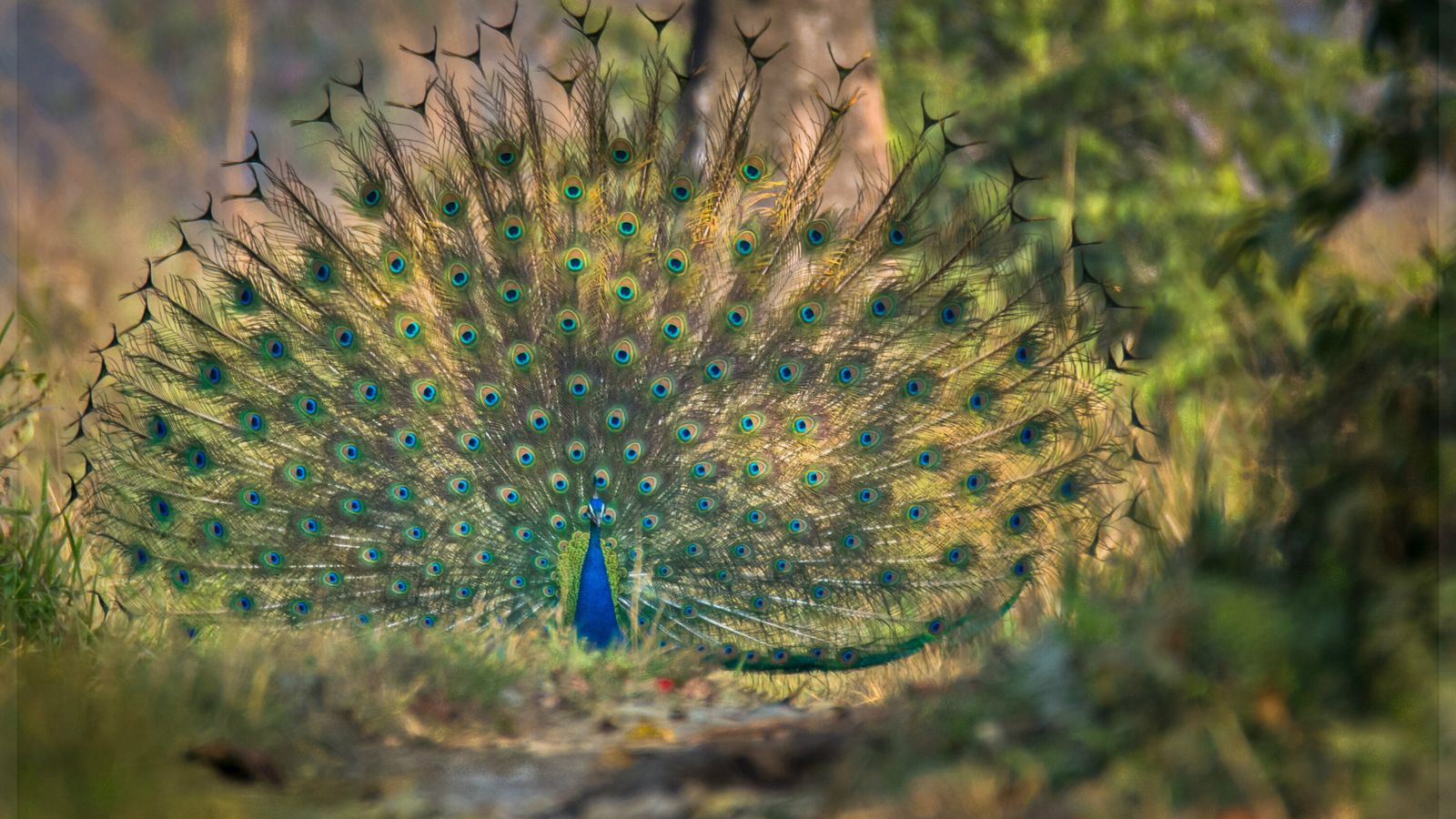
Similar Peafowl Eyespot Colors Came From Different Feather Nanostructures
Indian and green peafowl produced similar iridescent eyespot colors through different nanoscale feather architectures, while neck, back and…
Read story →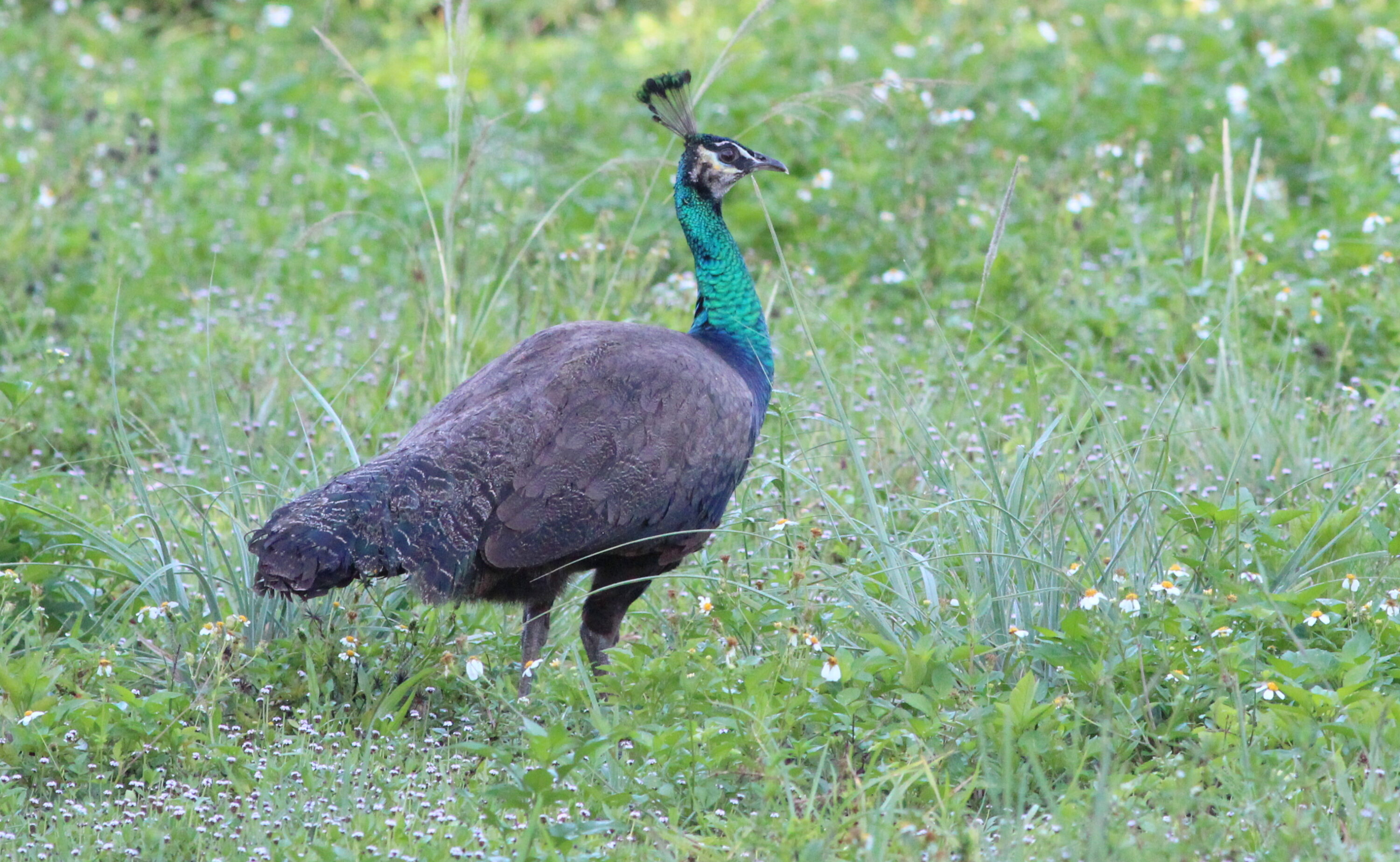
Indian Peafowl and Sri Lankan Junglefowl Allopreening Was Documented in the Wild in South Asia for the First Time
A female Indian peafowl and a male Sri Lankan junglefowl were observed preening each other for about 10…
Read story →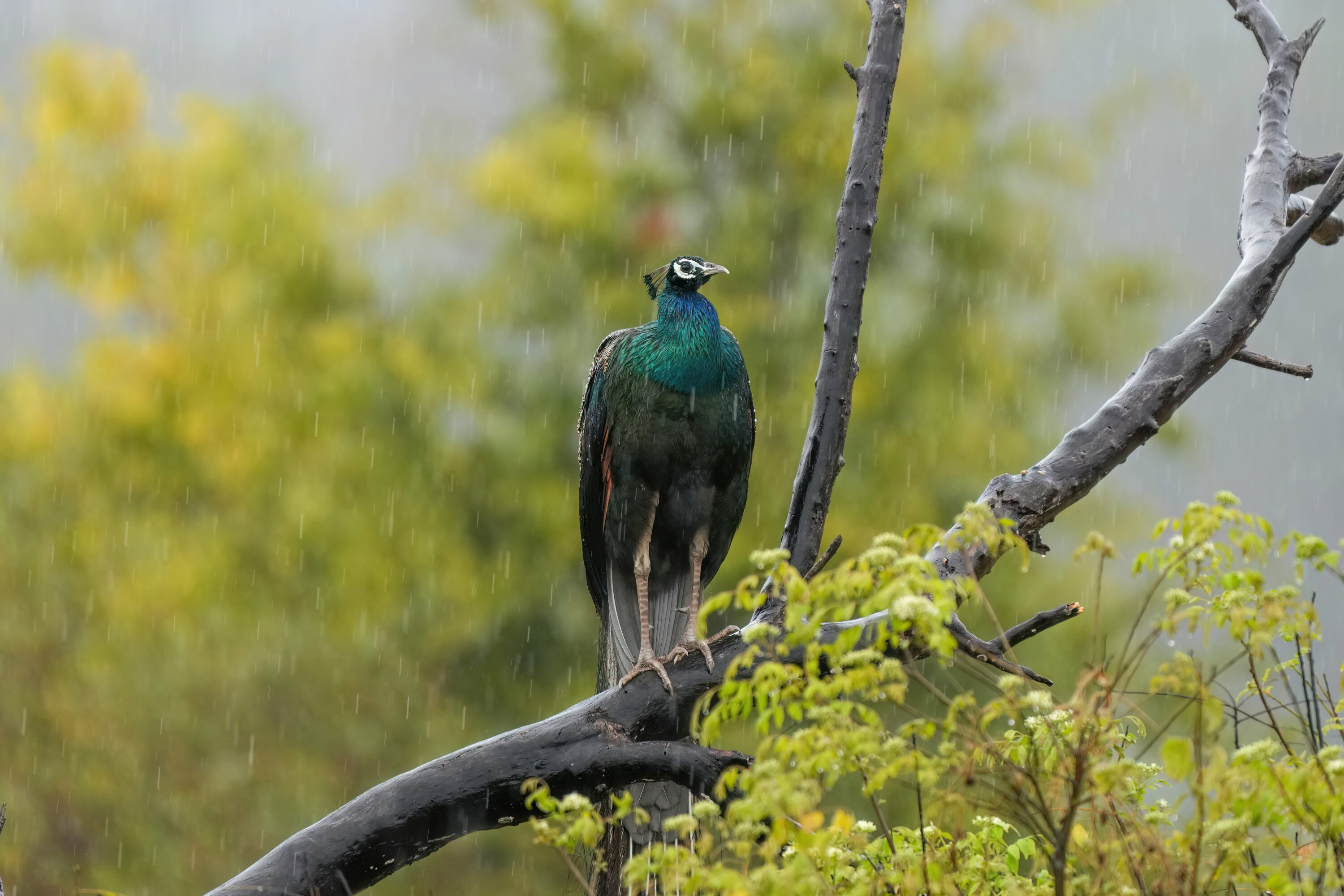
Indian Peafowl Index Was About 3.3 Times Its Earlier Level and Still Rising Rapidly in India
The 2025 State of India’s Birds update estimated a +233.3% long-term trend for Indian peafowl in India, putting…
Read story →SPECIES IN THIS STORY
Species in this story
Independent research and conservation news archive
Did you find this information useful?
Wildlife Vagabond is independently built and maintained. Voluntary support helps cover source verification, hosting and continued work on research and conservation news.
Support Wildlife VagabondThe news archive will remain freely available.