
Muskox DNA Predates Human Settlement at One Northeast Greenland Lake
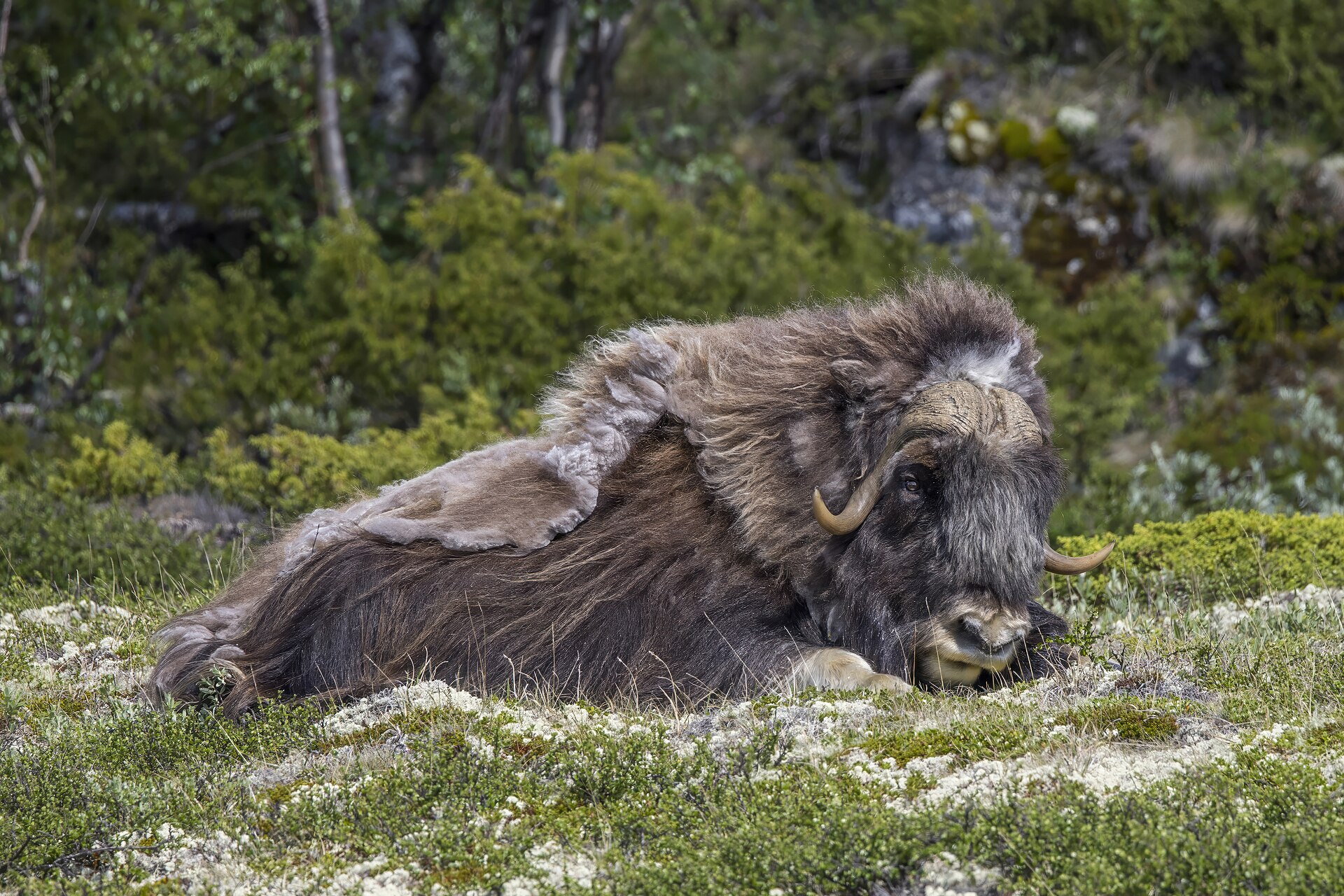
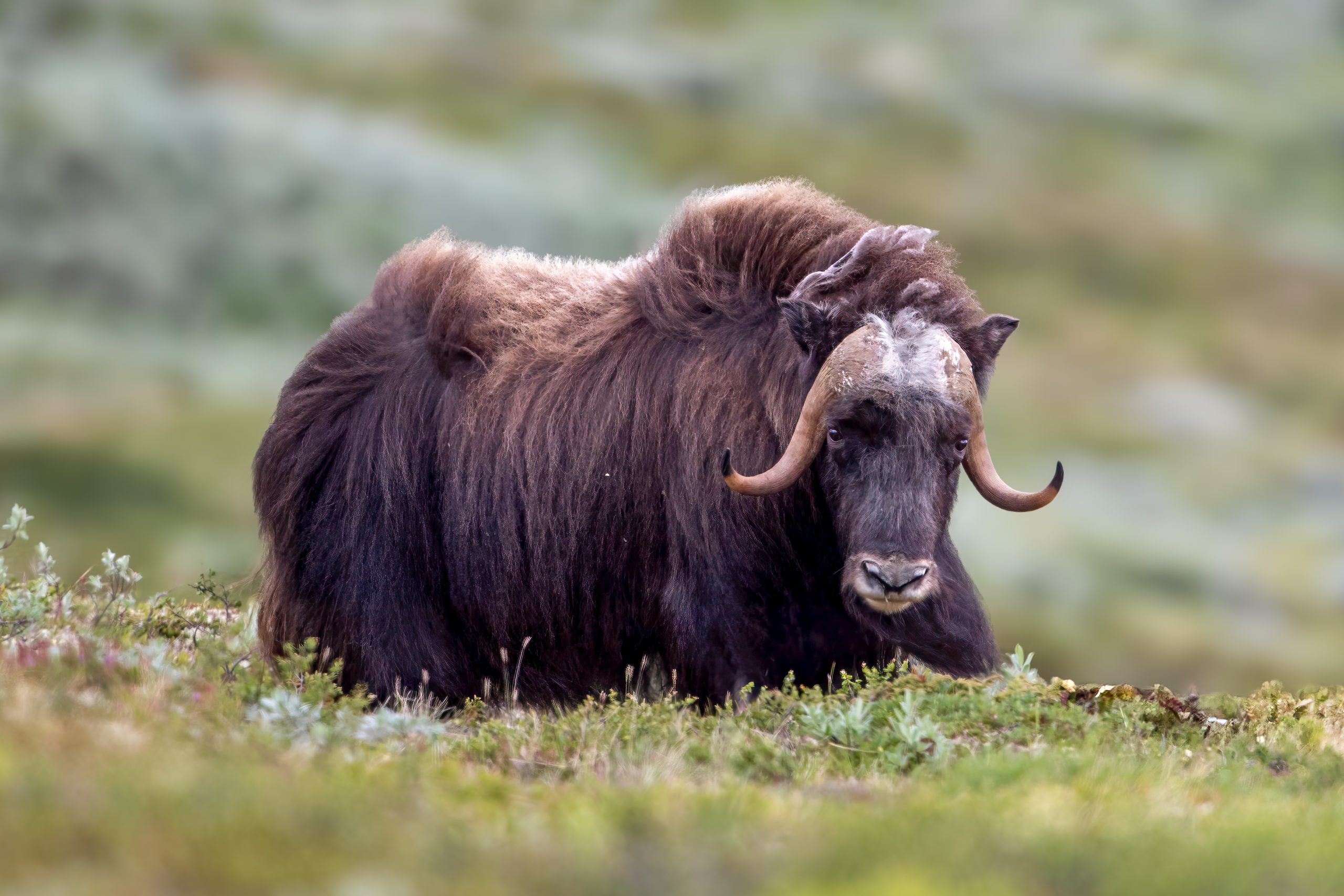
A bioRxiv preprint traces changes in plants and animals in northeast Greenland using DNA preserved in lake sediments. At Midsommersoe, muskox (Ovibos moschatus) DNA appears continuously from about 7,400 years ago—roughly 3,000 years before people arrived in the area. That finding challenges the idea that muskoxen reached this part of Greenland only with the first people, or were brought in by them.
The researchers analysed sedimentary ancient DNA from three lakes—Late Sommersoe and Midsommersoe in Wandel Dal, and a lake at Zackenberg. They identified 121 native plant species and nine animal taxa. Sedimentary ancient DNA consists of genetic traces from organisms preserved in lake sediments. It can show which species are represented in sediment samples from a site, but it is not a direct count of how many animals lived there.
Different lakes record different histories
The contrast between the sites is striking. The Zackenberg record reaches back about 12,200 years, but muskox DNA occurs only in its most recent 2,500 years, a period that coincides with Greenlandic Dorset culture. At Midsommersoe, by contrast, muskox DNA is present continuously from around 7,400 years ago. The records therefore do not point to one shared arrival date for muskoxen across the region.
The result bears on the “Muskox Way” hypothesis: that the first people entering northeast Greenland from Arctic Canada followed and hunted muskoxen. Whether muskoxen were already there before people arrived has been debated; only two muskox bones predating the Independence culture, about 4,500–3,900 years ago, have been reported. The Midsommersoe DNA record provides evidence of muskox presence thousands of years earlier.
Plant DNA and remains also reveal a changing landscape. The earliest Zackenberg layers contain Arctic herbs, grasses, ferns and crowberry. Willow appears from about 8,200 years ago, followed by birch from about 7,200 years ago. In Wandel Dal, the plant assemblage indicates conditions warmer than today between roughly 8,200 and 3,900 years ago. Around 3,900 years ago, the recorded flora and the rate of sediment accumulation changed abruptly, especially at Midsommersoe.
Wildlife records before and after human settlement
Reindeer DNA occurs only in samples older than 6,000 years, consistent with the absence of reindeer bones from the archaeological records discussed by the authors. Around the arrival of Thule culture in Greenland, about 1400 CE, the Wandel Dal records show a slight increase in plant richness and more mammal detections.
Taken together, the records indicate that large mammals, including muskoxen, were present in northeast Greenland before people arrived, and the authors conclude that human impacts on megafauna populations appear to have been limited. At Midsommersoe, the early muskox traces make human settlement alone an unlikely explanation for their presence; the findings do not establish how the animals reached Greenland. Some changes in plant and animal records coincide with cultural transitions, but timing alone cannot show that people caused the environmental shifts. The different lake histories reveal a landscape and wildlife community that changed across the Holocene, both before and after human settlement.
The study is a preprint and has not yet been peer reviewed.
Ecology
Related news
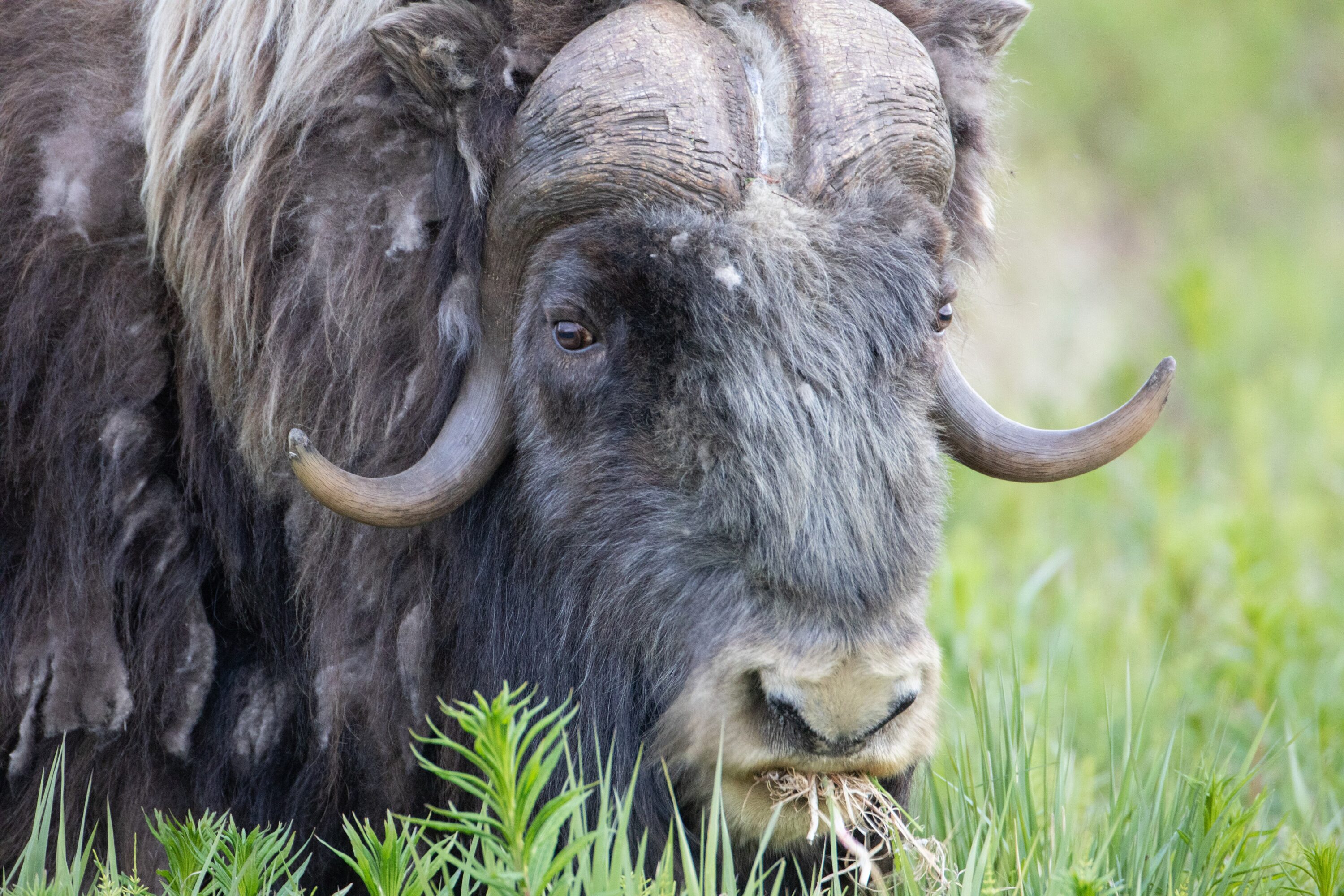
Model Points to Feces and Alternative Hosts in Muskox Bacterial Disease
A 2026 multi-host model of Erysipelothrix rhusiopathiae in Arctic muskoxen found that direct and fecal transmission could sustain…
Read story →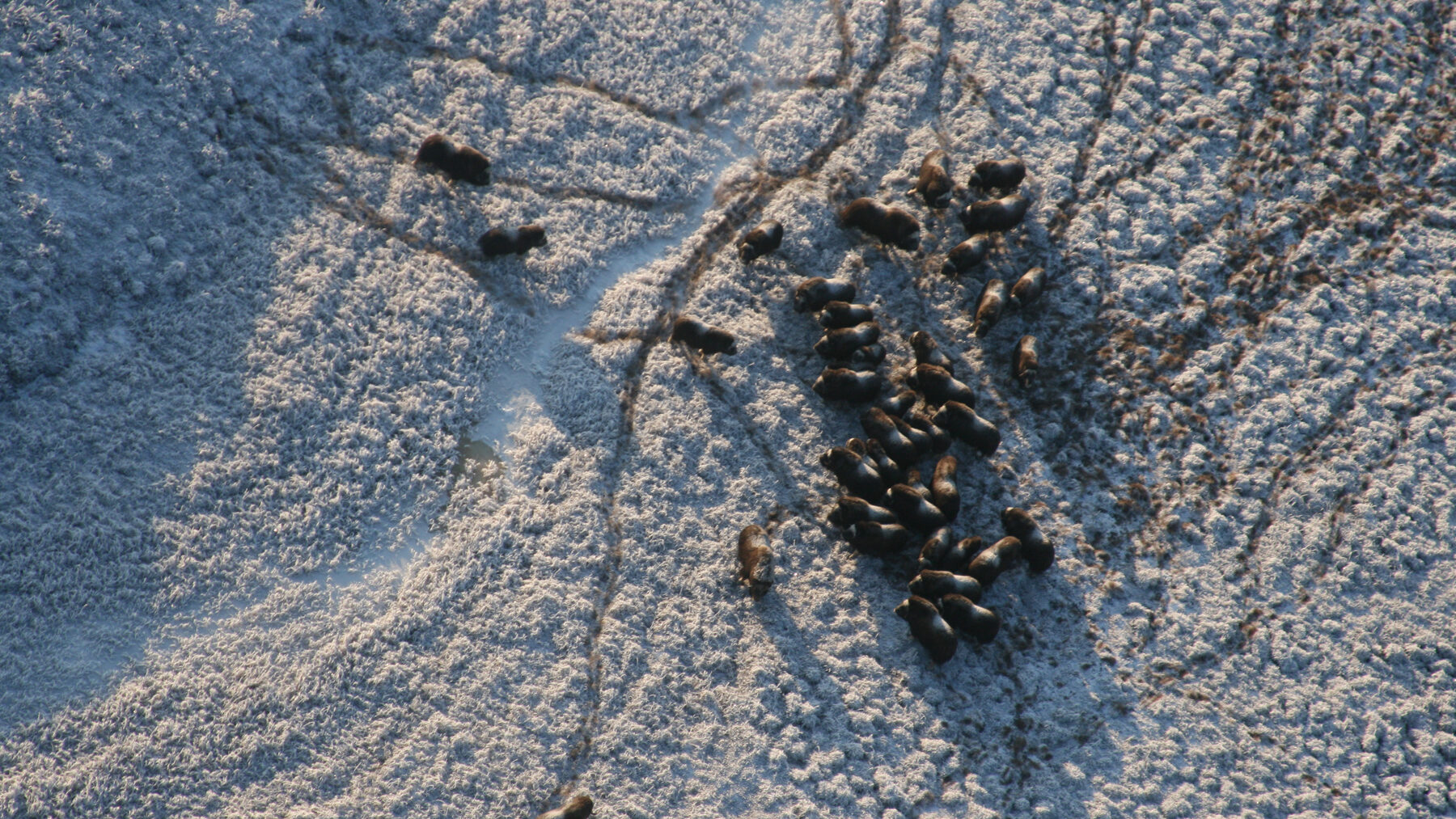
Synthetic Images Helped Train Muskox Detectors When Real Aerial Photos Were Scarce
A 2026 study found that object-detection models trained only on synthetic muskox images could detect more than 80%…
Read story →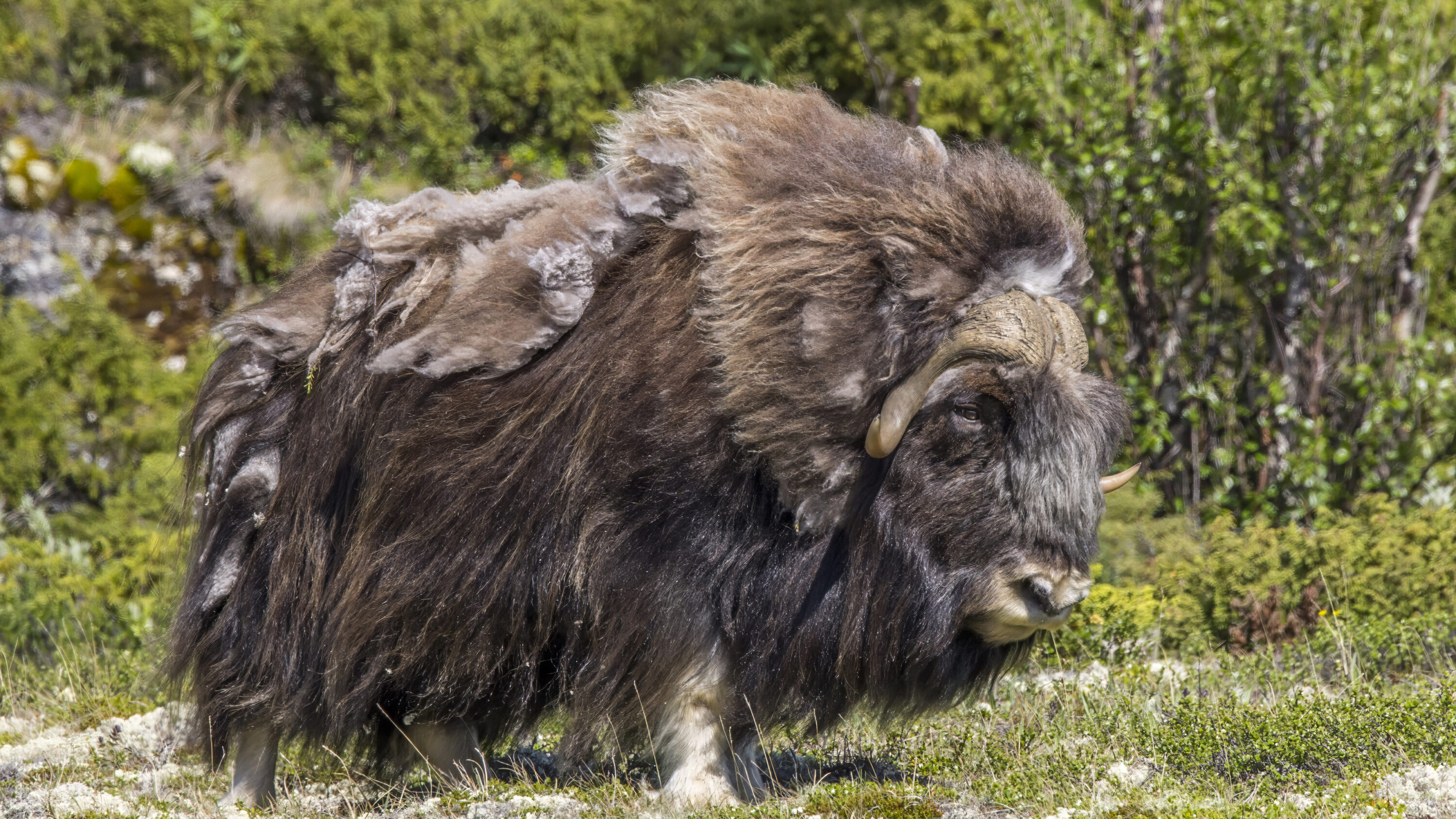
Dovrefjell Winter Count Found 220 Muskoxen, Above the 200-animal Management Target
Norway's 2026 winter count recorded 220 muskoxen on Dovrefjell, including 32 calves. The population has ranged from 200…
Read story →SPECIES IN THIS STORY
Species in this story
Independent research and conservation news archive
Did you find this information useful?
Wildlife Vagabond is independently built and maintained. Voluntary support helps cover source verification, hosting and continued work on research and conservation news.
Support Wildlife VagabondThe news archive will remain freely available.