
Negative Frequency-Dependent Selection May Maintain an 8 Mb Inversion in Eurasian Blackcaps
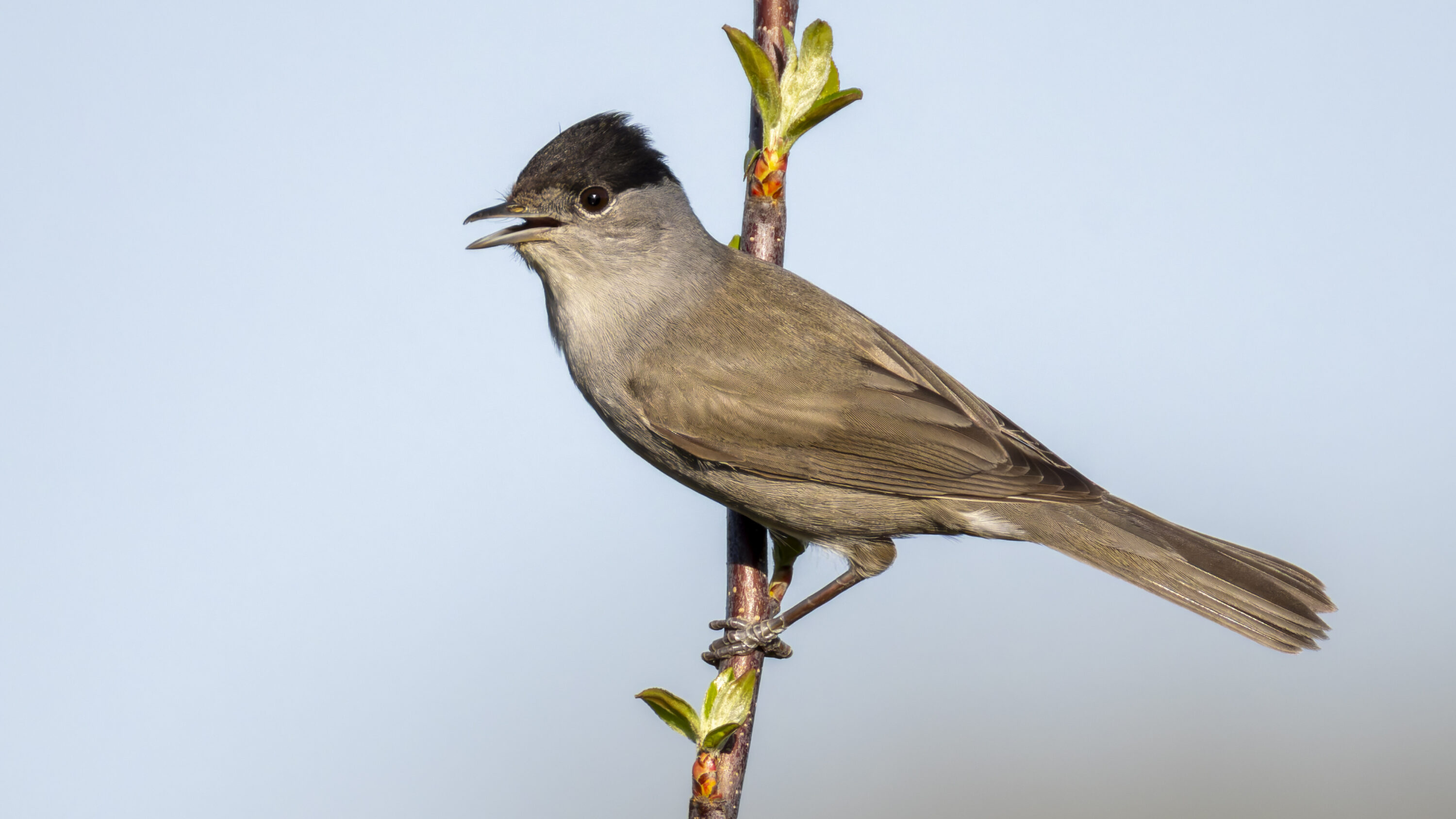
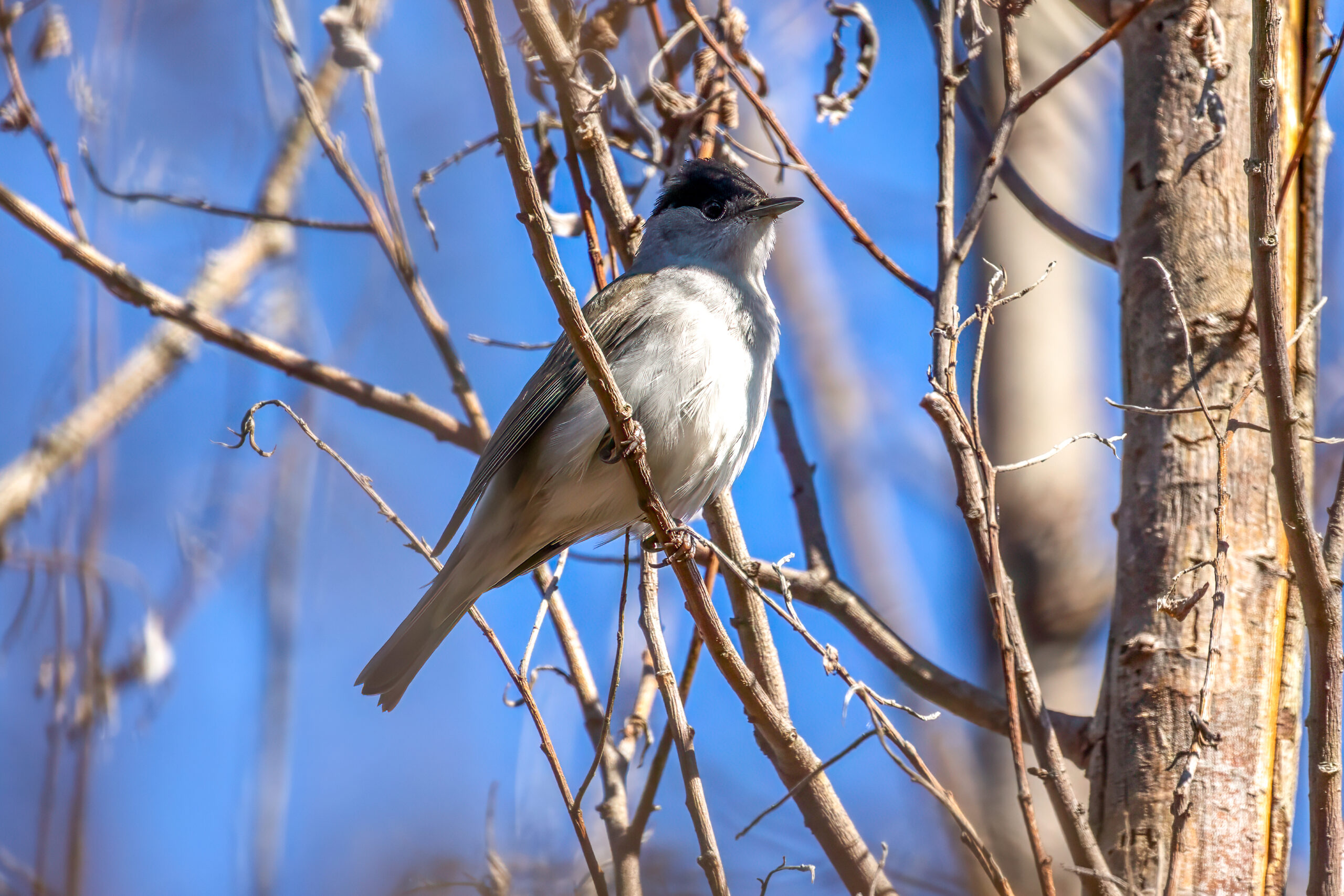
A 2026 population-genomic study investigated an 8 Mb chromosome inversion, inv_12_3, in 179 Eurasian Blackcaps (Sylvia atricapilla) sampled across the species’ range. A chromosome inversion is a structural mutation in which a chromosome segment is reversed. Here, the normal and inverted arrangements form two highly diverged haplotypes — sets of genetic variants inherited together within the chromosome segment — indicating that the polymorphism predates the split among today’s blackcap populations and has been maintained for a long time.
The inversion forms a range-wide frequency gradient
The inverted arrangement remains the less common variant in every sampled population, but its frequency changes geographically. Among continental populations it becomes less frequent as migration distance shortens, reaches its lowest continental frequency in resident populations and is lower still in all six resident island populations. This unusually broad cline — a geographic gradient in variant frequency — differs from classic inversion clines in which alternative arrangements become common on opposite sides of a narrow ecological boundary.
Rarity itself appears to help maintain the inversion
The researchers reconstructed population history and then simulated how the inversion should behave under three alternatives: neutrality, overdominance — where heterozygotes have higher fitness than either homozygote — and negative frequency-dependent selection. The simulations most strongly supported negative frequency-dependent selection. Under this form of balancing selection, the fitness advantage of a variant depends on how common it is: when the inversion becomes rarer than its local equilibrium frequency, selection favours it more strongly, while the advantage declines or reverses as it becomes too common. This can maintain both chromosome arrangements in the population rather than allowing one to become fixed.
The inferred equilibrium frequency was about 27% in the ancestral continental population but only about 9% in island populations. In the model, these values represent the frequencies toward which negative frequency-dependent selection tends to push the inversion. The same downward shift appeared independently across several island populations with separate demographic histories, making neutral genetic drift alone an unlikely explanation.
The selective target is still unknown
The study does not identify the phenotype that selection acts on. The authors discuss parasite defence as one possible route: island blackcap populations have lower reported parasite prevalence, and inv_12_3 contains seven copies of Hydin. In other vertebrates, HYDIN is involved in ciliary movement in airway epithelia, which helps move mucus and mechanically clear pathogens. The authors therefore suggest that differences between the two inversion arrangements could potentially affect this defence system, but this remains a hypothesis that requires direct physiological and molecular testing.
The authors describe this as the first suggested case of negative frequency-dependent selection underlying an inversion cline. They place the pattern in the species’ post-glacial history: the inversion was already polymorphic in the ancestral population, and its equilibrium frequency may have shifted as populations expanded into new environments and independently colonised islands. The result therefore provides a mechanism by which a large structural variant can remain polymorphic across an entire species range while being maintained at different frequencies in different populations.
Genetics & genomics
Related news
Urban Bird Diversity Was More Strongly Linked to Forest Structure Than the Surrounding City
Across 12 urban forests in three Italian cities, researchers recorded 2,035 birds from 52 species. Local forest structure…
Read story →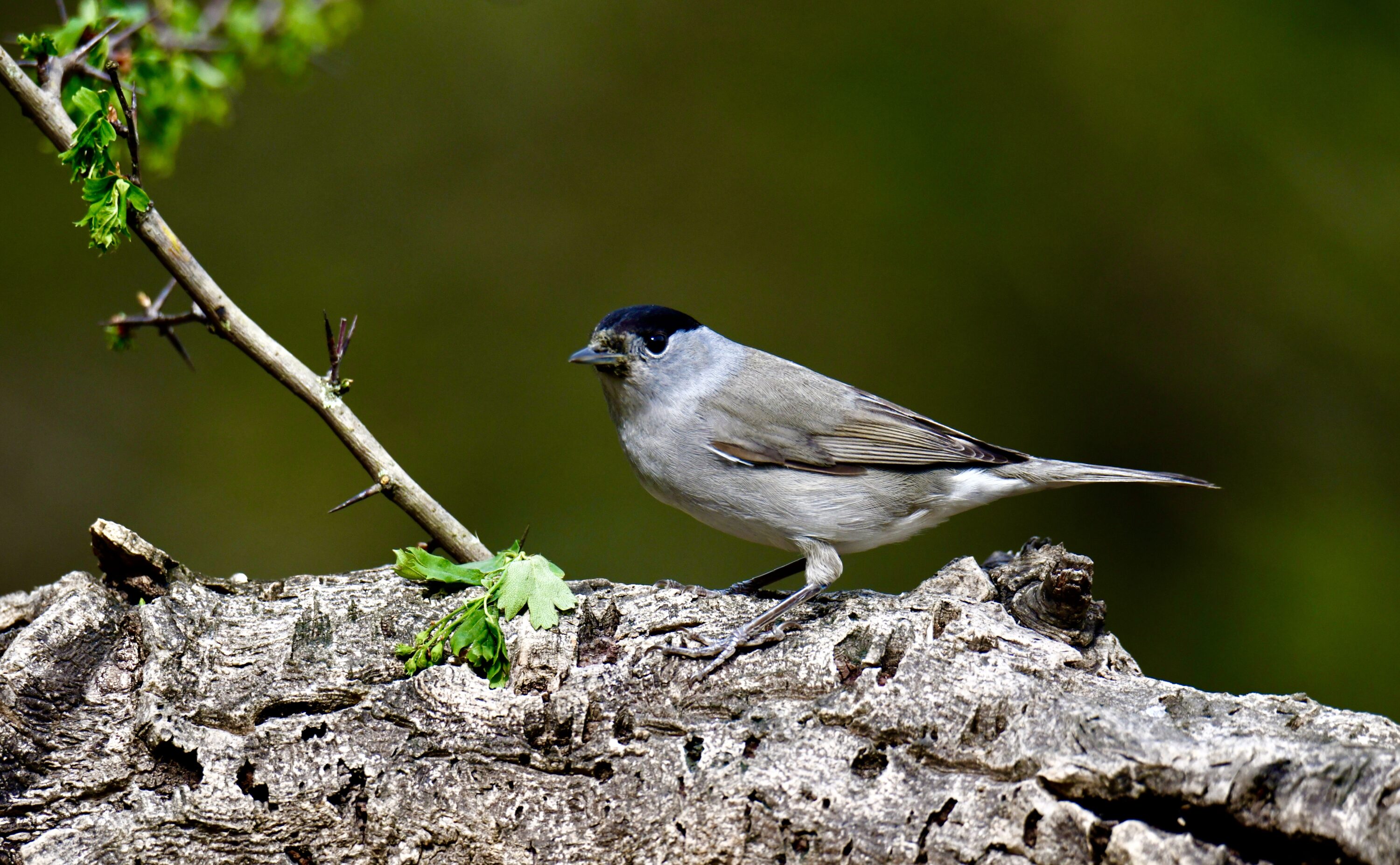
Blackcaps Advanced the Start of Spring Passage by Nine Days at Poland’s Baltic Coast Without Widening the Sex Gap
Forty-four years of Polish ringing data show that both male and female Eurasian blackcaps advanced the start of…
Read story →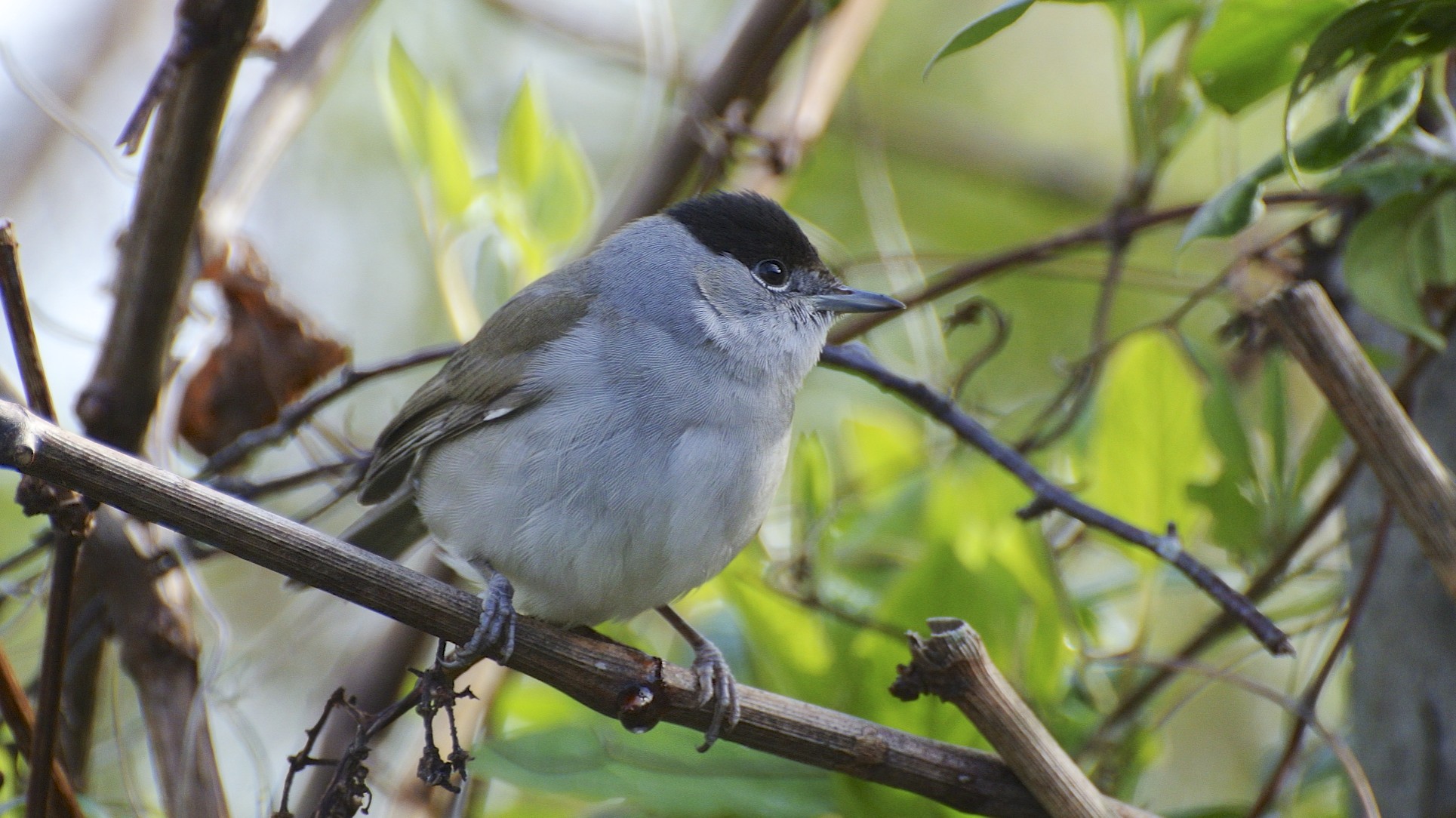
Resident Eurasian Blackcaps Had Less Seasonal Change in Hypothalamic Chromatin Accessibility
Resident Eurasian blackcaps from Tarifa showed less seasonal change in hypothalamic chromatin accessibility than short-distance migrants from San…
Read story →SPECIES IN THIS STORY
Species in this story
Independent research and conservation news archive
Did you find this information useful?
Wildlife Vagabond is independently built and maintained. Voluntary support helps cover source verification, hosting and continued work on research and conservation news.
Support Wildlife VagabondThe news archive will remain freely available.