
Night-Time Colony Attendance Was 98% at Most Common Tern Colonies but Near Zero at One Marine Site
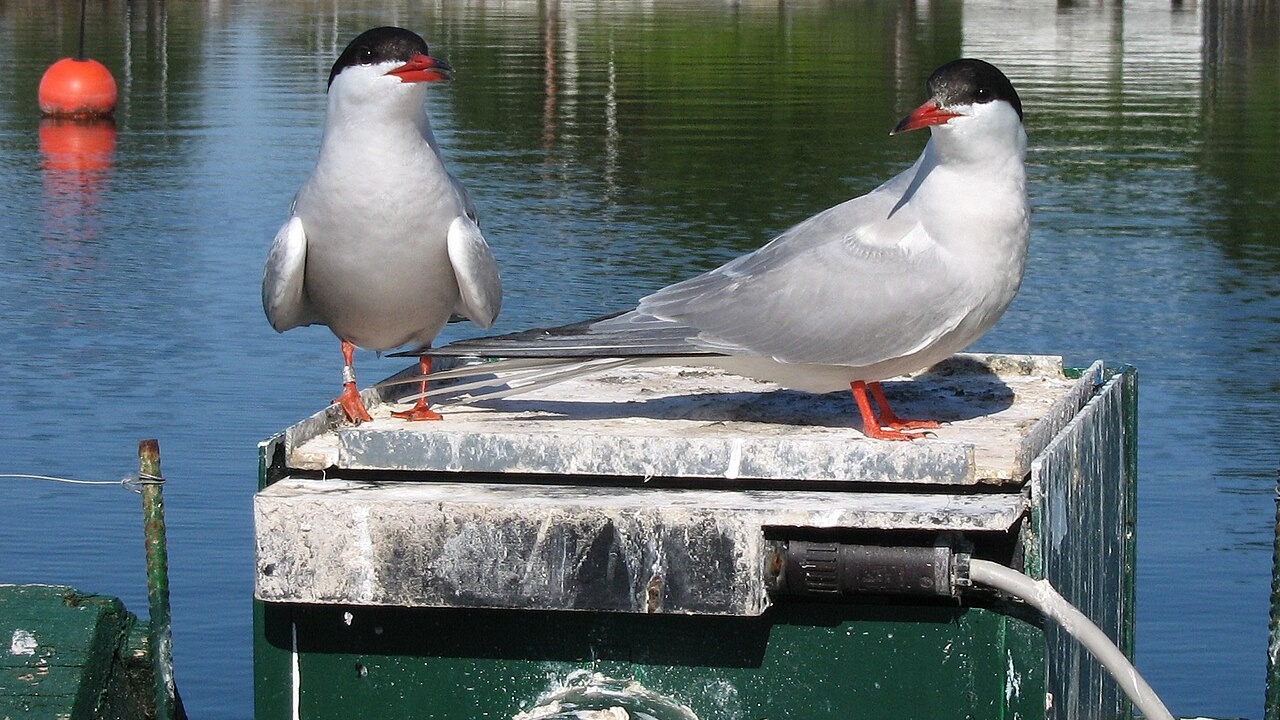
Breeding common terns (Sterna hirundo) stayed at their colonies through the night at very high rates in most populations studied, but one marine colony showed an almost complete nocturnal absence. The Croatian GPS-tracking study was published online on 26 March 2026.
The researchers compared night-time movements at several freshwater and marine colonies. Across most colonies, terns were present at the breeding site for about 98% of the night. At one marine colony, however, night-time attendance was below 0.02%.
Predation was the leading explanation for the deserted colony
The authors consider nocturnal predation the most likely explanation for the near-total night-time desertion at the marine colony. Previous observations at the site included low breeding success in some years and the presence of an eagle owl in a nearby quarry.
Birds from this colony were also recorded flying slowly over the sea at night. The researchers interpret these movements as probable nocturnal foraging, showing that common terns can use the hours of darkness more actively than their mainly daytime feeding habits might suggest.
Some adults visited other colonies during the night
Both males and females made nocturnal trips to other common tern colonies beyond their normal foraging range. The study interprets these visits as prospecting — movements in which breeding adults gather information about alternative nesting locations.
This behaviour can be particularly relevant in unstable breeding environments where colonies shift between sites from year to year.
Behaviour
Related news
Common Tern Eggs Had More PCBs, HCB and Mercury Than Oystercatcher Eggs in 40-Year Wadden Sea Study
Monitoring from 1981–2023 found higher PCB, HCB and mercury levels in common tern eggs than in Eurasian oystercatcher…
Read story →
DNA in Common Tern Chick Droppings Closely Matched the Fish Adults Delivered
Across three breeding seasons, the proportion of dietary DNA reads assigned to each prey type closely matched the…
Read story →
Common Terns Extended Foraging Trips by Up to 87% in Poor Prey and Productivity Years
Four Gulf of Maine breeding seasons showed that common terns increased foraging-trip duration by 23–87% and expanded foraging…
Read story →SPECIES IN THIS STORY
Species in this story
Independent research and conservation news archive
Did you find this information useful?
Wildlife Vagabond is independently built and maintained. Voluntary support helps cover source verification, hosting and continued work on research and conservation news.
Support Wildlife VagabondThe news archive will remain freely available.