
Nine Cuckoos Were Tagged Across Britain and Ireland for the 2026 Tracking Season
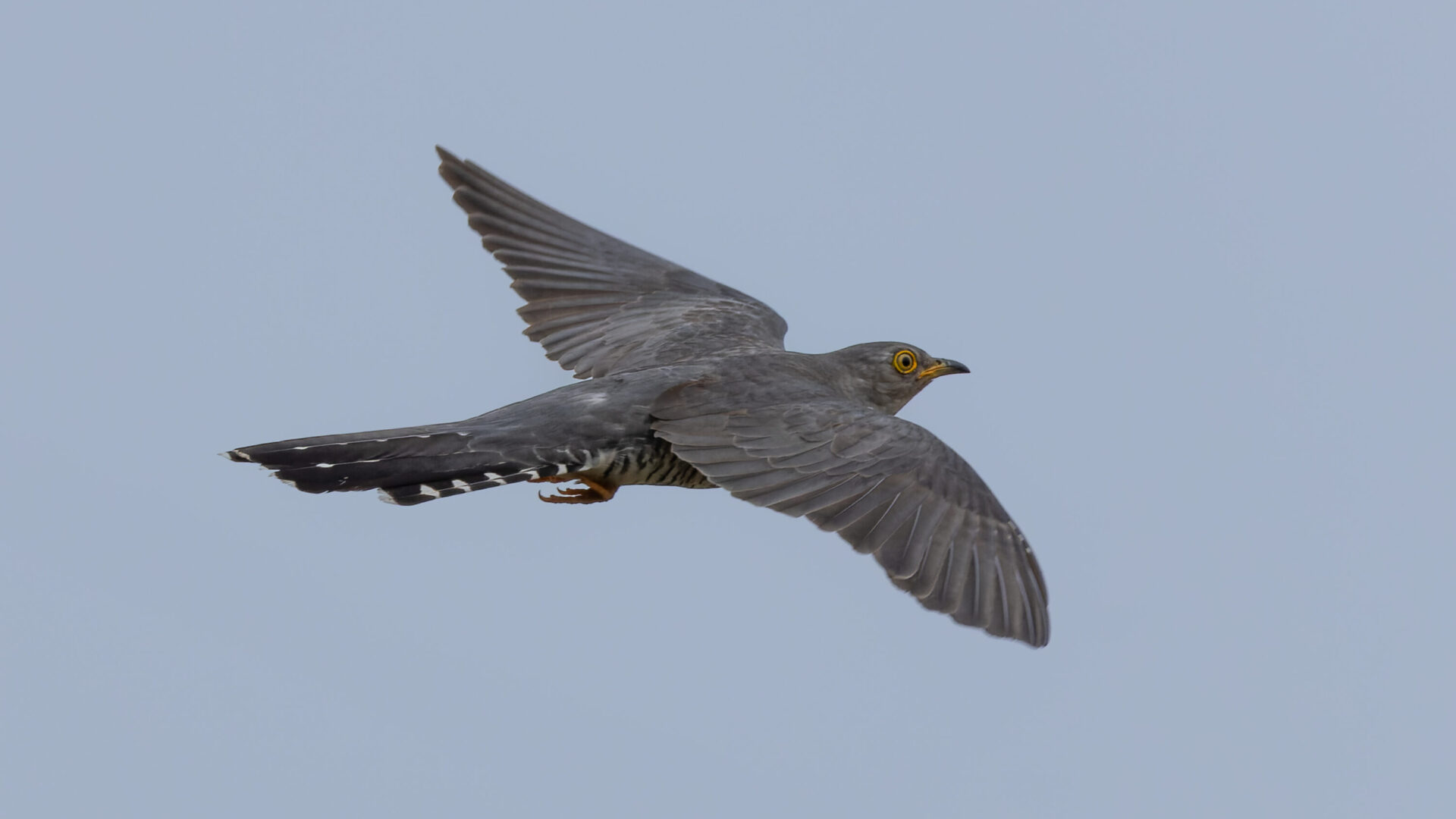
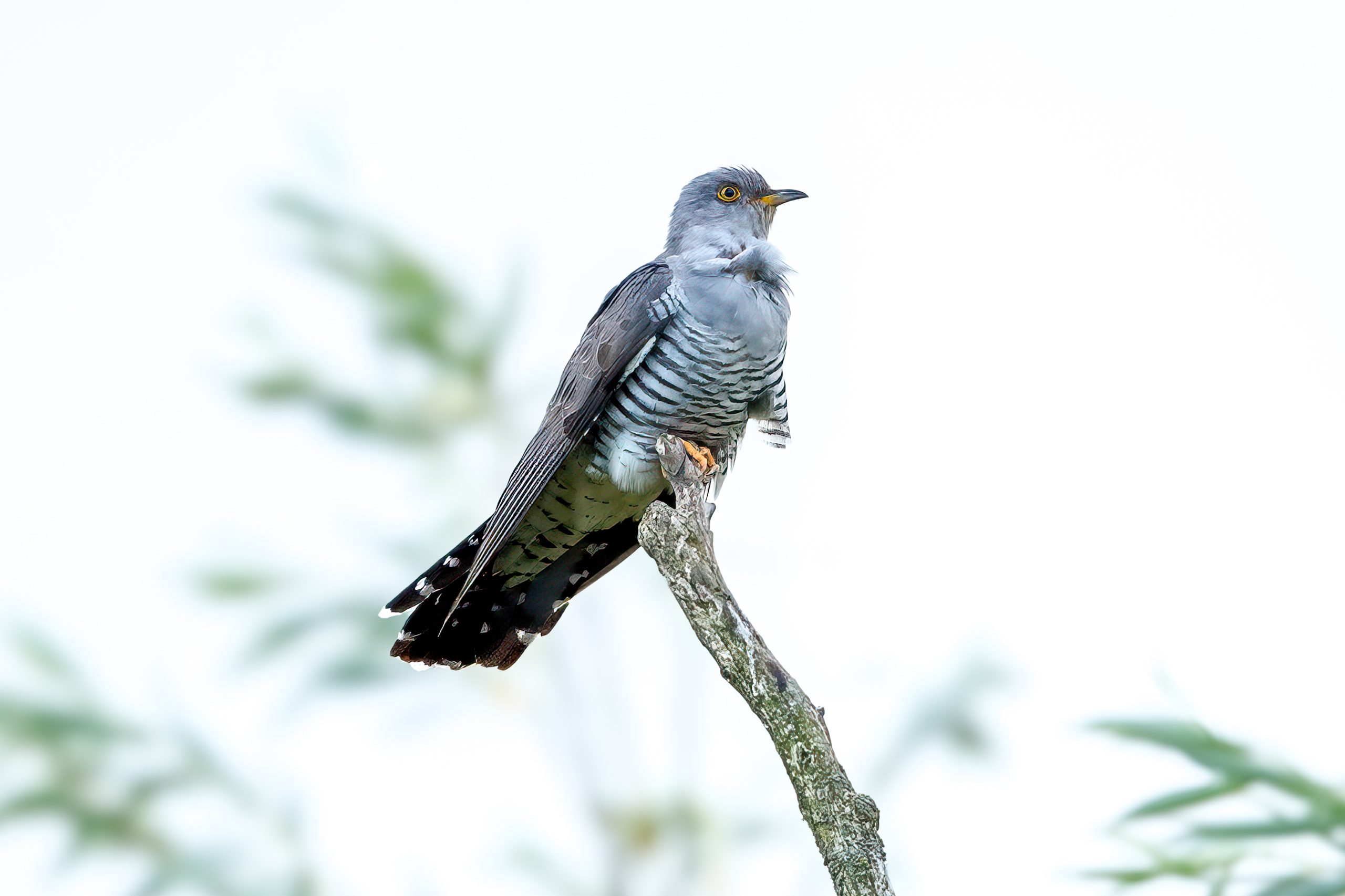
Nine common cuckoos (Cuculus canorus) were newly tagged in Britain and Ireland for the 2026 season of the British Trust for Ornithology (BTO) tracking project, with the Irish birds tagged in collaboration with the National Parks and Wildlife Service (NPWS). The birds were introduced in a project update published on 18 June. The project has followed cuckoo migration since 2011 to investigate routes, stopover areas and pressures encountered between European breeding grounds and wintering areas in tropical Africa. The 18 June release primarily introduced the newly tagged birds rather than presenting a completed analysis of their 2026 migration.
Two of the new birds were tagged at High Lodge in Thetford Forest, Norfolk, three in Kintail in the Scottish Highlands, and four in Ireland — two in County Wicklow and two in County Clare. This gives the 2026 group representation from lowland England, the Scottish Highlands and Ireland.
More than 140 cuckoos have carried satellite tags
By the 2026 update, the long-running project had fitted satellite transmitters to more than 140 cuckoos from Britain and Ireland. Across the wider project, a further nine cuckoos had been equipped with more precise GPS tags, which can provide finer-scale information on routes and habitat use.
The tracking work has already shown that British cuckoos use two main southbound routes to reach the same broad wintering region in tropical Africa. Birds tagged in Scotland and the Welsh uplands use an eastern route through Italy, while birds from other parts of Britain may also travel west through Spain. BTO reports higher survival among birds using the eastern route than among those using the western route, with the lowest survival found among lowland English birds taking the western route and leaving the breeding grounds later.
New birds add to a long migration record
The project has also shown that male cuckoos can leave their breeding areas much earlier than the traditional idea of an autumn migration suggests. Some begin moving south in early to mid-June after spending as little as six weeks on the breeding grounds.
The nine birds tagged in 2026 joined individuals whose transmitters were still active from earlier years. Following birds across more years and regions gives researchers a stronger basis for comparing migration routes, stopover use and survival under different conditions.
BTO reports that Britain has lost more than a third of its breeding cuckoos over the past three decades, although the decline varies strongly between regions. The tracking project is therefore being used to investigate where birds encounter different conditions during migration and which parts of the annual journey are associated with poorer survival.
Ecology
Related news
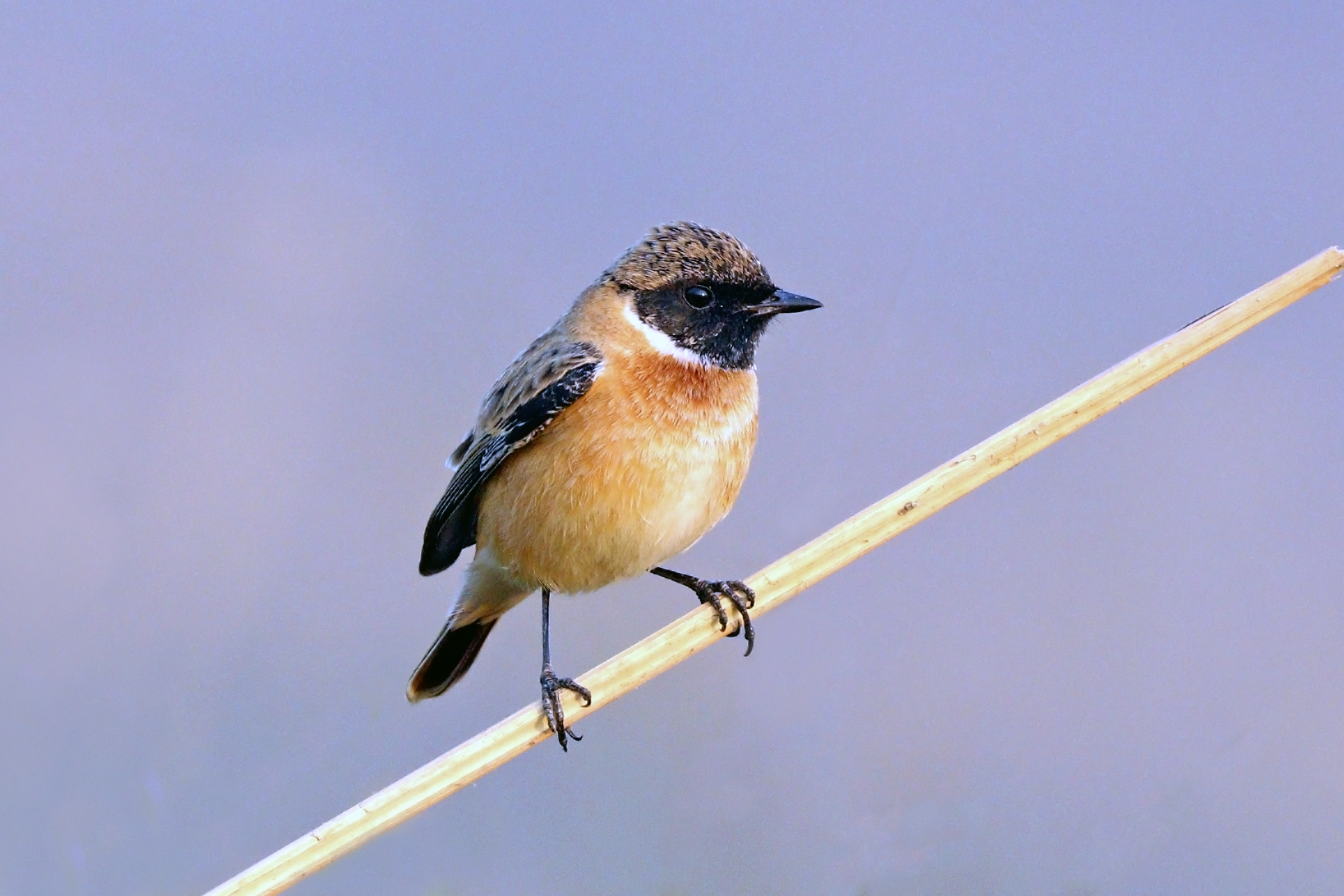
Egg Rejection Did Not Clearly Increase After Cuckoo Arrival in Two Host Species
Grey bushchats and Siberian stonechats showed no clear increase in foreign-egg rejection after common cuckoos arrived. The result…
Read story →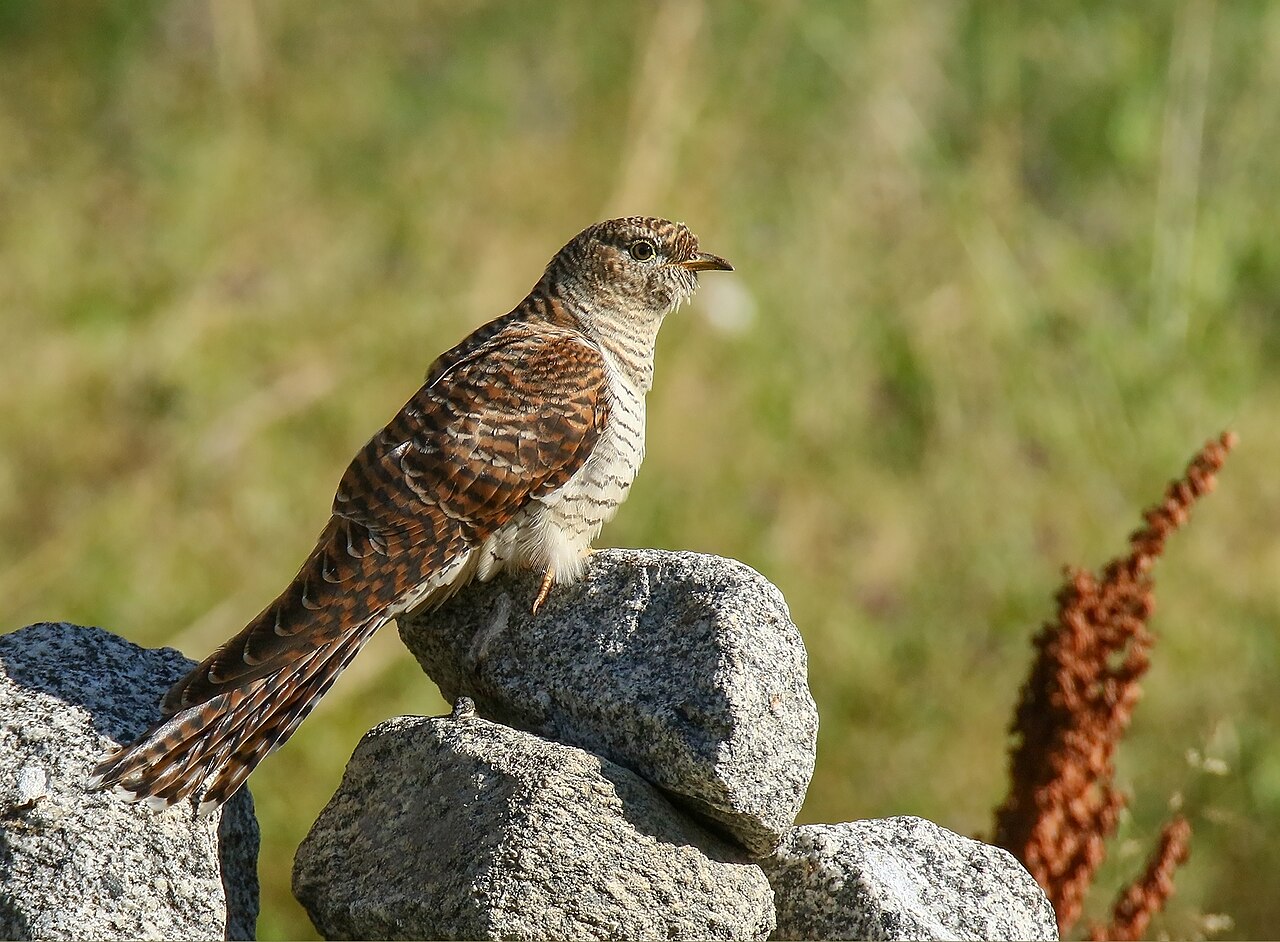
Cuckoos Use Two Different Strategies to Lay Eggs in Redstart Nests
Video from Finnish redstart nest boxes provides the first direct evidence that common cuckoos use two egg-laying strategies,…
Read story →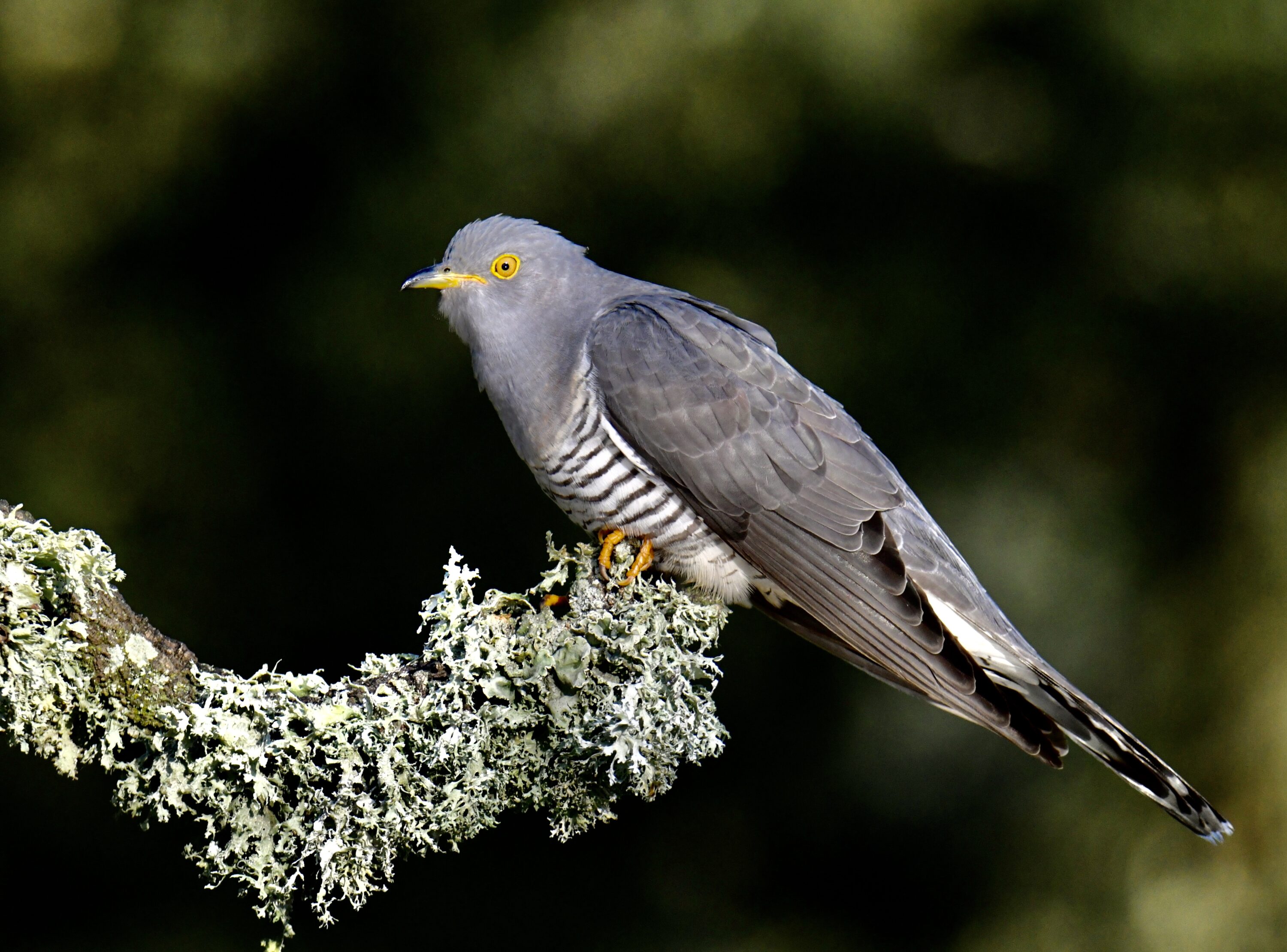
Models Highlighted Iberian Mountains and the Po Watershed as Key Stopover Regions for UK Common Cuckoos
Models based on satellite tracks from 88 UK-breeding male common cuckoos highlighted Iberian mountain ranges and the Po…
Read story →SPECIES IN THIS STORY
Species in this story
Independent research and conservation news archive
Did you find this information useful?
Wildlife Vagabond is independently built and maintained. Voluntary support helps cover source verification, hosting and continued work on research and conservation news.
Support Wildlife VagabondThe news archive will remain freely available.