
Study Described the Forelimb Bones of an Adult Northern Plains Grey Langur
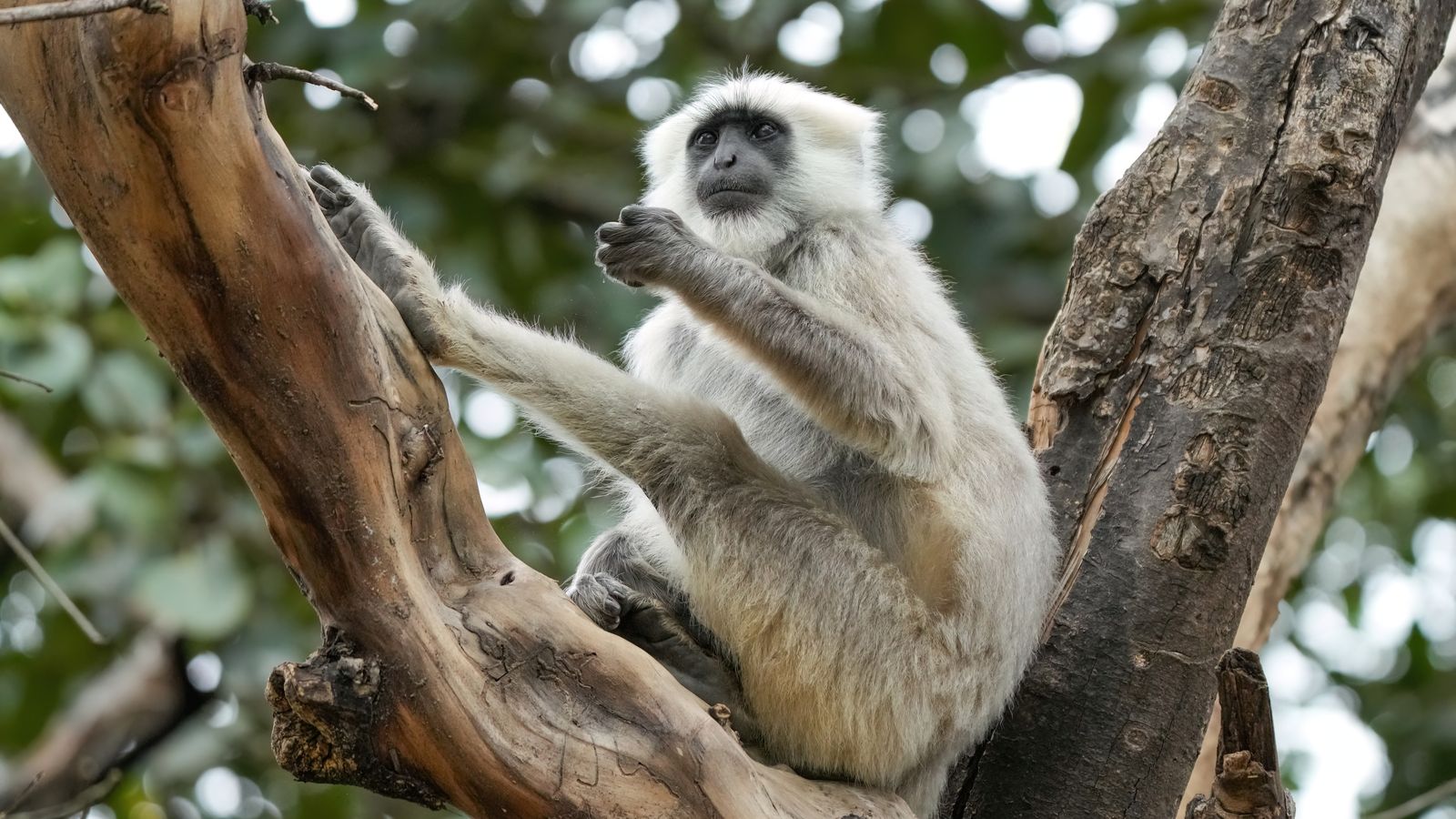
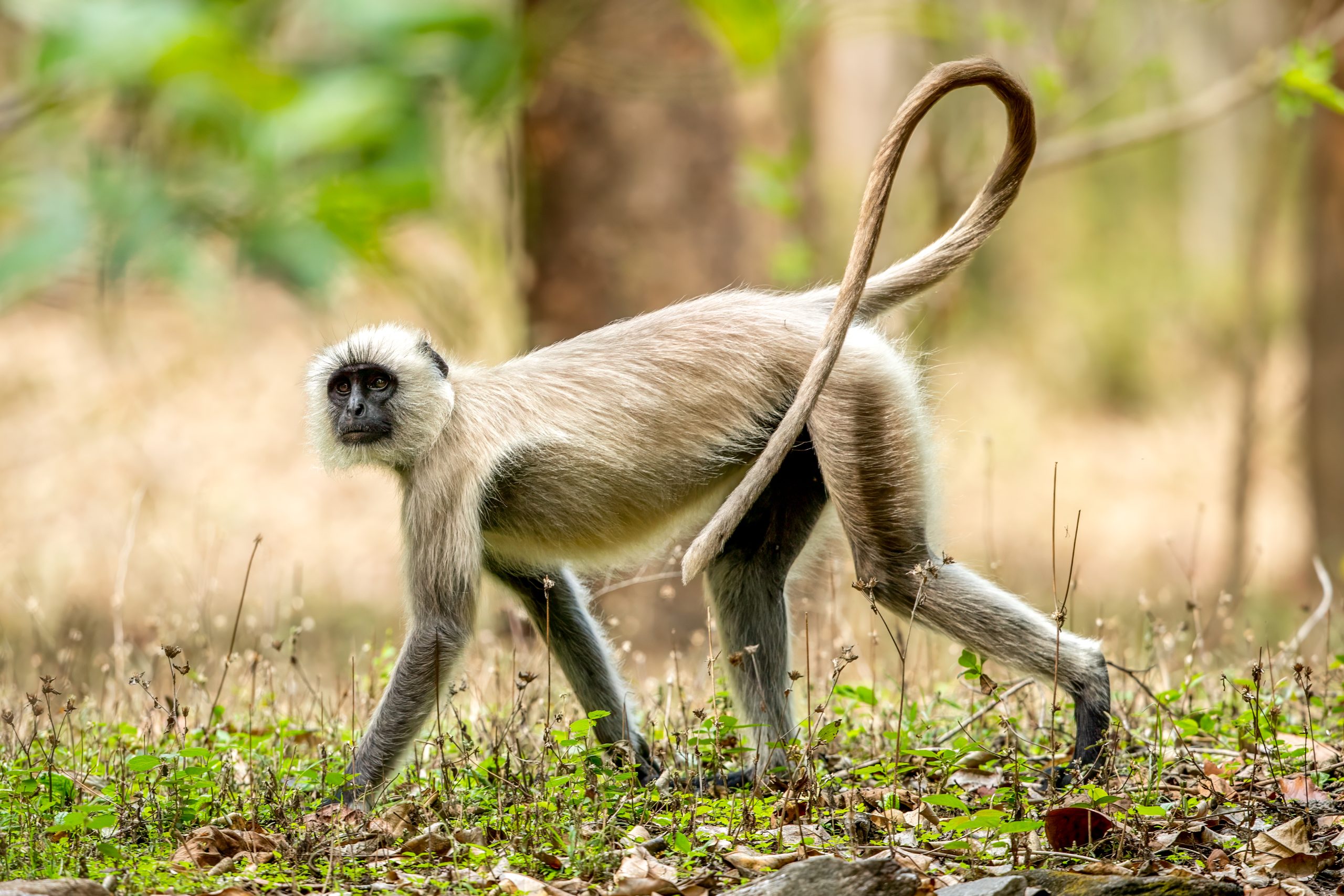
Researchers in Bangladesh have described the shoulder and forelimb bones of an adult male northern plains grey langur (Semnopithecus entellus), providing a detailed anatomical reference for the species. The study examined the scapula, humerus, radius and ulna from a single animal that had died after an electric shock in Barishal.
The scapula was quadrangular, with a prominent spine and an oval glenoid cavity—the socket that forms the shoulder joint. Its acromion, a projection that provides attachment and leverage for shoulder muscles, was strongly developed. The authors interpret this region as consistent with the stability and mobility needed during arboreal locomotion.
The humerus was elongated with a spirally twisted shaft and prominent muscle-attachment features. The radius had a distinct head and radial tuberosity, another important muscle-attachment site. The ulna was the longest forelimb bone, with a prominent olecranon forming the bony point of the elbow and a large notch that articulates with the humerus. Together, the descriptions provide a structural picture of the shoulder, forearm and elbow rather than evidence from movement measurements themselves.
The single specimen provides a comparative anatomical reference
The specimen was an adult male estimated at 12–15 years old and weighing 25 kg. Because the study was based on one opportunistically obtained specimen, the measurements were treated descriptively rather than with inferential statistics. The animal provides a useful anatomical reference, but cannot show the normal range of variation between individuals, ages or sexes in the species. The authors present the measurements and descriptions as baseline data for comparative anatomy, functional morphology, radiology and forensic identification.
Anatomy & morphology
Related news
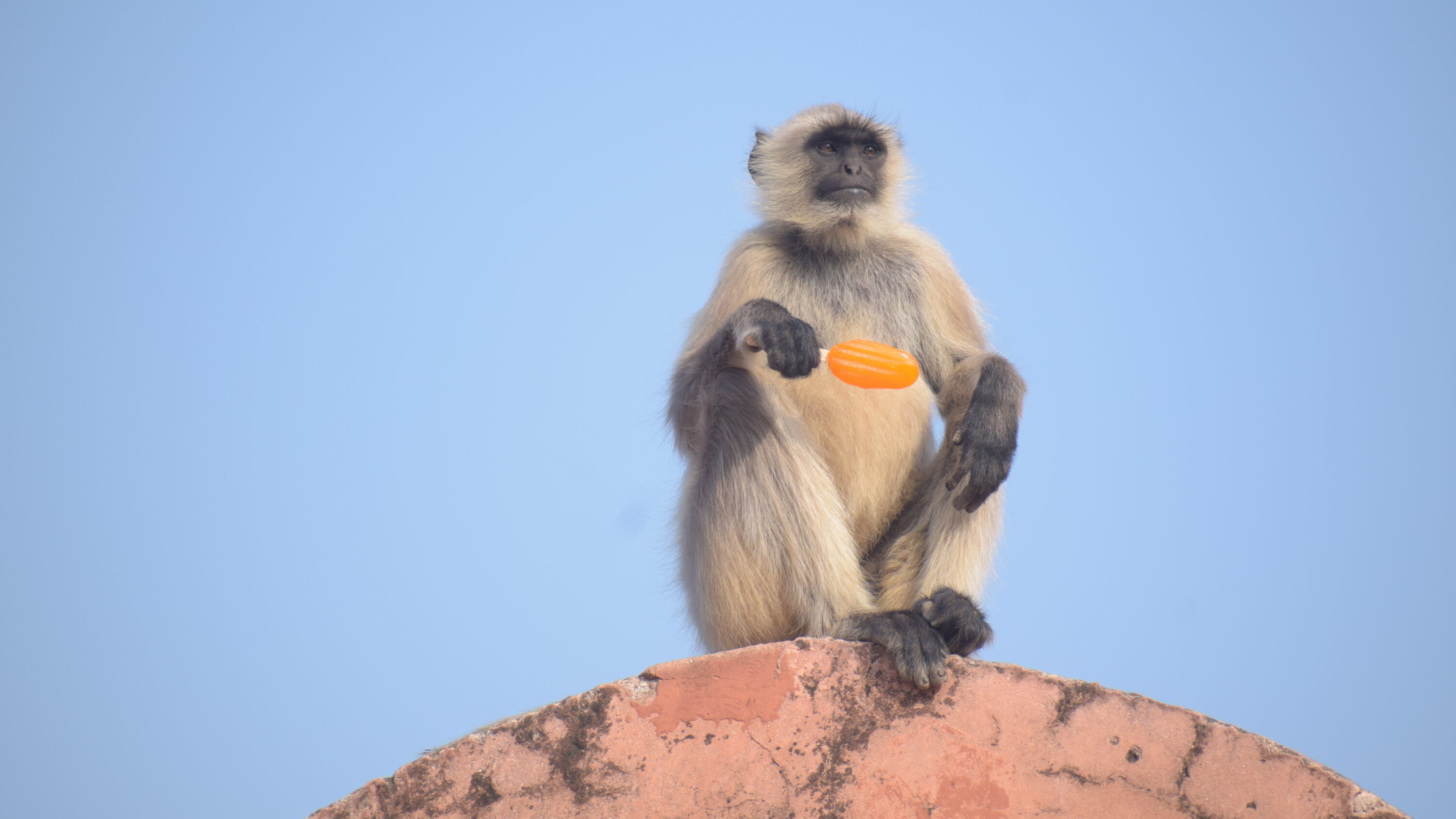
Begging Gestures Appeared in 77–100% of Food Trials but None of the Controls
A 2026 preprint based on 360 trials at six West Bengal sites found food-solicitation gestures in 76.7–100% of…
Read story →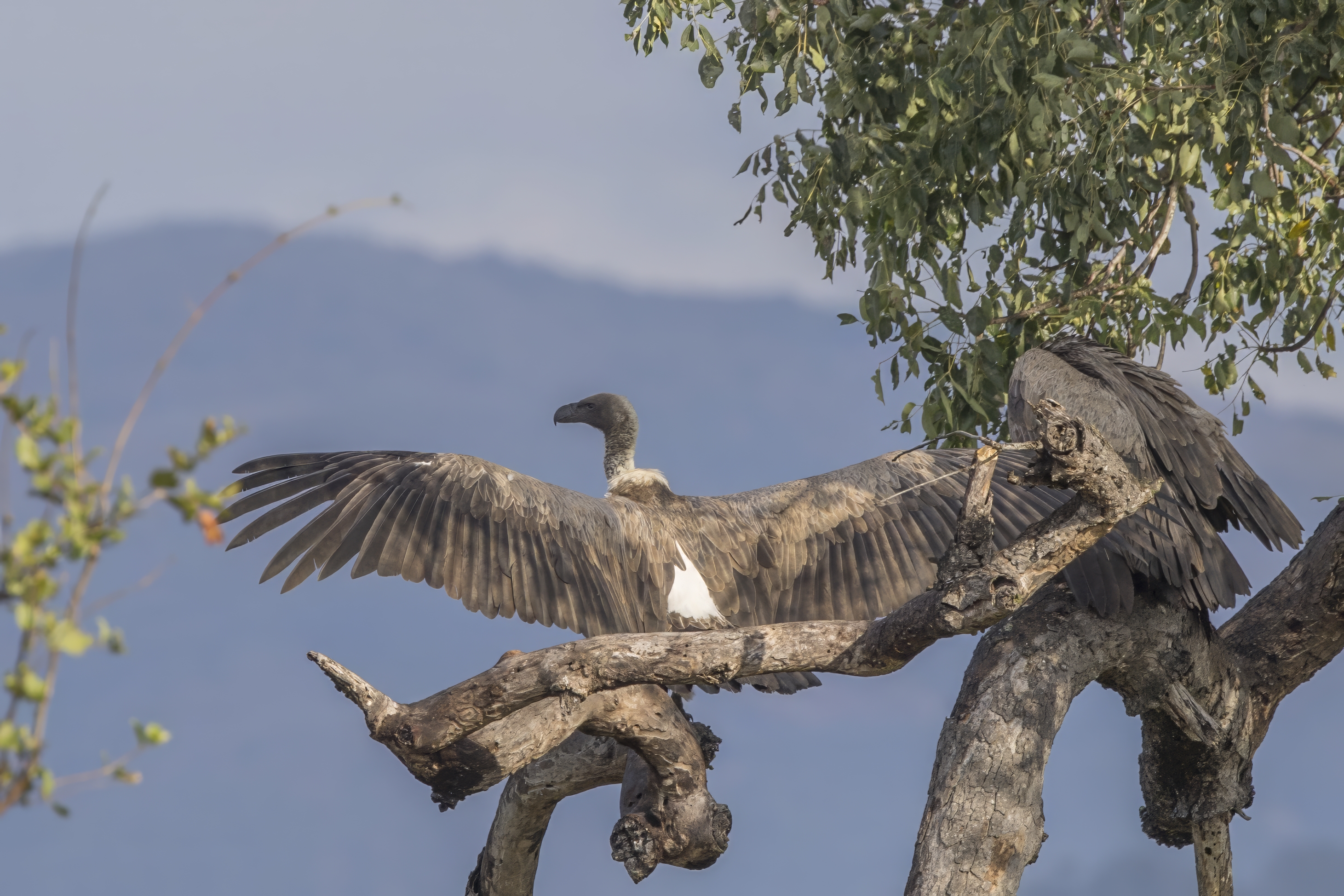
CT Reveals the Organs and Blood Vessels Inside a White-backed Vulture
A contrast-enhanced CT scan of one adult male white-backed vulture revealed major organs and vessels, while also showing…
Read story →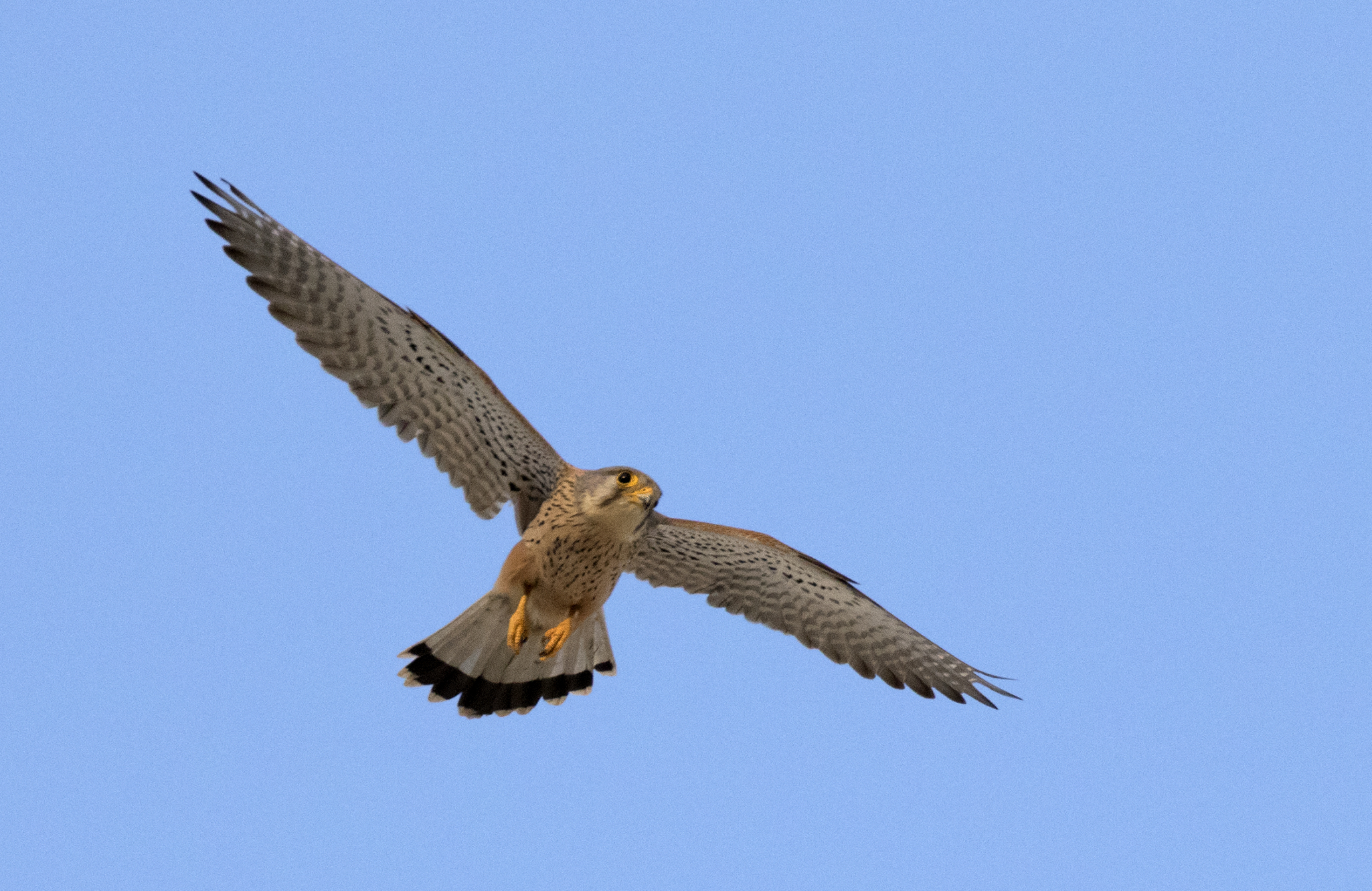
Kestrels Had More Densely Packed Mucous Glands Than Storks
A small study in Türkiye found roughly twice the density of mucus-producing glands in common kestrels’ windpipes as…
Read story →SPECIES IN THIS STORY
Species in this story
Independent research and conservation news archive
Did you find this information useful?
Wildlife Vagabond is independently built and maintained. Voluntary support helps cover source verification, hosting and continued work on research and conservation news.
Support Wildlife VagabondThe news archive will remain freely available.