
Ochratoxin A Was Detected in All 54 Wild Boar Examined in Apulia
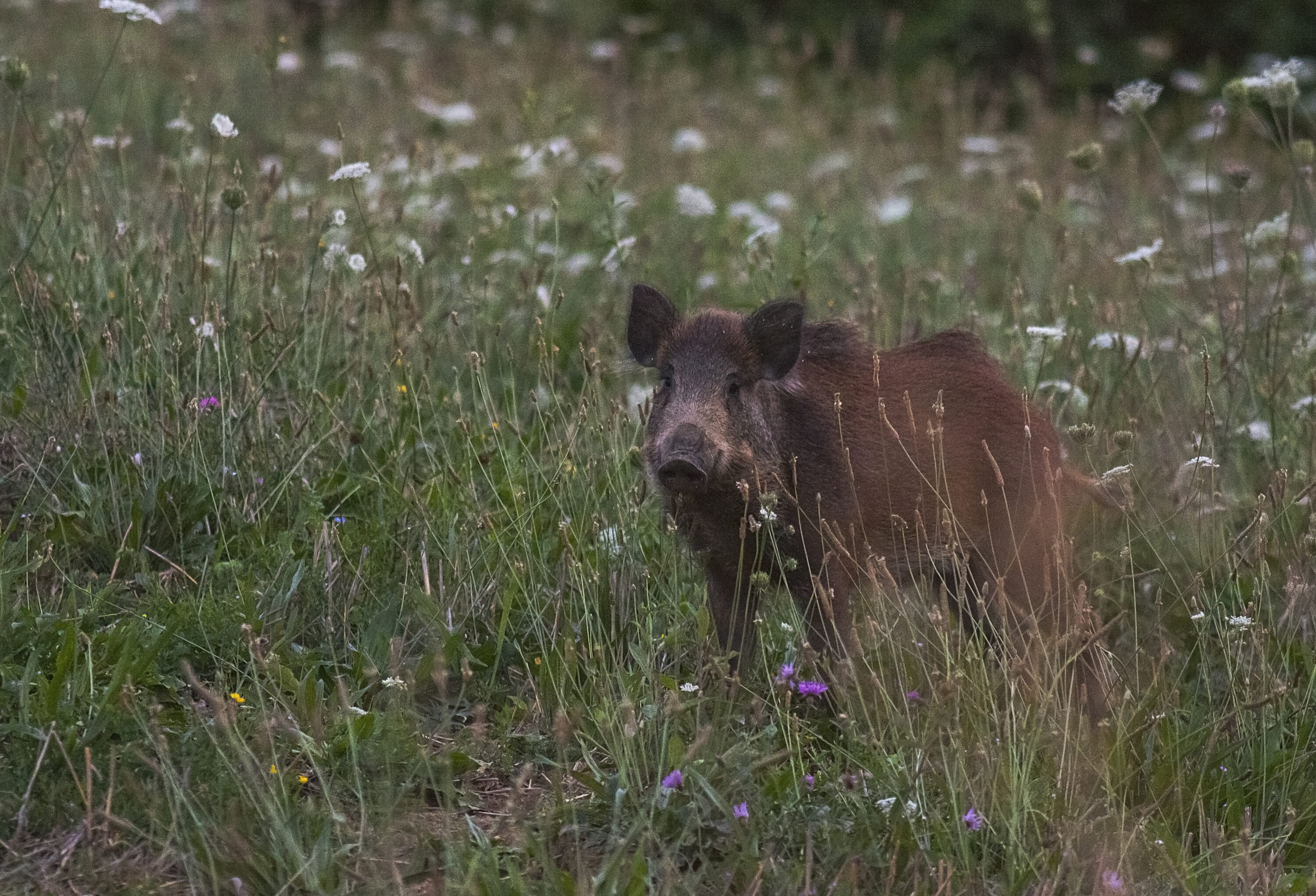
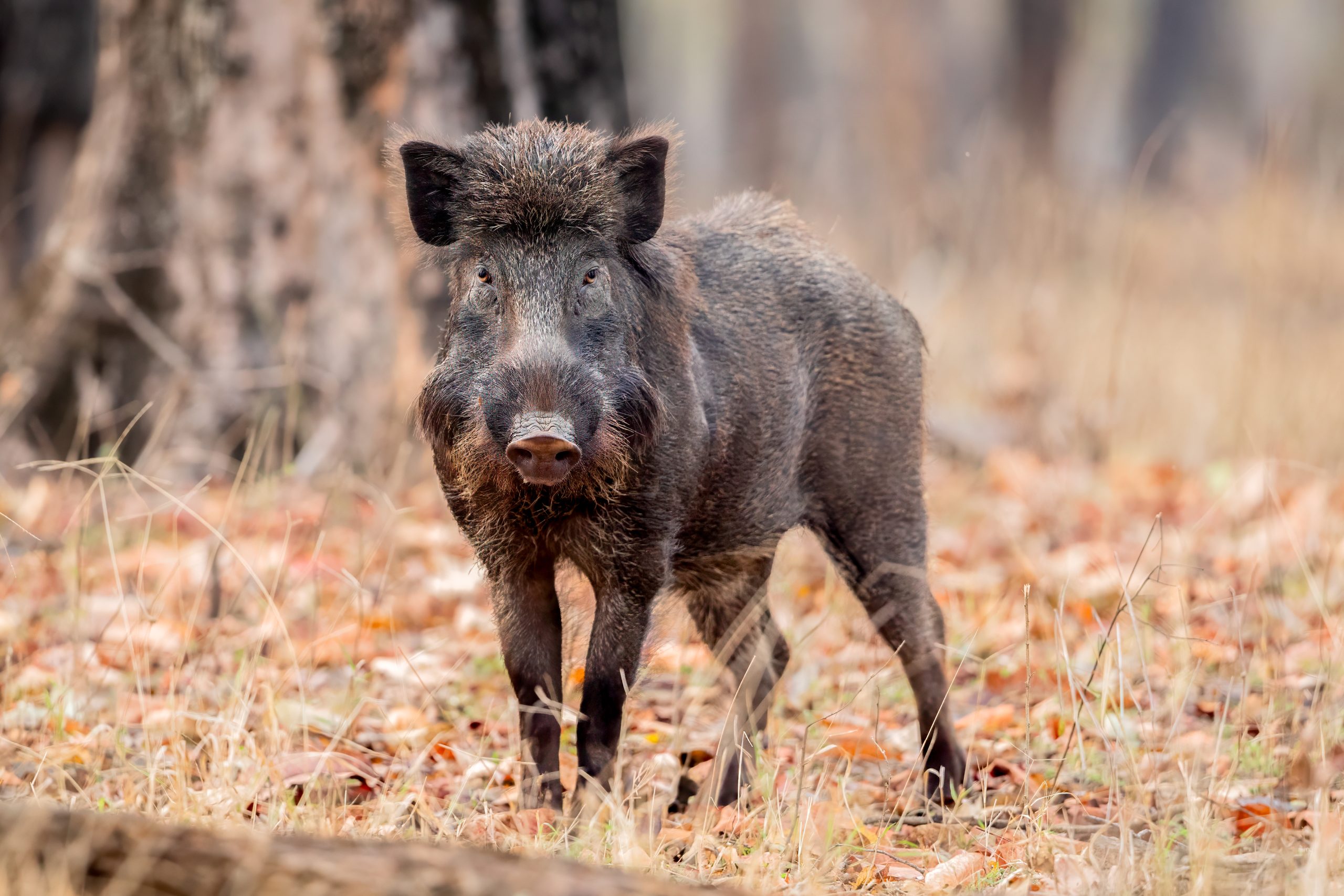
Ochratoxin A (OTA), a mycotoxin produced by some fungi, was detected in at least one tissue from every one of 54 wild boar (Sus scrofa) examined in the Apulia region of southern Italy. Concentrations were highest in the kidneys, and kidney samples with OTA levels above 5 µg/kg showed glomerular alterations.
The researchers analysed kidney, liver and muscle from legally hunted wild boar using high-performance liquid chromatography, a method that separates compounds in a sample so the toxin can be measured, and also examined target tissues histologically. Mean OTA concentrations showed a clear tissue gradient: about 3.8 µg/kg in kidney, 1.9 µg/kg in liver and 0.3 µg/kg in muscle. In practical terms, the average kidney concentration was about twice that in liver and more than ten times that in muscle.
Kidneys therefore carried substantially higher concentrations than the other tissues. In samples above 5 µg/kg, the researchers observed changes in the glomeruli—the kidney’s microscopic filtration units—including increased cell density, narrowed capillaries and reduced Bowman’s space around the filtering tuft. Some renal corpuscles were also atrophic or confluent.
The authors interpret the widespread detection as evidence of environmental OTA exposure in the sampled wild boar population and the kidney findings as consistent with nephrotoxic effects. They also highlight wild boar as a potential bioindicator of environmental mycotoxin contamination. Because OTA can enter animal-derived foods, including game meat, they frame monitoring of wild boar as relevant to food-chain surveillance and argue that active surveillance could provide useful data for protecting animal and human health.
Other research
Related news
Maps Show Where Wild Boar Could Thrive and Spread on Jeju Island
Researchers mapped potentially suitable wild-boar habitat across roughly 36% of Jeju Island and identified eight possible corridors linking…
Read story →
Roe Deer and Wild Boar Remained Key Wolf Prey as Diet Shifted Across North-western Italy
From 2021 to 2025, wolves in north-western Italy continued to feed mainly on wild prey. In the Po…
Read story →
Copper levels in wild boar differed across Slovak districts
An analysis of kidney, liver and muscle from 147 wild boar in four districts found that iron and…
Read story →SPECIES IN THIS STORY
Species in this story
Independent research and conservation news archive
Did you find this information useful?
Wildlife Vagabond is independently built and maintained. Voluntary support helps cover source verification, hosting and continued work on research and conservation news.
Support Wildlife VagabondThe news archive will remain freely available.