
Older Female Common Waxbills Became More Subordinate During Breeding Seasons
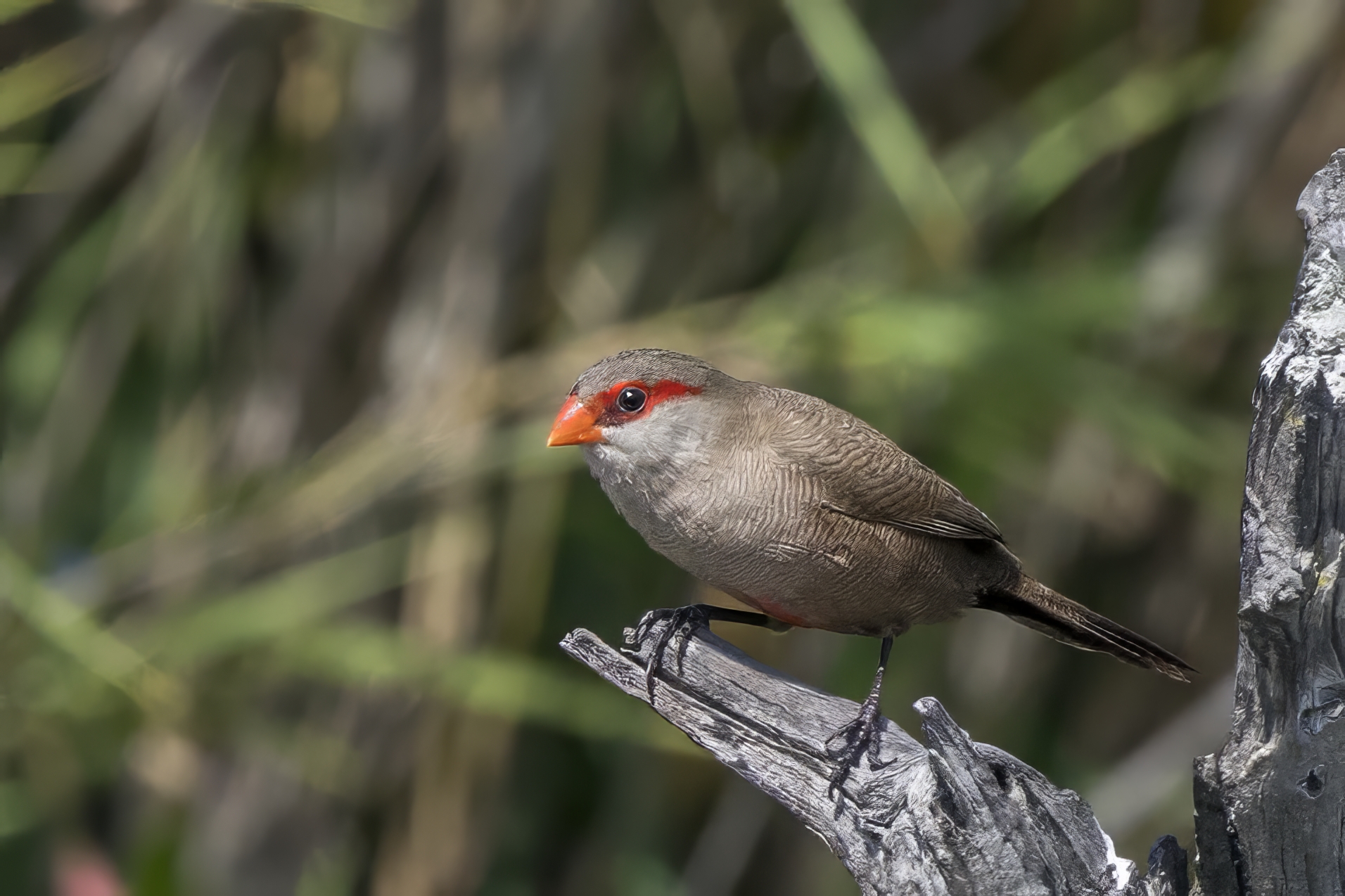
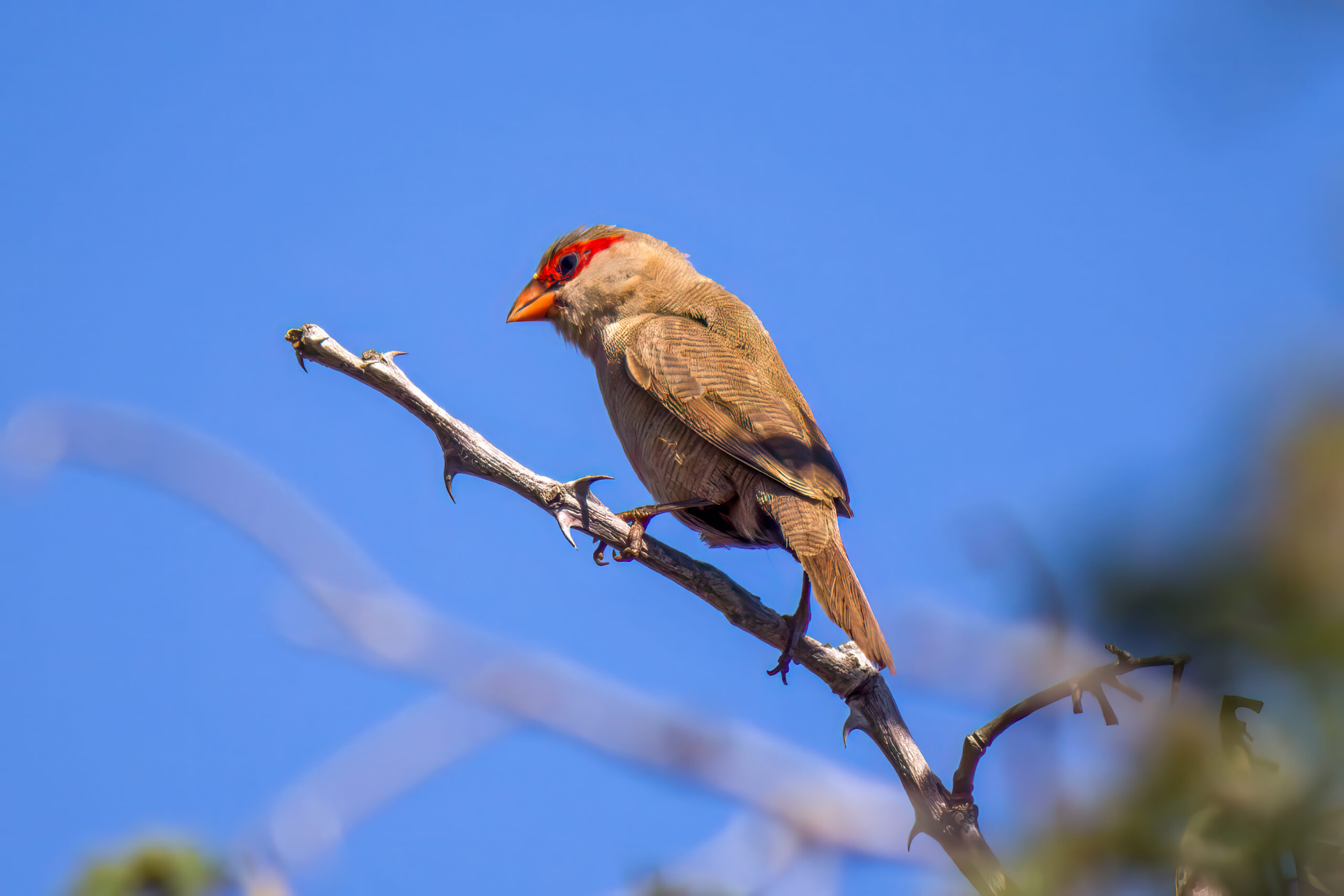
Sex differences in social dominance among common waxbills (Estrilda astrild) were small at the beginning of a five-year study in a semi-natural population in Portugal, but became pronounced as the birds aged during breeding seasons. The change was driven mainly by females becoming more subordinate, while male dominance remained comparatively stable.
The researchers followed dominance hierarchies during foraging from 2017 to 2022. Individually PIT-tagged birds were detected automatically at feeders and perches, while aggressive displacements between birds were used to estimate dominance rank. During non-breeding periods, differences between males and females remained weak. In breeding seasons, however, females showed stronger changes both across years and between seasons than males.
The study also used, retrospectively, the number of years remaining until an individual’s death as a second way of examining late-life change. Across birds, social dominance increased on average as the time remaining until death became shorter. This overall pattern coexisted with the female-specific decline in dominance during breeding seasons.
The authors interpret the results as evidence that sex differences in social behaviour are not necessarily fixed throughout adulthood. In common waxbills, ageing and breeding context changed the relationship between male and female dominance late in life. Because the birds came from a semi-natural research population, the study does not directly estimate dominance patterns in wild common waxbills.
Behaviour
Related news
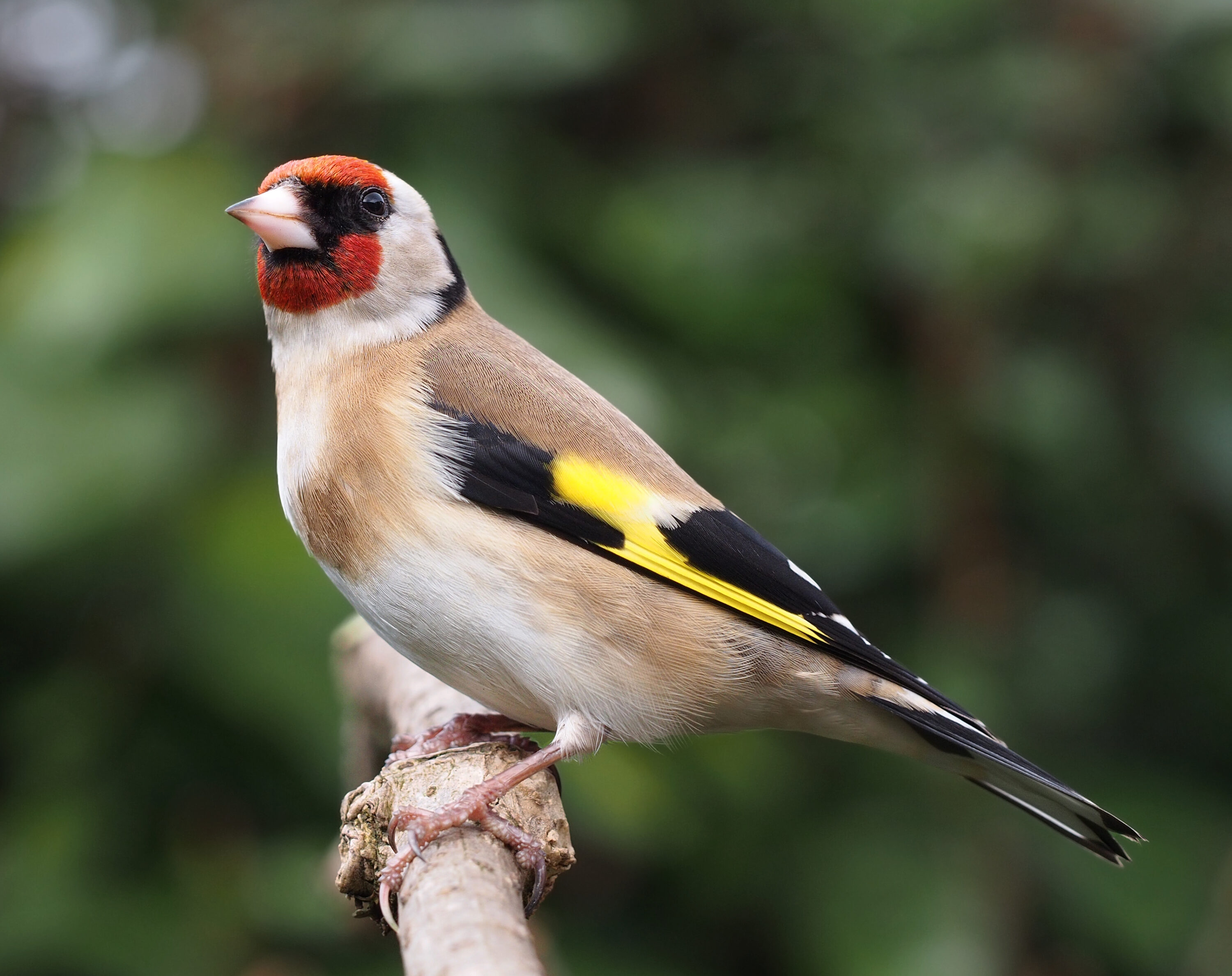
Three Invasive Songbirds Had Higher Heat-Tolerance Limits Than Native Mediterranean Counterparts
Three invasive songbirds had heat-tolerance limits averaging 6.2 °C higher than three native species including European goldfinch and…
Read story →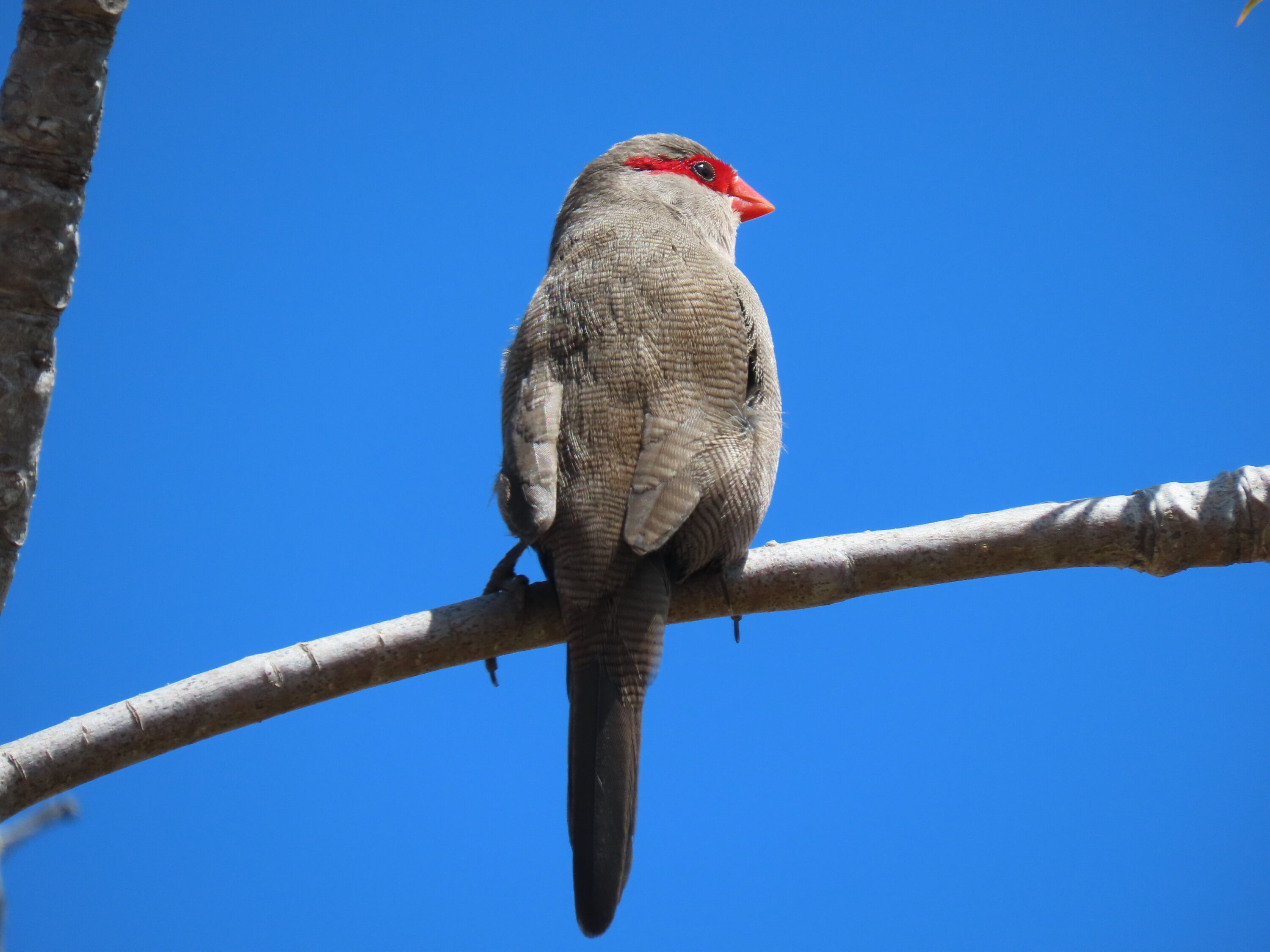
ACTH Challenge Produced a Detectable Rise in Stress-hormone Metabolites in Common Waxbill Droppings
A controlled study of 24 common waxbills found that an ACTH challenge produced a clear rise in cortisone-like…
Read story →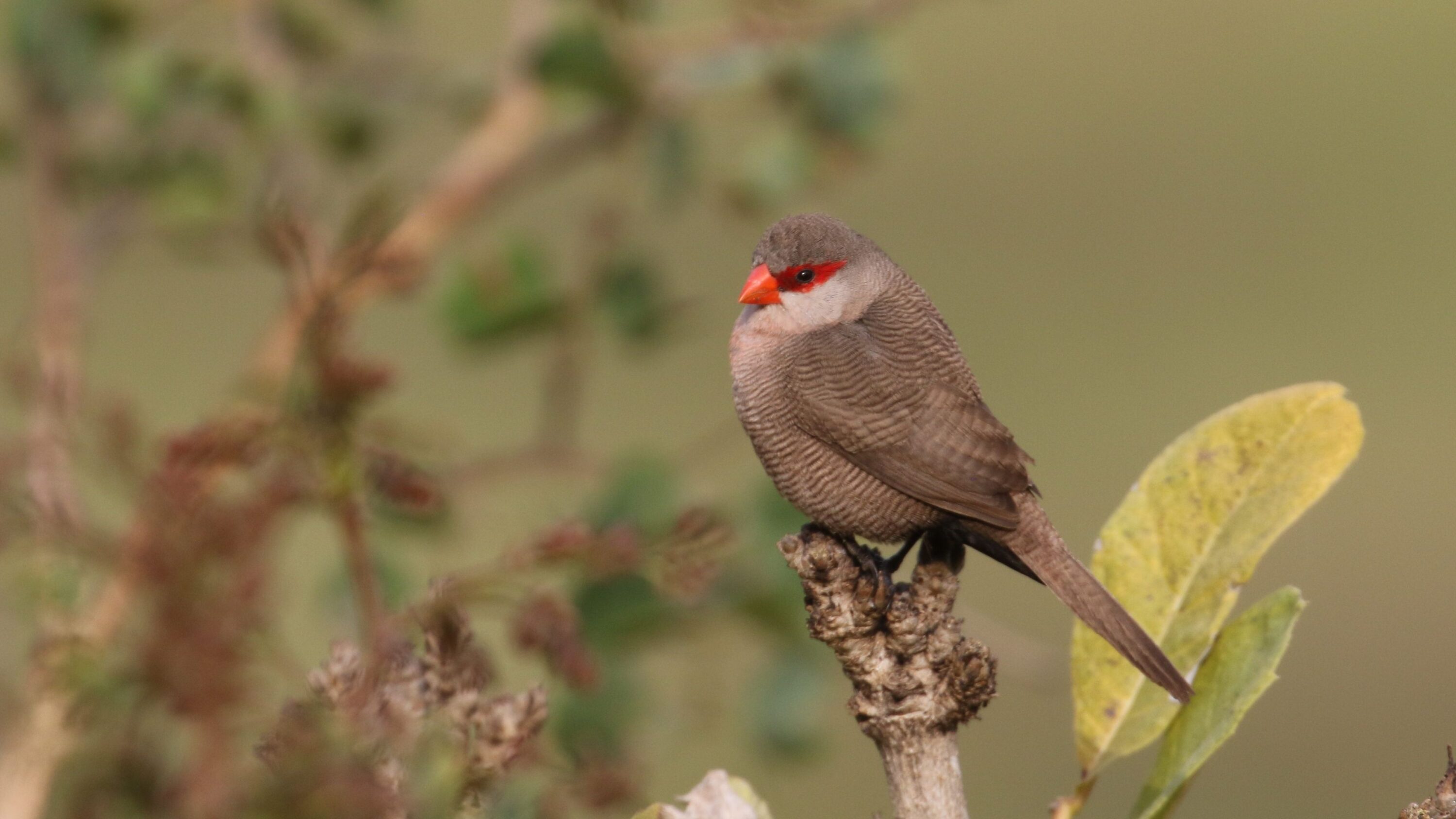
Acute Corticosterone Increase Raised Aggression in Common Waxbills
Captive experiments found that common waxbills with higher baseline corticosterone were less aggressive, but an acute experimental increase…
Read story →SPECIES IN THIS STORY
Species in this story
Independent research and conservation news archive
Did you find this information useful?
Wildlife Vagabond is independently built and maintained. Voluntary support helps cover source verification, hosting and continued work on research and conservation news.
Support Wildlife VagabondThe news archive will remain freely available.