
Three Invasive Songbirds Had Higher Heat-Tolerance Limits Than Native Mediterranean Counterparts
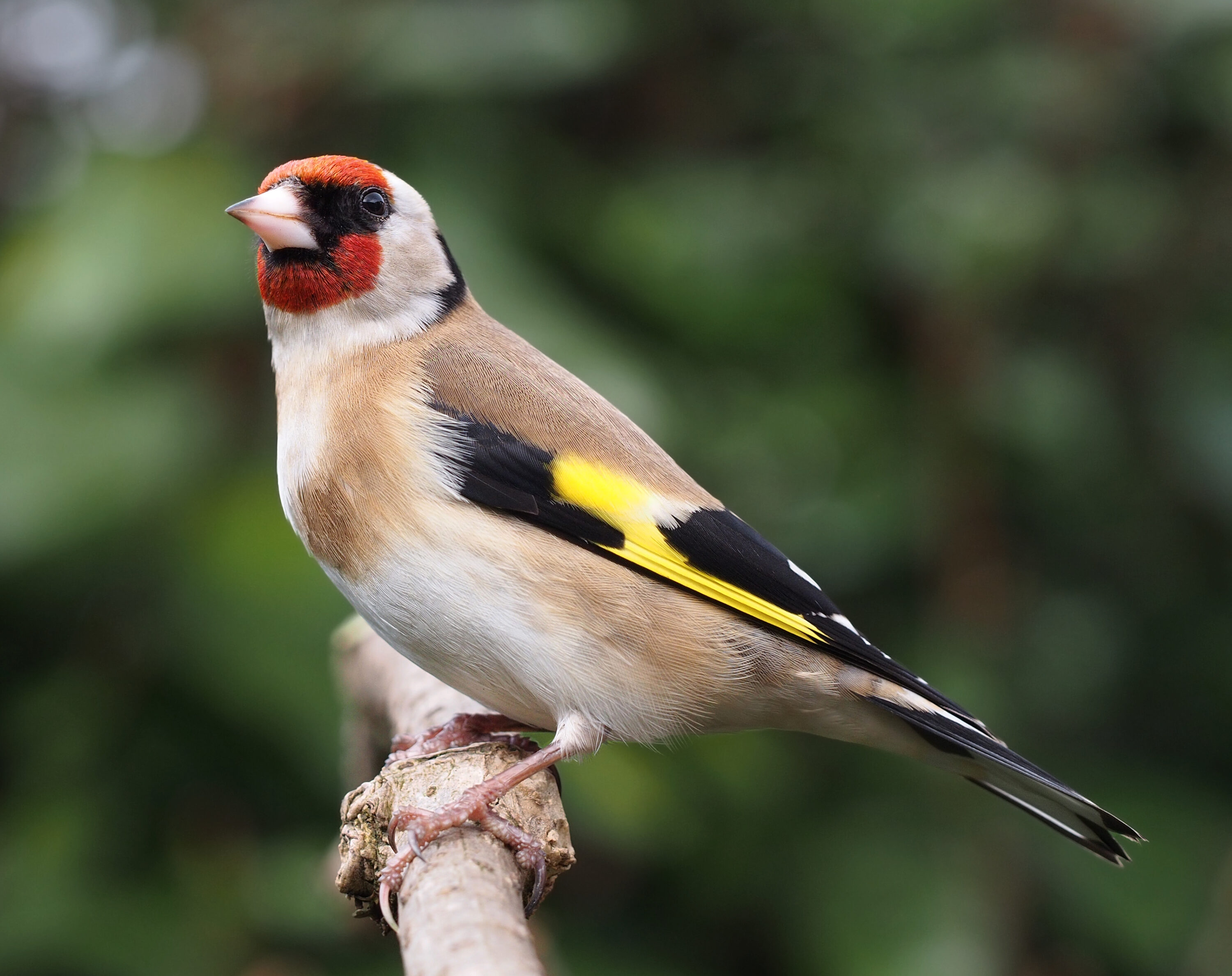
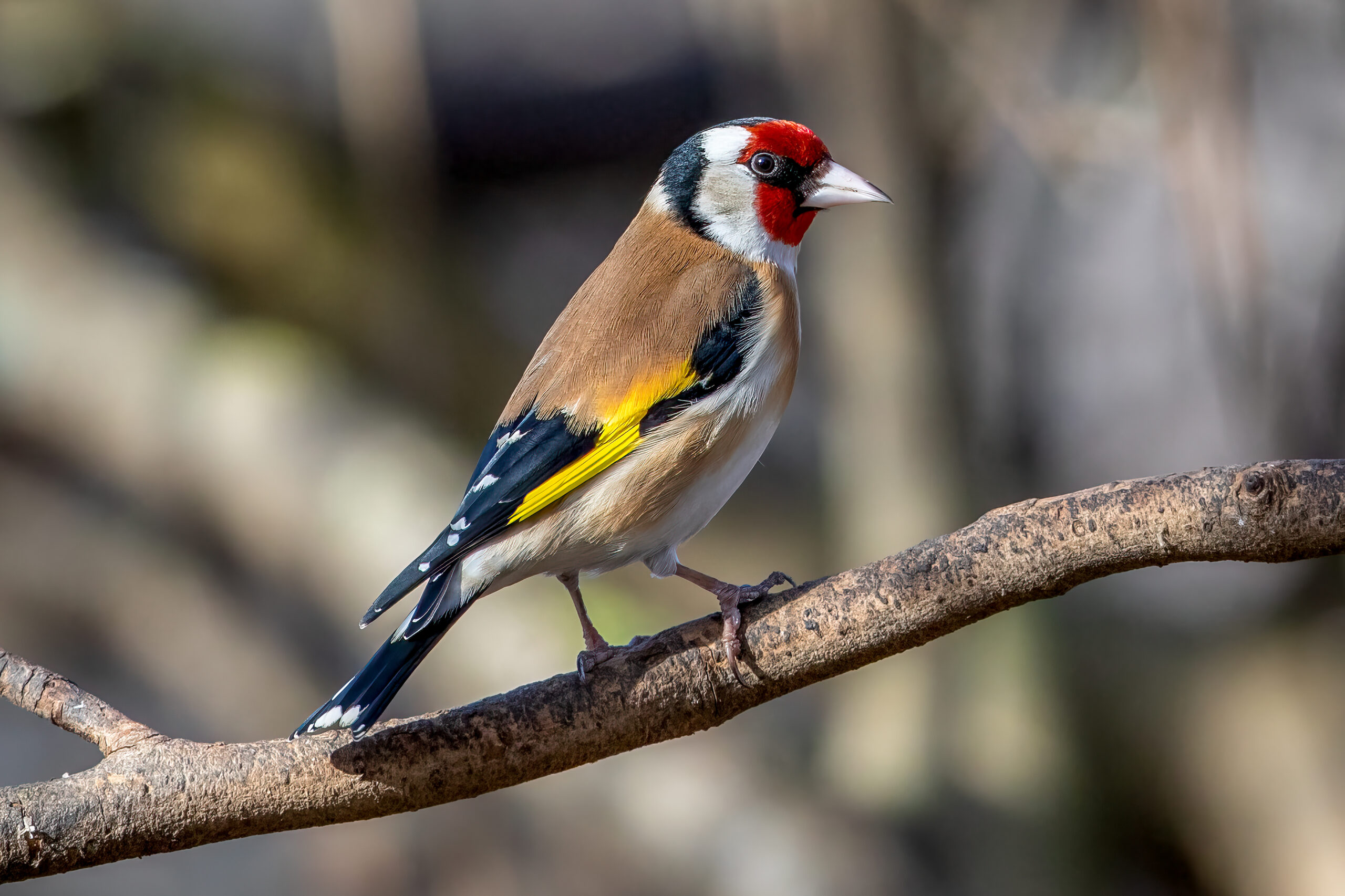
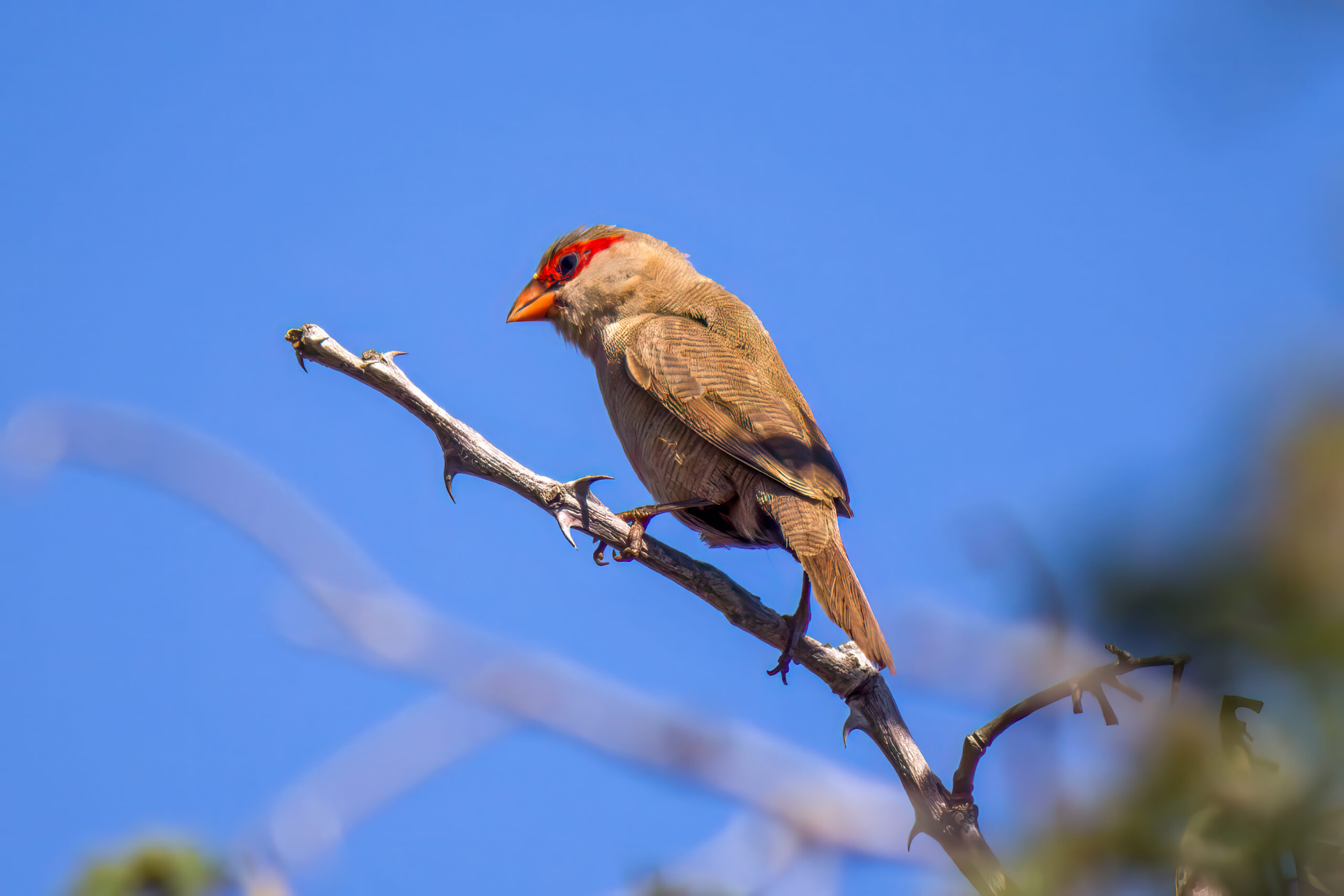
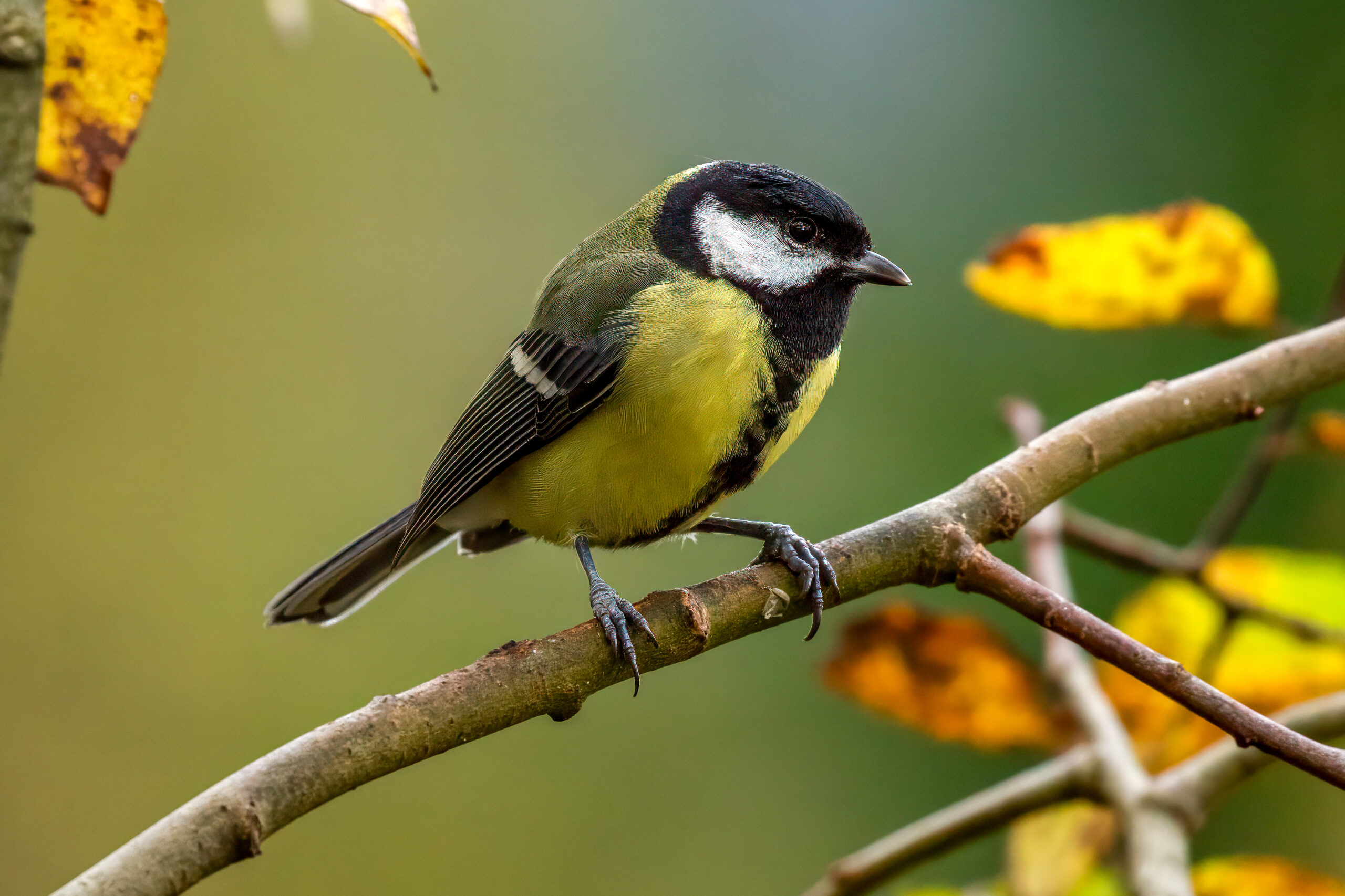
Three invasive passerines established in the Mediterranean basin tolerated substantially higher air temperatures than three native species of similar size and ecology, while the two groups did not differ clearly in cold tolerance. The study compared common waxbill (Estrilda astrild), red avadavat (Amandava amandava) and yellow-crowned bishop (Euplectes afer) with European goldfinch (Carduelis carduelis), serin (Serinus serinus) and great tit (Parus major) around Badajoz in southwestern Spain.
The researchers defined the heat-tolerance limit as the highest air temperature a bird could tolerate before showing severe heat stress, such as persistent escape behaviour, loss of balance or a rapid rise in body temperature. For heat tolerance, the invasive birds were tested in summer 2024 and compared with native birds measured previously in the same area using the same protocol. Cold tolerance was tested in winter 2025 and was defined by the air temperature at which a bird began to become hypothermic.
The invasive group reached higher heat limits
The estimated heat-tolerance limit was 6.2 °C higher in the invasive group. Across the three native species, limits ranged from 36.1 to 44.1 °C, while the invasive species reached 41.8 to 50.0 °C. The result does not mean every invasive individual tolerated more heat than every native individual, but the group-level difference was statistically supported.
A major difference appeared in evaporative cooling. Birds lose heat by evaporating water, but this also costs water. The invasive species did not begin increasing evaporative water loss strongly until air temperatures were around 42 °C, compared with roughly 36 °C in the native species. They also had a larger evaporative scope — a greater ability to raise evaporative water loss from its lower level to its maximum under extreme heat. Together, these responses could postpone heavy water loss until temperatures became more severe.
Controlled warming helped delay water loss
The invasive birds also showed stronger facultative hyperthermia: they allowed body temperature to rise temporarily in a controlled way. Storing some heat in the body can reduce the need for immediate evaporative cooling and therefore conserve water for later, more extreme heat. The temperature difference between body and surrounding air at the onset of strong evaporative cooling differed markedly between the groups, supporting this interpretation.
Not every evaporative-cooling measure differed significantly. The maximum ratio of evaporative heat loss to the birds’ own metabolic heat production was not statistically different between invasive and native species, even though invasive individuals more often reached values where evaporation could offset all of the heat being produced metabolically. The stronger evidence therefore comes from the higher heat limits, delayed onset of evaporative cooling, greater evaporative scope and greater use of facultative hyperthermia.
Cold tolerance was similar between the groups
In winter, birds were exposed to a helium–oxygen atmosphere, which increases heat loss and allows cold tolerance to be tested without requiring extremely low chamber temperatures. The researchers found no statistically clear difference in the cold-tolerance limit between the invasive and native groups. Instead, body mass mattered: heavier individuals reached the hypothermic threshold at lower temperatures.
The three invasive species in this study therefore combined higher heat tolerance with cold tolerance comparable to the three native species, giving them a broader measured thermal range. The authors suggest that this physiology may help these particular invasive passerines persist across varied thermal environments, including warmer conditions, but they explicitly caution against treating the pattern as a universal property of invasive birds.
Physiology
Related news
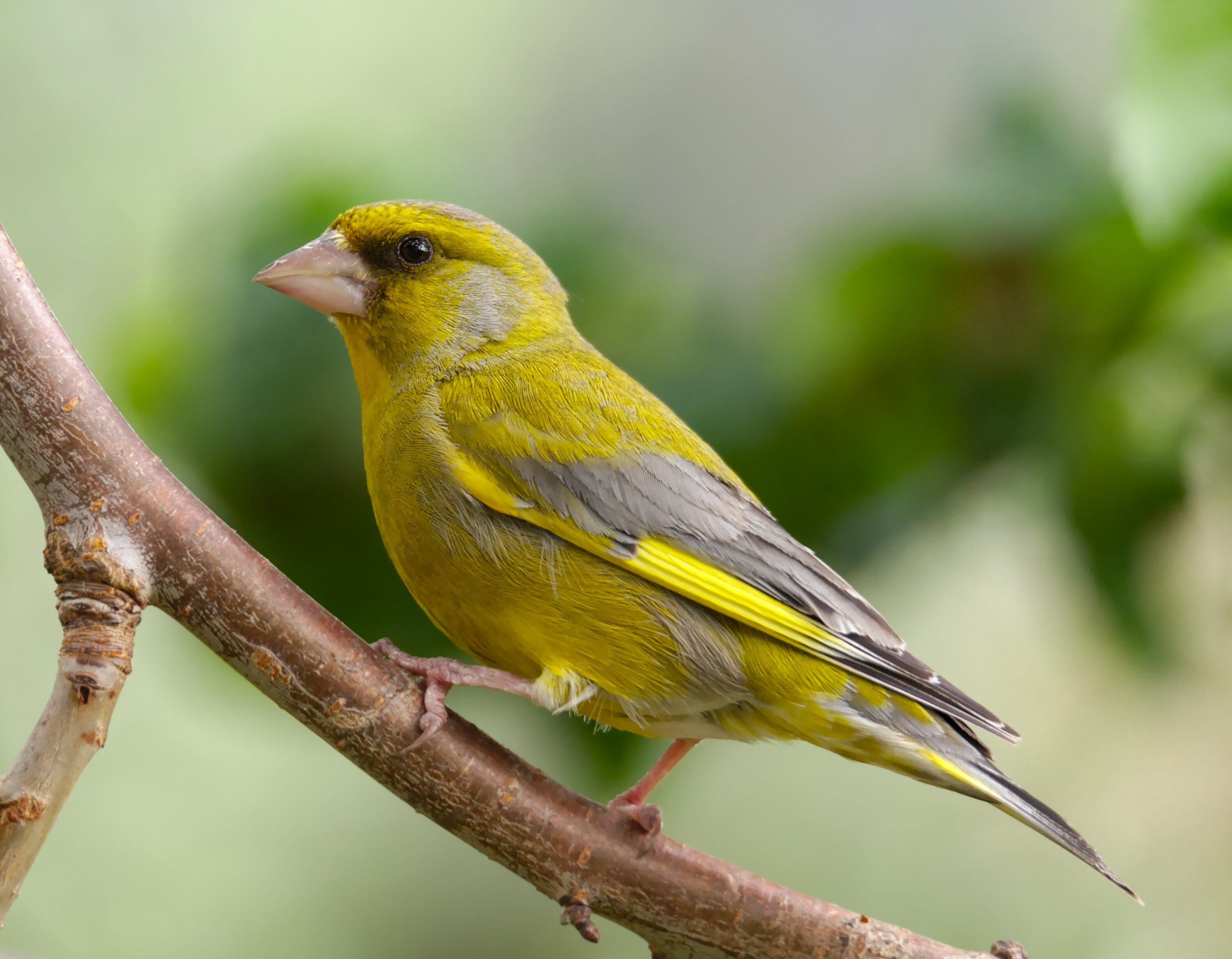
Feather Element Profiles Differed Between Farmland- and Forest-associated Songbirds
At one Polish winter feeding site, greenfinches and goldfinches showed wider variation in feather element profiles than two…
Read story →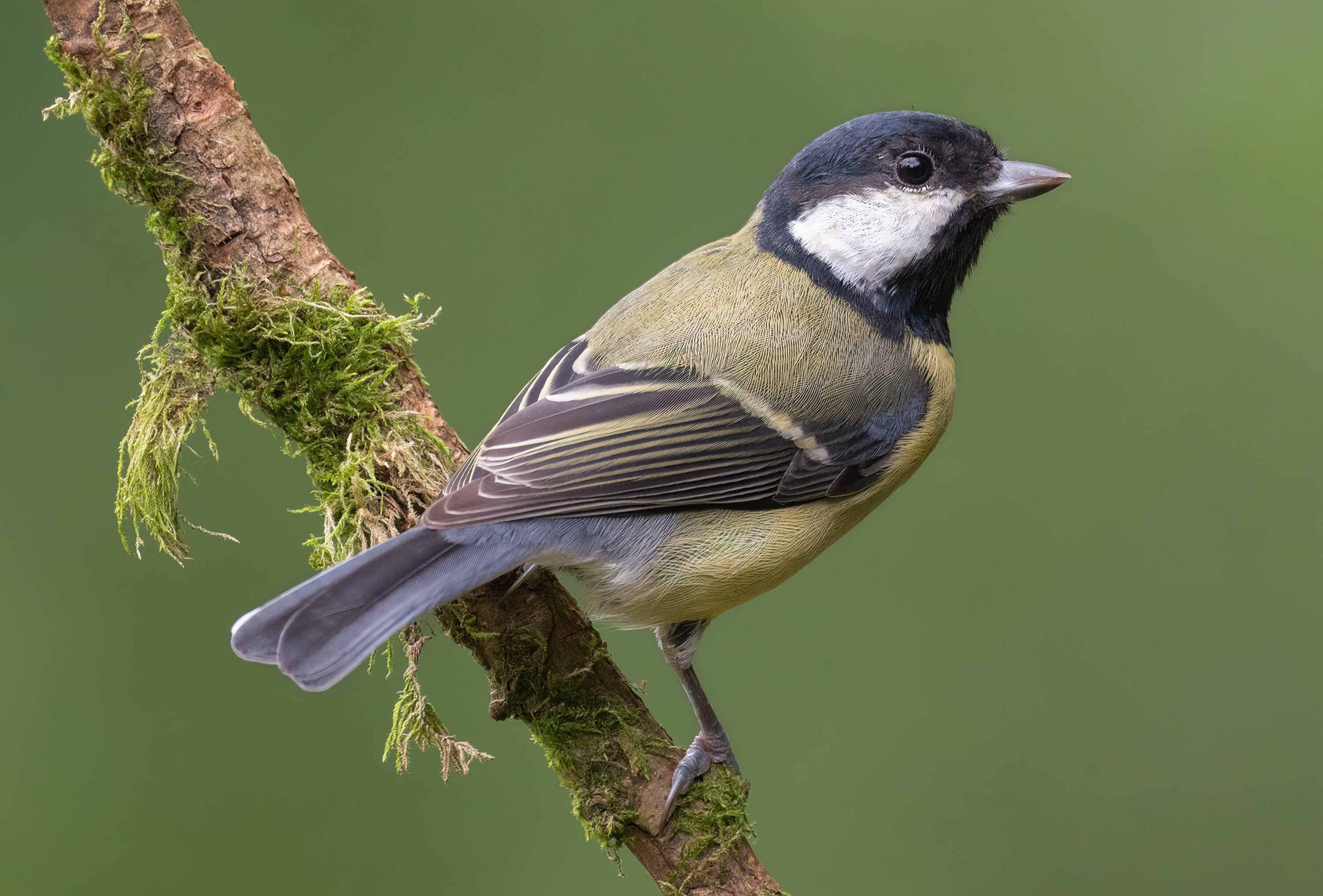
Great Tits Infected Ticks With Borrelia Most Often During Breeding
Across 420 xenodiagnoses in northern Belgium, wild Great Tits were much more likely to transmit Borrelia garinii to…
Read story →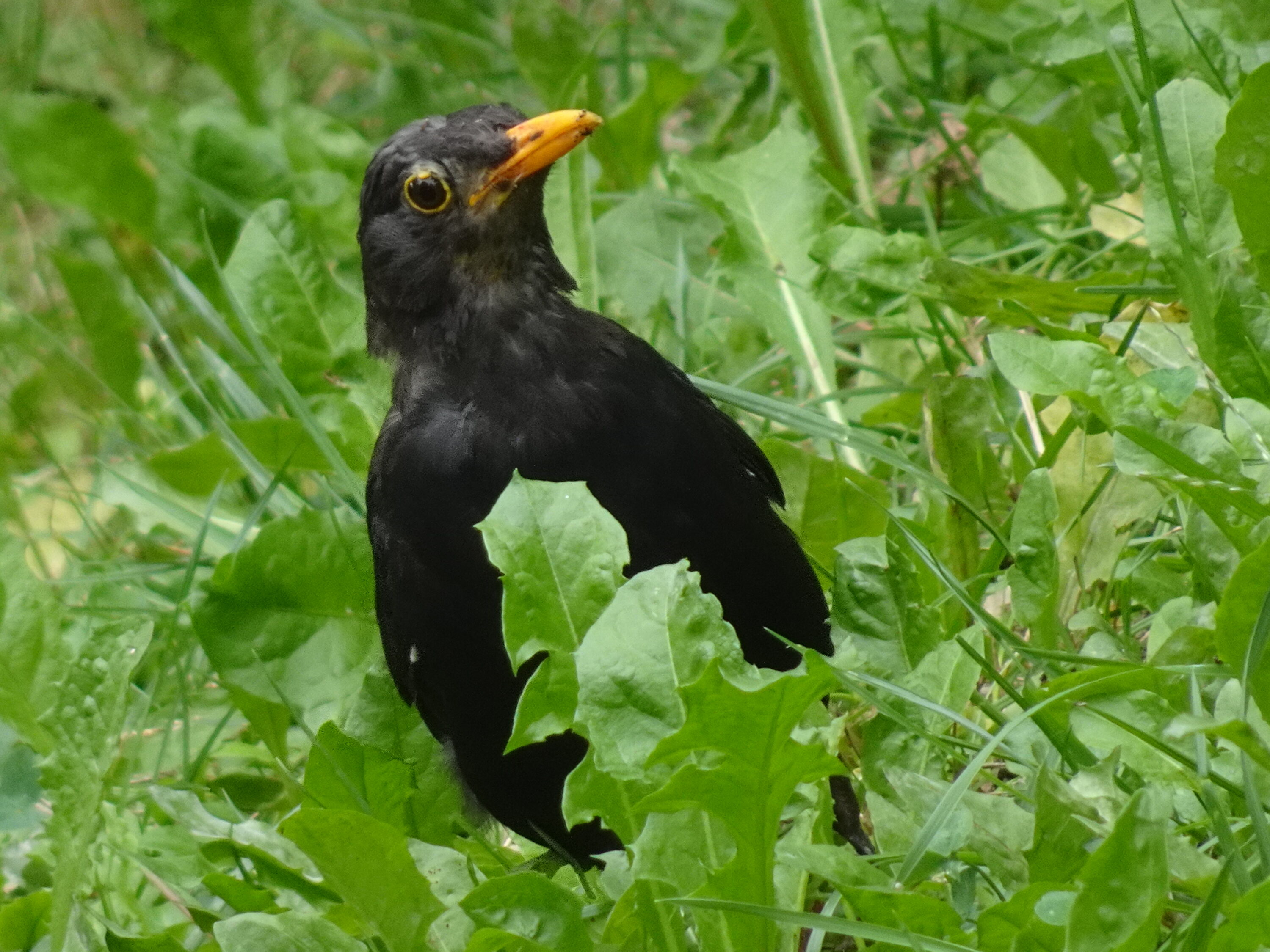
Urban Bird Diversity Was More Strongly Linked to Forest Structure Than the Surrounding City
Across 12 urban forests in three Italian cities, researchers recorded 2,035 birds from 52 species. Local forest structure…
Read story →SPECIES IN THIS STORY
Species in this story
Independent research and conservation news archive
Did you find this information useful?
Wildlife Vagabond is independently built and maintained. Voluntary support helps cover source verification, hosting and continued work on research and conservation news.
Support Wildlife VagabondThe news archive will remain freely available.