
Livestock Losses Varied Strongly Among Households and Carnivores in Ethiopia’s Omo Valley
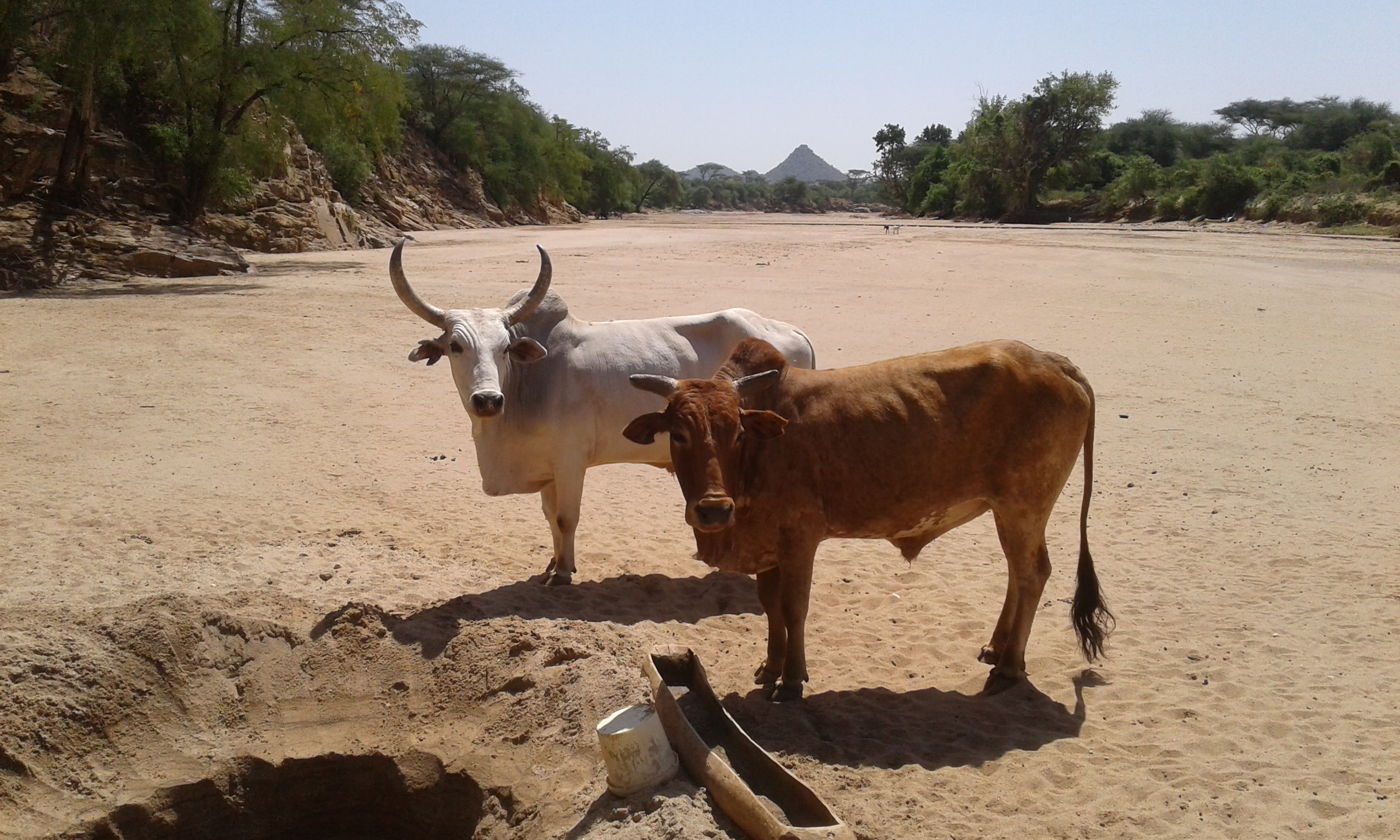
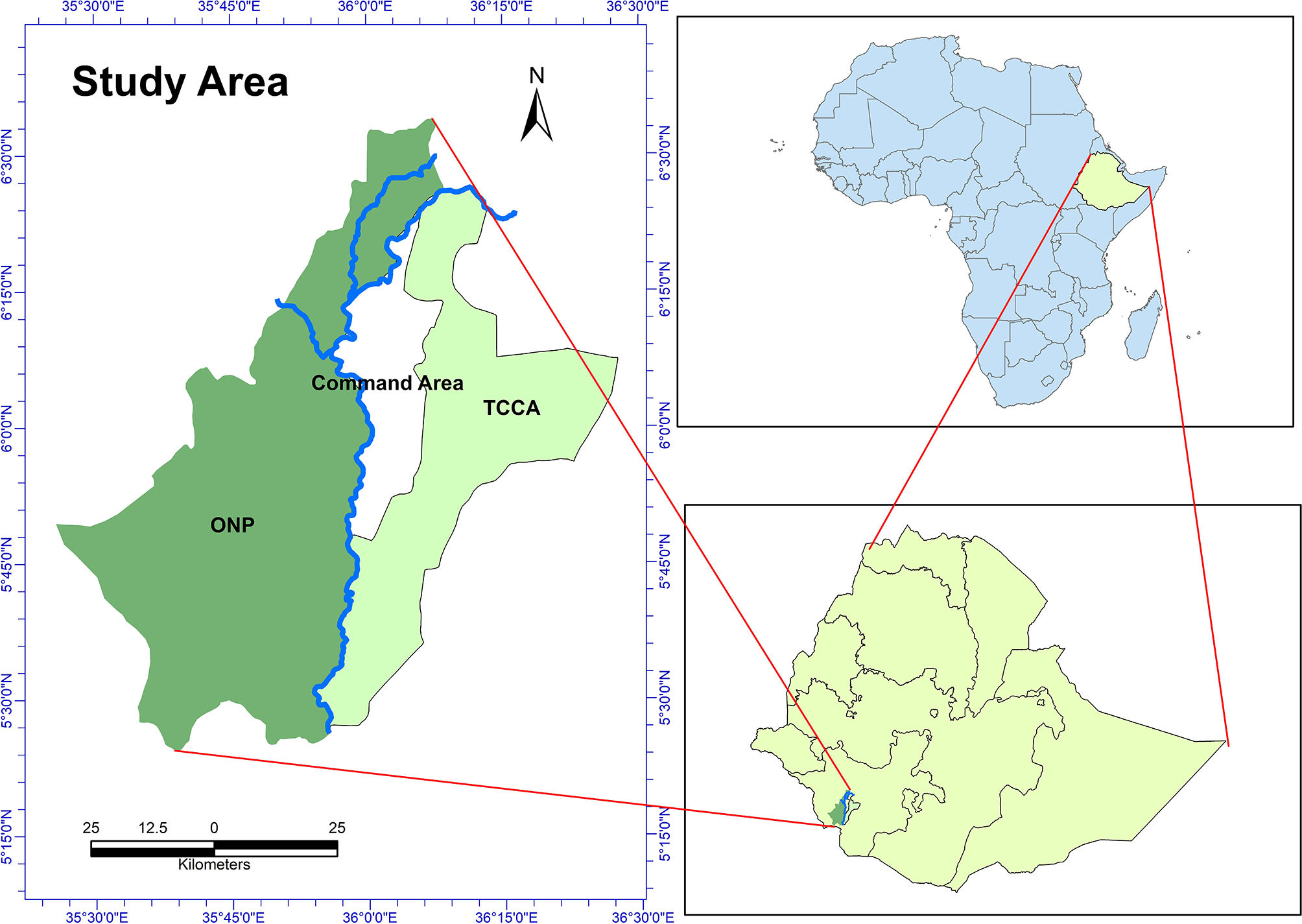
A household study from southern Ethiopia found that reported livestock losses to carnivores were common but very unevenly distributed around Omo National Park and the neighbouring Tama Community Conservation Area. The study examined both which predators households blamed for losses and which household circumstances were most strongly associated with reporting depredation.
Spotted hyenas were blamed most often in predator-specific reports
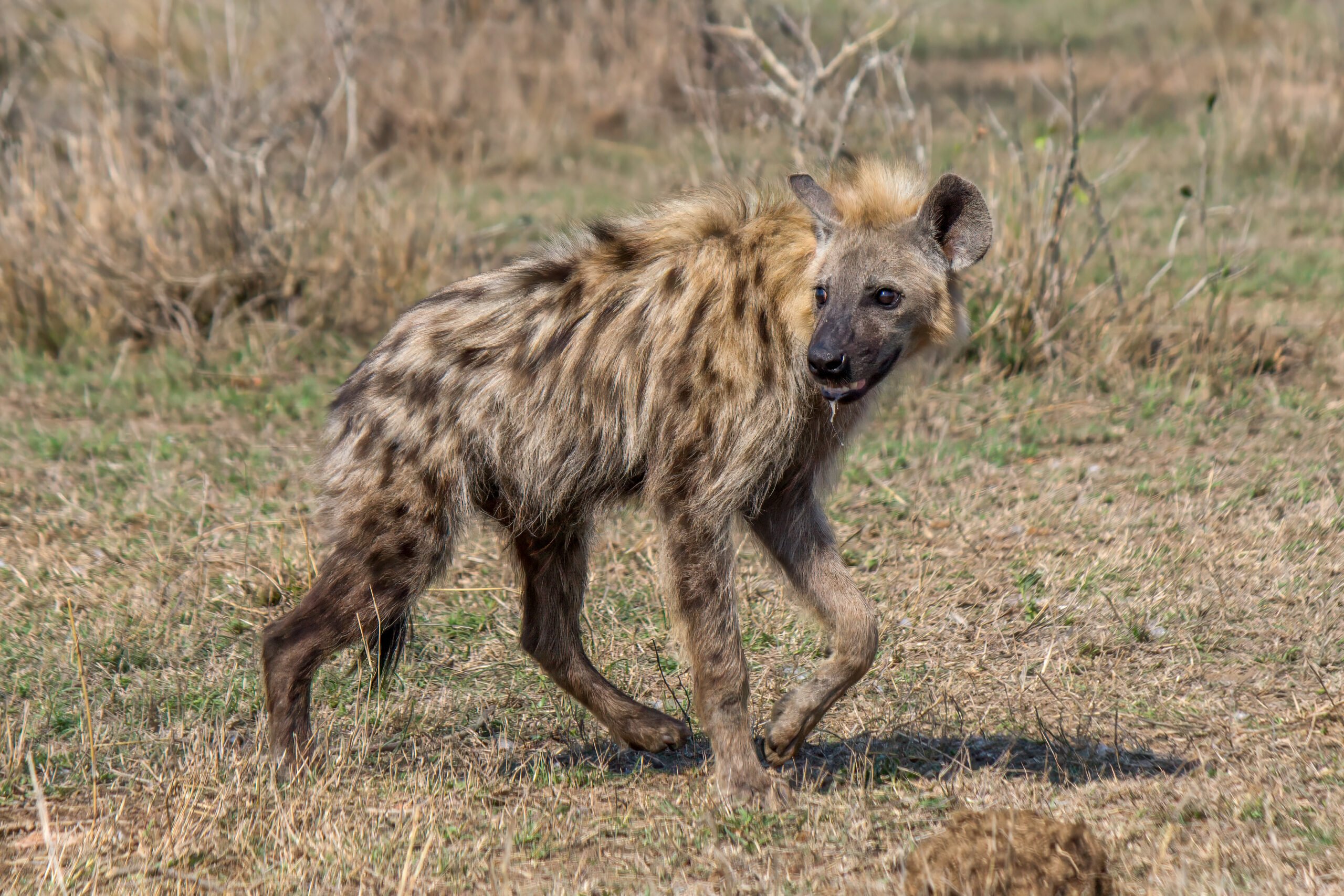
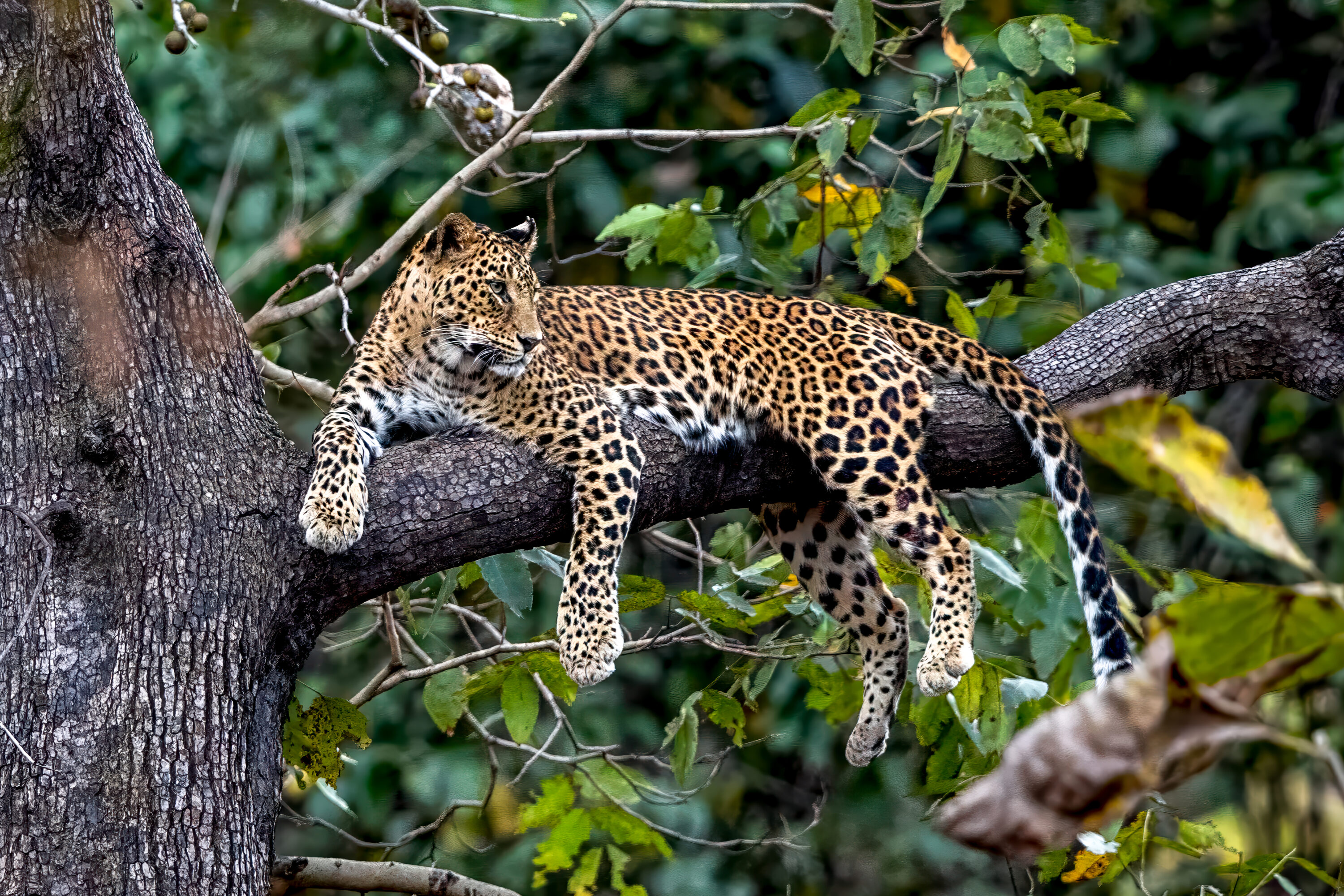
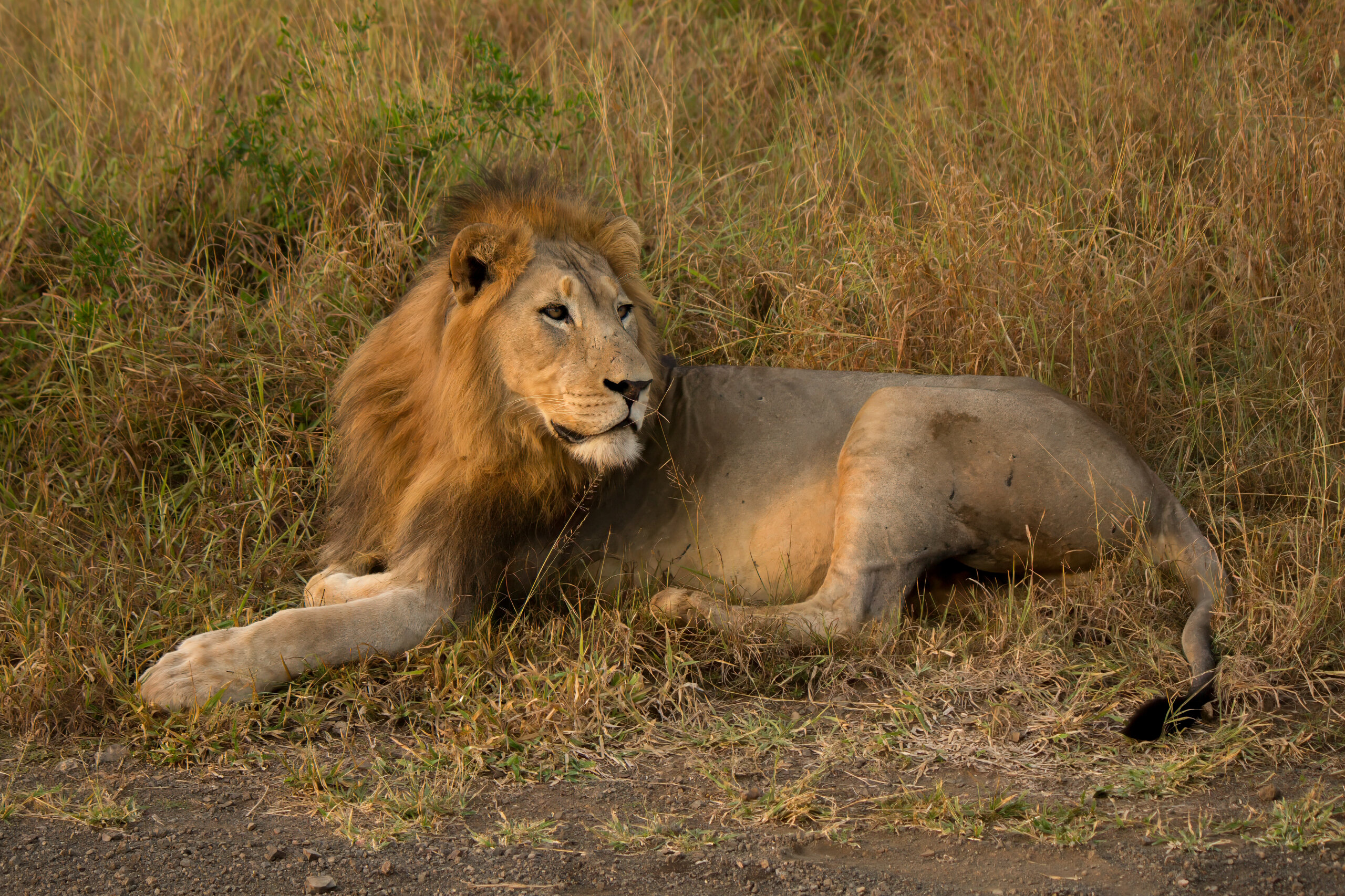
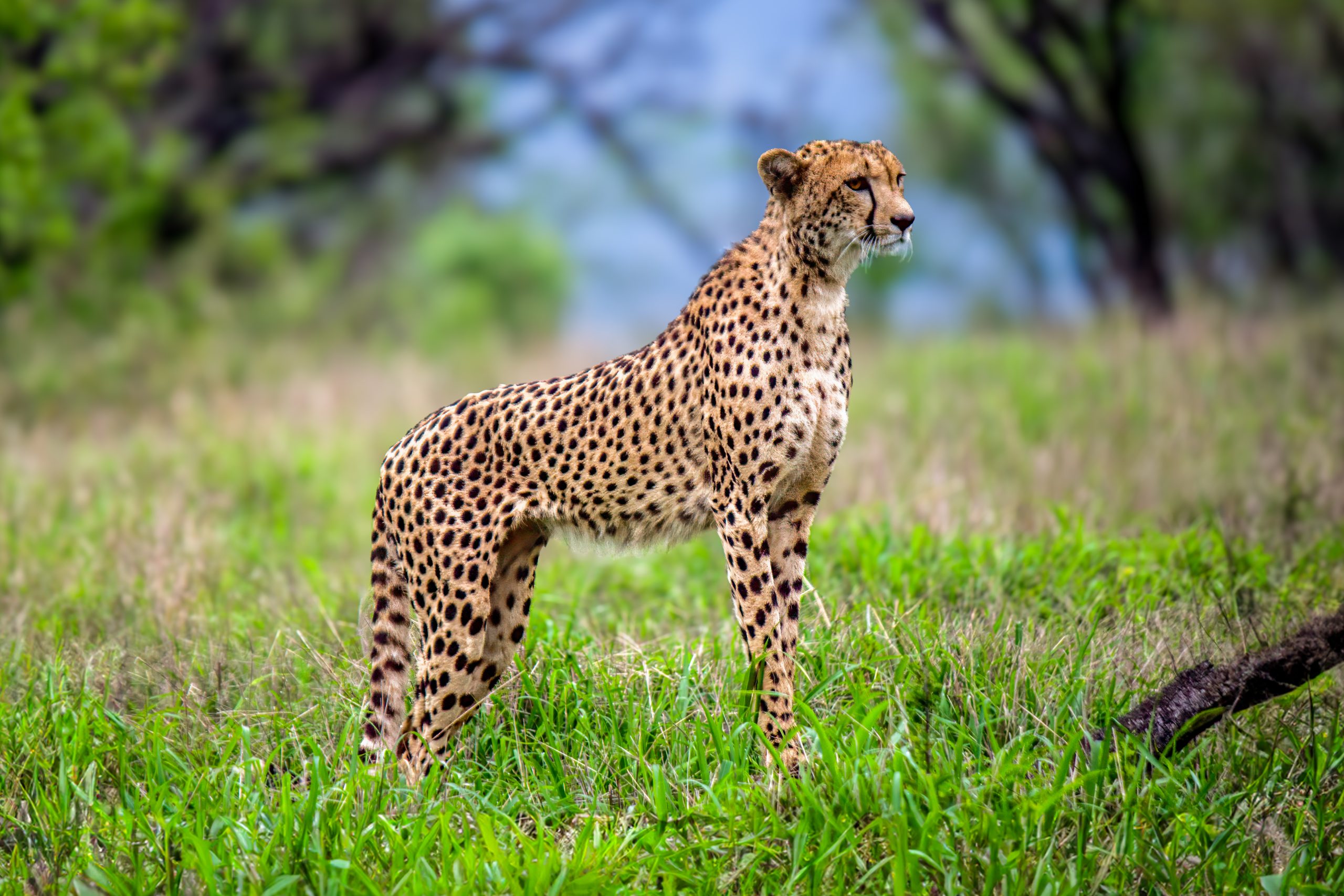
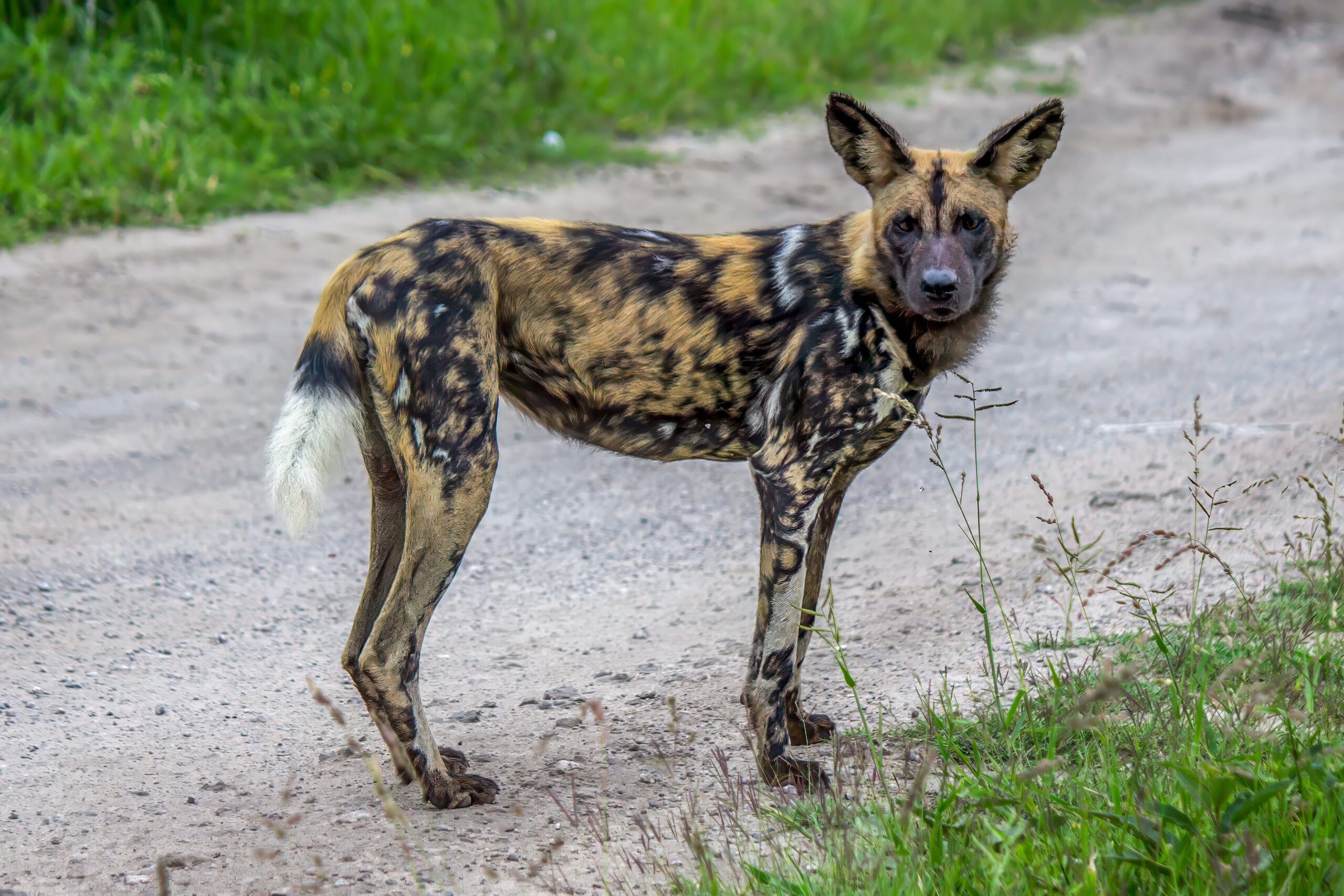
The researchers interviewed 147 households using a structured questionnaire. During the study’s 12-month reference period, 36.1 percent reported losing livestock to carnivores. In a separate predator-specific summary, which should not be read as the same 12-month measure, spotted hyenas (Crocuta crocuta) were blamed most often, by 66.7% of households, followed by leopards (Panthera pardus) at 37.4% and lions (Panthera leo) at 36.7%. Jackals were reported by 30.6% of households, cheetahs (Acinonyx jubatus) by 28.6% and African wild dogs (Lycaon pictus) by 21.1%.
The researchers deliberately recruited accessible households near the protected areas rather than drawing a random sample from the whole Omo Valley. The 36.1% figure therefore describes the households that were interviewed and cannot be assumed to be the proportion for the valley as a whole.
Species-specific loss figures were reported, not verified kill rates
The number of animals reportedly lost also varied between predators. This produced a different pattern from how often each predator was blamed. Spotted hyenas were implicated by far more households, but among the lifetime species-specific reports, cheetahs had the highest average number of livestock lost per household, at 5.14 animals, while spotted hyenas averaged 2.64. However, these figures are based on people’s recollections over their lifetimes rather than verified predation events and should therefore not be treated as direct measurements of each predator’s actual impact.
The study itself highlights another important limitation: livestock owners can sometimes misidentify the carnivore responsible for an attack, particularly when several similar-sized predators occur in the same area. The species-level results are therefore best read as reported patterns of conflict rather than precise kill rates.
The burden was unevenly distributed among households
Reported livestock loss was also associated with household circumstances. After the measured household factors were considered together, pastoralist households were much more likely to report losses than agro-pastoralists, although the size of that difference was imprecisely estimated. Poor households also had a clearly higher reported risk than rich households, while households more than 20 km from the national park had far lower reported risk than households within 10 km. Because the study was cross-sectional, these relationships identify risk patterns rather than proving that the household factors caused depredation. This shows that the burden of living alongside large carnivores is distributed unevenly.
The findings point towards targeted measures rather than treating every household or predator in the same way. Better livestock protection near high-risk areas, support for households that are especially dependent on livestock, and ecological monitoring of carnivore movements could help reduce losses while maintaining the Omo Valley’s diverse predator community.
Human–wildlife conflict
Related news
Food Leaves Its Mark on the Gut Bacteria of Kruger’s Wildlife
Gut bacteria in nine mammal species from Kruger National Park followed clear patterns linked to food and digestion.…
Read story →
Livestock conflict with large carnivores is widespread across Queen Elizabeth National Park
Researchers documented 139 confirmed livestock-depredation events involving lions, leopards and spotted hyenas across 11 communities in Queen Elizabeth…
Read story →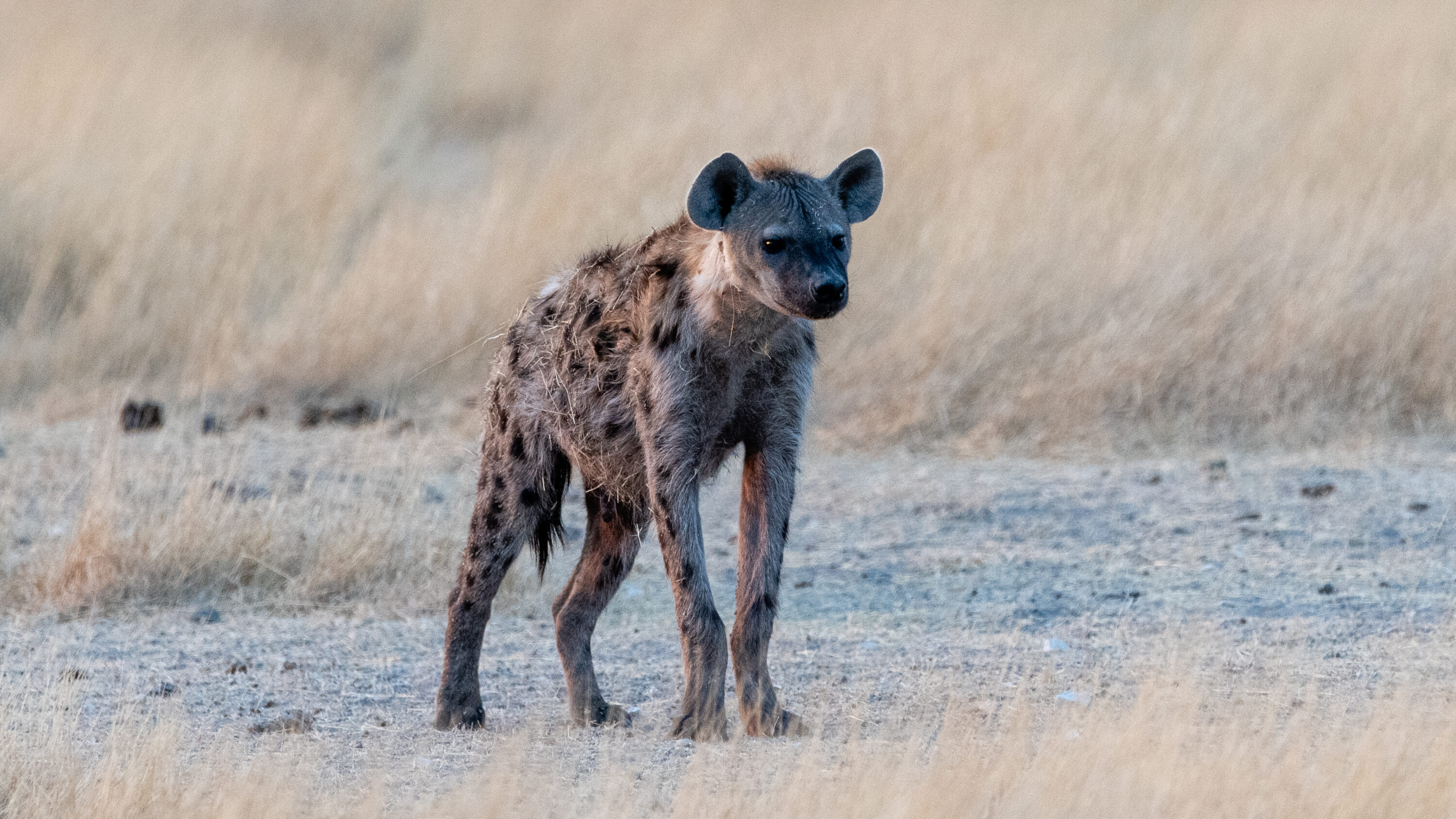
Spotted Hyenas Repeatedly Moved Away From Lions in Five-Minute GPS Data
High-frequency GPS data from Namibia and Botswana showed a robust retreat bias in spotted hyenas around lions, while…
Read story →SPECIES IN THIS STORY
Species in this story
Independent research and conservation news archive
Did you find this information useful?
Wildlife Vagabond is independently built and maintained. Voluntary support helps cover source verification, hosting and continued work on research and conservation news.
Support Wildlife VagabondThe news archive will remain freely available.