
Open-Source 3D Atlas Maps the Eurasian Blackcap Brain
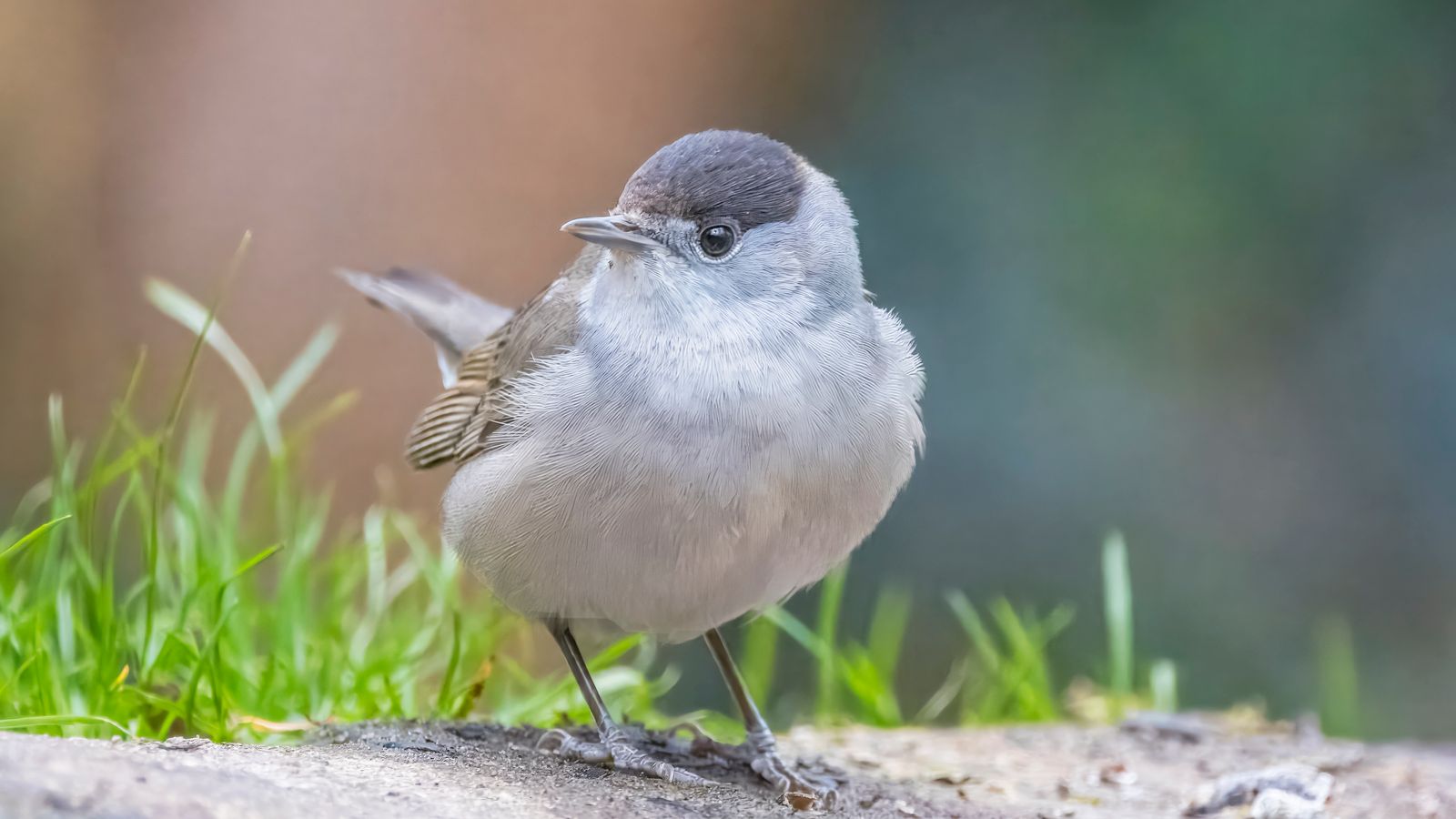
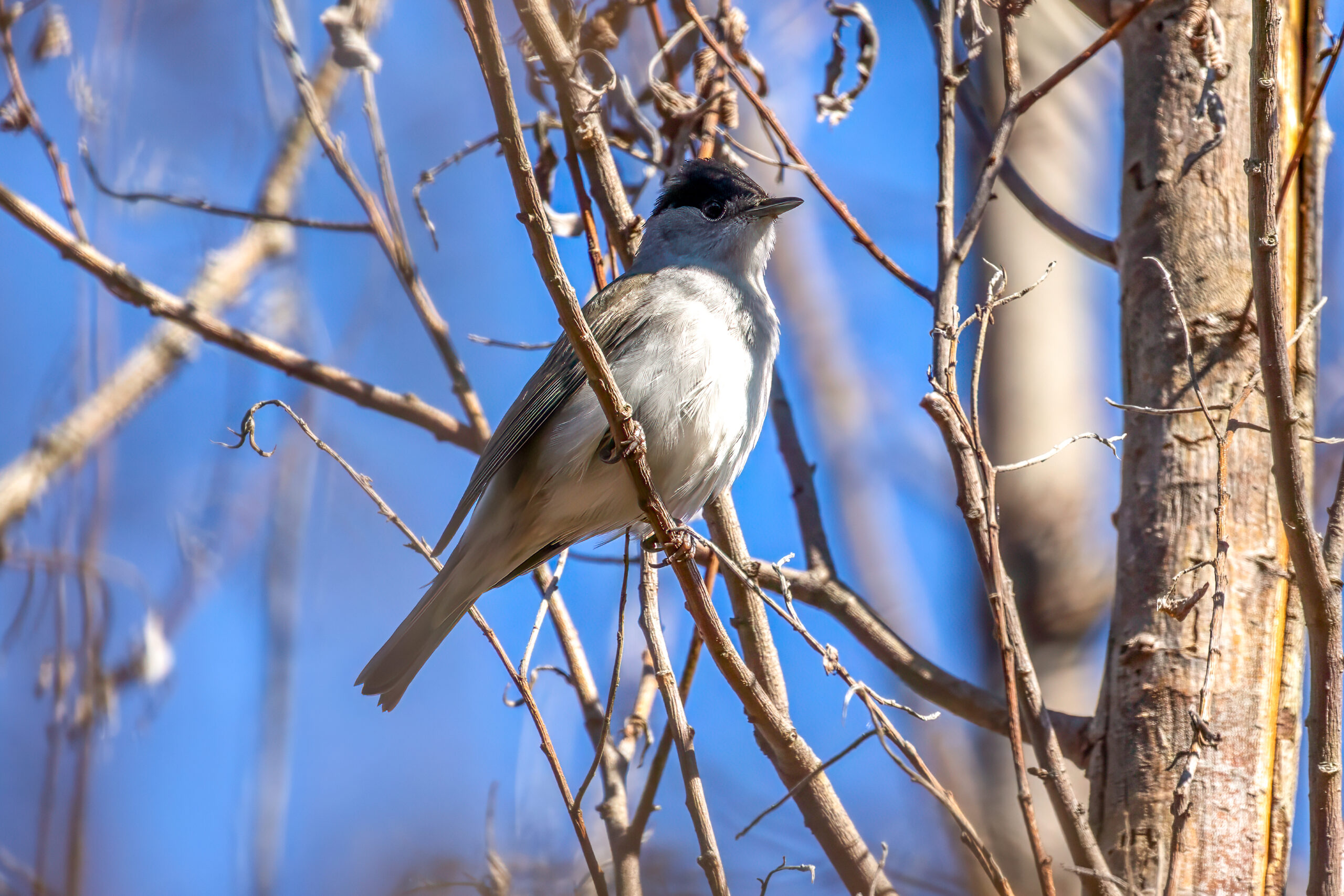
Researchers in Germany have created the first freely available high-resolution three-dimensional brain atlas for a migratory bird. The digital reference is based on the Eurasian blackcap (Sylvia atricapilla), a night-migrating songbird that has become an important model for studying how birds sense the Earth’s magnetic field and navigate between breeding and wintering grounds.
The atlas was presented in Current Biology on 20 April 2026 by researchers from University College London, the University of Oldenburg and collaborating institutions. Until now, scientists working on avian magnetoreception lacked a detailed three-dimensional coordinate system that would allow results from different blackcap brains and different experiments to be placed in the same anatomical framework. The new atlas is intended to provide that common reference.
Eight male brains formed a 25-micrometre template
The team used brains from eight male Eurasian blackcaps. Each whole brain was imaged with serial two-photon tomography. In this method, a microscope images the exposed surface of the brain, a thin layer of tissue is then cut away, and the process is repeated through the entire organ. Stacking the aligned images produces a detailed three-dimensional volume. The individual three-dimensional datasets were then repeatedly aligned and averaged to create a representative template. Specialists manually annotated the template and divided its first version into 44 brain areas.
Those areas include the principal brain compartments, anatomical subdivisions shared by birds, parts of the song system and sensory regions associated with visual, trigeminal and vestibular information. The trigeminal system carries sensory information from the face and beak region, while the vestibular system contributes information about balance and movement. Several of these sensory systems have been implicated in the processing of magnetic-field cues. The finished atlas has an isotropic voxel size of 25 micrometres. Each tiny three-dimensional image unit therefore measures 25 micrometres on every side, so the anatomical resolution is equally fine in all directions.
BrainGlobe provides a shared coordinate system
The researchers integrated the atlas into BrainGlobe, an open-source ecosystem for computational neuroanatomy. This makes it possible to align experimental data from an individual bird with the common template and use existing software to locate cells, implanted devices, injection sites and other objects within the brain. Data from separate individuals can therefore be compared in a shared coordinate space instead of being interpreted only within each bird’s own anatomy. The atlas can also receive additional annotations as knowledge develops.
Tracing revealed a new connection from Cluster N
To demonstrate what the resource can reveal, the team aligned viral-tracing data to the atlas. Viral tracers label neurons and their projections, allowing researchers to follow where nerve connections run through the brain. This showed a direct projection from Cluster N, an area associated with magnetic information processing, to the nidopallium caudolaterale. The latter integrates information and is described as a bird counterpart of the mammalian prefrontal cortex because of its role in functions that include decision-making. According to the researchers, this connection between a magnetosensitive area and an integrative decision-making centre had not previously been identified.
The study does not claim to explain the complete neural mechanism behind magnetic navigation. Instead, it supplies a standardized anatomical foundation for testing where signals travel and how different brain systems interact. Its open format is central to that purpose: laboratories can align future experiments to the same reference, compare findings more consistently and expand the atlas with new information.
Because the Eurasian blackcap is widely used in migration and magnetoreception research, the resource is expected to support work on orientation, navigation and the neural control of seasonal movement. The authors also describe a workflow that can be adapted to other bird species and microscopy methods, potentially making comparable brain atlases available for a wider range of avian research.
Anatomy & morphology
Related news
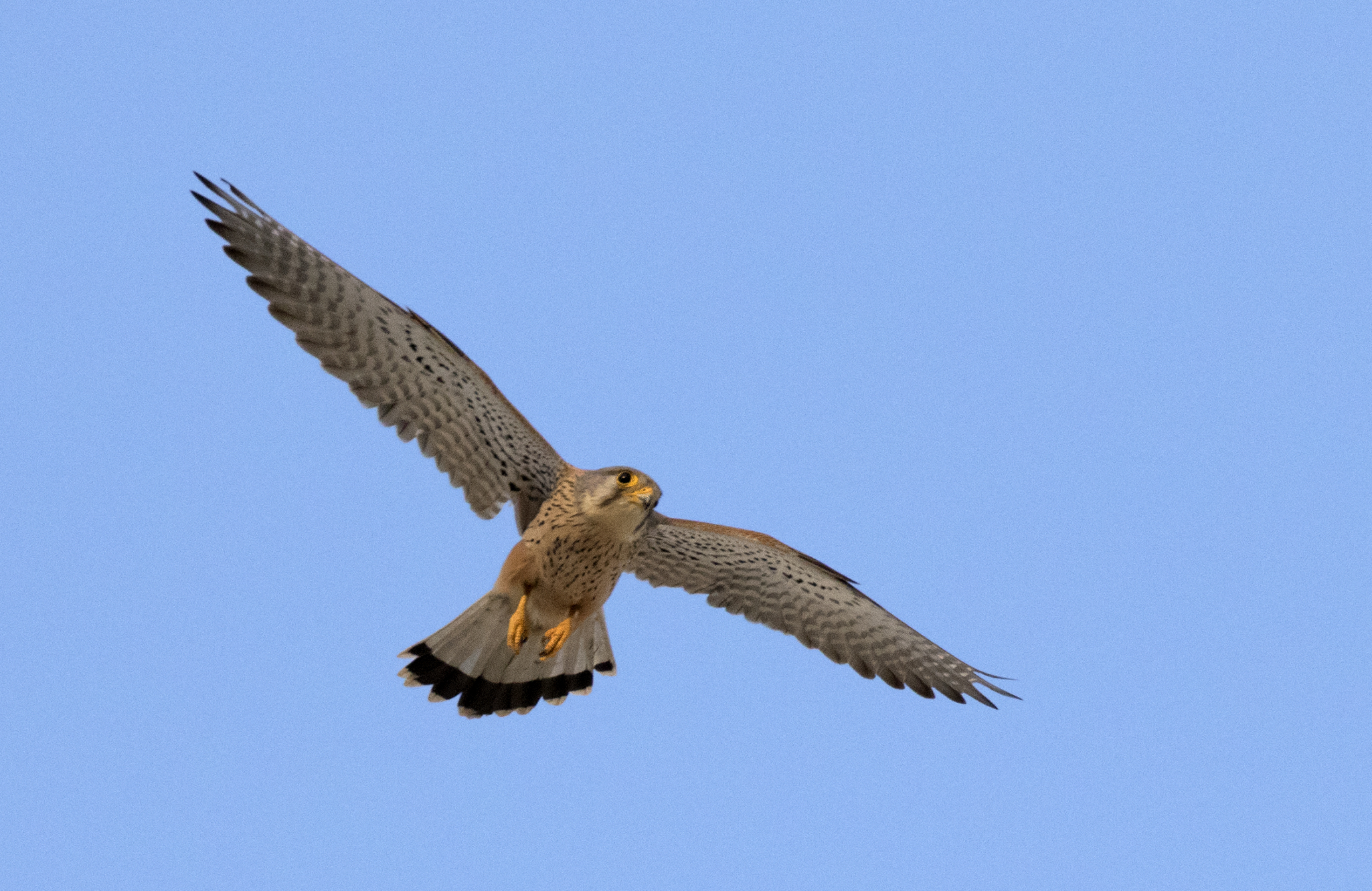
Common Kestrels Had About Twice the Tracheal Mucous-Gland Density of White Storks
A comparative study of three adult males from each of three bird species found 11.32 tracheal mucous glands…
Read story →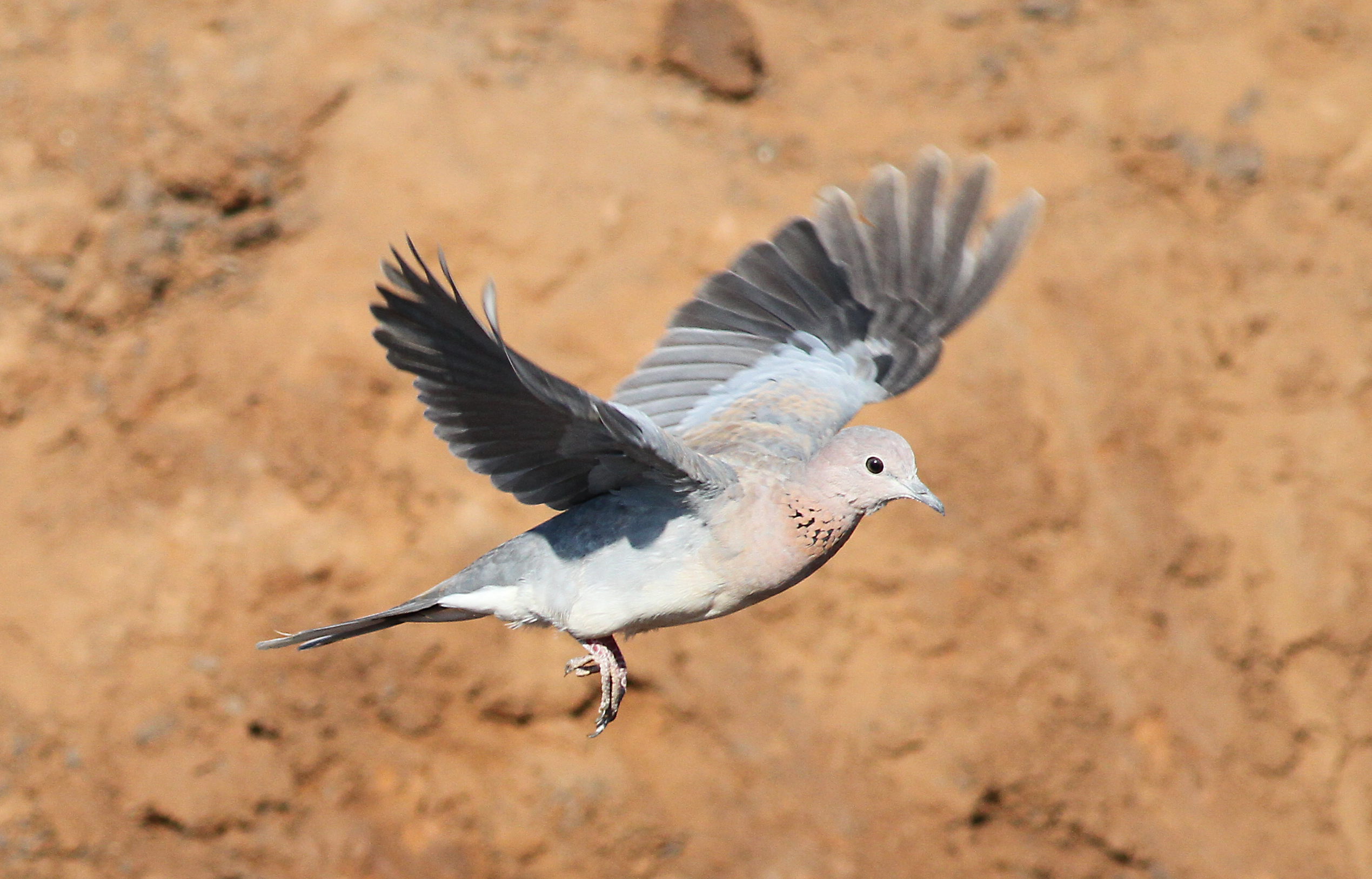
Laughing Dove Eye Pecten Mapped From 12–13 Pleats to Cell Markers
Researchers mapped the pecten oculi, a vascular structure unique to bird eyes, in the laughing dove. Its 12–13…
Read story →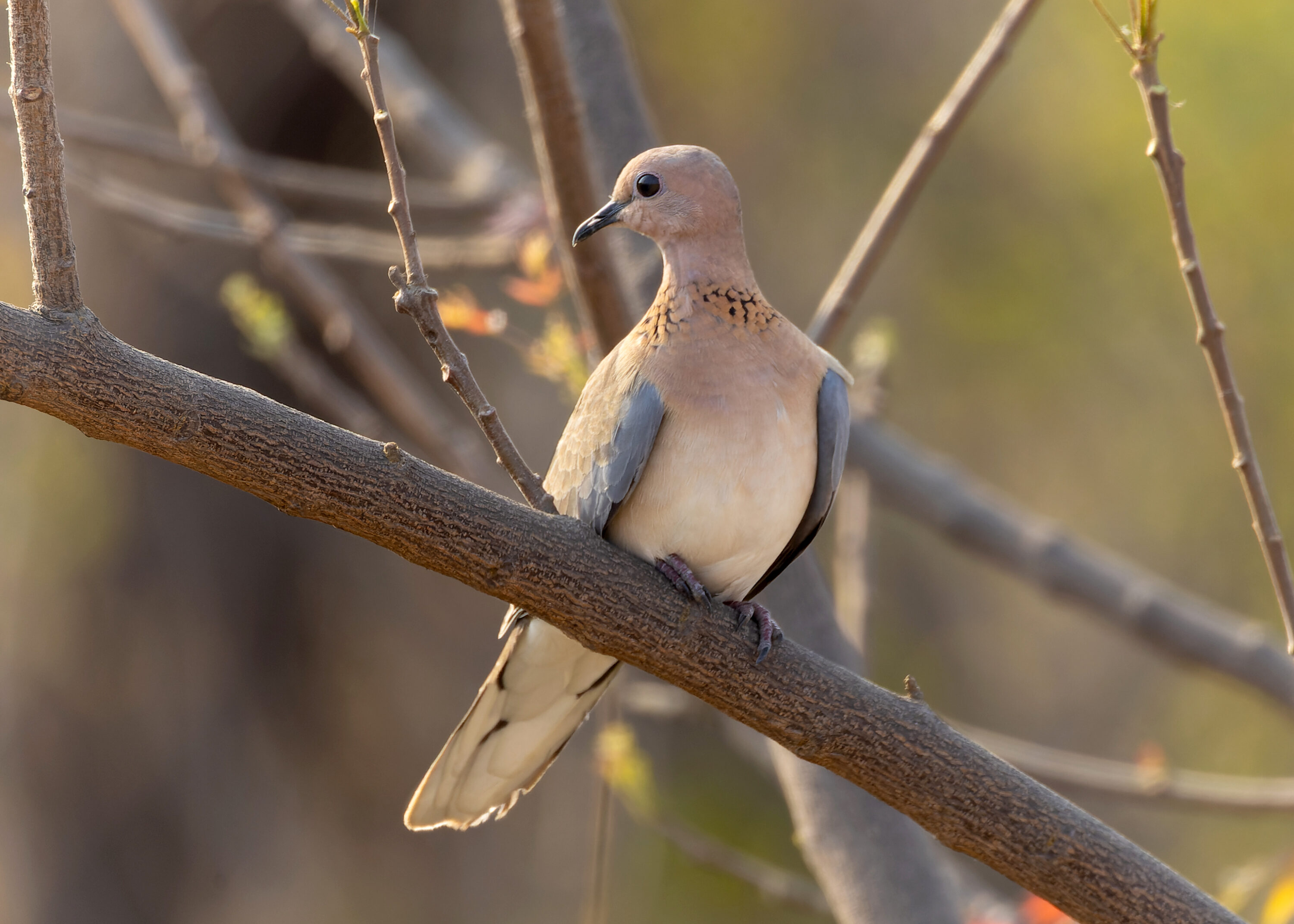
Progressive Greying Recorded in a Laughing Dove in Asia for the First Time
An adult laughing dove photographed in Karnataka, India, had localised white feathers on the head and shoulder region.…
Read story →SPECIES IN THIS STORY
Species in this story
Independent research and conservation news archive
Did you find this information useful?
Wildlife Vagabond is independently built and maintained. Voluntary support helps cover source verification, hosting and continued work on research and conservation news.
Support Wildlife VagabondThe news archive will remain freely available.