
Smell may help guide young songbirds on their first autumn migration
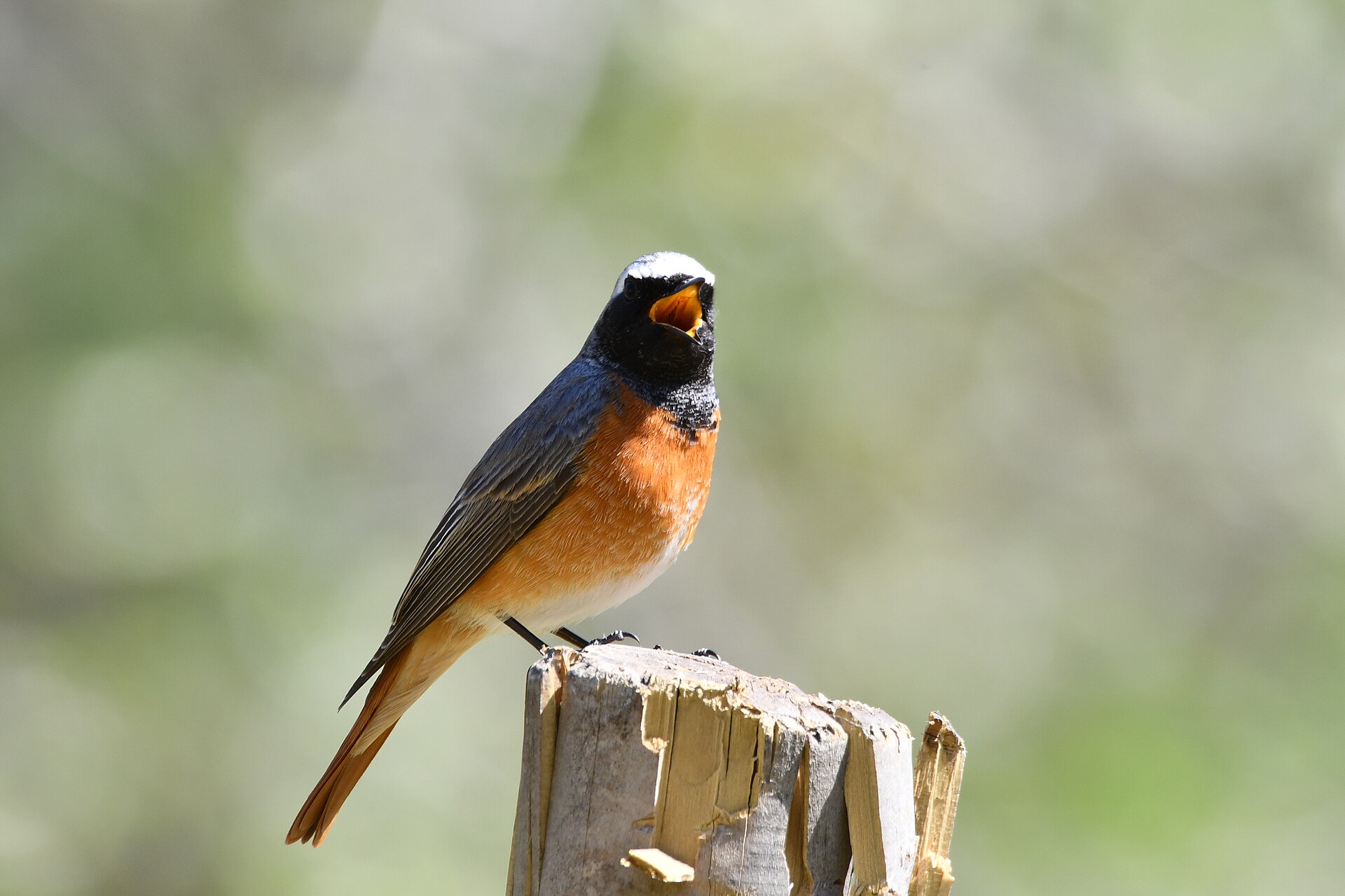
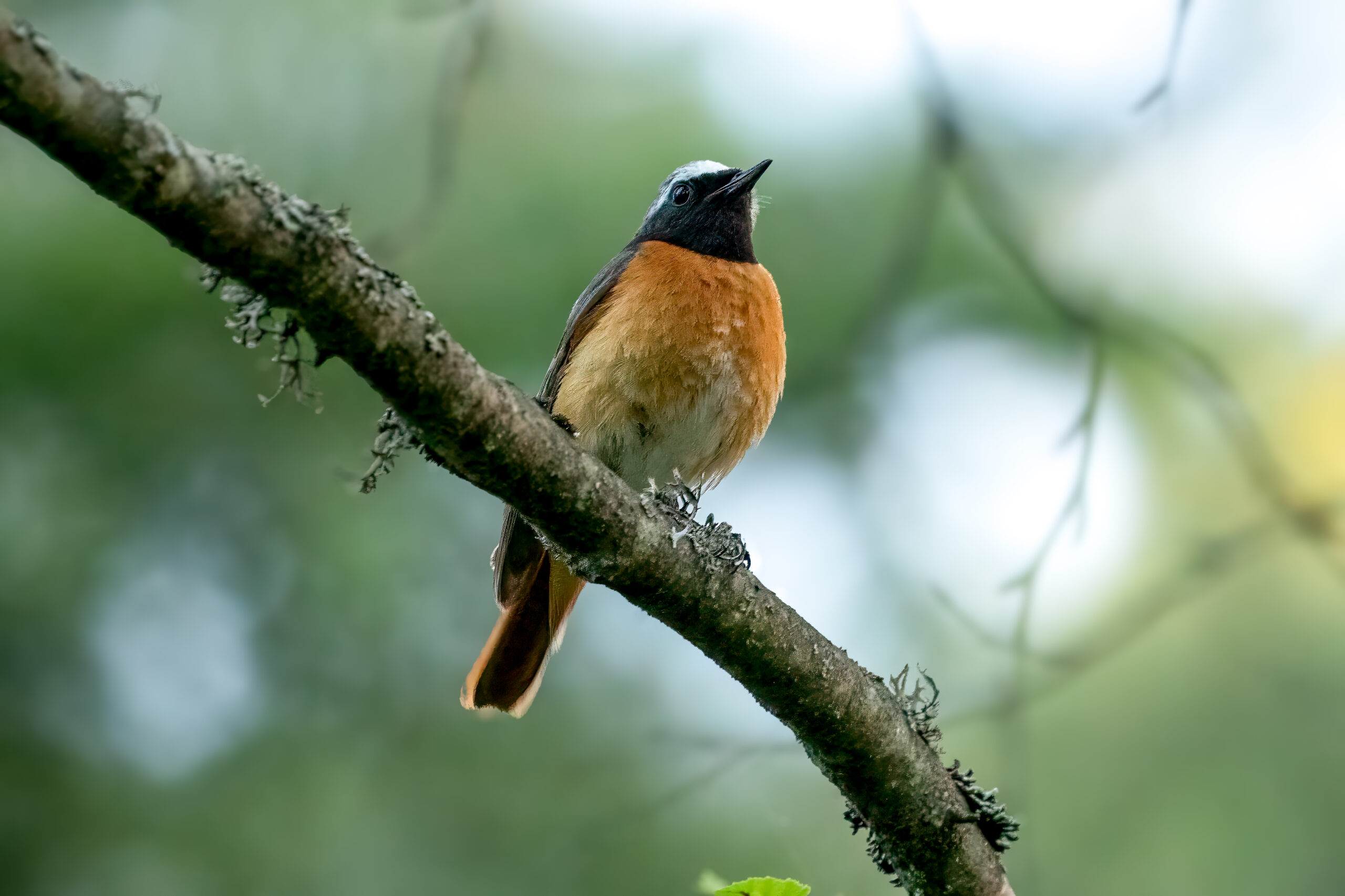
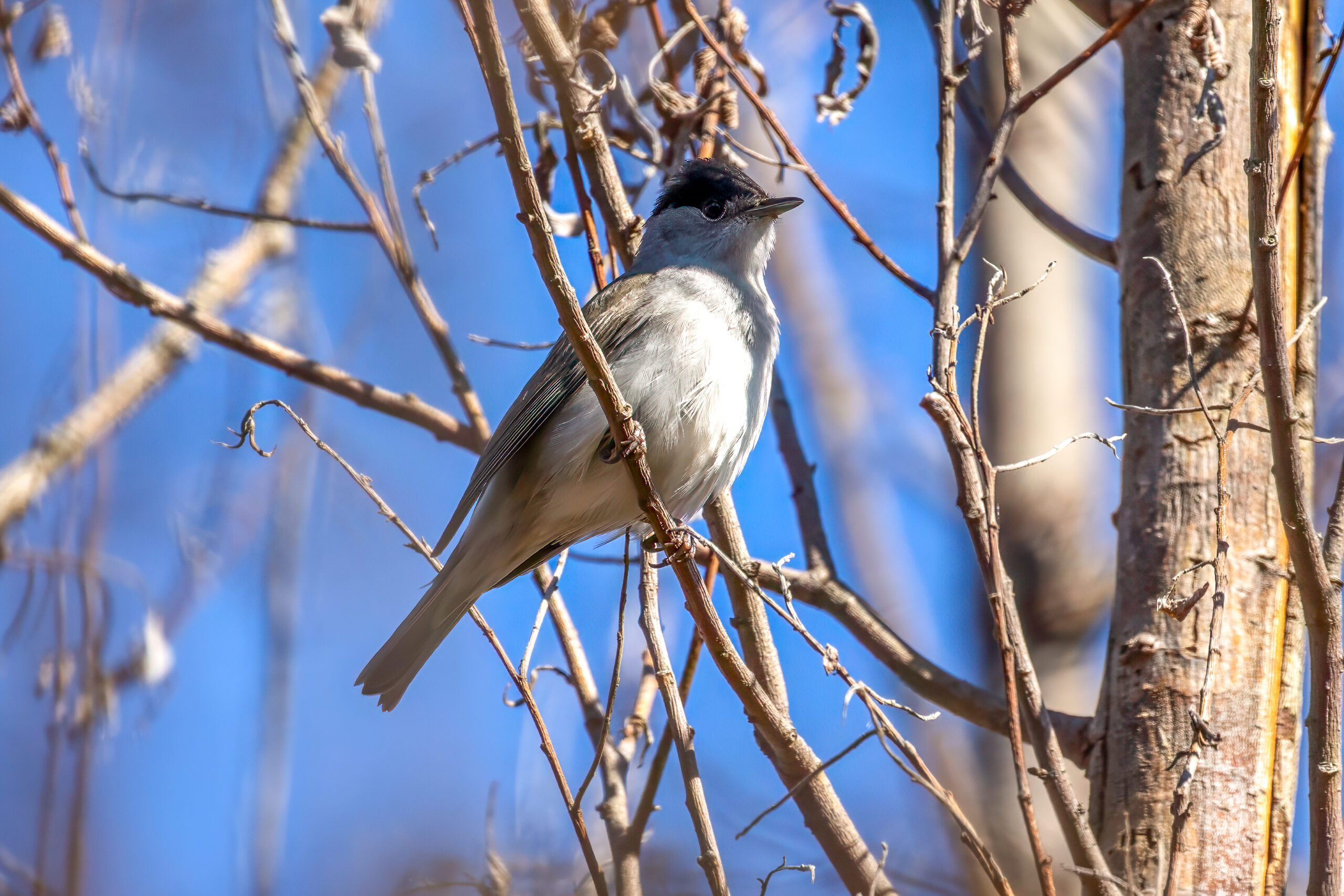
On their first autumn migration, young songbirds must set off in a seasonally appropriate direction. A study of Common Redstarts (Phoenicurus phoenicurus) and Eurasian Blackcaps (Sylvia atricapilla) tested whether smell and magnetic information contribute to the direction of their departures.
To test whether magnetic particles provide information about geographical position, researchers gave some birds a high-intensity magnetic pulse, treated others with zinc sulphate to disrupt their sense of smell, and gave a third group both treatments. Automated radiotelemetry tracked the birds as they departed in the natural environment, allowing the researchers to compare the directions in which the different groups set off.
Birds given the magnetic pulse alone departed in a seasonally appropriate direction, as did untreated controls. Their departure directions were more tightly clustered than those of birds treated to disrupt their sense of smell. In other words, the birds without a functioning sense of smell showed less consistent directed departures. The authors interpret this as suggesting that olfactory information may help young migrants maintain directed flight. Birds given both treatments also showed a different orientation pattern from the other groups.
Olfaction has previously been implicated in navigation by experienced migratory birds. The results point to a possible role even on first-year birds’ autumn migration, but do not show that smell alone provides a complete navigational map. The study had small samples, so the findings are suggestive rather than conclusive. They indicate that young migrants’ departure orientation may draw on more than one kind of sensory information.
Behaviour
Related news
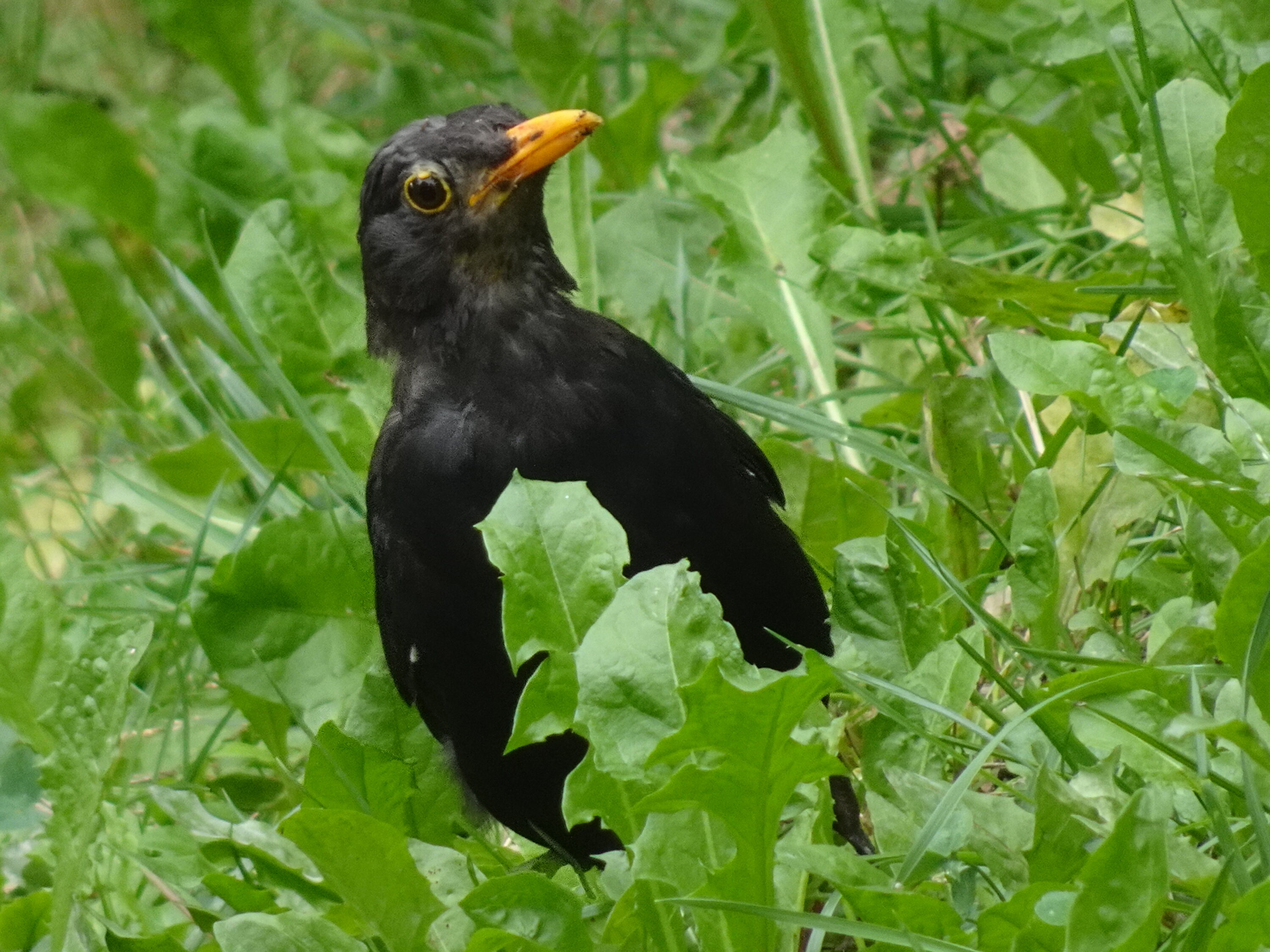
Urban Bird Diversity Was More Strongly Linked to Forest Structure Than the Surrounding City
Across 12 urban forests in three Italian cities, researchers recorded 2,035 birds from 52 species. Local forest structure…
Read story →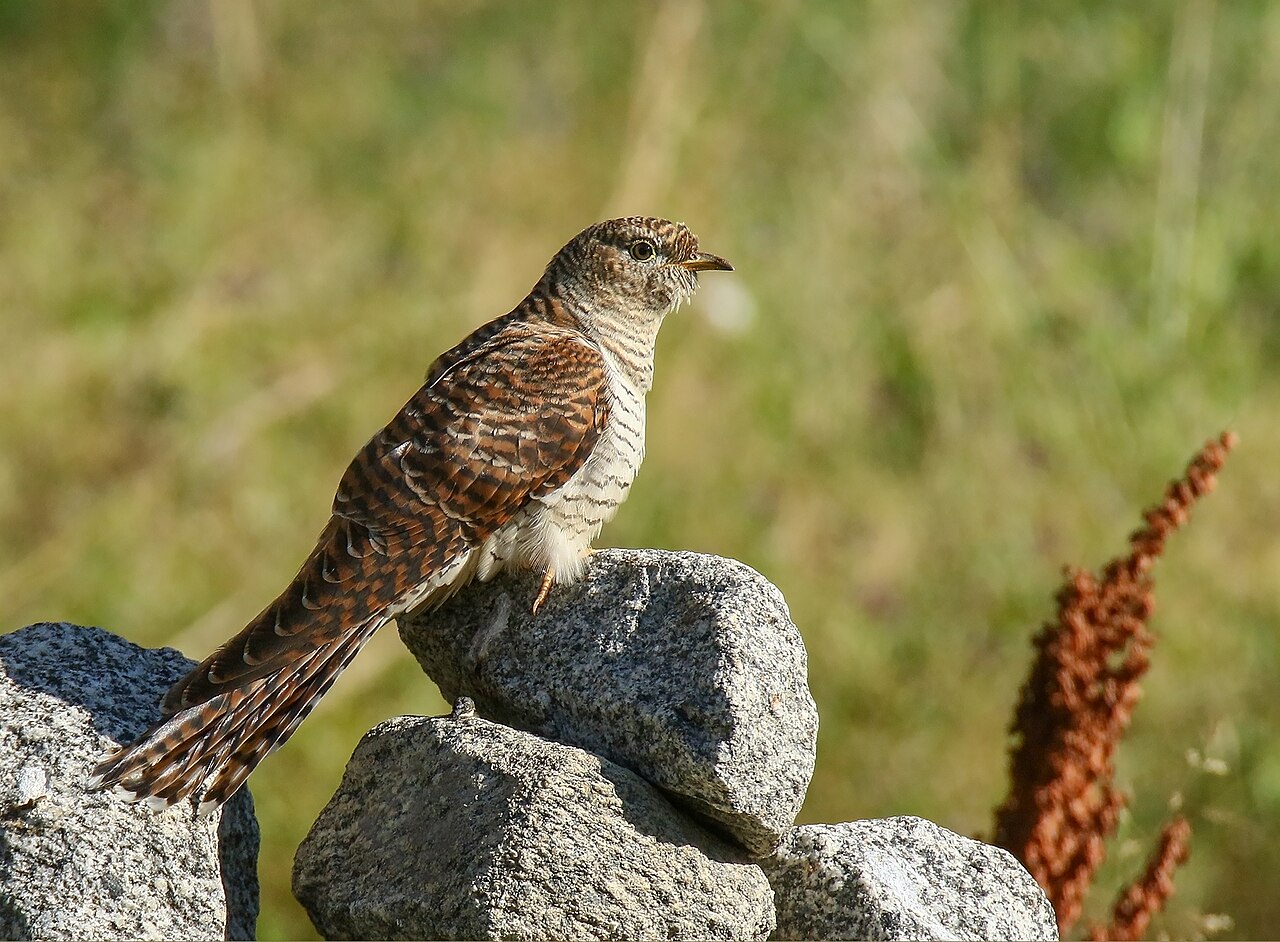
Cuckoos Use Two Different Strategies to Lay Eggs in Redstart Nests
Video from Finnish redstart nest boxes provides the first direct evidence that common cuckoos use two egg-laying strategies,…
Read story →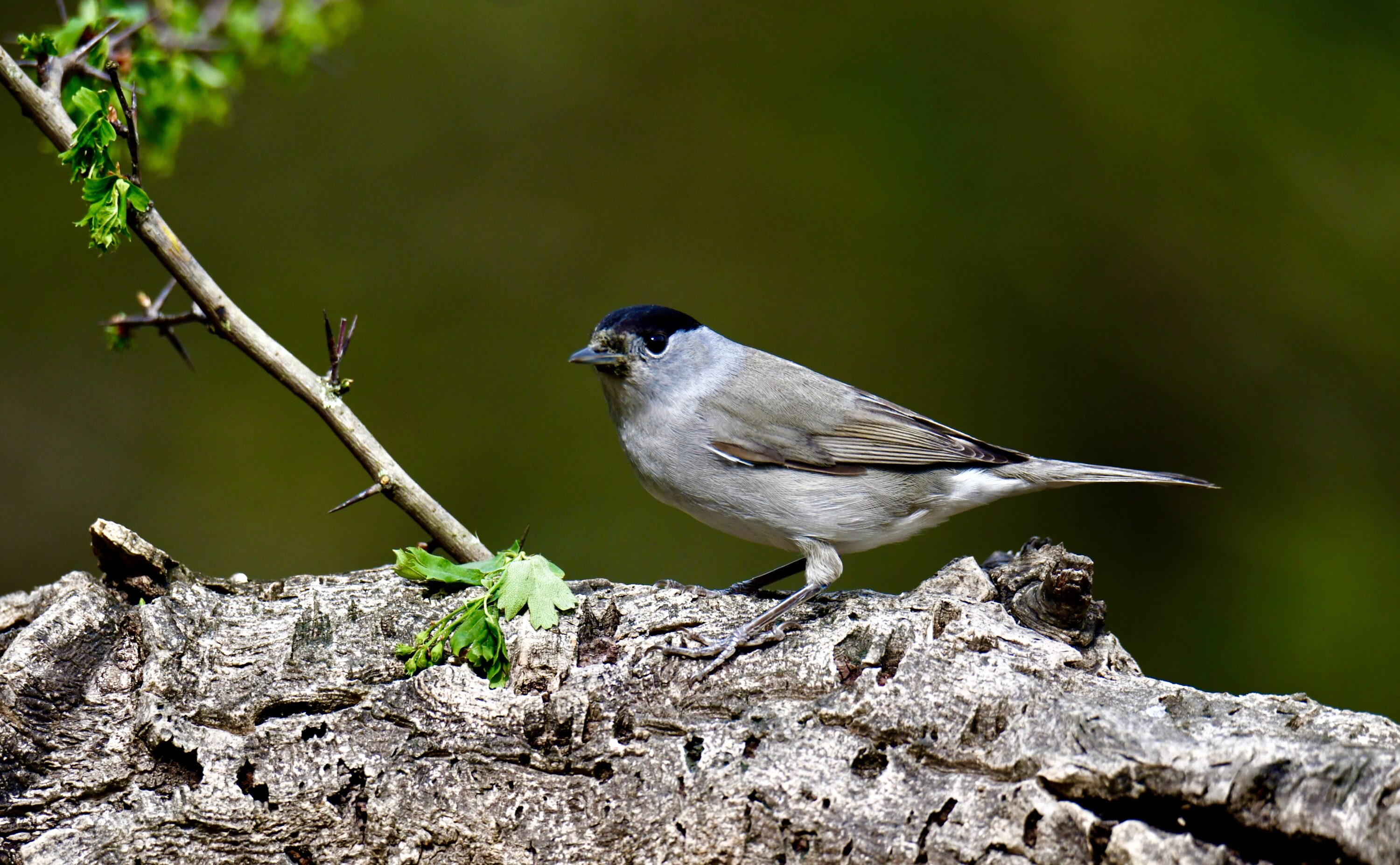
Blackcaps Advanced the Start of Spring Passage by Nine Days at Poland’s Baltic Coast Without Widening the Sex Gap
Forty-four years of Polish ringing data show that both male and female Eurasian blackcaps advanced the start of…
Read story →SPECIES IN THIS STORY
Species in this story
Independent research and conservation news archive
Did you find this information useful?
Wildlife Vagabond is independently built and maintained. Voluntary support helps cover source verification, hosting and continued work on research and conservation news.
Support Wildlife VagabondThe news archive will remain freely available.