
Oriental Honey-buzzard Released in Wadi Wurayah After 90 Days of Intensive Care
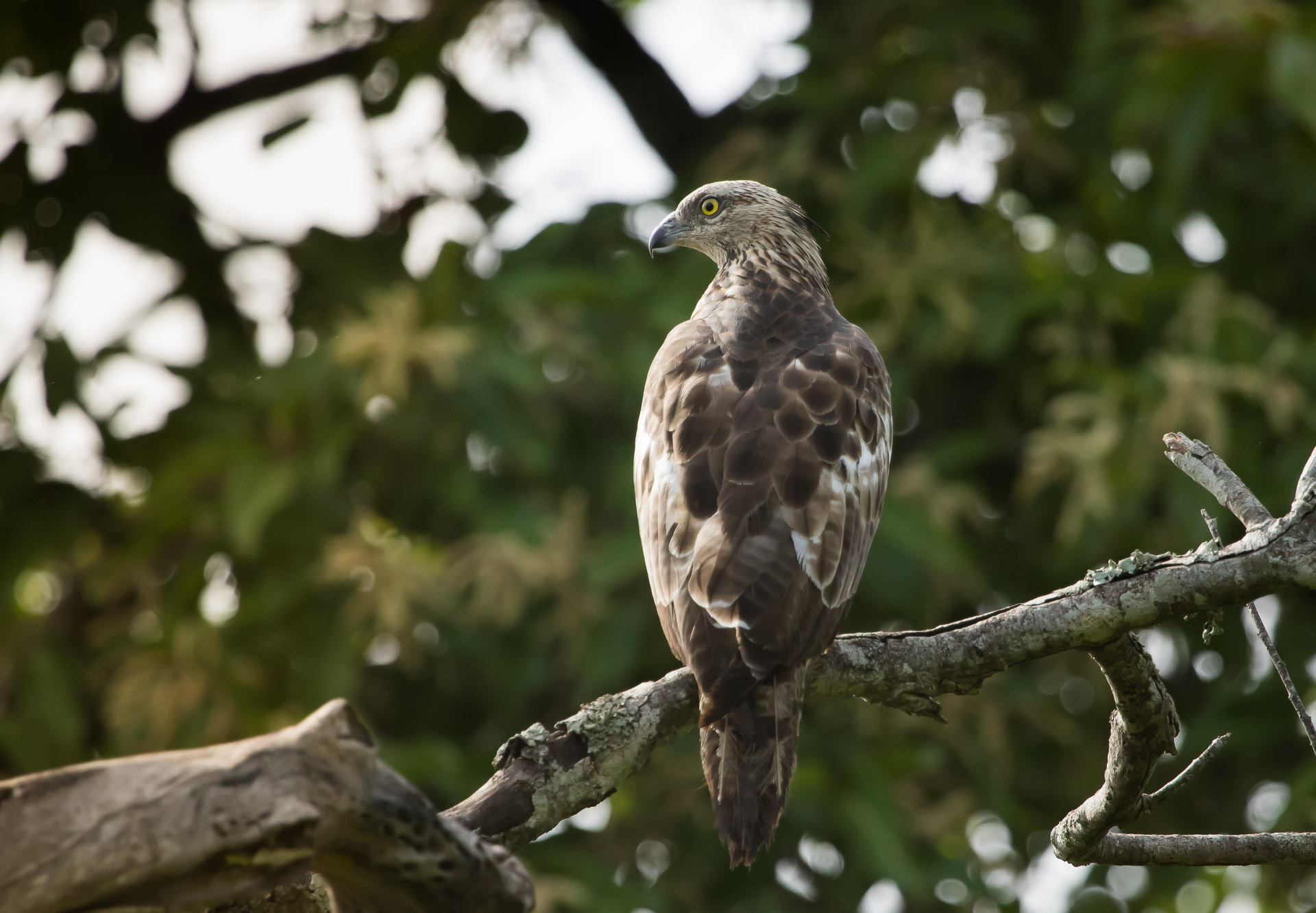
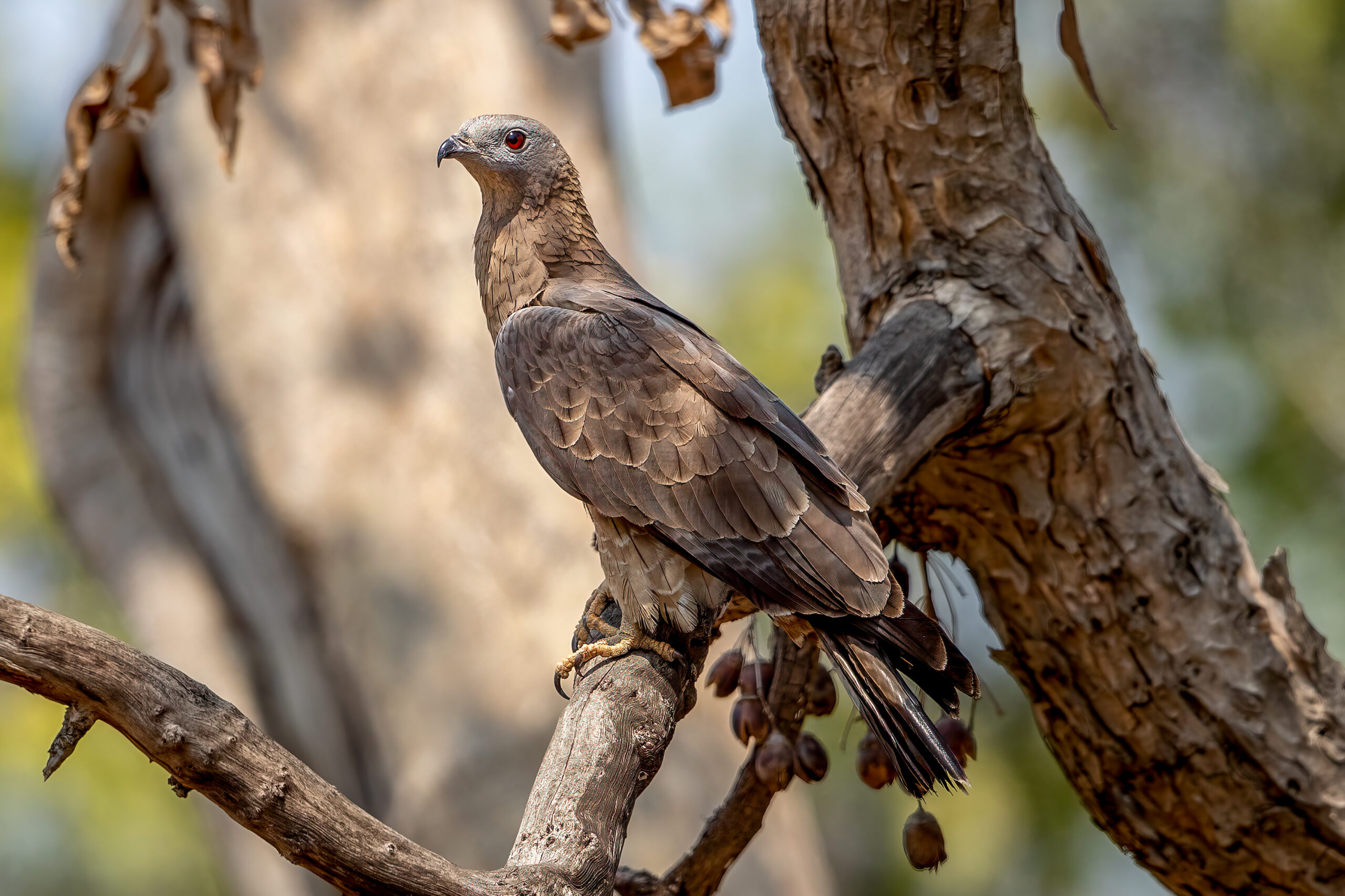
An Oriental honey-buzzard (Pernis ptilorhynchus) found in very poor condition inside Wadi Wurayah National Park in Fujairah was returned to the wild after 90 days of intensive veterinary care. The release was reported on 5 February 2026 after the bird had regained the ability to feed and fly independently.
The case began in the final quarter of 2025, when a resident reported a large raptor trapped on a farm within the biosphere reserve. Fujairah Environment Authority’s biodiversity team responded and identified the bird as an Oriental honey-buzzard. Clinical examinations found that it was severely weakened and unable to feed itself.
Ninety days of treatment and rehabilitation
The authority worked with a veterinary clinic specialising in birds of prey. During a 90-day hospital stay, the honey-buzzard received intensive care and remained under veterinary supervision until its condition improved sufficiently for independent feeding and flight.
Before release, the biodiversity team recorded physical measurements and body weight and fitted the bird with an official identification ring. The marking is intended to support future monitoring of raptors passing through Wadi Wurayah.
Released back into the same protected landscape
After veterinary approval, the honey-buzzard was released back into Wadi Wurayah in connection with World Wetlands Day.
The authority describes Wadi Wurayah as an important stop for migratory birds of prey. Oriental honey-buzzards pass through the United Arab Emirates during seasonal movements between breeding and non-breeding areas.
Management
Related news
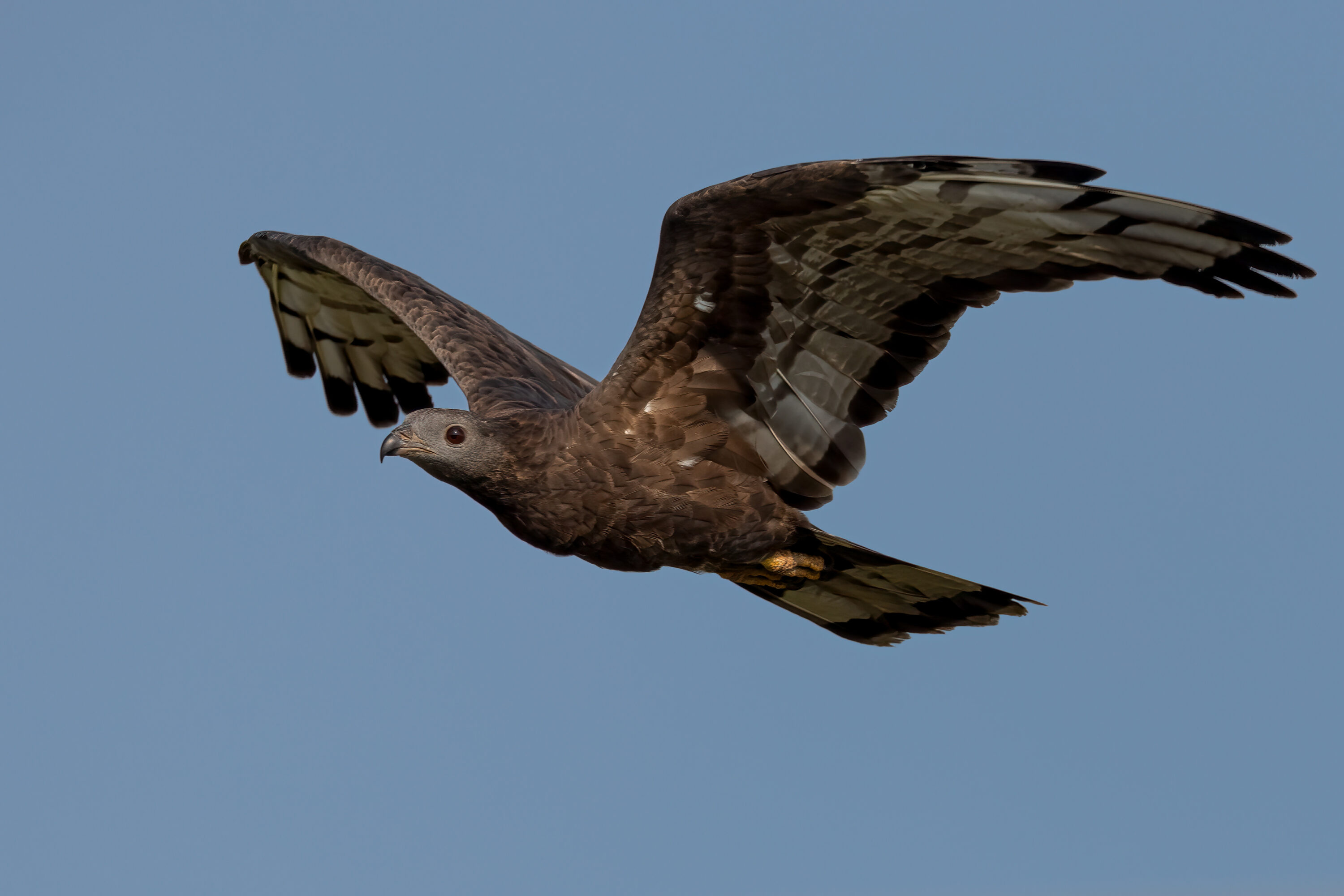
Oriental Honey-buzzard Released on Bawean After Four Months of Rehabilitation
An Oriental honey-buzzard rescued from private keeping was released on Bawean Island on 25 July 2026 after about…
Read story →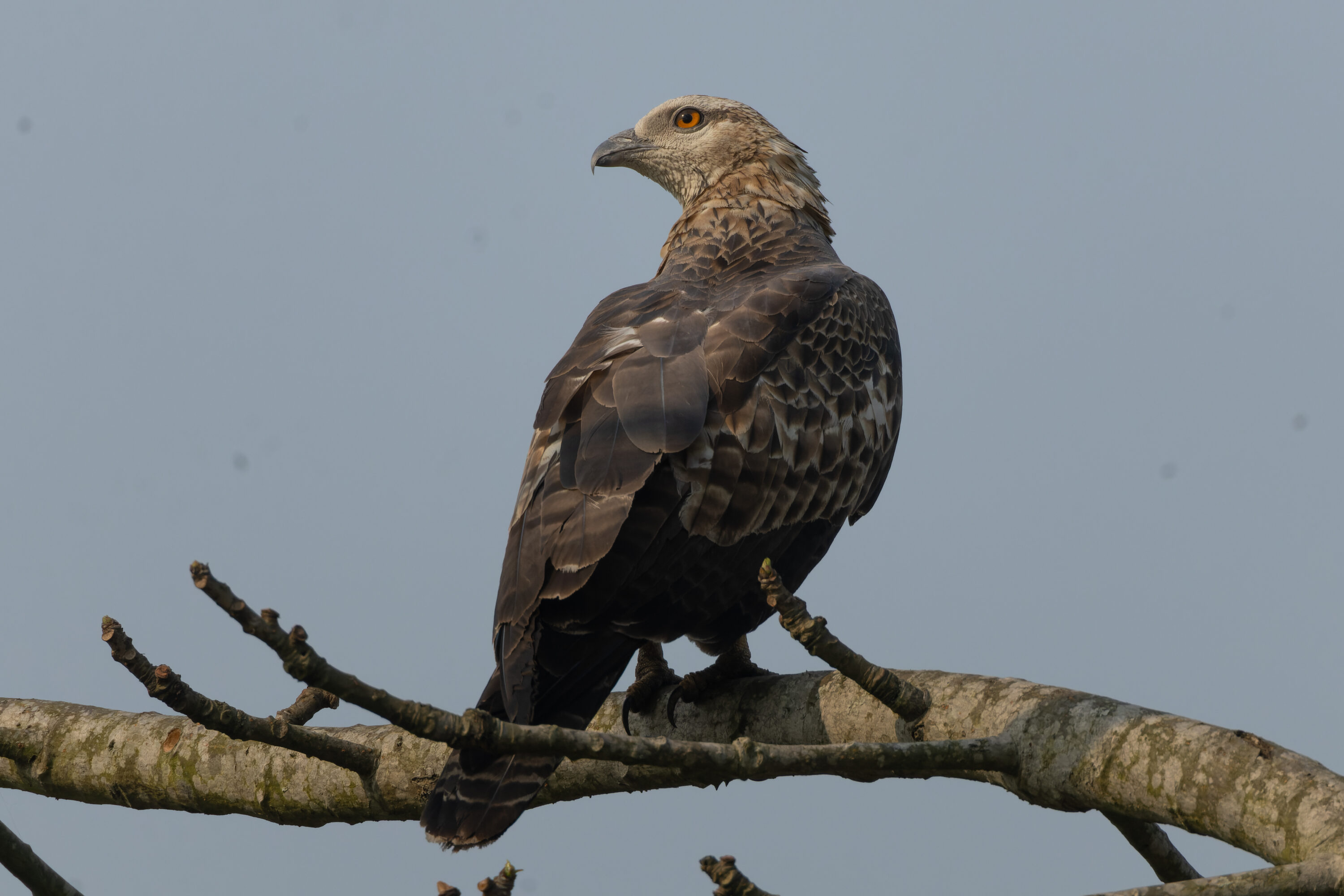
Oriental Honey-buzzard Documented in North America for the First Time
A 2026 paper documents an adult female Oriental honey-buzzard seen on Shemya Island, Alaska, as the first record…
Read story →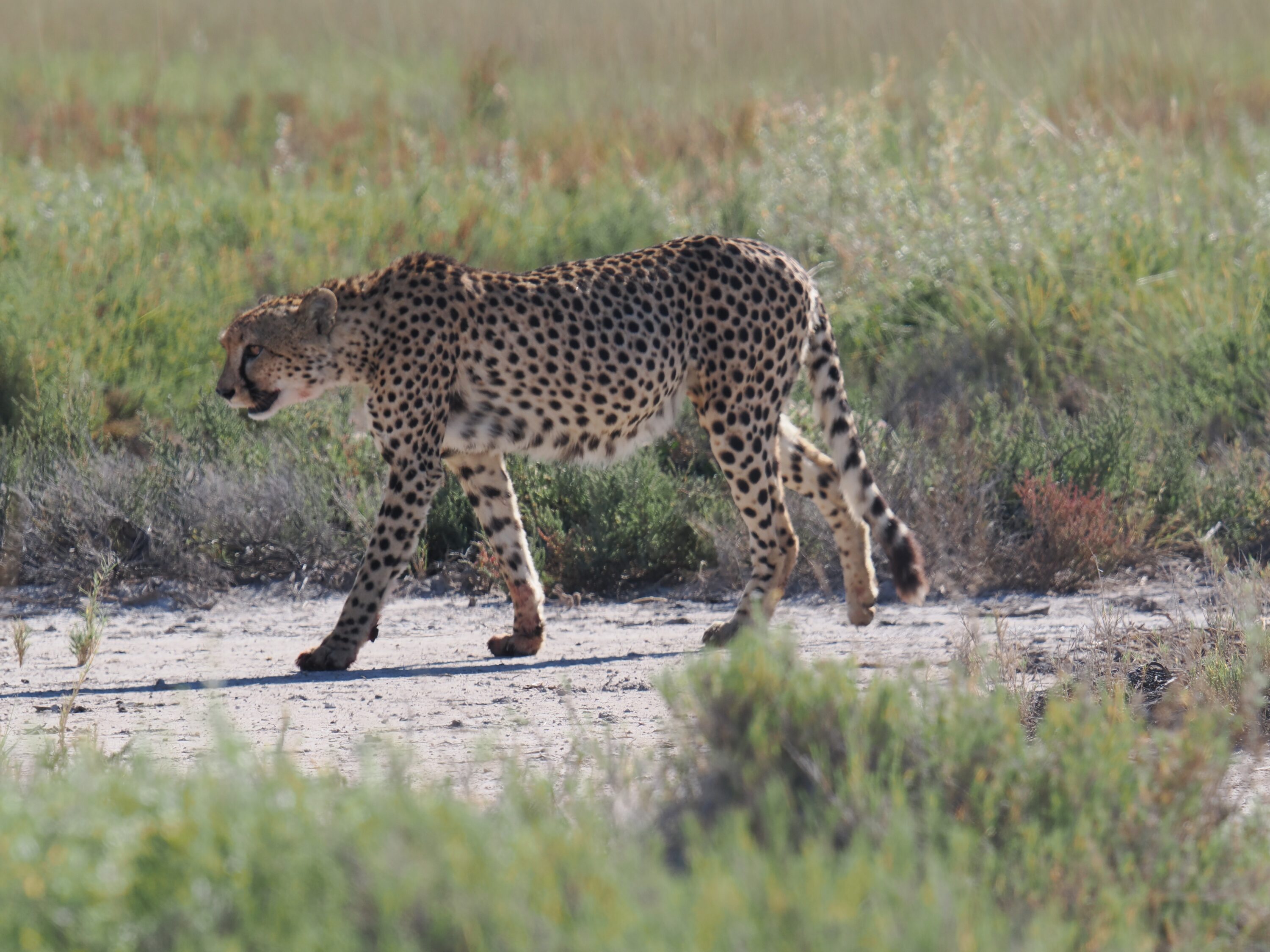
India’s Cheetah Project Sparked Debate Over Deaths, Transparency and Whose Expertise Counted
A review of 28 documents about Project Cheetah in India found sharply different accounts of its conservation goals,…
Read story →SPECIES IN THIS STORY
Species in this story
Independent research and conservation news archive
Did you find this information useful?
Wildlife Vagabond is independently built and maintained. Voluntary support helps cover source verification, hosting and continued work on research and conservation news.
Support Wildlife VagabondThe news archive will remain freely available.