
Oriental Reed Warbler Nest Defence Against Cuckoos Showed No Clear Decline From Early Incubation to the Nestling Stage
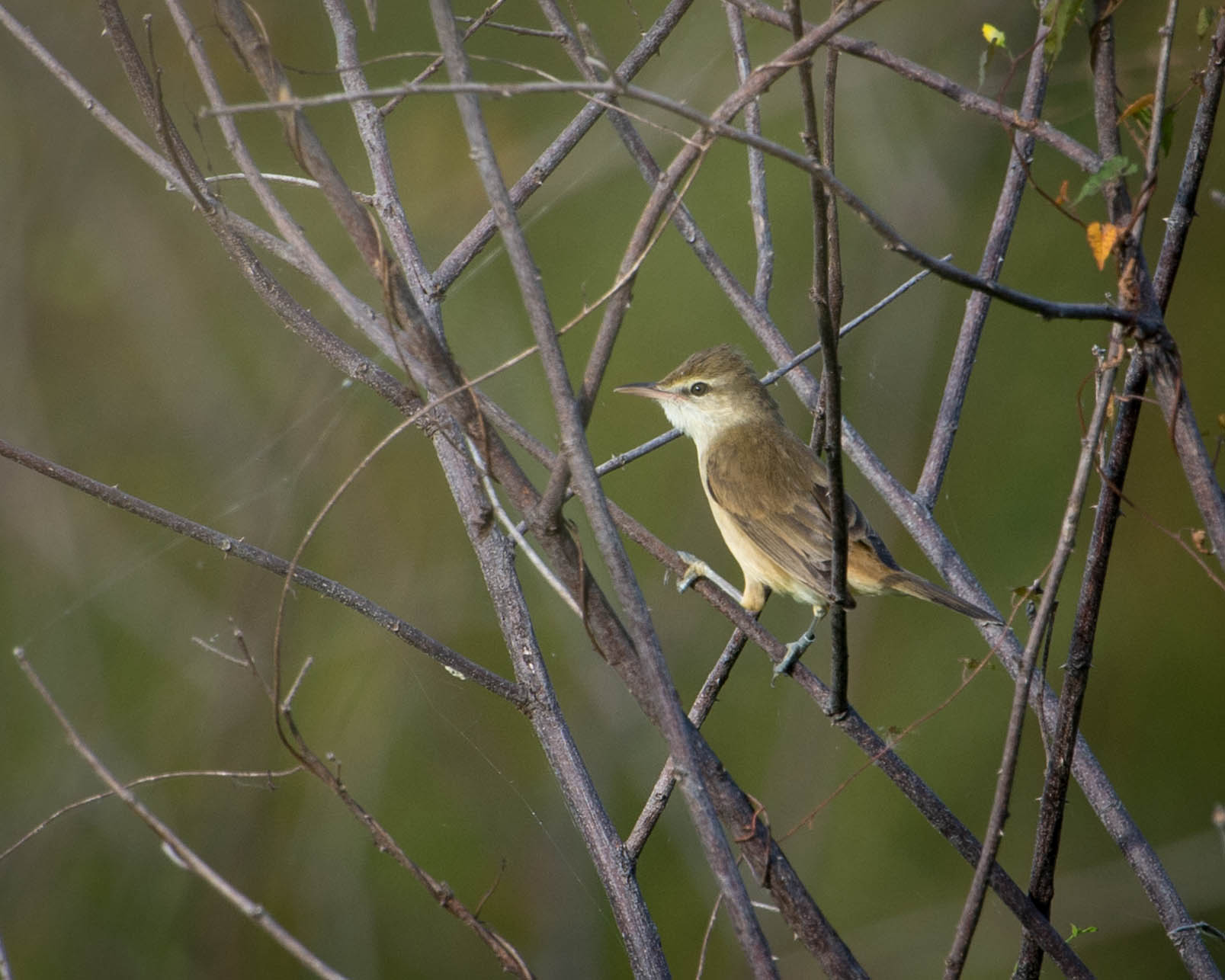
Oriental reed warblers (Acrocephalus orientalis) showed no clear decline in nest defence against common cuckoos (Cuculus canorus) between early incubation and the nestling-feeding stage. The experiment was carried out over three breeding seasons at Sifangtuozi Farm in Zhenlai County, Jilin, northeastern China, and included 98 nests and 142 behavioural trials.
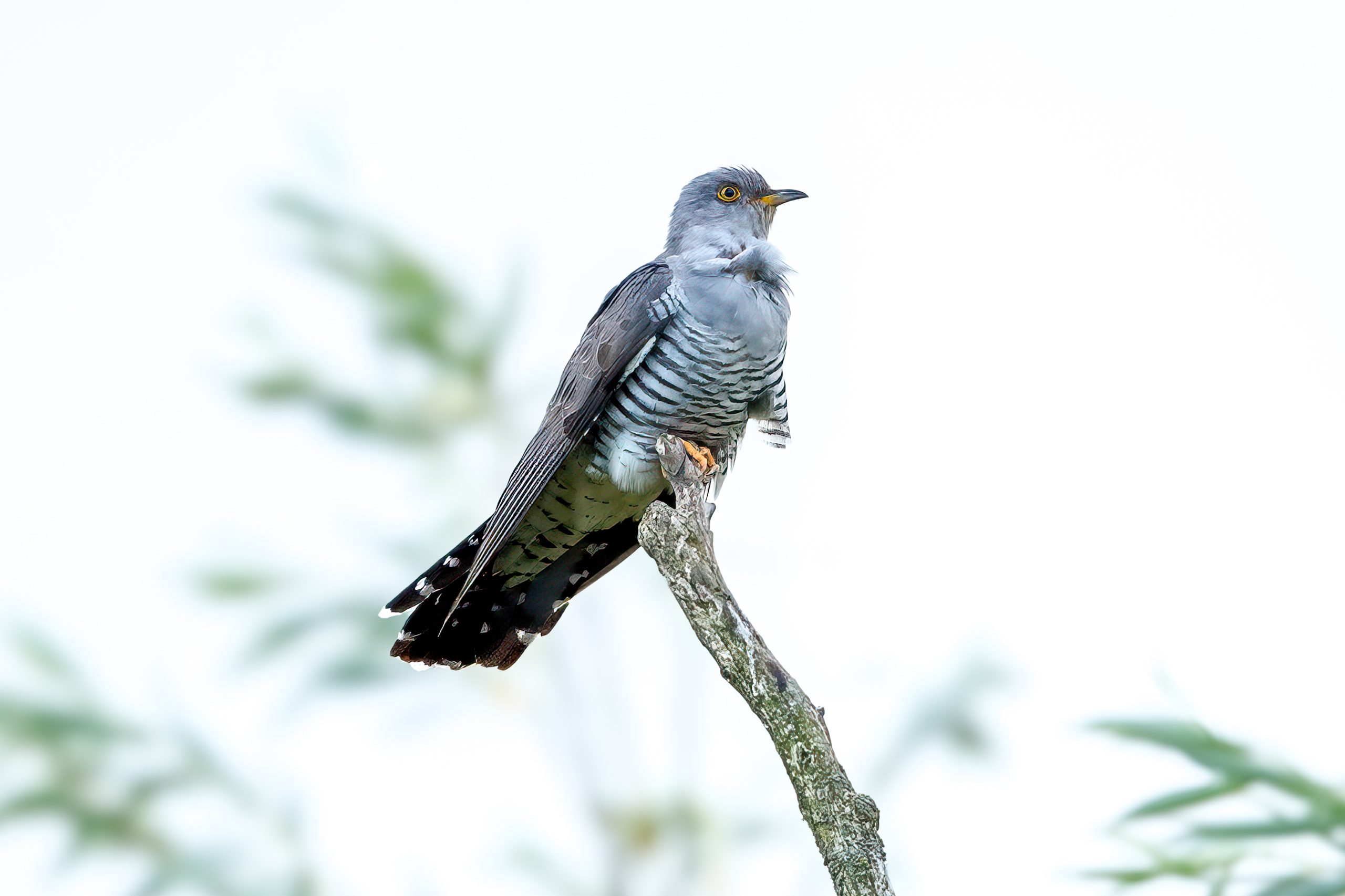
The researchers presented birds with three-dimensional models of either a grey common cuckoo or an oriental turtle dove (Streptopelia orientalis). The cuckoo represented a brood-parasitism threat, while the dove served as a harmless control. The warblers responded by attacking, giving mobbing calls or showing no response, allowing the researchers to compare defence during early incubation with defence while parents were feeding nestlings.
Defence did not weaken later in the nesting cycle
The researchers had expected defence against cuckoos to weaken later in the nesting cycle. Common cuckoos usually lay their eggs during the host’s egg-laying period or early incubation and rarely parasitise nests once the hosts are feeding chicks, so the immediate risk of receiving a cuckoo egg is much lower by then. Instead, the warblers’ responses to cuckoo models showed no clear difference between the two stages.
Nest defence still carries costs
Nest defence can itself be costly, and hosts are therefore expected to adjust it when the level of risk changes. Earlier work has shown that oriental reed warblers can vary their aggression according to factors such as the type or proximity of an intruder, while host populations can also respond to local differences in parasitism pressure. The authors note that several other host species show the same pattern: nest defence also remained strong later in the breeding cycle.
The study adds a new experimental example to research on the coevolution between cuckoos and their hosts. In these oriental reed warblers, defence against the brood parasite showed no clear weakening as breeding progressed beyond the period when the immediate risk of new parasitism is normally highest.
Behaviour
Related news
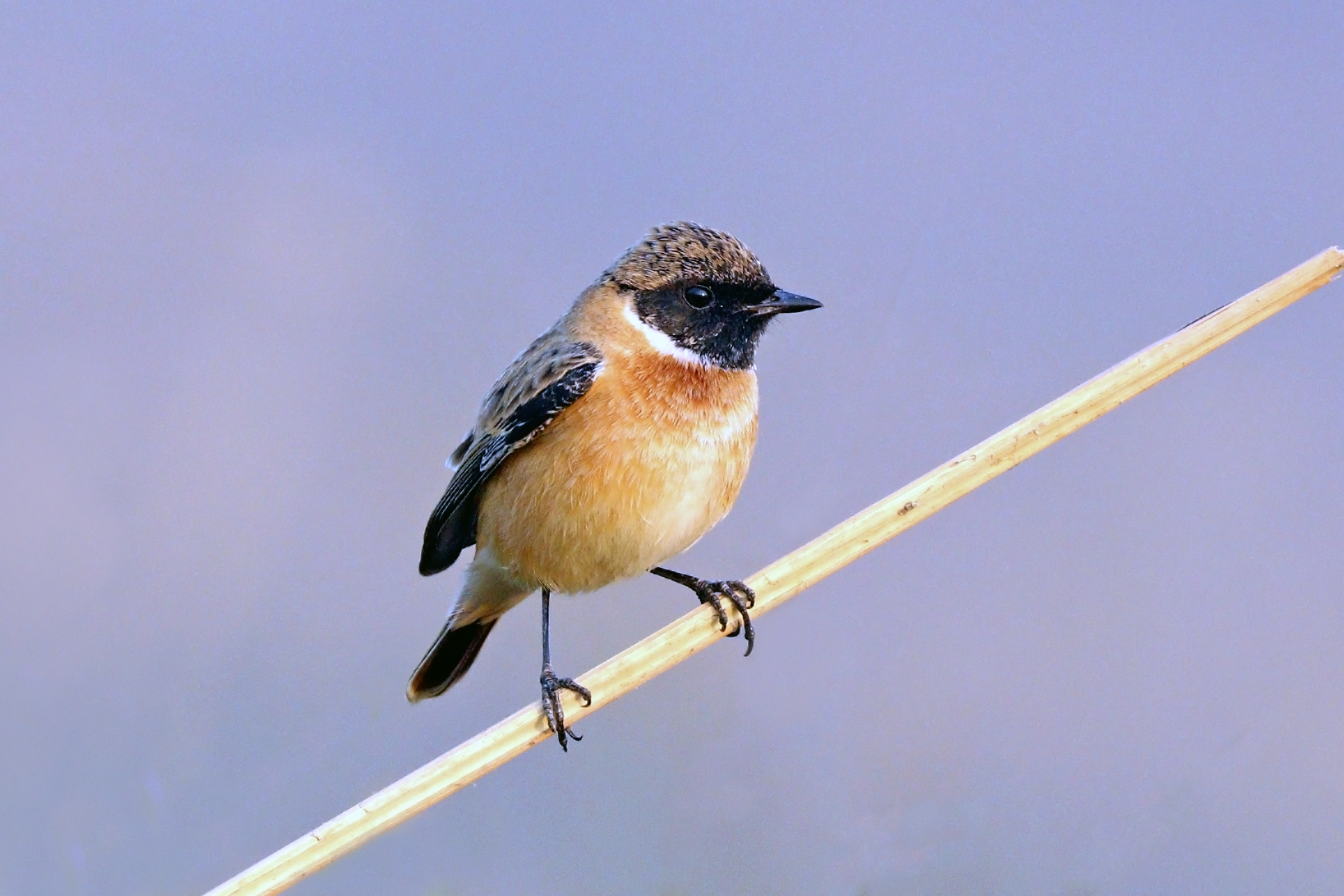
Egg Rejection Did Not Clearly Increase After Cuckoo Arrival in Two Host Species
Grey bushchats and Siberian stonechats showed no clear increase in foreign-egg rejection after common cuckoos arrived. The result…
Read story →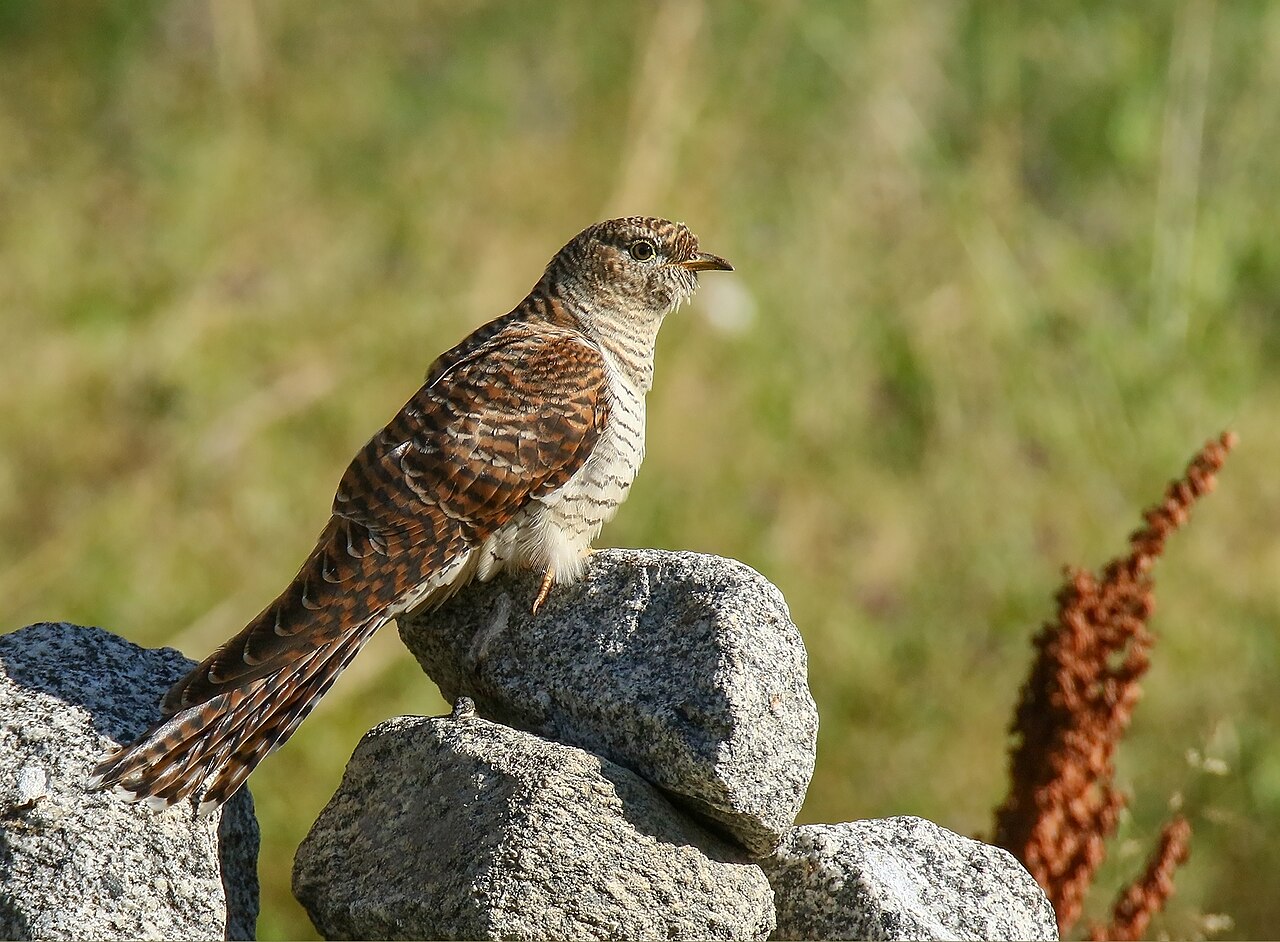
Cuckoos Use Two Different Strategies to Lay Eggs in Redstart Nests
Video from Finnish redstart nest boxes provides the first direct evidence that common cuckoos use two egg-laying strategies,…
Read story →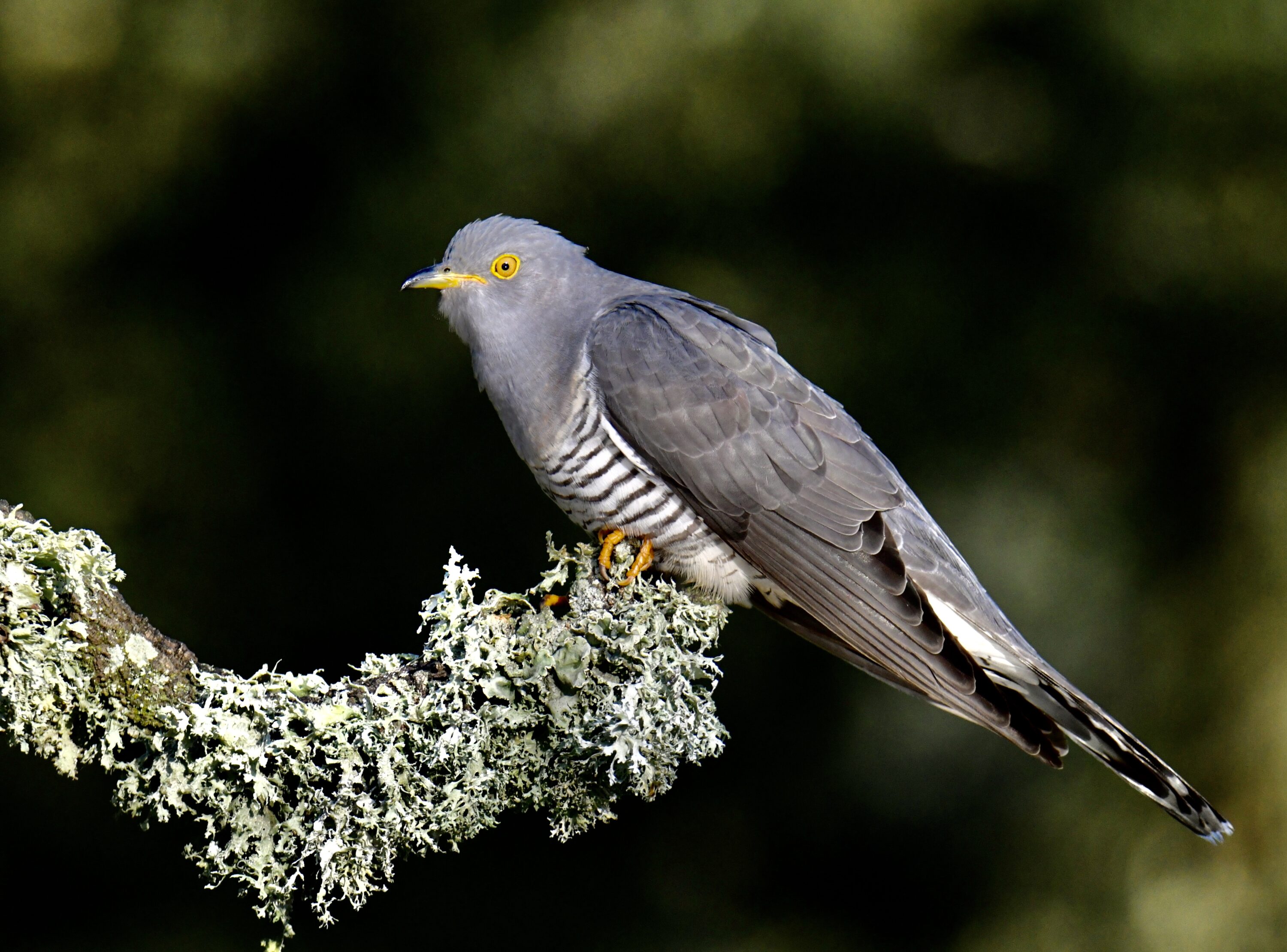
Models Highlighted Iberian Mountains and the Po Watershed as Key Stopover Regions for UK Common Cuckoos
Models based on satellite tracks from 88 UK-breeding male common cuckoos highlighted Iberian mountain ranges and the Po…
Read story →SPECIES IN THIS STORY
Species in this story
Independent research and conservation news archive
Did you find this information useful?
Wildlife Vagabond is independently built and maintained. Voluntary support helps cover source verification, hosting and continued work on research and conservation news.
Support Wildlife VagabondThe news archive will remain freely available.