
HEV Antibodies Were Found in 42% of Polish Wild Boar and Viral RNA in 10 of 100 Spleens

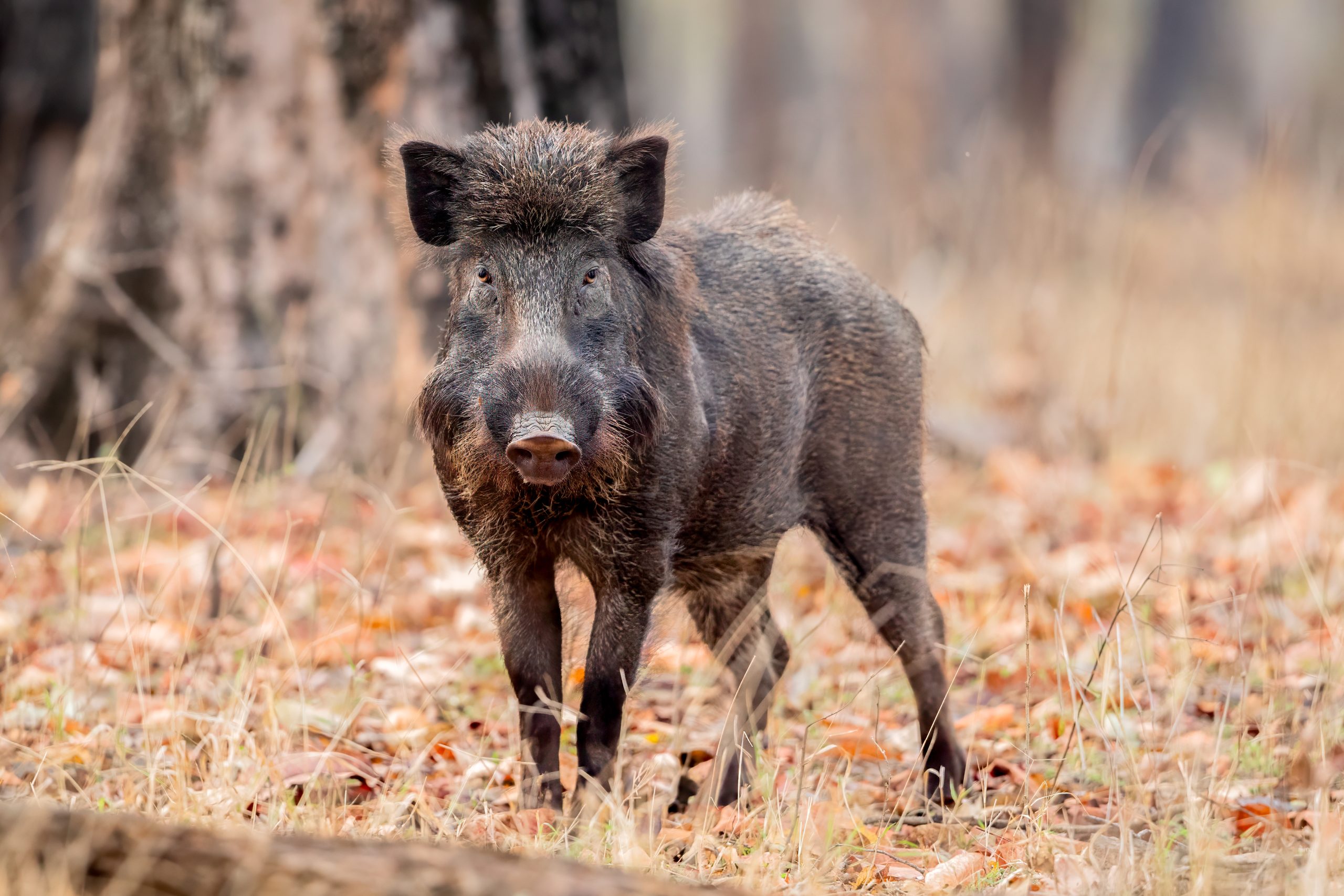
A study of free-ranging wild boar (Sus scrofa) from Poland detected antibodies to hepatitis E virus (HEV) in 154 of 367 serum samples, corresponding to a seroprevalence of 42%. Antibodies show that an animal has been exposed to the virus and mounted an immune response; viral RNA, by contrast, indicates that viral genetic material was present in the sampled tissue at the time of testing. HEV RNA was found in 10 of 100 spleen samples, and all ten RNA-positive animals were also seropositive.
HEV is an emerging zoonotic virus. In Europe, genotype 3 can infect people, and wild boar are an important reservoir, making surveillance relevant both to wildlife epidemiology and to human exposure through contact with infected tissues or consumption of undercooked wild-boar meat.
The serum samples came from 13 Polish voivodeships and were collected between February and July 2024. Most animals had been hunted, while some had died in vehicle collisions. The researchers examined whether HEV detection varied with geography, age, sex and wild boar density. Of these tested factors, only density showed a clear relationship with seropositivity: the probability of detecting antibodies increased where wild boar density was higher.
Sequencing confirmed circulating HEV variants
Follow-up sequencing confirmed five viral sequences. One was assigned to HEV subtype 3c and was related to a human HEV sequence reported from the Netherlands. The other four belonged to an unclassified subtype and were similar to sequences previously found in European wild boar. The limited number of sequences did not allow the authors to draw specific conclusions about transmission pathways or detailed phylogenetic relationships.
Positive animals occurred across several regions
Positive animals occurred across several regions of Poland, and the RNA-positive wild boar showed no reported signs of disease. The authors describe wild boar as an important reservoir of HEV and interpret the broad geographic distribution together with the density association as evidence that the virus is circulating widely in the country’s wild-boar population. Because HEV genotype 3 is zoonotic, they also highlight exposure through contact with blood and tissues during hunting or game handling and through consumption of undercooked wild-boar meat.
Disease, parasites & microbiology
Related news
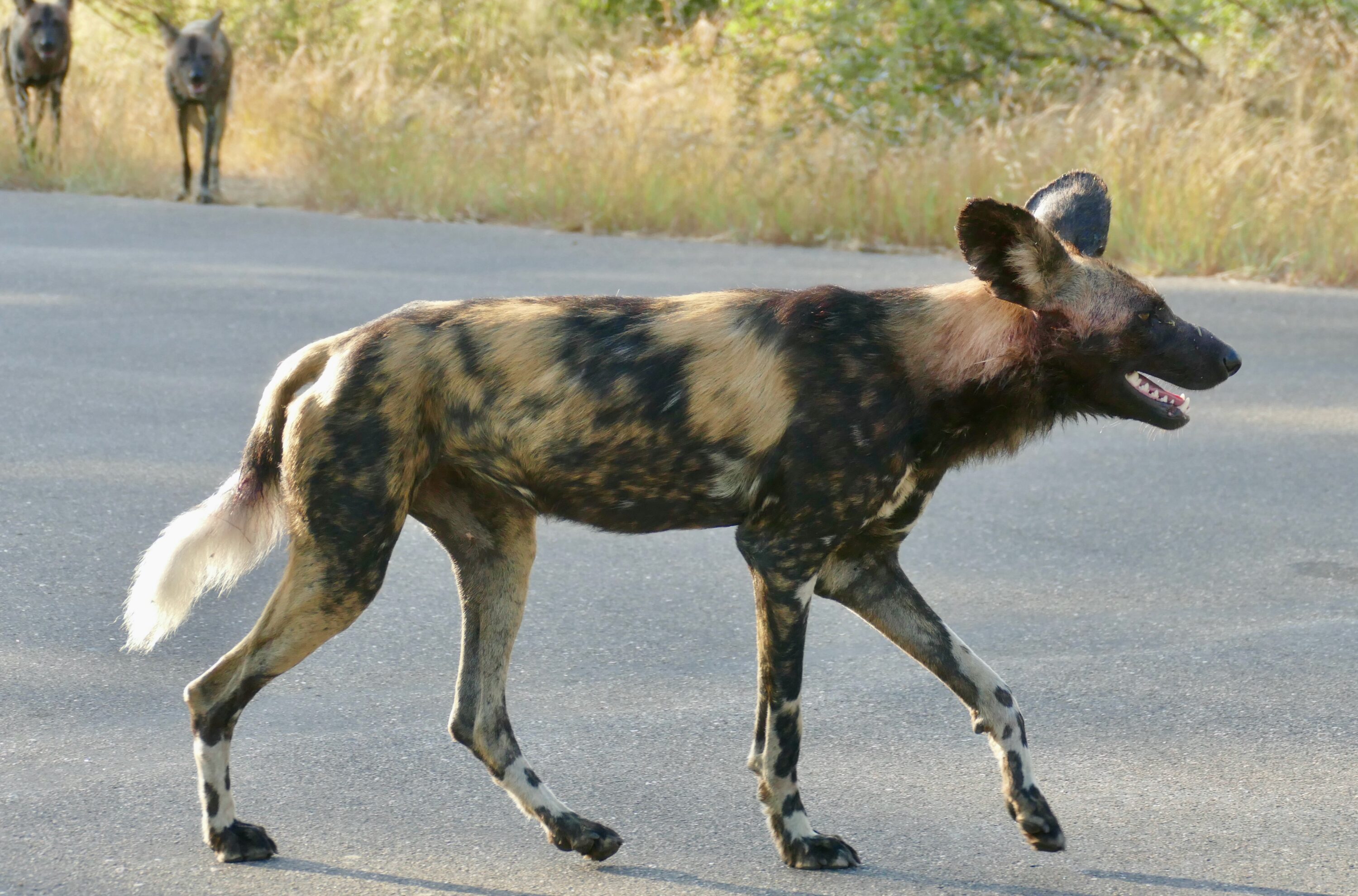
Gut Microbiomes Across Nine Kruger Mammals Clustered More Strongly by Dietary Group Than Species
A study of 89 quality-filtered faecal samples from nine wild mammals in Kruger National Park found that carnivores,…
Read story →
Nearly Three-quarters of Migrating Redwings Carried Ticks During Two Mild Belgian Autumns
Ticks were found on 72.9% of 284 redwings sampled during late-autumn migration in Belgium; 12.9% of 698 screened…
Read story →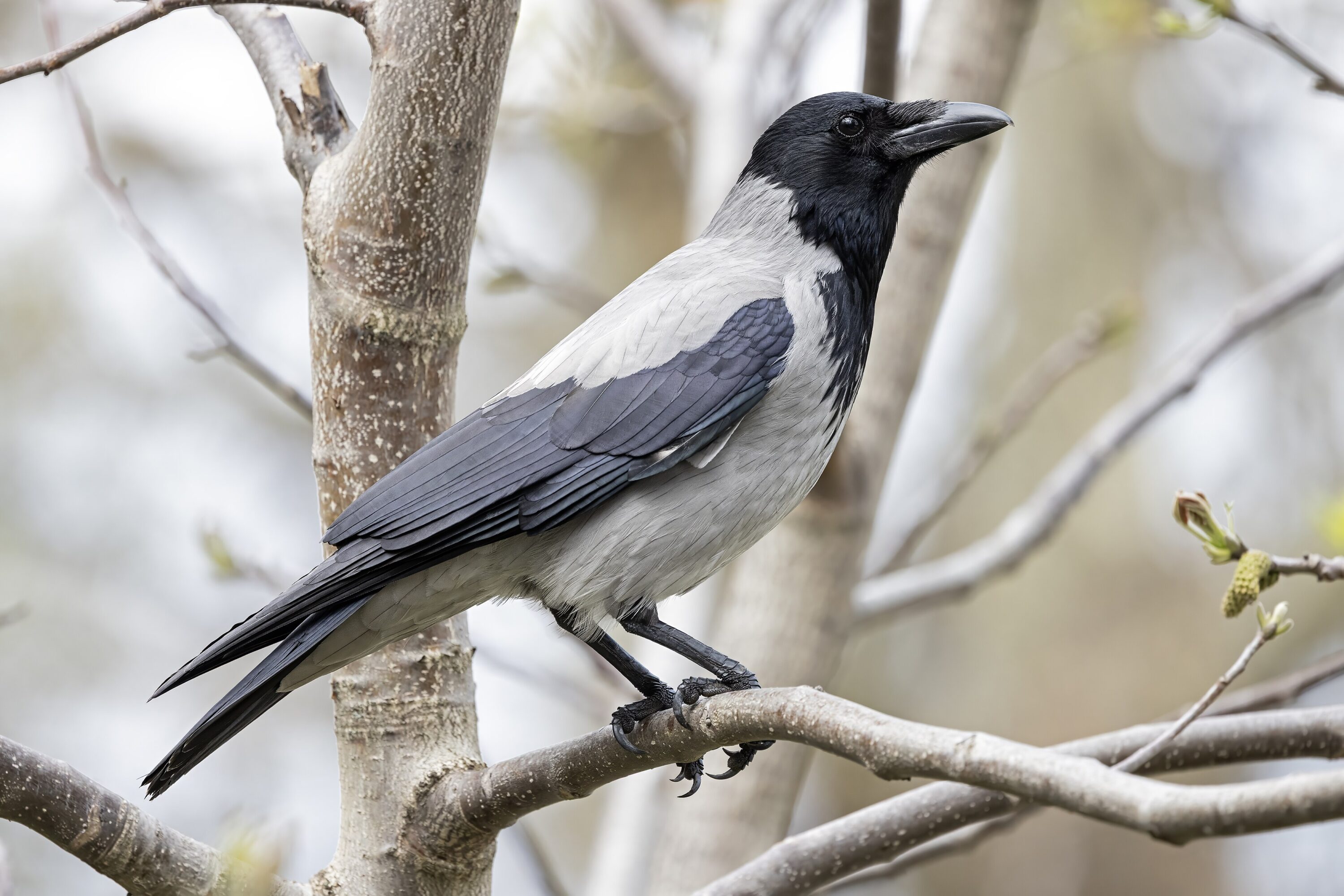
Hooded Crows Were Linked to 87 Reported West Nile Virus Bird Outbreaks in Europe
The September ECDC–EFSA report linked hooded crows to 87 reported West Nile virus bird outbreaks, Eurasian magpies to…
Read story →SPECIES IN THIS STORY
Species in this story
Independent research and conservation news archive
Did you find this information useful?
Wildlife Vagabond is independently built and maintained. Voluntary support helps cover source verification, hosting and continued work on research and conservation news.
Support Wildlife VagabondThe news archive will remain freely available.