
Prey Depletion Erodes the Hunting Advantage of Large African Wild Dog Packs
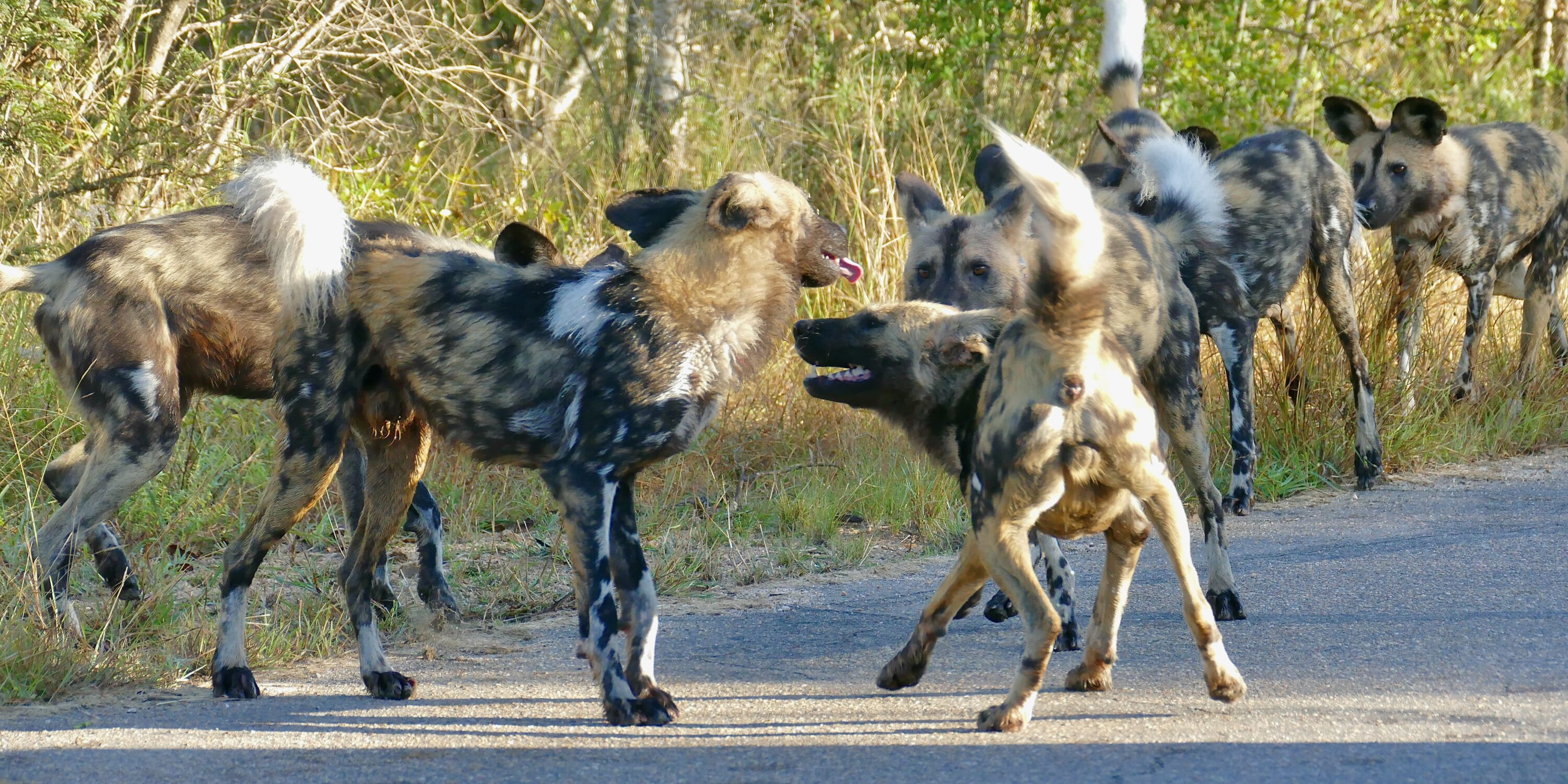
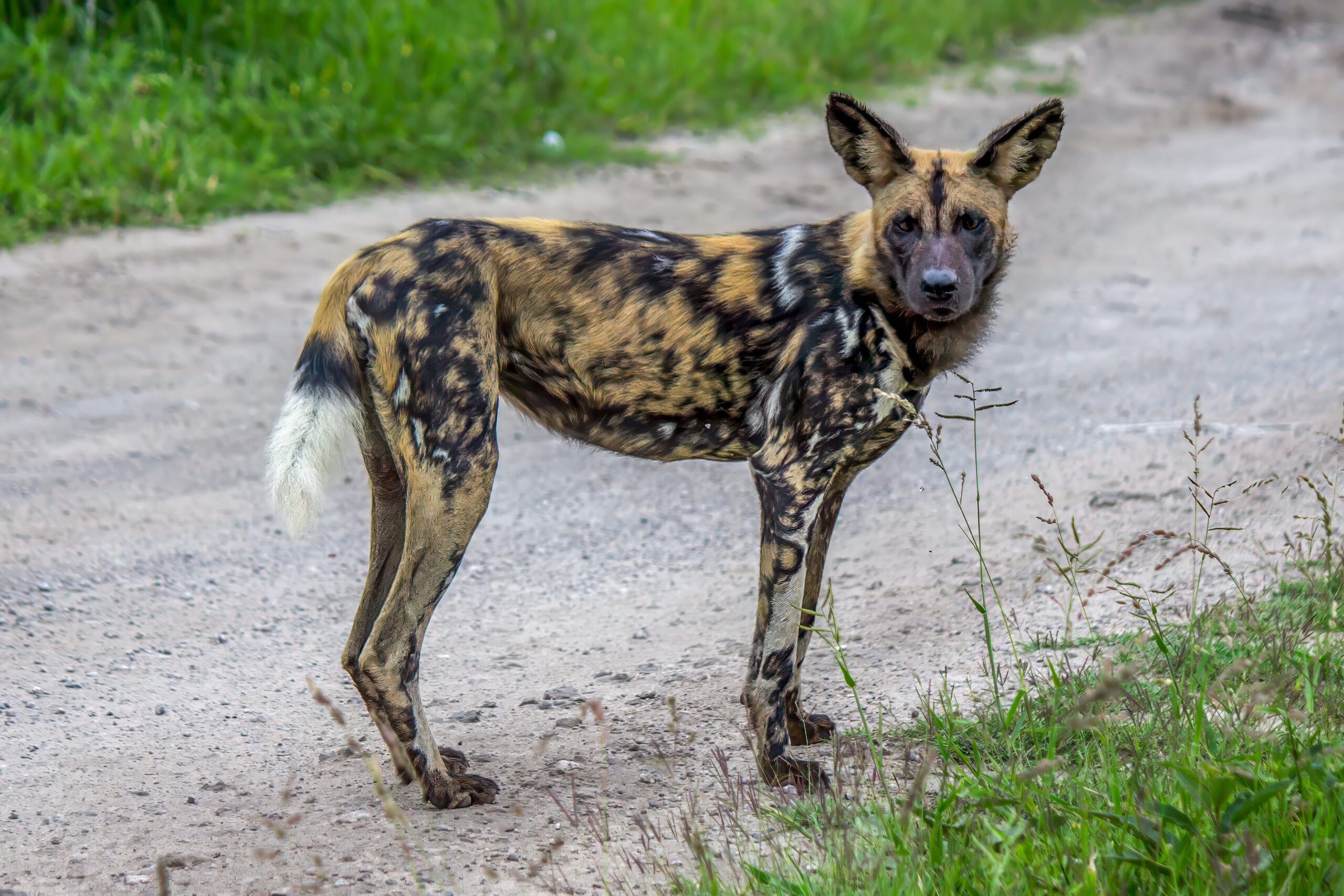
African wild dogs (Lycaon pictus) are famous for cooperative hunting. In places with abundant prey, larger packs have traditionally gained several advantages: they can tackle larger animals, make several kills from the same herd and often reduce the energetic cost of hunting for each individual. A study published online in February 2026 shows that this relationship can change when people have depleted the larger prey species.
The researchers studied 13 wild-dog packs in Zambia’s Greater Kafue and Luangwa Valley ecosystems. They combined long-term monitoring of prey populations with 346 observed kills and high-frequency accelerometers fitted to wild dogs. The sensors recorded movement and body effort minute by minute, allowing the team to compare how hard packs of different sizes had to work while hunting.
Larger packs lost the expected advantage of taking larger prey
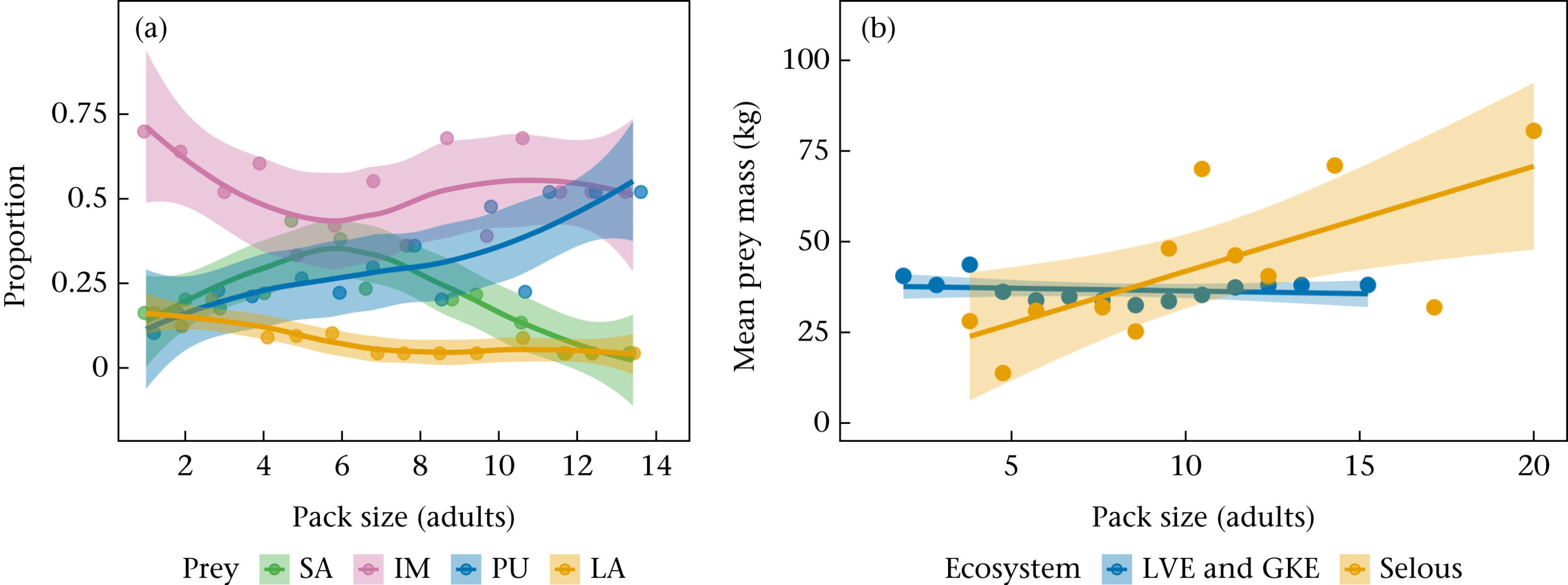
In earlier work from Tanzania’s Selous ecosystem, larger packs killed larger prey more often and gained a clear energetic benefit from hunting together. That pattern was not found in the Zambian populations. Large and small packs selected broadly similar prey, with impala and puku among the most important species, and large packs were no more likely than small packs to kill large antelopes.
Larger packs moved farther and used more energy
Instead, the larger packs moved farther and expended more energy during hunts. The researchers link this reversal to prey depletion, especially the loss of larger herbivores through bushmeat poaching. When large prey become scarce, having more hunters does not provide the same opportunity to bring down a bigger animal. A large pack may therefore pay the energetic costs of supporting more hunters without receiving the hunting benefit that group size once provided.
They argue that anthropogenic prey depletion can therefore alter a fundamental ecological relationship between group size and cooperative hunting, and identify this as relevant to the conservation of an endangered predator whose remaining populations increasingly occur in prey-depleted ecosystems.
Behaviour
Related news
Food Leaves Its Mark on the Gut Bacteria of Kruger’s Wildlife
Gut bacteria in nine mammal species from Kruger National Park followed clear patterns linked to food and digestion.…
Read story →
Wild Dogs Travelled Thousands of Kilometres in Search of a Mate
GPS tracking in Zambia shows how African wild dogs can cross enormous distances between populations. But snares and…
Read story →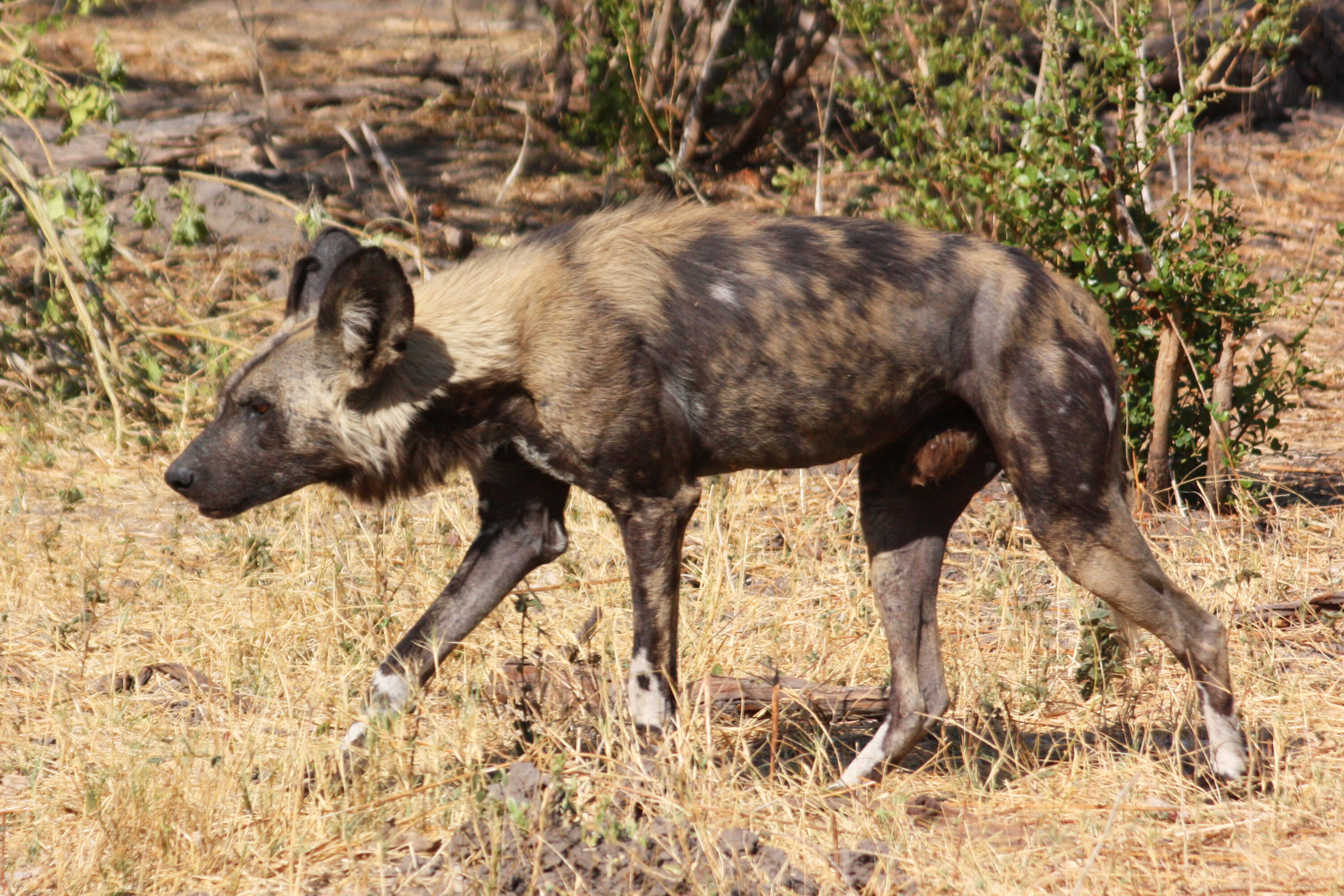
Twenty African Wild Dogs Return to Matusadona After Decades of Local Extinction
Two established packs comprising 20 African wild dogs have been returned to Matusadona National Park in Zimbabwe after…
Read story →SPECIES IN THIS STORY
Species in this story
Independent research and conservation news archive
Did you find this information useful?
Wildlife Vagabond is independently built and maintained. Voluntary support helps cover source verification, hosting and continued work on research and conservation news.
Support Wildlife VagabondThe news archive will remain freely available.