
Barietin From Puff Adder Venom Raised Heart Rate by About 30% in Rats
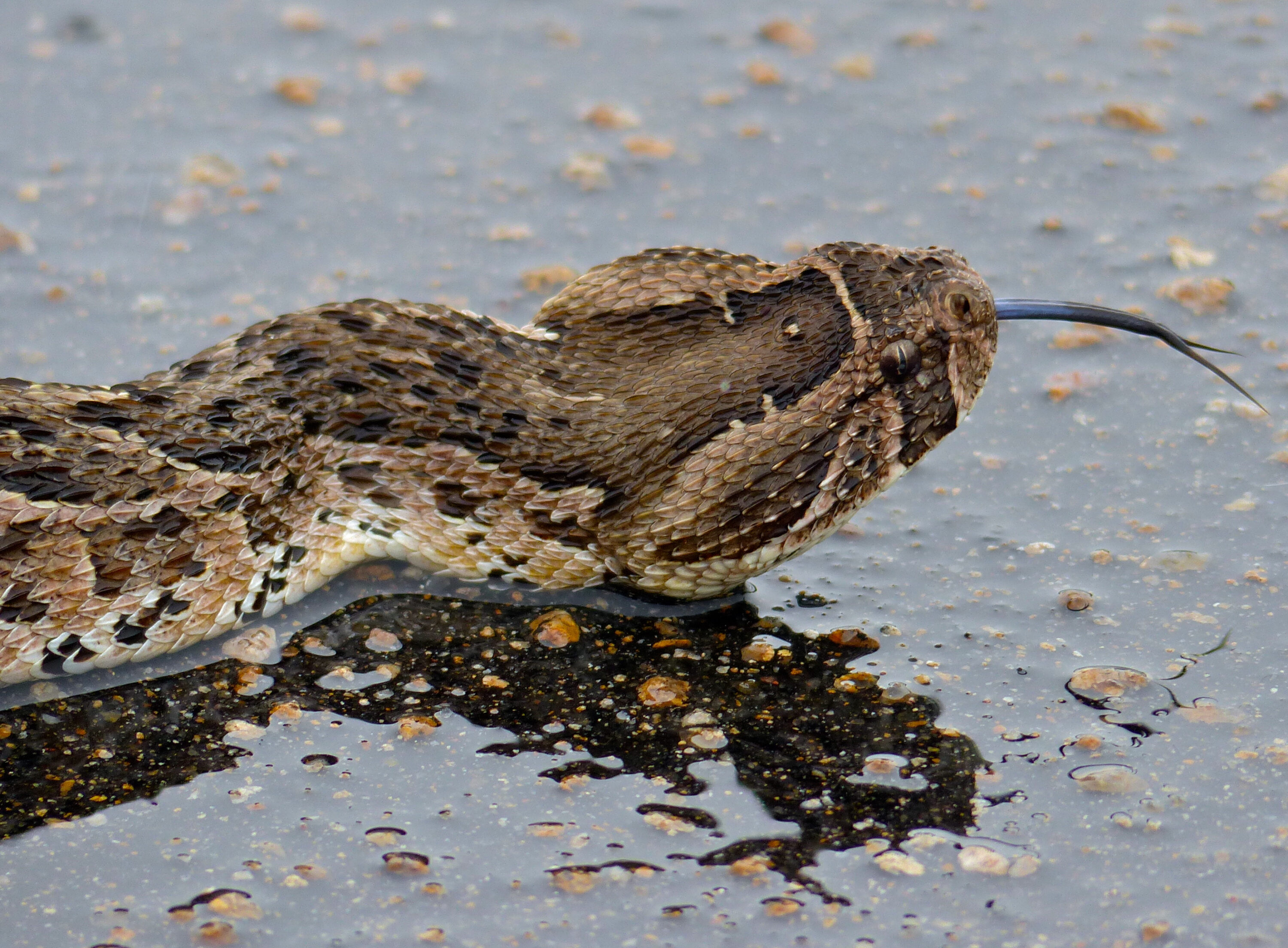
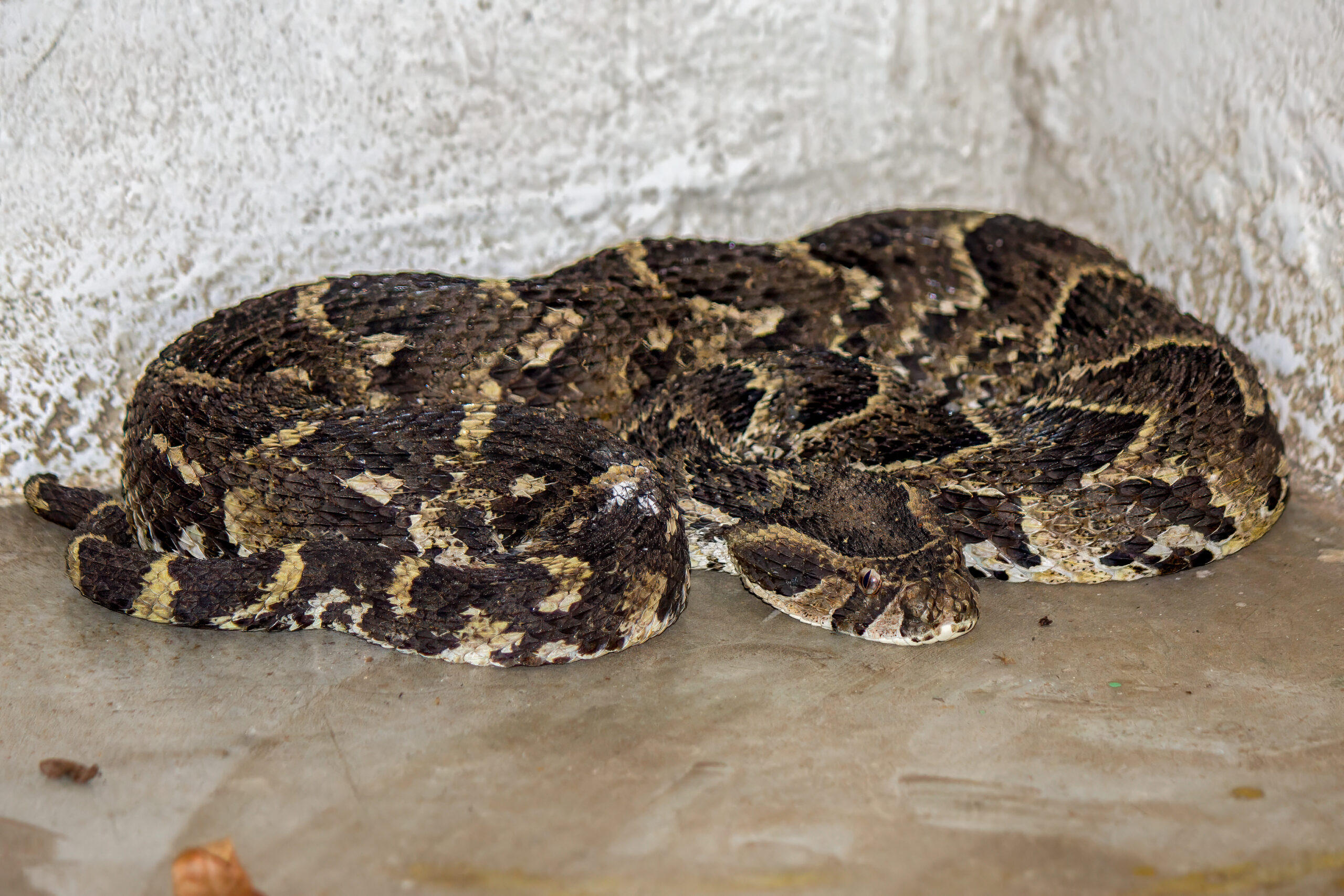
Barietin, a protein purified from puff adder (Bitis arietans) venom, produced an unusual cardiovascular response in rats. In a study published online in Toxicon on 25 August 2026, purified barietin increased heart rate by about 30% while changing blood pressure by only about 10%.
Barietin belongs to the snake-venom vascular endothelial growth factors, or svVEGFs. These venom proteins are related to VEGF molecules that regulate blood vessels in vertebrates. Most known svVEGFs are associated with vasodilation, increased vessel permeability and a marked fall in blood pressure. Barietin differs structurally from other members of the family because the C-terminal end — the final part of the protein chain — is shorter.
The researchers also tested whether a smaller part of barietin might reproduce the heart-rate effect. They synthesised a short peptide — a small protein fragment — based on loop 1, a region related to VEGF-receptor interaction in mammalian VEGF. The peptide showed the same general tendency — increased heart rate with little blood-pressure change — but the effect was not as clearly supported as the response to the complete barietin protein.
The authors therefore describe barietin as the first known snake-venom VEGF to increase heart rate without substantially lowering blood pressure. The experiment tested purified barietin and its synthetic fragment in rats, so the result identifies a physiological property of this venom component rather than the overall effect of a natural puff-adder bite.
Molecular biology & biochemistry
Related news
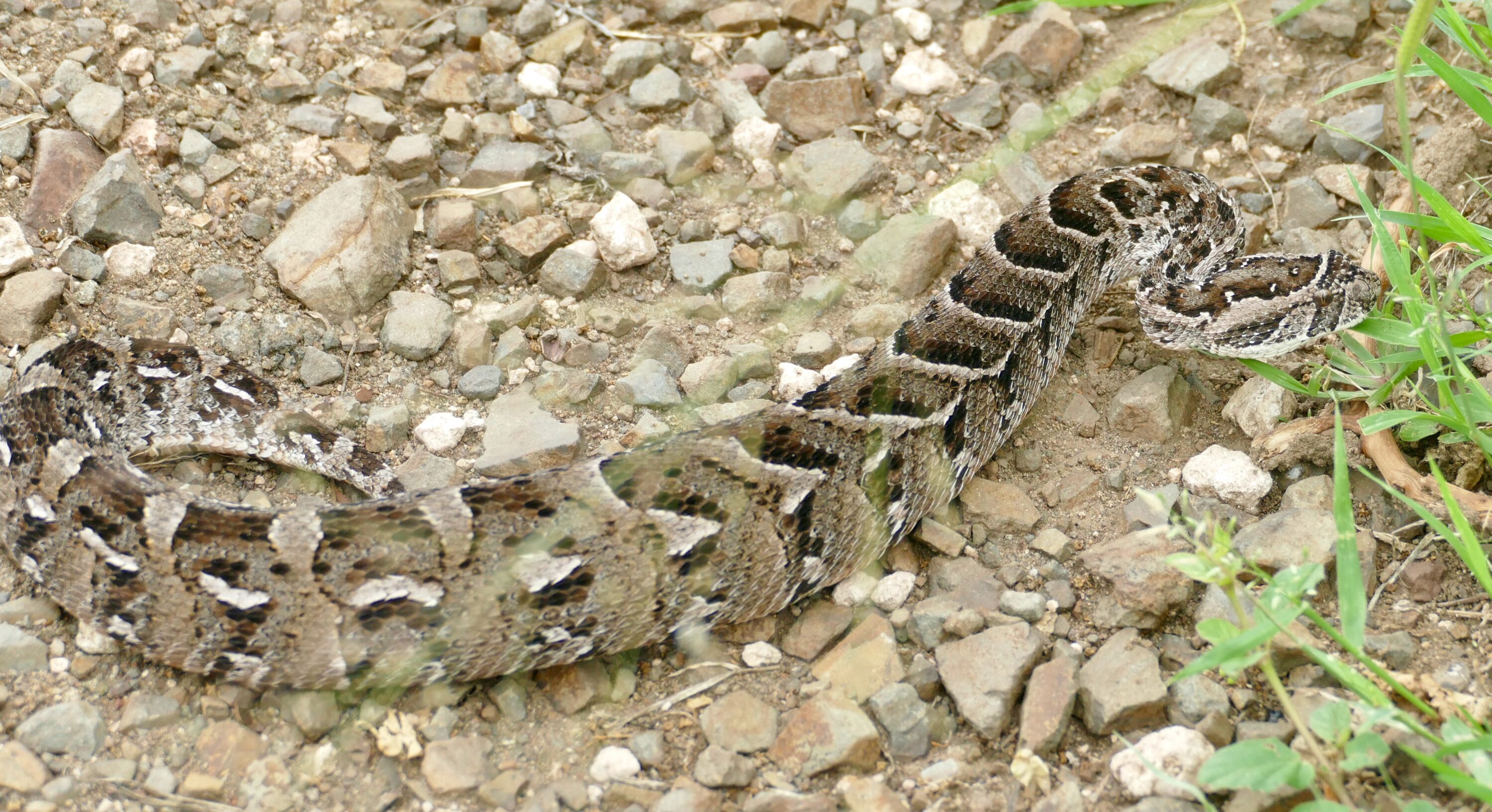
Injuries Were More Extensive After Zebra Spitting Cobra Bites Than Puff Adder Bites in Namibia
Among 20 hospitalized snakebite patients in Namibia, tissue necrosis occurred in 11 of 12 zebra spitting cobra cases…
Read story →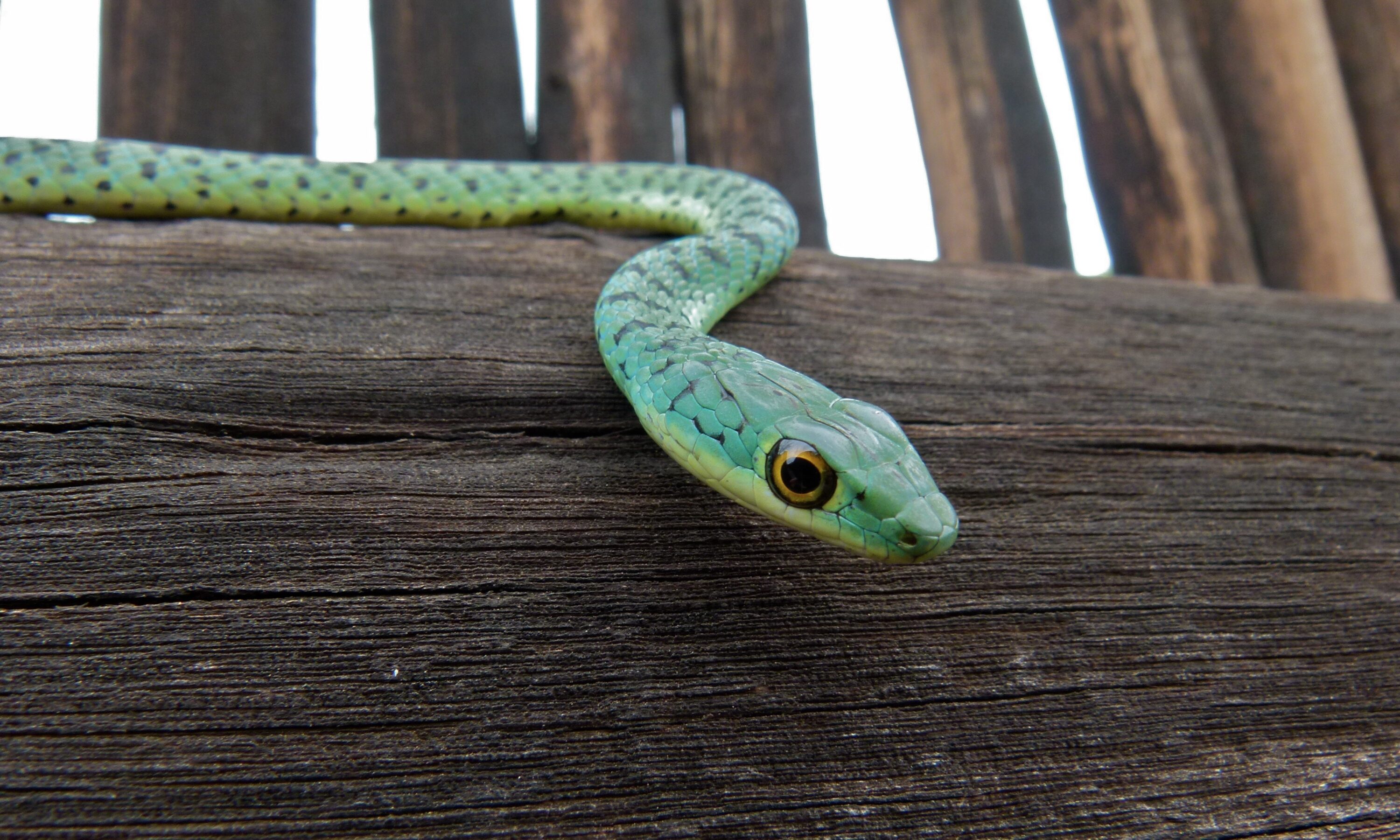
Patchier, More Diverse Landscapes Were Linked to More Reported Snake–Human Encounters in Eswatini
Using 2,216 public snake-rescue records from Eswatini, the study found that reported encounter likelihood increased with patch density…
Read story →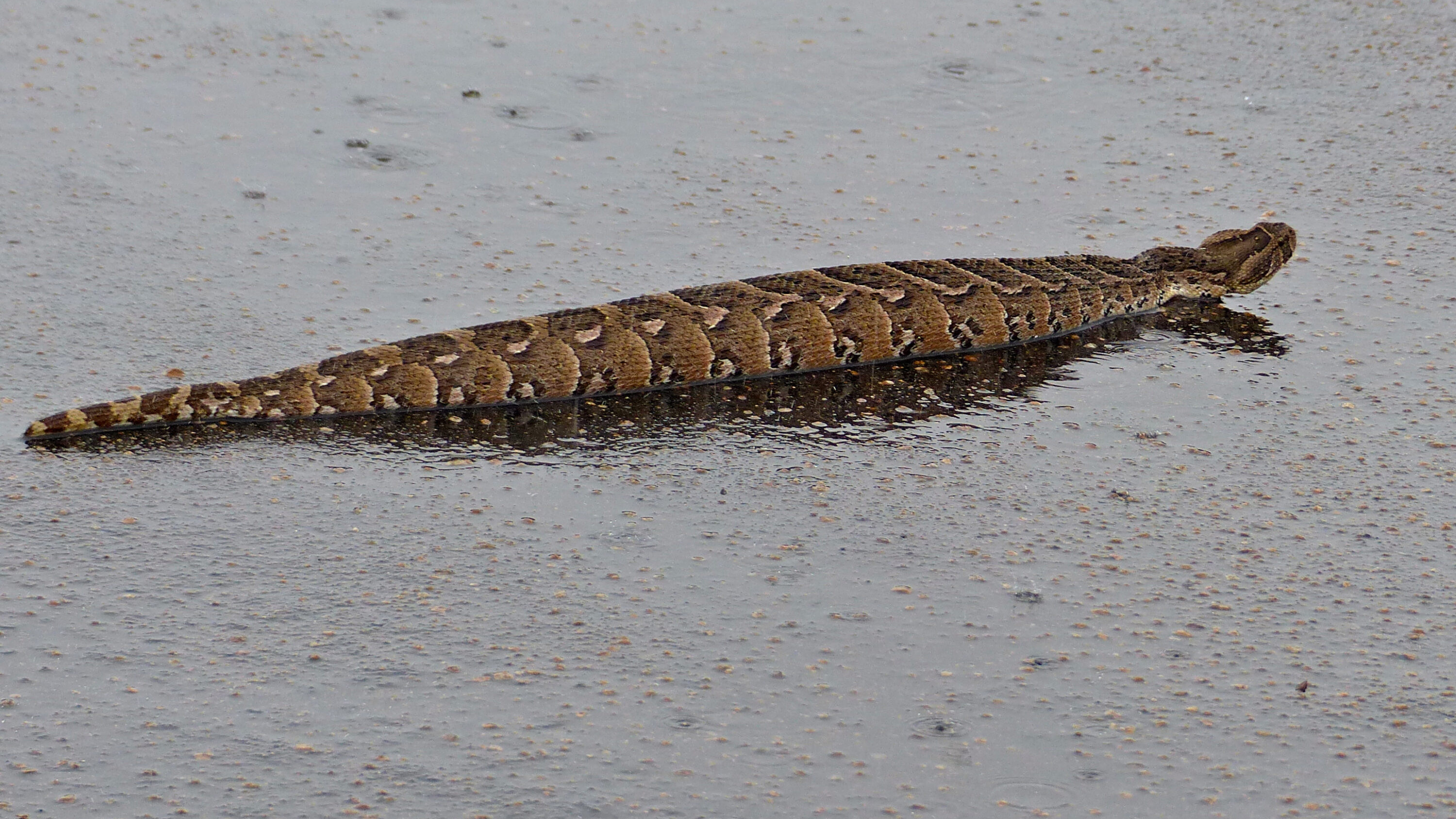
Two Commercial Antivenoms Neutralised the Lethal Effects of Nigerian Puff Adder Venom in Mice
EchiTAb-Plus-ICP and PANAF both neutralised the lethal effect of Nigerian puff adder venom in a preclinical mouse model;…
Read story →SPECIES IN THIS STORY
Species in this story
Independent research and conservation news archive
Did you find this information useful?
Wildlife Vagabond is independently built and maintained. Voluntary support helps cover source verification, hosting and continued work on research and conservation news.
Support Wildlife VagabondThe news archive will remain freely available.