
Two Commercial Antivenoms Neutralised the Lethal Effects of Nigerian Puff Adder Venom in Mice
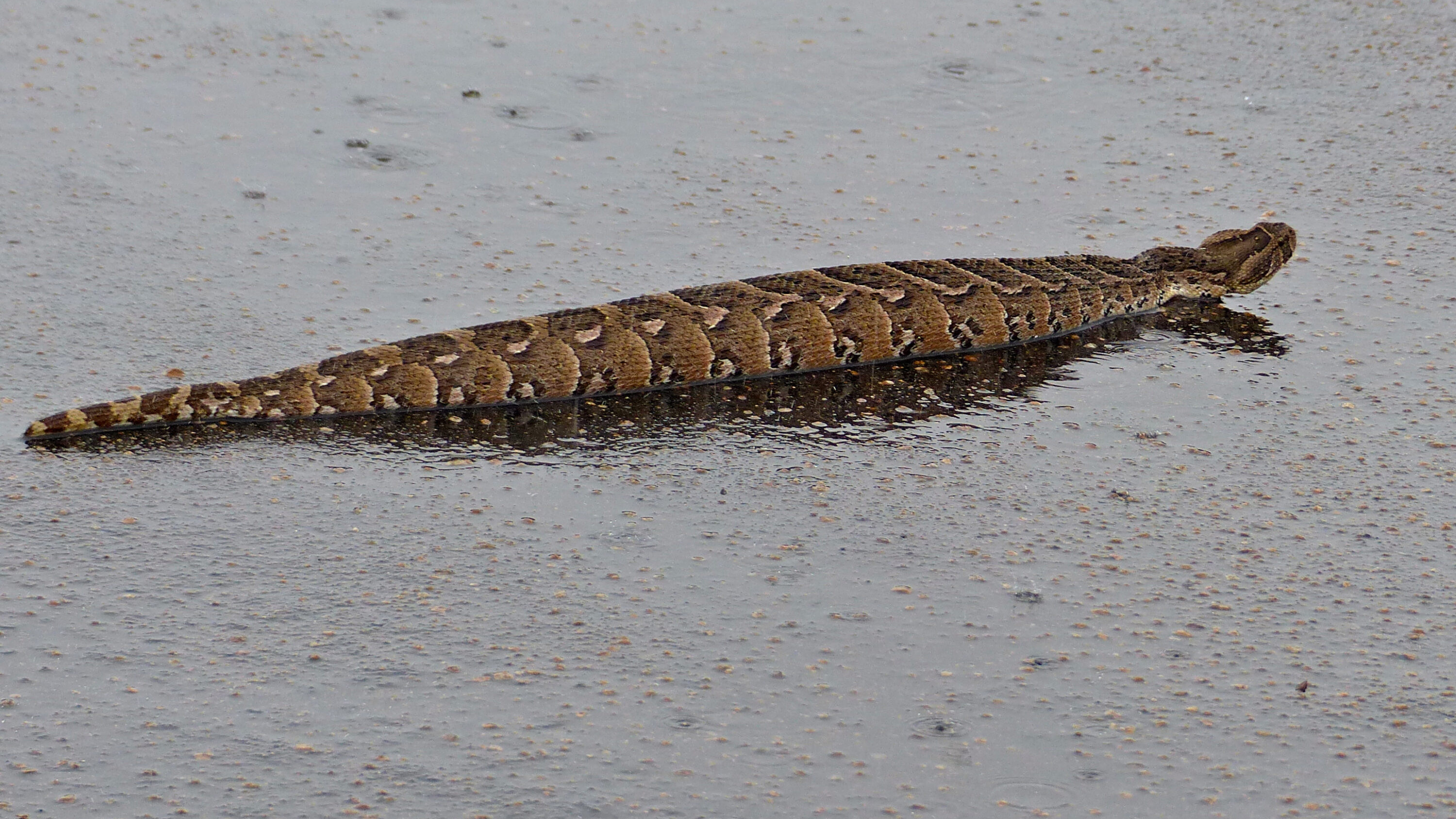
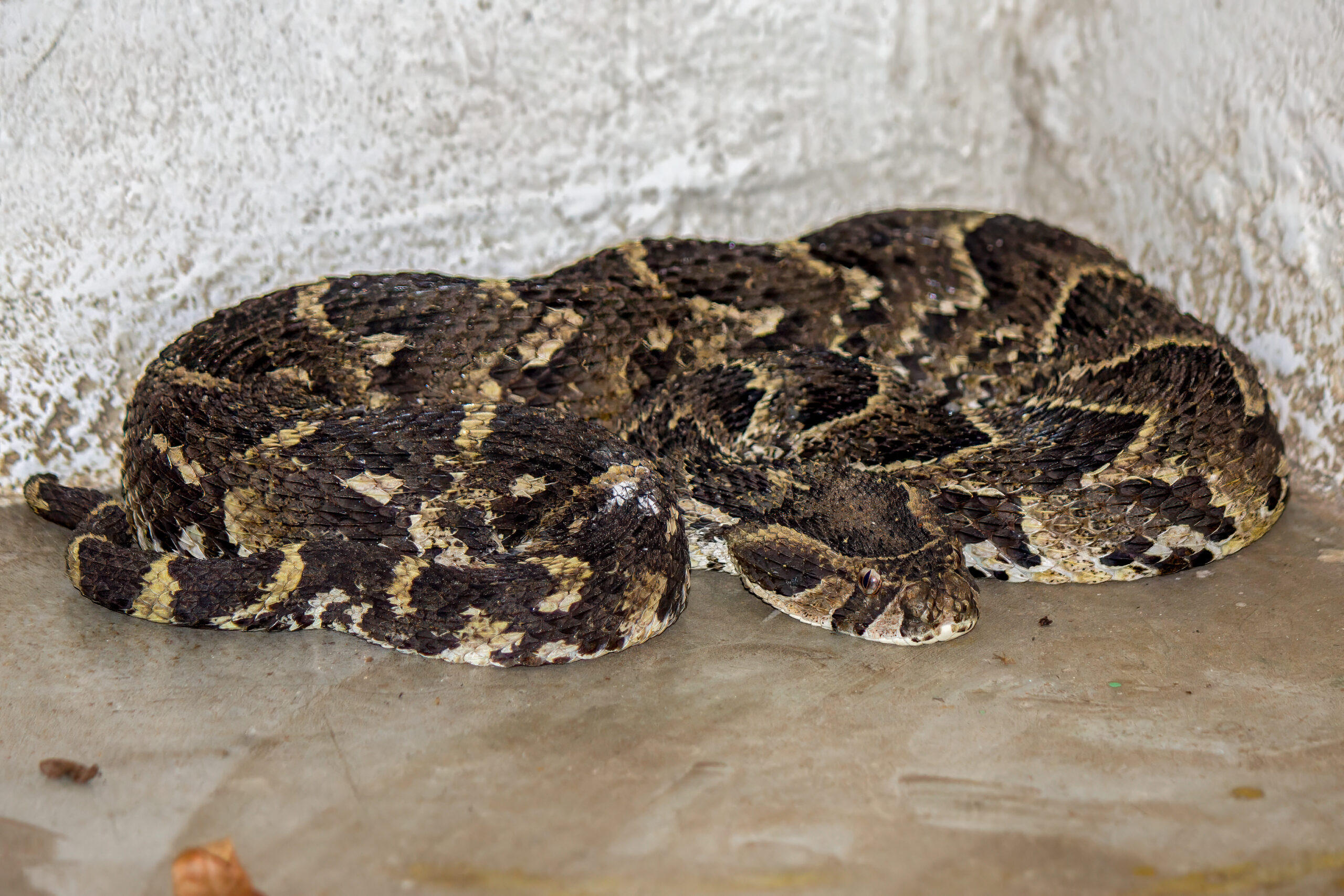
A new study of three major medically important snakes in Nigeria found that two commercial polyvalent antivenoms protected mice against the lethal effects of puff adder (Bitis arietans) and ocellated carpet viper (Echis ocellatus) venoms in preclinical tests. A polyvalent antivenom contains antibodies intended to recognise toxins from more than one snake species. The study, first published online on 17 June 2026 in Toxicon, combined venom-protein profiling, functional laboratory assays and a mouse lethality model to compare EchiTAb-Plus-ICP and PANAF.
Geographically defined Nigerian venoms were compared
The researchers used venom from wild-caught adult snakes from two important snakebite regions. Puff adder venom was pooled from five snakes and black-necked spitting cobra (Naja nigricollis) venom came from one snake collected around Zaria in Kaduna State, while ocellated carpet viper venom was pooled from 14 snakes collected around Kaltungo in Gombe State. The pooled viper samples therefore represent several individuals, whereas the cobra sample does not capture population-level venom variation.
A two-step proteomic workflow was used to identify and quantify venom proteins, including toxin families present at lower abundance. The researchers also tested biochemical venom activity and effects on blood coagulation; healthy human blood from consenting volunteers was used for the coagulation assays. A mouse model was used to test lethal toxicity and whether the antivenoms could prevent it.
The three venoms differed strongly
The venoms differed markedly in protein composition and biological activity. The two viper venoms contained toxin profiles strongly associated with disturbances of blood coagulation and tissue damage, whereas the cobra venom had a substantially different composition. The two-step analysis also detected toxin families that had not previously been reported from Nigerian populations of these snakes.
Antibody binding did not guarantee neutralisation
Both antivenoms showed broad antibody binding to toxins from all three species in laboratory immunorecognition assays. The functional result in living animals was not identical, however. Both EchiTAb-Plus-ICP and PANAF protected mice against the lethal effects of puff adder and ocellated carpet viper venoms. By contrast, EchiTAb-Plus-ICP failed to neutralise the lethal effect of black-necked spitting cobra venom in the mouse test despite recognising many of its toxins in vitro.
This distinction was one of the study’s central findings: an antivenom can bind venom proteins in a laboratory assay without necessarily neutralising their lethal effects in vivo. It is therefore important to combine antibody-binding tests with functional neutralisation tests.
Preclinical protection is not the same as clinical efficacy
The study was a preclinical evaluation, meaning that efficacy was tested in laboratory assays and animal models rather than in snakebite patients. It therefore does not establish how well the products prevent every clinical effect of envenomation in people. For puff adder venom, however, the study provides new evidence that both tested polyvalent antivenoms protected mice against the lethal effects of the pooled Nigerian venom used in the experiment.
Molecular biology & biochemistry
Related news
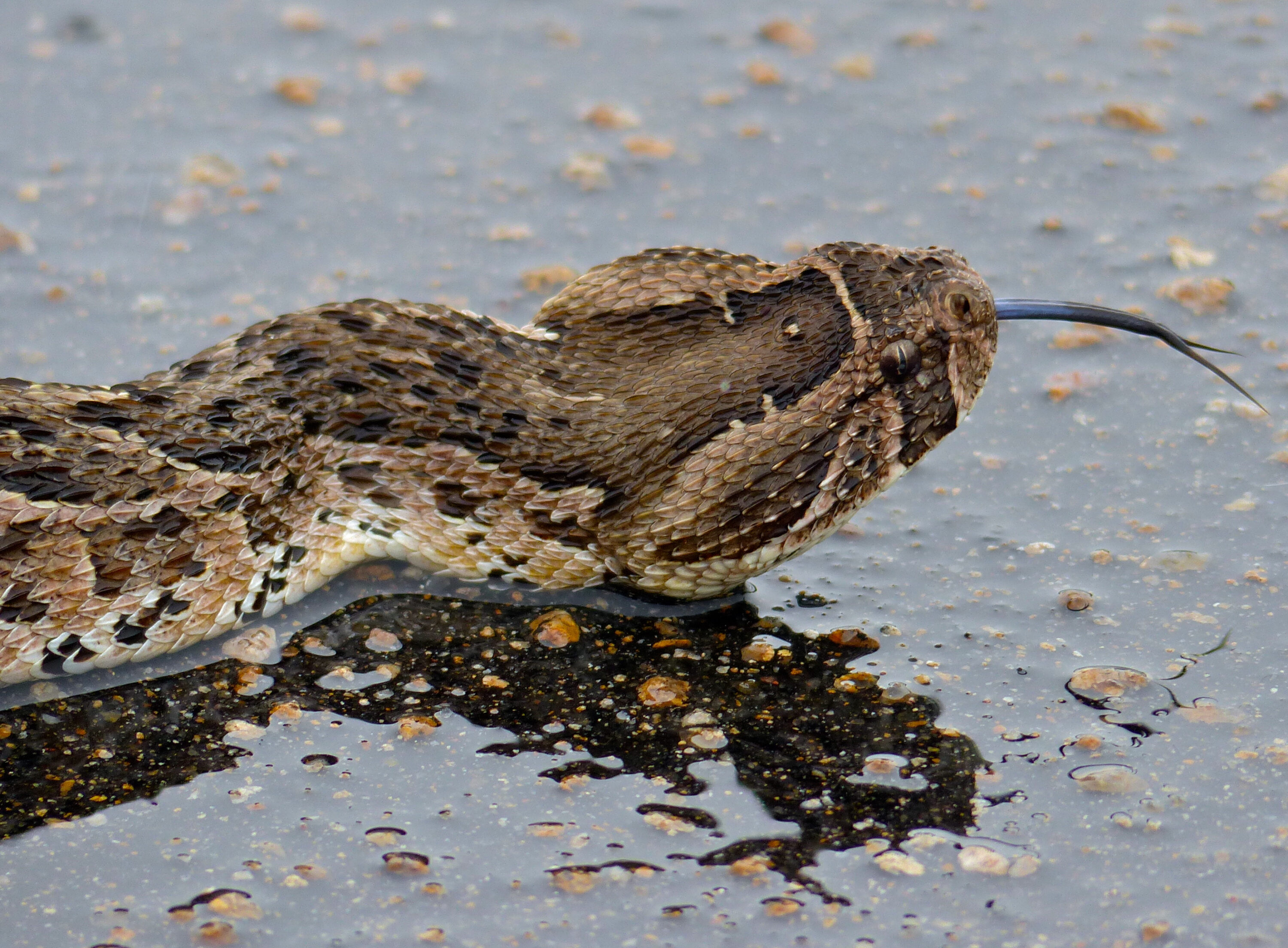
Barietin From Puff Adder Venom Raised Heart Rate by About 30% in Rats
Purified barietin from puff adder venom increased heart rate by about 30% in rats while changing blood pressure…
Read story →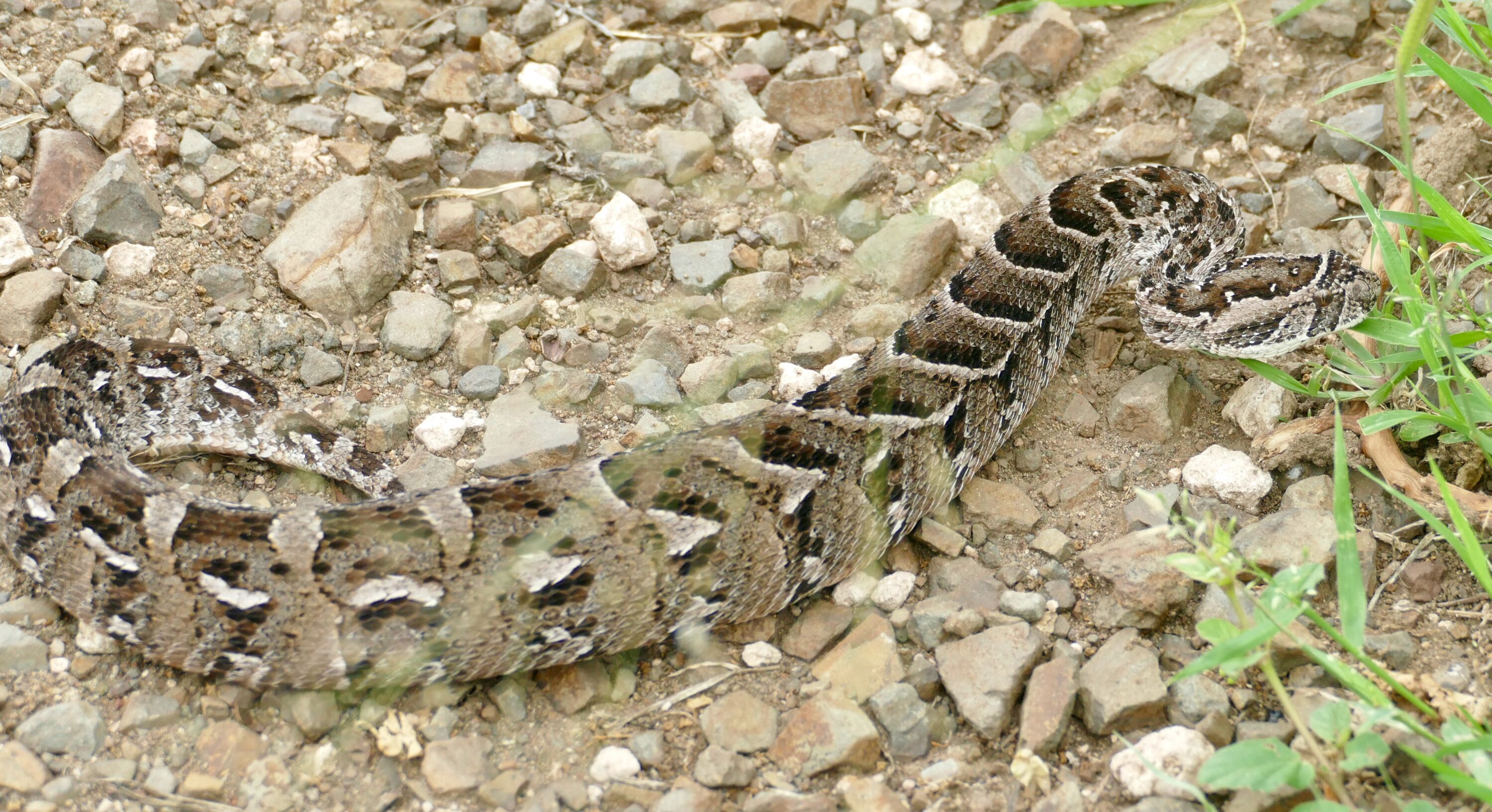
Injuries Were More Extensive After Zebra Spitting Cobra Bites Than Puff Adder Bites in Namibia
Among 20 hospitalized snakebite patients in Namibia, tissue necrosis occurred in 11 of 12 zebra spitting cobra cases…
Read story →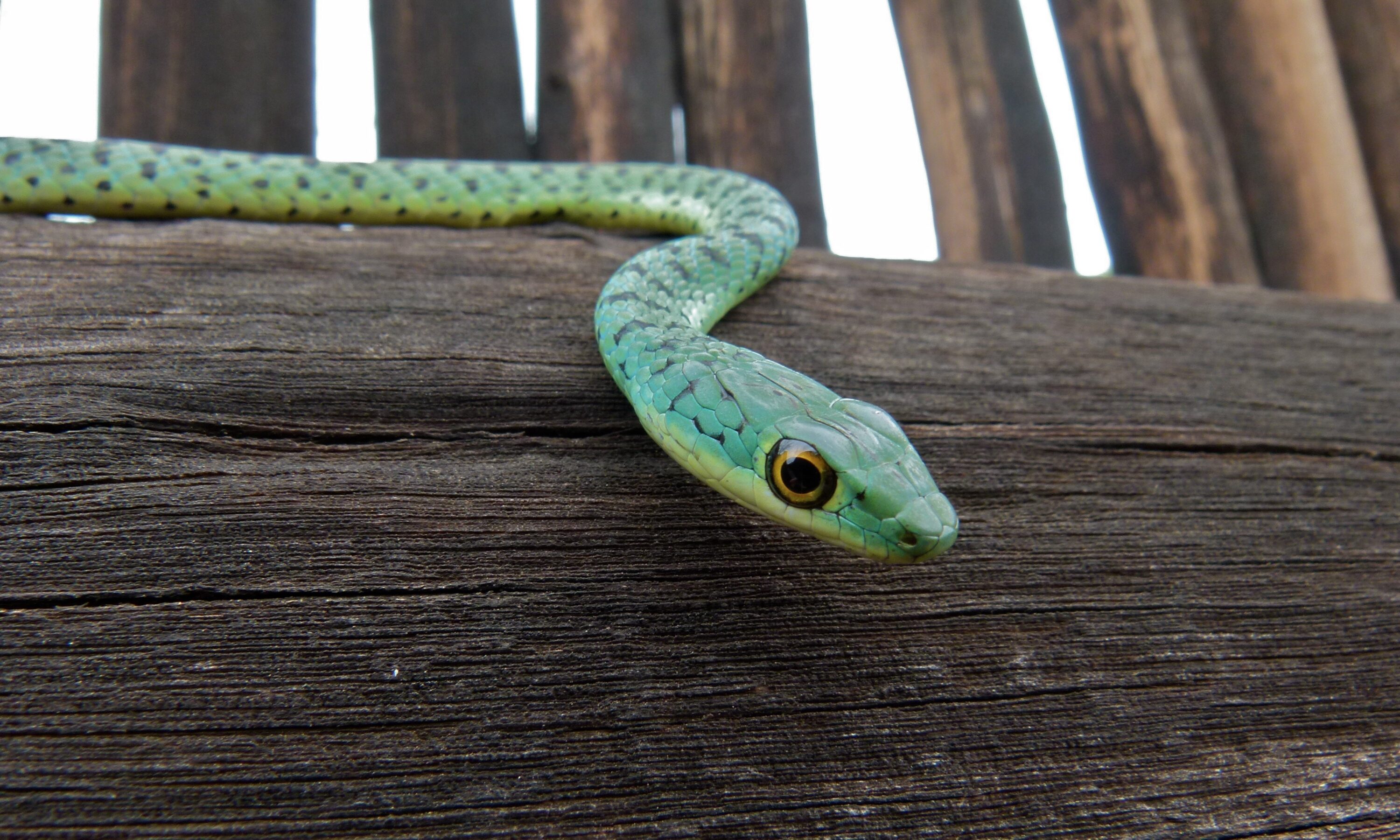
Patchier, More Diverse Landscapes Were Linked to More Reported Snake–Human Encounters in Eswatini
Using 2,216 public snake-rescue records from Eswatini, the study found that reported encounter likelihood increased with patch density…
Read story →SPECIES IN THIS STORY
Species in this story
Independent research and conservation news archive
Did you find this information useful?
Wildlife Vagabond is independently built and maintained. Voluntary support helps cover source verification, hosting and continued work on research and conservation news.
Support Wildlife VagabondThe news archive will remain freely available.