
Patchier, More Diverse Landscapes Were Linked to More Reported Snake–Human Encounters in Eswatini
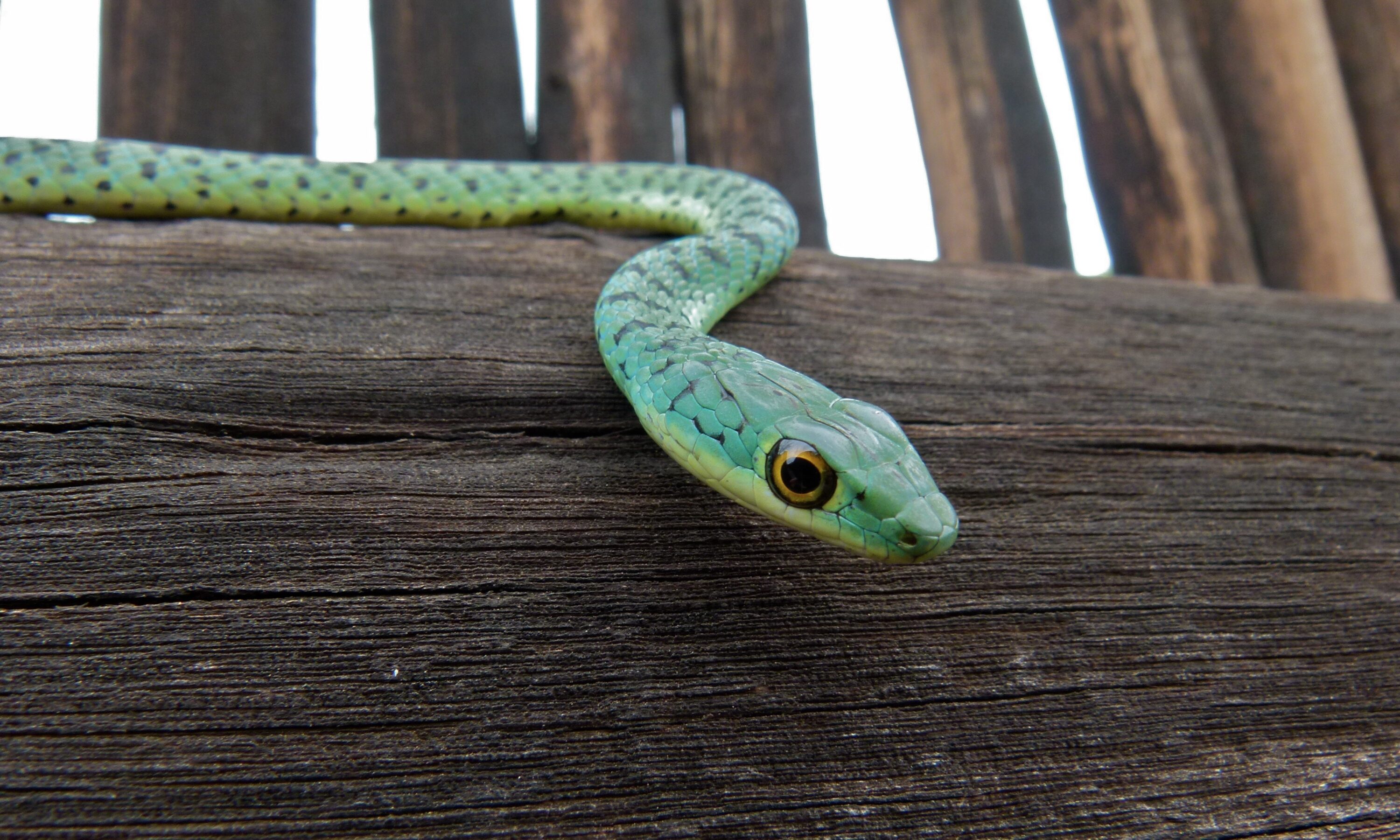
Reported snake–human encounters in Eswatini were more common in landscapes broken into many smaller patches and containing a greater mixture of land-use types, according to a study first published on 17 June 2026. Researchers analysed 2,216 public requests for snake removal or rescue between July 2020 and June 2024, involving 48 species. These records document encounters that were reported to the rescue programme; they are not a complete census of every snake–human encounter and they are not a dataset of snakebites.
Large and medically important snakes were prominent in the rescue records
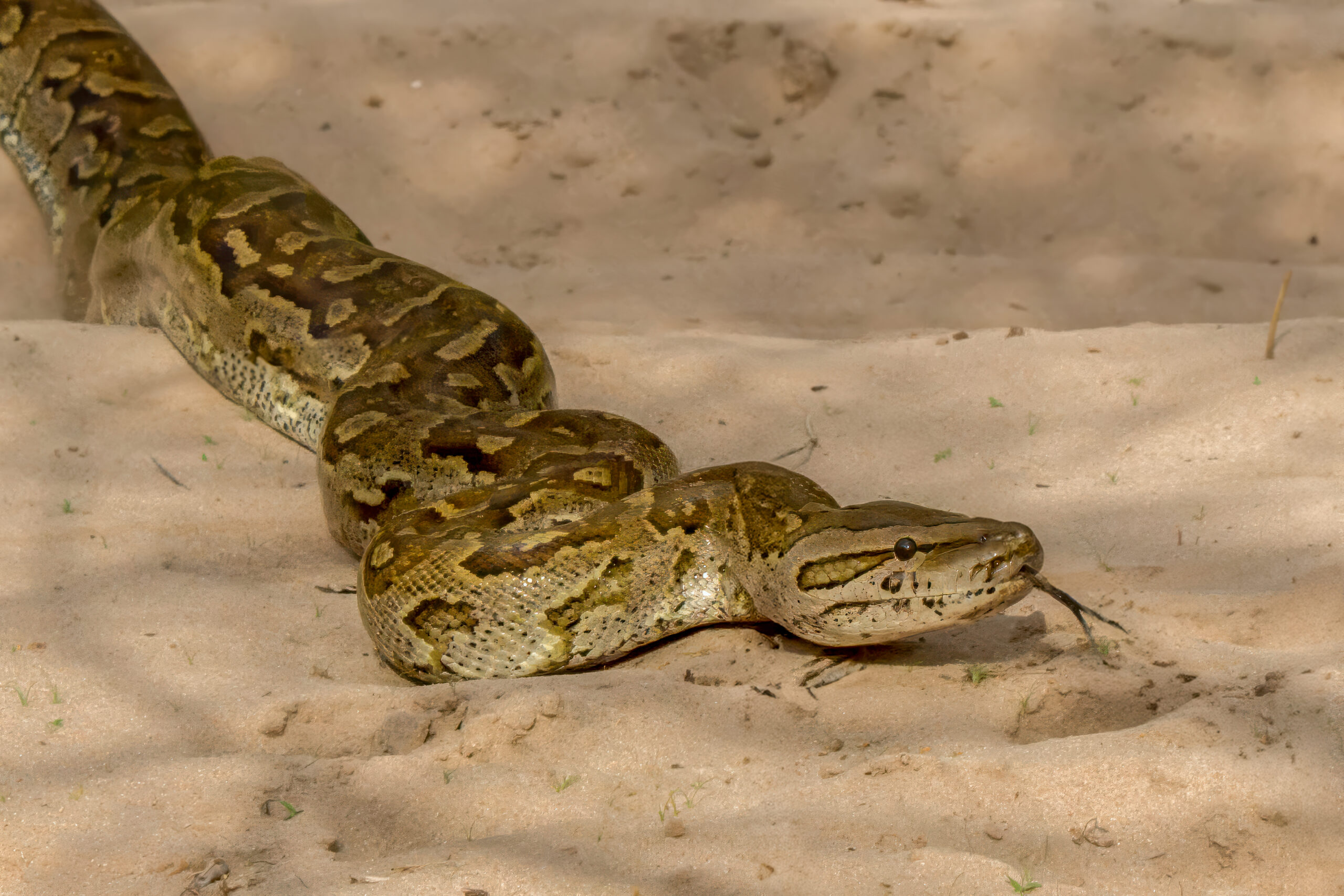
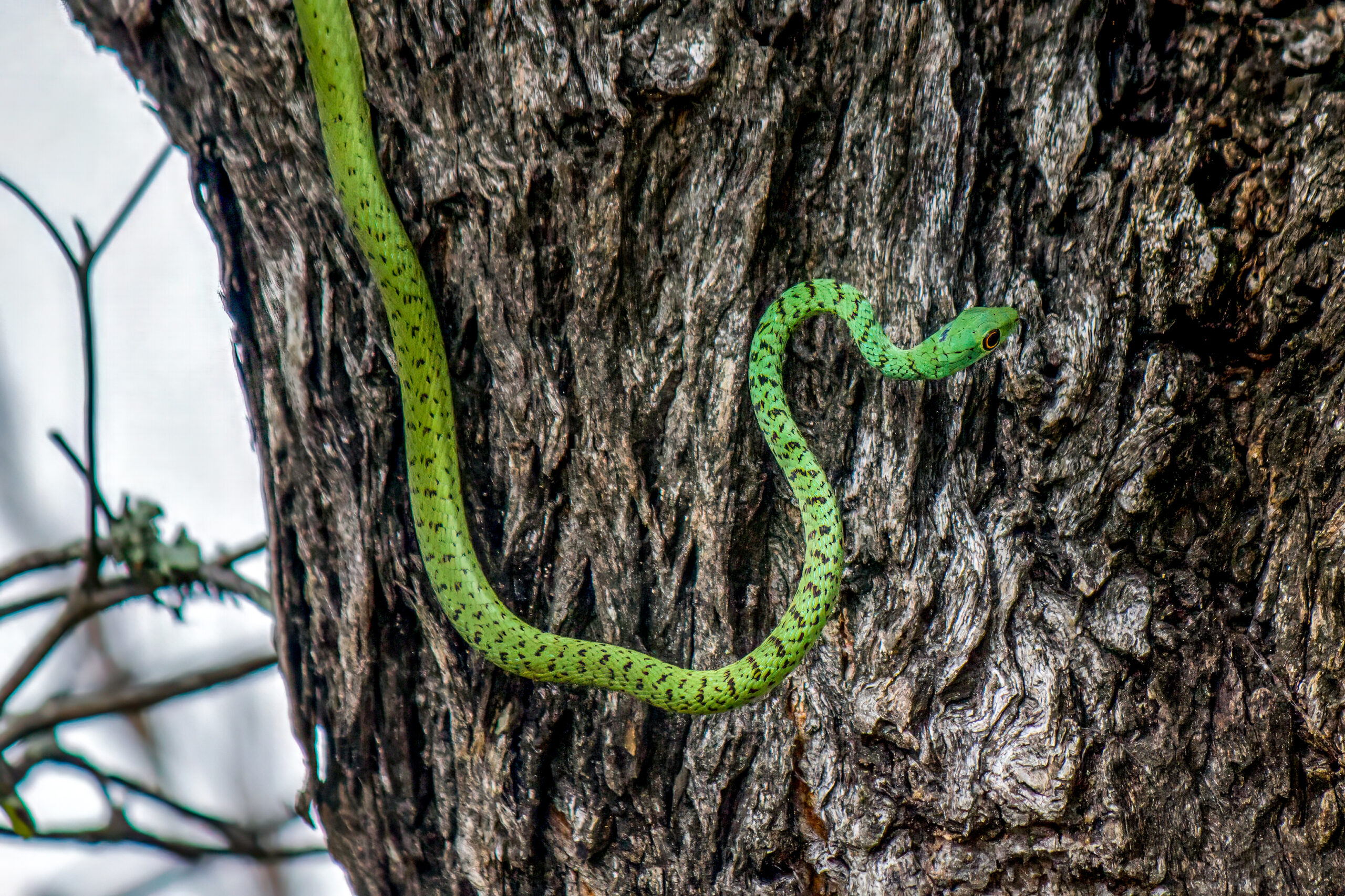
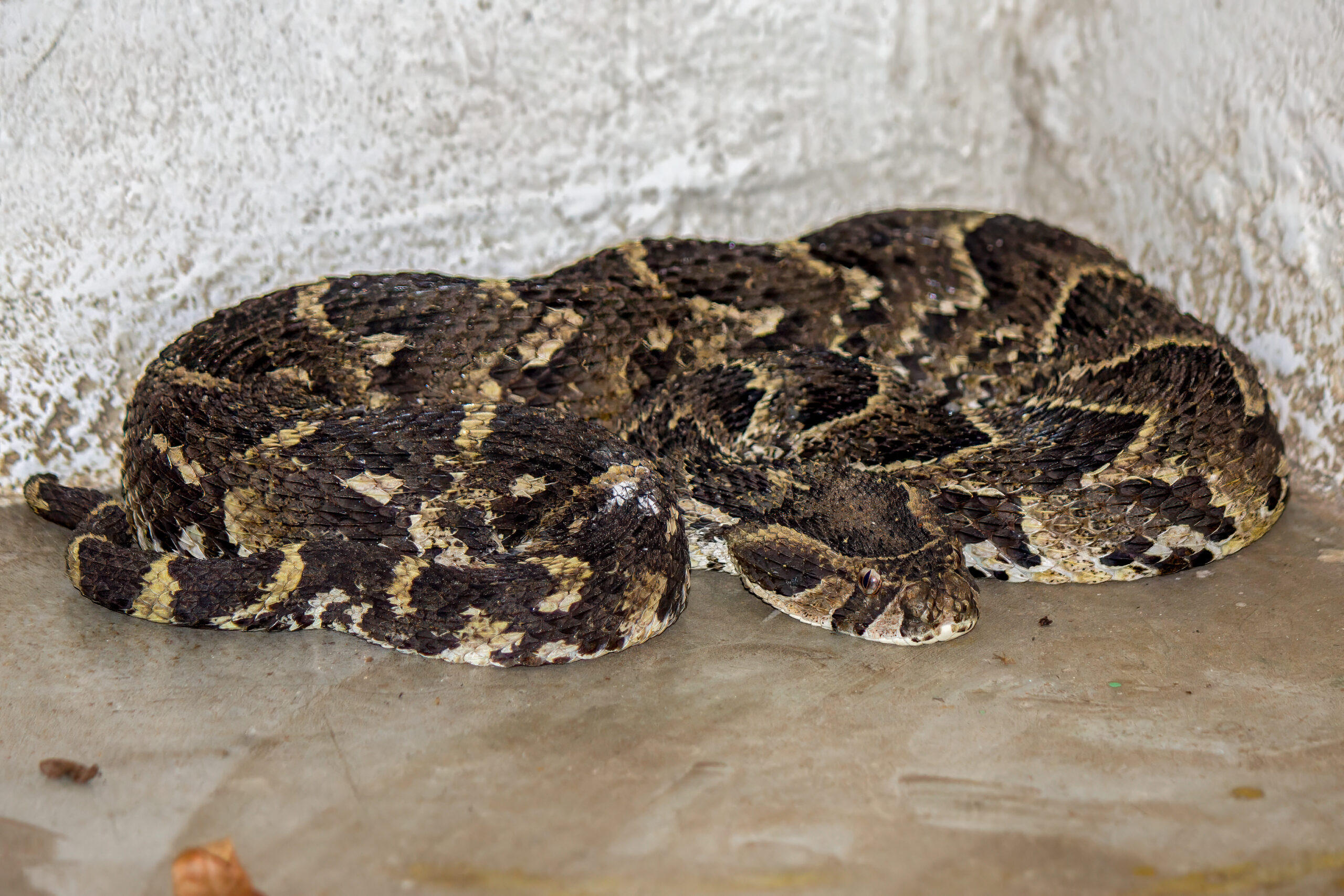
The most frequently reported species were Naja mossambica (13.2% of records), Dendroaspis polylepis (11.8%) and Boaedon capensis (10.7%), followed by southern African python (Python natalensis; 9.3%) and Dasypeltis typus (8.9%). Spotted bush snake (Philothamnus semivariegatus) and puff adder (Bitis arietans) each accounted for just over 7% of reports. Five highly medically important venomous species among the eight most frequently reported snakes together made up about 48.7% of all recorded encounters.
The rescue records are also vulnerable to reporting bias. Large, conspicuous or medically important snakes may be more likely to prompt a removal request, while small, secretive or burrowing species can be under-represented. The species percentages therefore describe the rescue dataset rather than an unbiased census of snake abundance in Eswatini.
Landscape pattern mattered most within 500 metres
The strongest landscape associations were measured within a 500-metre buffer around each reported encounter and weakened at 1- and 2-kilometre scales. Patch density describes how many separate land-use patches occur within an area: a higher value means a more finely divided or fragmented landscape. Land-use diversity describes how many different land-use types occur and how evenly space is distributed among them. The likelihood of a reported rescue encounter increased with both greater patch density and greater land-use diversity.
The patch-density relationship was broadly similar across human population densities. The association with land-use diversity was different: it became weaker at very high population density, where landscapes were already heavily dominated by human land use. Similar overall landscape relationships appeared when highly medically important venomous snakes and species of lower medical importance were analysed separately.
Reports peaked in the warm, wet season
Reported encounters also varied strongly through the year, peaking from November to April and becoming much less frequent during the cooler, drier months. In raw numbers, natural savanna accounted for 36% of reports, settlements 29%, grasslands 13% and rainfed agricultural fields 12%. Raw shares are not the same as encounter intensity, however, because land-use types cover very different amounts of Eswatini. Relative to their availability in the landscape, settlements and tree-crop areas had the highest ratios of reported snake encounters.
The authors conclude that increasing landscape fragmentation and heterogeneity can enlarge the interfaces where people and snakes come into contact. They therefore argue that land-use planning and snakebite-prevention strategies should consider not only how much natural habitat remains, but also how natural and human-modified land is arranged. Because the study is based on reported rescue encounters rather than an experiment, the landscape relationships identify where encounters are more likely to be reported; they do not show that fragmentation alone caused each encounter.
Human–wildlife conflict
Related news
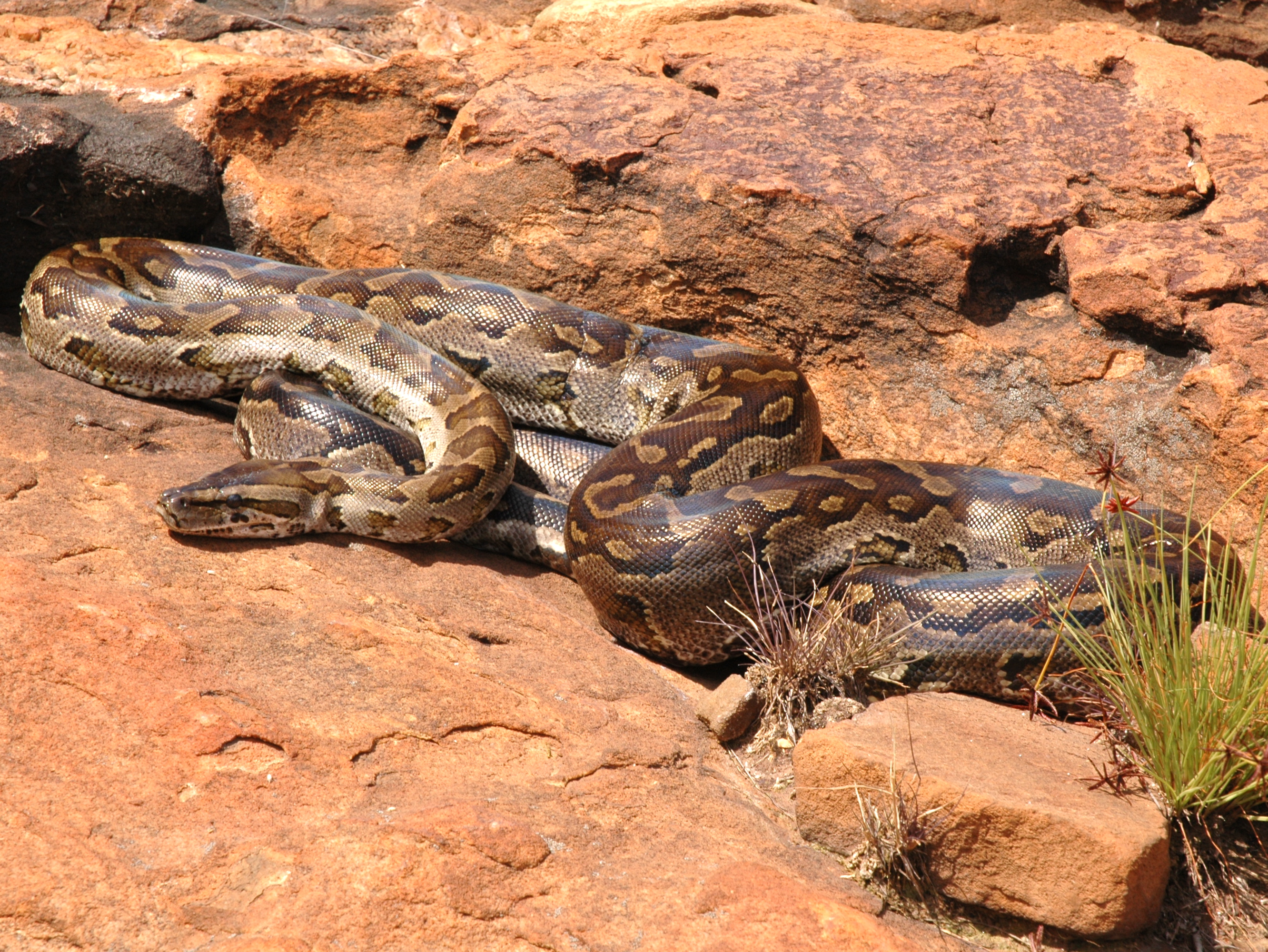
Online Advert Led Police to a Live Southern African Python in North West Province
South African police recovered a live Southern African python in Delareyville after it was allegedly advertised online for…
Read story →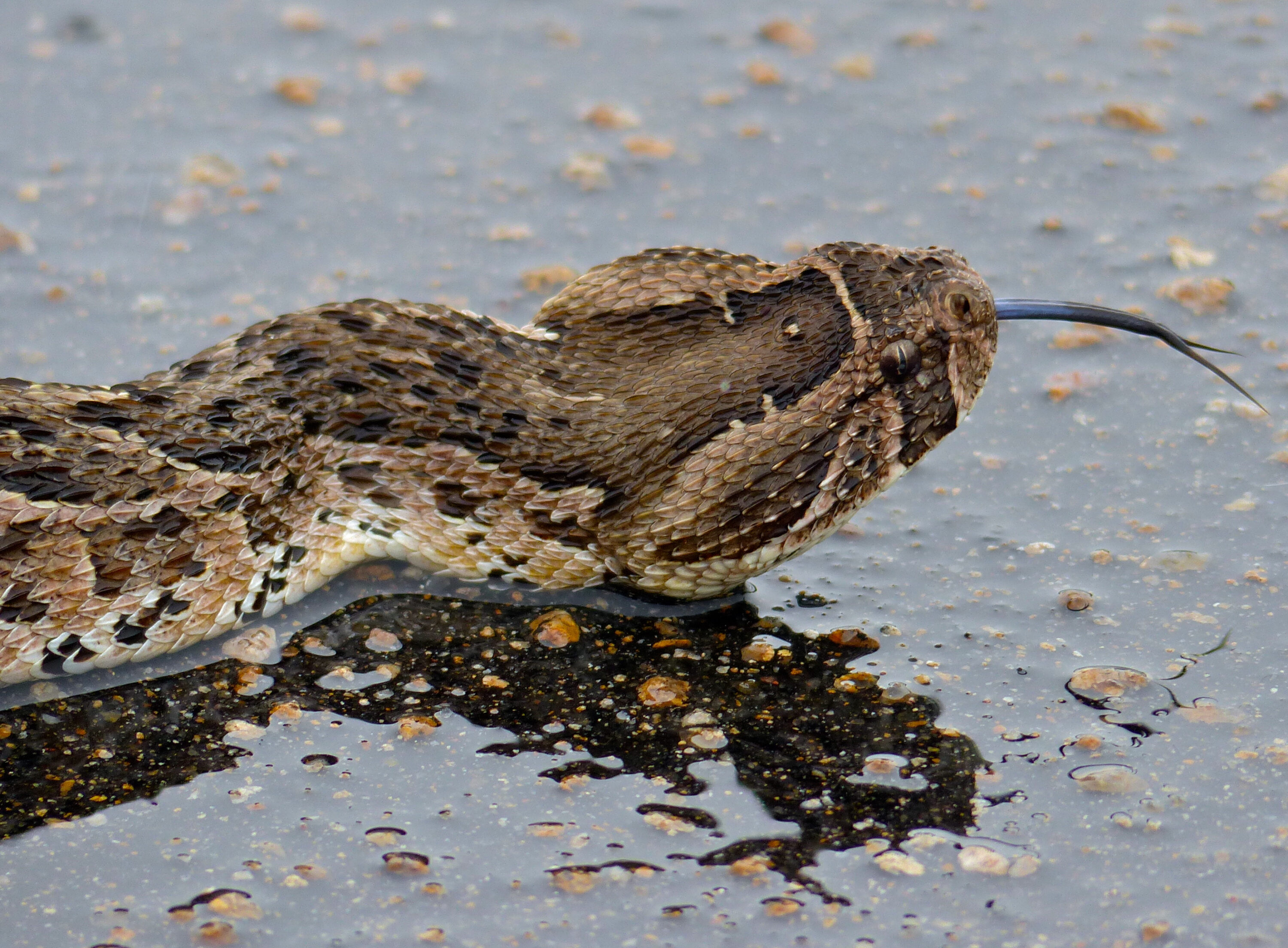
Barietin From Puff Adder Venom Raised Heart Rate by About 30% in Rats
Purified barietin from puff adder venom increased heart rate by about 30% in rats while changing blood pressure…
Read story →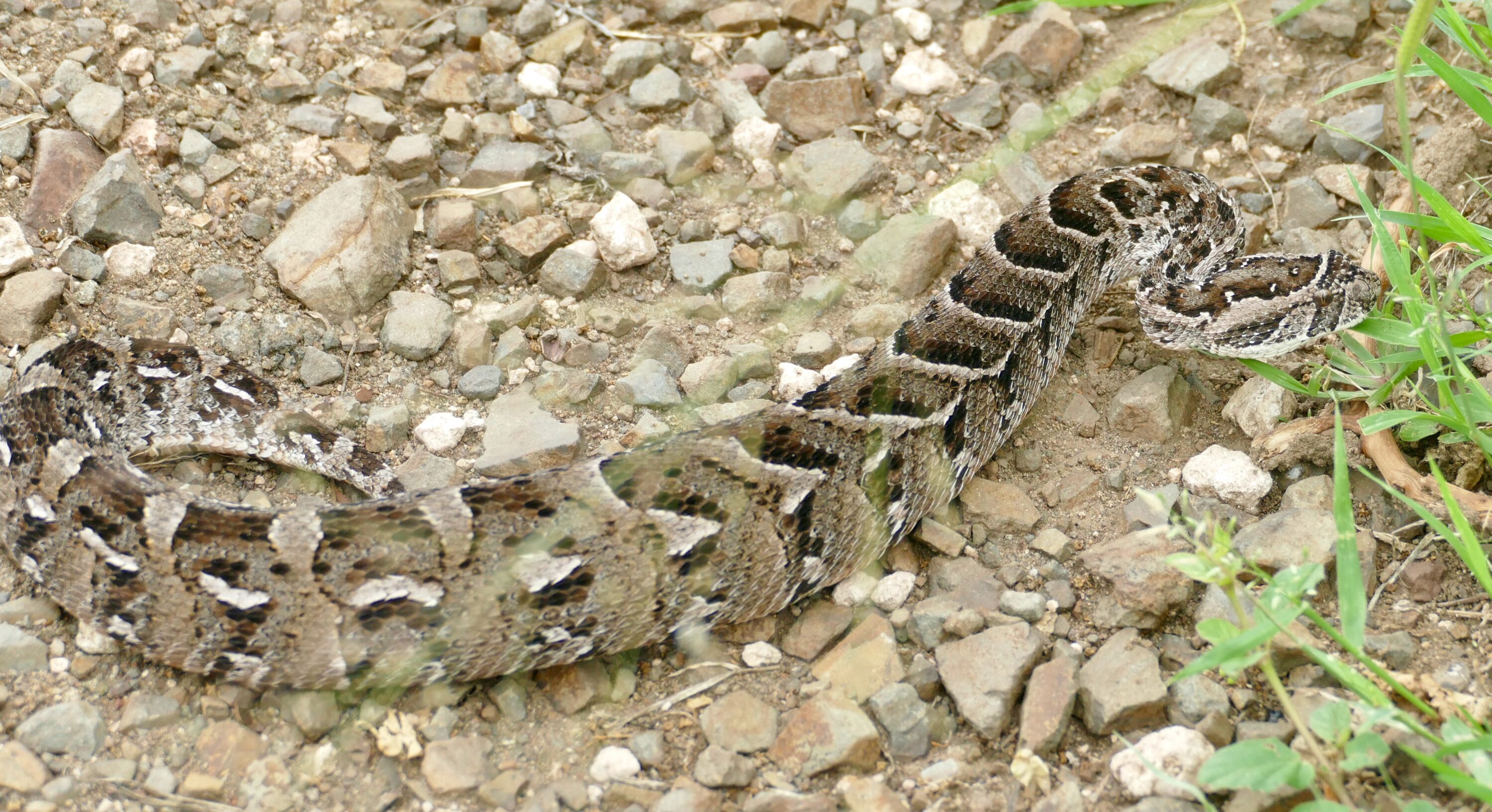
Injuries Were More Extensive After Zebra Spitting Cobra Bites Than Puff Adder Bites in Namibia
Among 20 hospitalized snakebite patients in Namibia, tissue necrosis occurred in 11 of 12 zebra spitting cobra cases…
Read story →SPECIES IN THIS STORY
Species in this story
Independent research and conservation news archive
Did you find this information useful?
Wildlife Vagabond is independently built and maintained. Voluntary support helps cover source verification, hosting and continued work on research and conservation news.
Support Wildlife VagabondThe news archive will remain freely available.