
Pulau Rambut Study Estimated 135 Great Egrets and Mapped Their Mangrove Nesting Sites
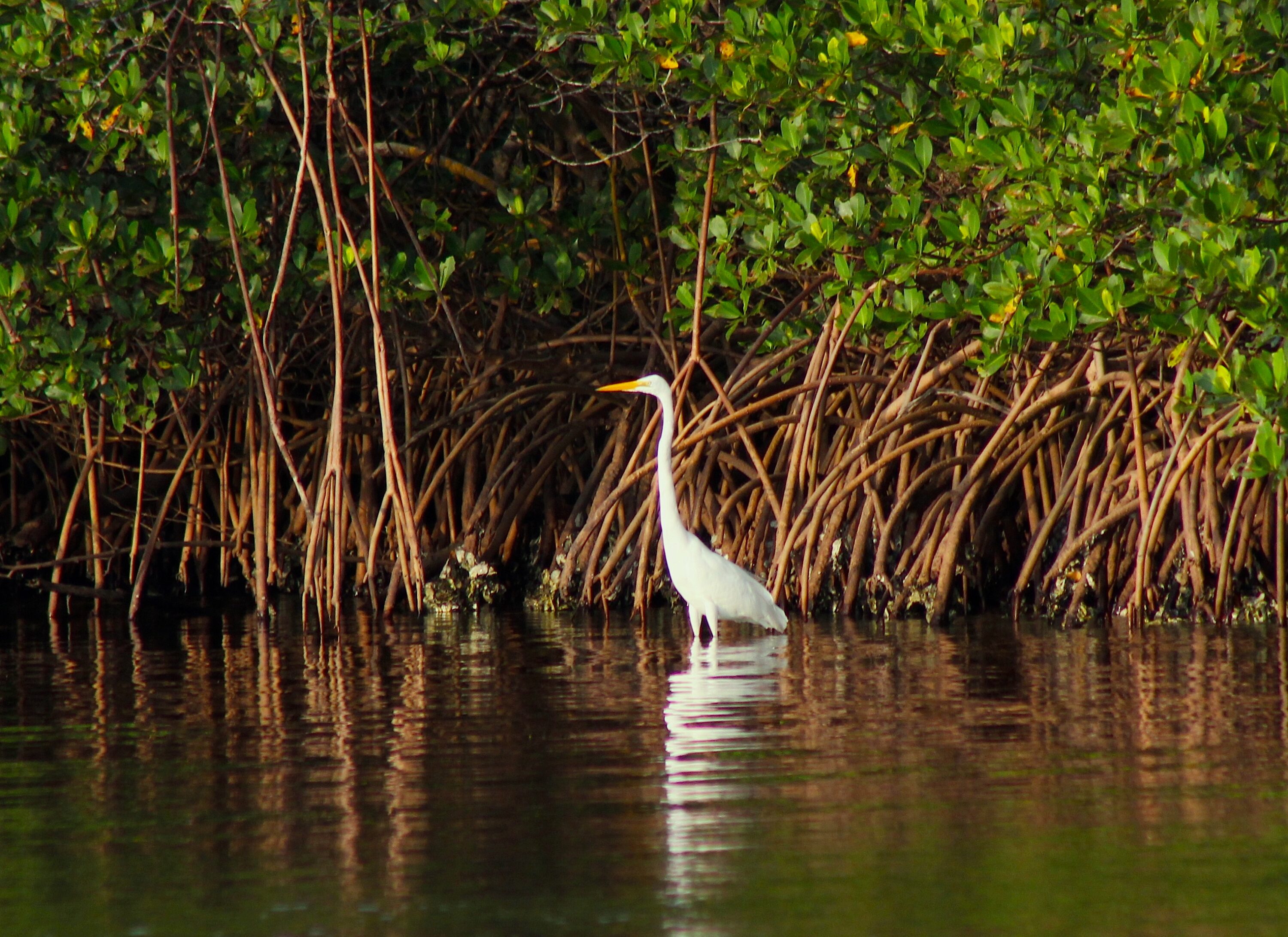
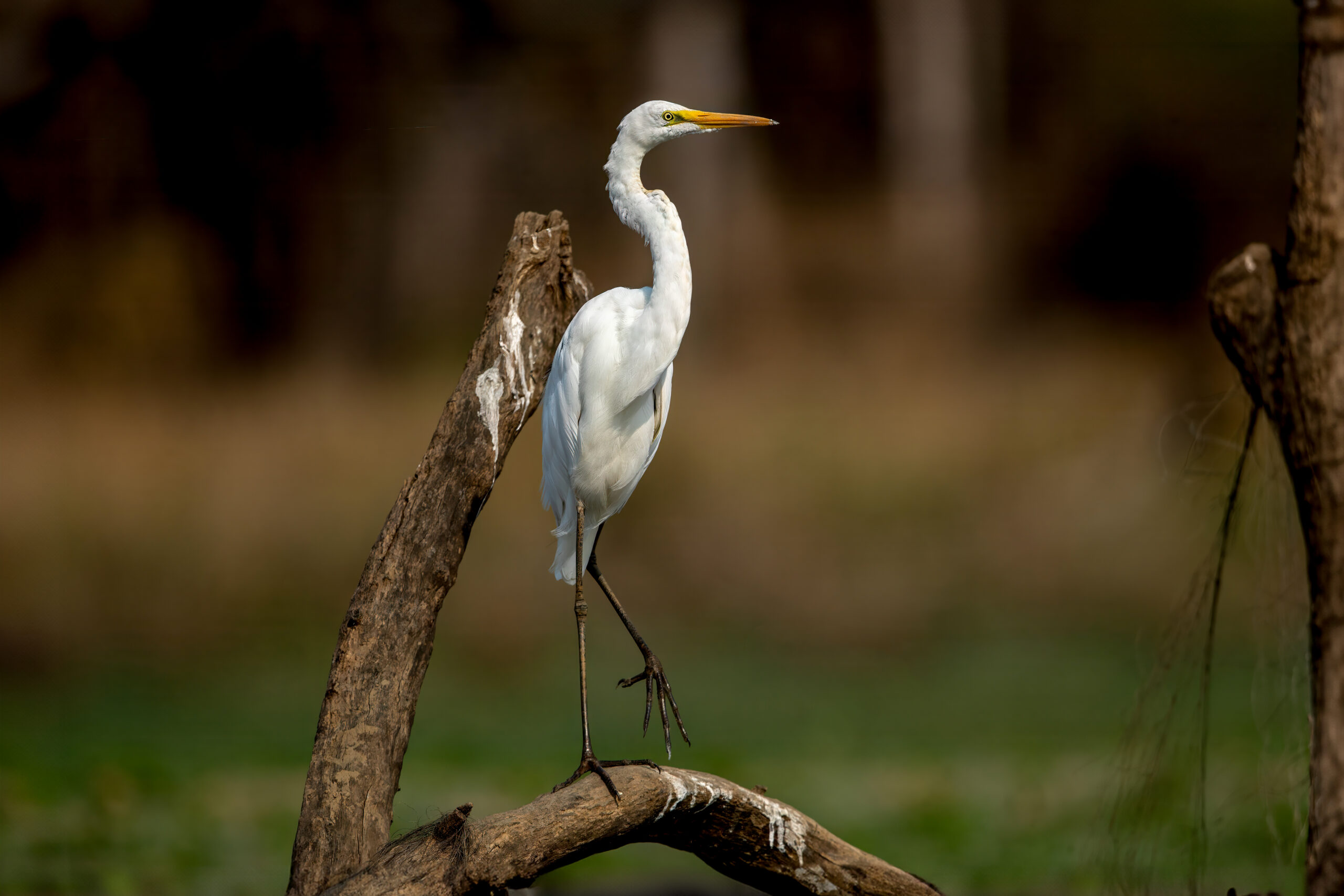
A 2026 study on Pulau Rambut in Jakarta Bay estimated about 135 great egrets (Ardea alba) on the 45-hectare wildlife sanctuary and documented where they nested in its mangrove forest. Published on 11 March 2026 in Jurnal Ilmu Pertanian Indonesia, the work provides a new species-specific baseline for one of Indonesia’s important waterbird breeding islands.
The authors place the estimate in a longer-term context: an earlier estimate cited in the paper was about 390 great egrets in 2001, while later surveys reported roughly 115–235 birds. The new count therefore falls within the lower range reported in more recent decades, against a background of continuing concern about mangrove and wetland degradation around Jakarta Bay.
Researchers carried out fieldwork during the 2025 breeding season. Egrets were counted in the morning as birds left the island and again in the evening when they returned. Nest trees were mapped, while nest position, tree characteristics, nest dimensions and egg measurements were recorded at breeding sites.
About 135 great egrets were concentrated mainly on the island’s eastern side
The estimated 135 great egrets were concentrated mainly on the eastern side of Pulau Rambut. Nests were found predominantly high in mangroves. Among 20 nesting trees, 18 were Rhizophora mucronata and two were Rhizophora stylosa. The R. mucronata trees averaged 13.8 metres in height and 20.0 centimetres in trunk diameter, compared with 11.0 metres and 12.3 centimetres for R. stylosa. In both tree species, great egret nests were placed more than 92% of the way up the trees on average.
Most nests were high in Rhizophora mangroves
The nests were cup-shaped structures built from twigs. Measured nests averaged 46.8 by 38.5 centimetres, with an average depth of 42.3 millimetres. Clutches contained one to four eggs and averaged 2.2 eggs, with two eggs the most common clutch size. The eggs were pale blue-green and averaged 50.9 by 35.8 millimetres and 35.9 grams.
Great egrets shared nesting trees with several other waterbirds. Among the 18 R. mucronata nesting trees, purple herons (Ardea purpurea) occurred alongside great egrets at 27.8% of trees, followed by Oriental darters and grey herons at 22.2% each, milky storks at 16.7% and black-crowned night herons at 11.1%. The authors describe the study as the first detailed bio-ecological baseline focused specifically on great egrets at Pulau Rambut.
The sanctuary’s mangrove habitat has been affected by habitat degradation, oil pollution and waste carried from Java. The authors identify conservation and restoration of the mangrove forest, particularly stands of Rhizophora mucronata, as important for maintaining great egret breeding numbers on the island.
Reproduction & development
Related news
Six of Seven GPS-Tracked Great Egrets Returned to the Same Wintering Grounds
Six of seven great egrets tracked across at least two complete winters returned to the same wintering grounds;…
Read story →
Poland’s Breeding Great Egret Population Reached 1,150–1,250 Pairs
Poland’s breeding great egret population increased by 84% from 2013 to 2025. Breeding was documented at 31 sites,…
Read story →
Bile-Duct Trematodes Found in the Lungs and Body Cavity of a Great Egret
A case report from South Korea found the bile-duct trematode Pegosomum bubulcum on the liver surface, in the…
Read story →SPECIES IN THIS STORY
Species in this story
Independent research and conservation news archive
Did you find this information useful?
Wildlife Vagabond is independently built and maintained. Voluntary support helps cover source verification, hosting and continued work on research and conservation news.
Support Wildlife VagabondThe news archive will remain freely available.