
Purple Sunbirds Used Both Vegetation and Human-Made Supports for Nesting in Northwestern India
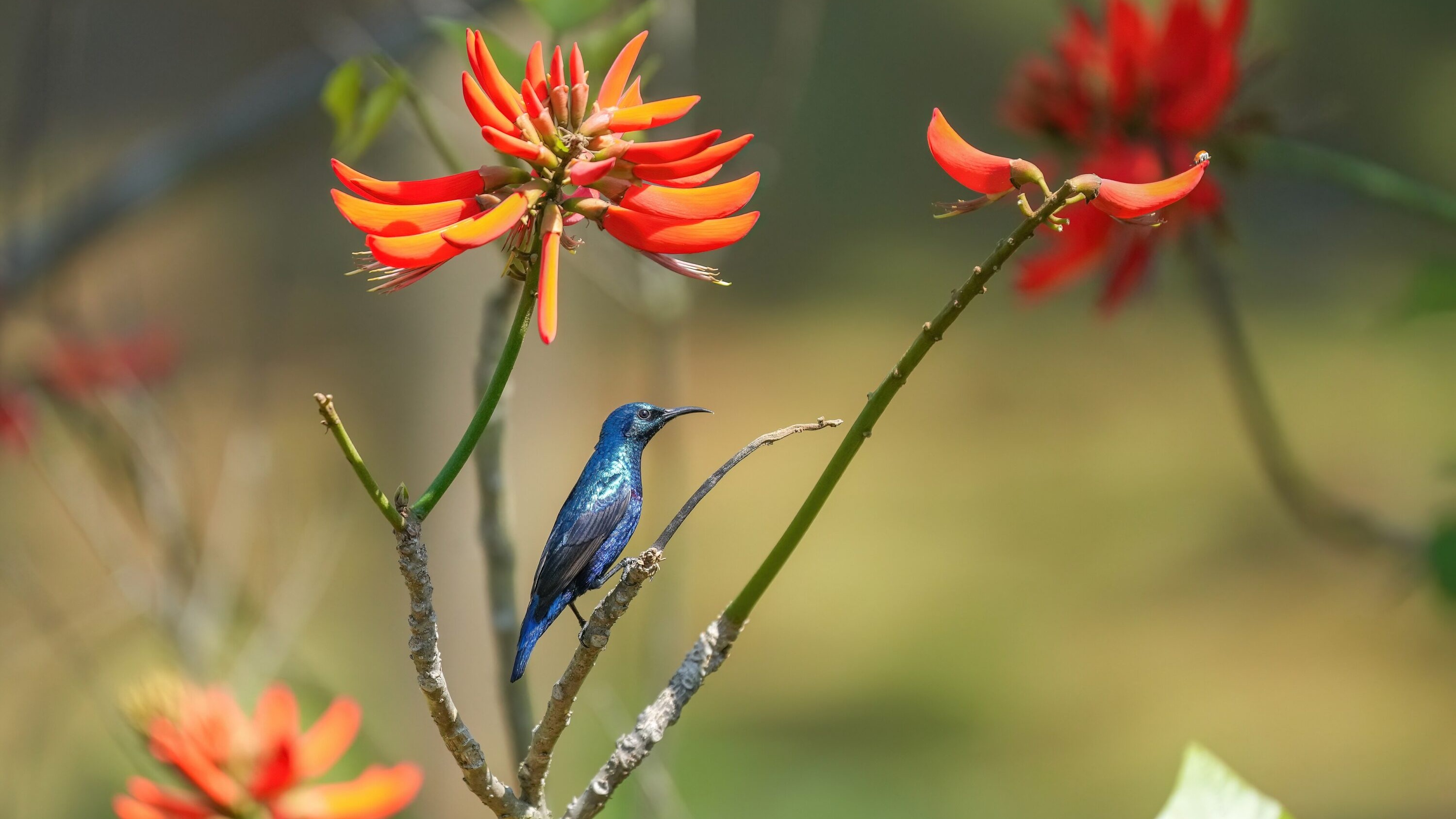
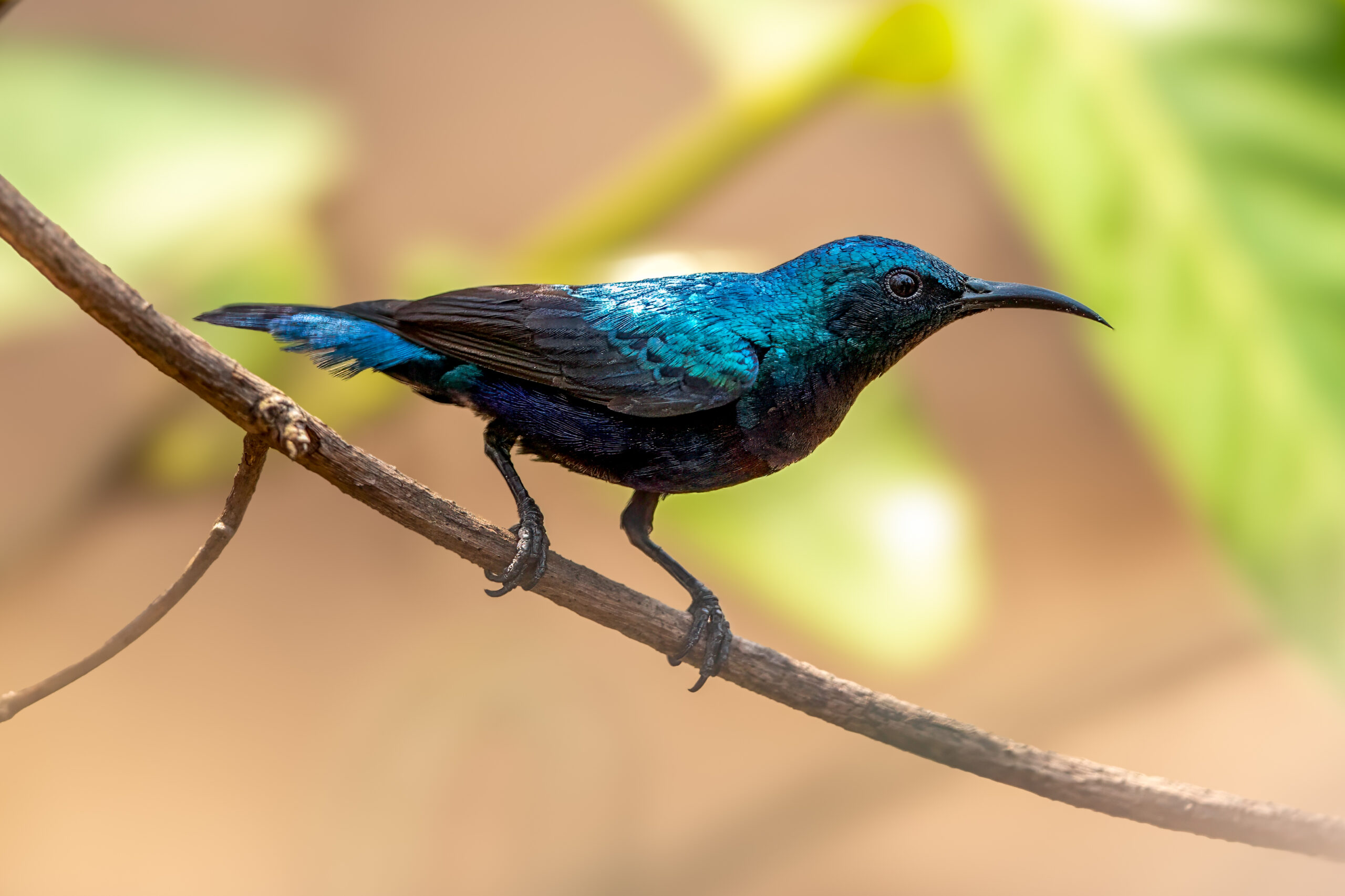
A study of purple sunbird (Cinnyris asiaticus) breeding in agricultural landscapes of northwestern India found that the birds used both woody vegetation and human-made structures for nesting. Fieldwork from 2022 to 2024 covered Aittiana and Halwara in Punjab and Ahmadpur and Mirpur in Haryana.
Eighteen nests used both vegetation and artificial supports
Researchers used point counts and focal nest observations to record nesting chronology, nest-site use, clutch characteristics and breeding performance. Across the two breeding seasons they recorded 18 nests in total. Nest supports included Acacia, Ziziphus, Morus and Punica, as well as artificial supports such as fencing wire. With this small nest sample, the study documents flexible use of available substrates rather than demonstrating a general preference for artificial structures.
Breeding success was higher at the Punjab sites
Clutch size ranged from two to four eggs, and the timing of nesting, egg-laying and hatching varied among sites and years. When the two sites within each state were pooled, hatching success in Punjab was 93.3% in 2022–23 and 66.7% in 2023–24, compared with 40.0% in Haryana in both seasons. Fledging success showed the same regional direction: 83.3% and 66.7% in Punjab versus 40.0% in Haryana in both seasons. The authors suggest that local habitat, disturbance, prey availability or predator pressure could contribute to the difference, but the study did not isolate which of these factors was responsible.
Adults also shifted strongly toward animal prey while feeding chicks. Recorded food included ants, bees, wasps, spiders, grasshoppers and termites, while nectar remained a supplementary resource during the breeding period.
The authors conclude that the heterogeneous crop landscapes in the study area supplied both nesting substrates and feeding resources for purple sunbirds. They also note that the substantial use of arthropods while provisioning nestlings points to a potential contribution to natural pest regulation in agricultural systems.
Reproduction & development
Related news
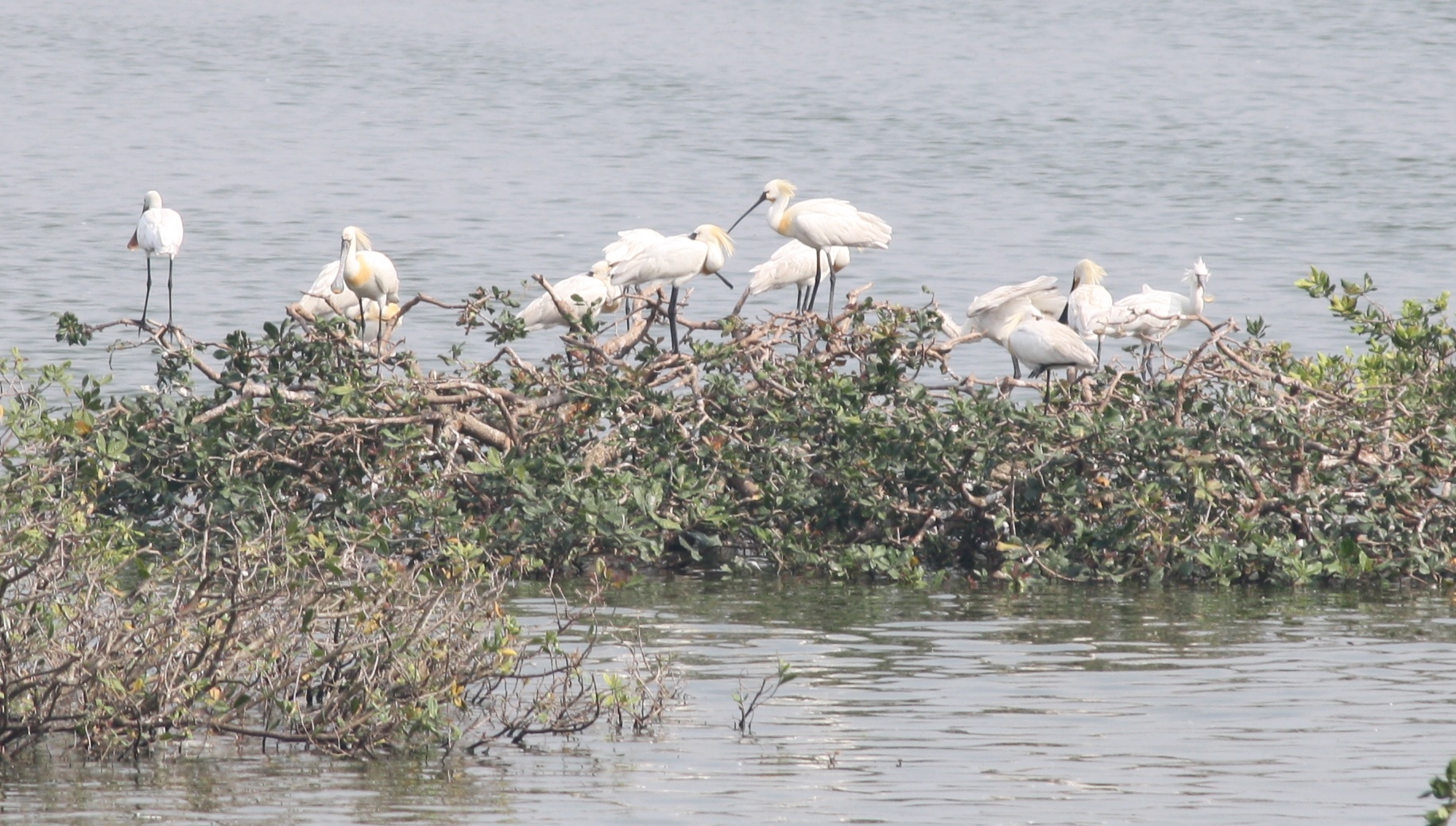
Therthangal Spoonbill Colony Returned to 12 Active Nests After Complete Breeding Failure
Six breeding seasons at Therthangal Bird Sanctuary in Tamil Nadu ranged from 12 active Eurasian Spoonbill nests in…
Read story →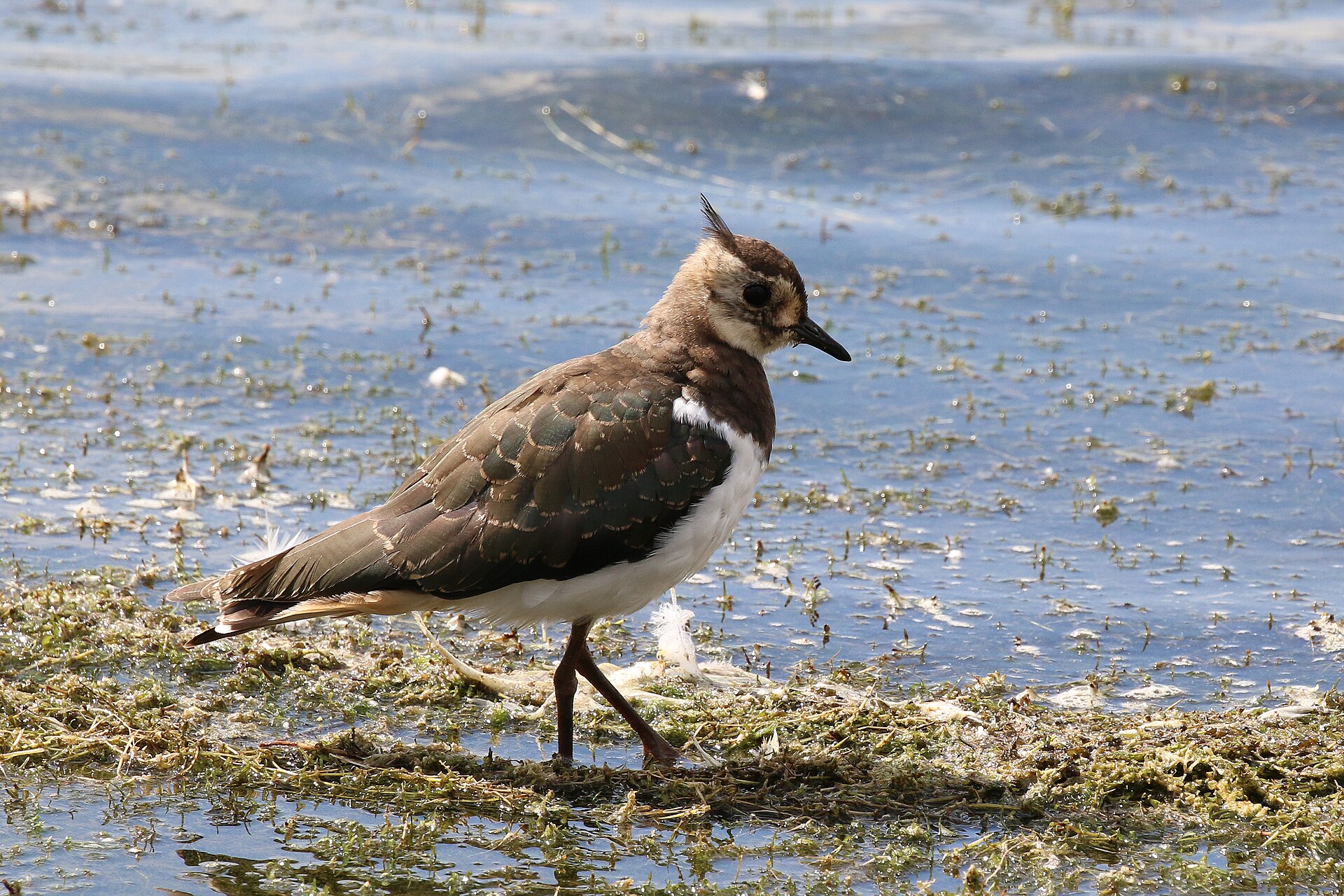
Lapwing and Oystercatcher Nesting Shifted in Opposite Directions With Latitude
Fifty years of UK nest records showed that northern lapwings nested later towards the north while Eurasian oystercatchers…
Read story →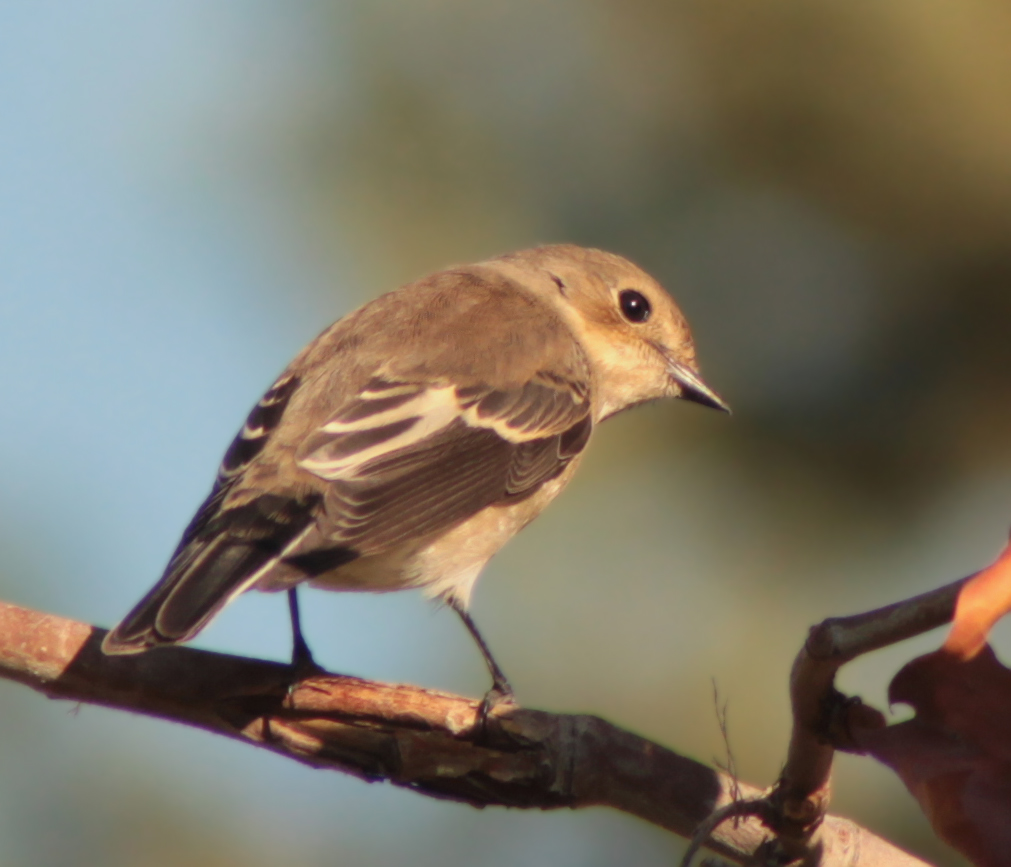
Late Spring Frost Was Linked to About 4% Smaller Pied Flycatcher Eggs
After a severe April frost damaged emerging oak foliage at Valsaín in central Spain, Pied Flycatchers laid eggs…
Read story →SPECIES IN THIS STORY
Species in this story
Independent research and conservation news archive
Did you find this information useful?
Wildlife Vagabond is independently built and maintained. Voluntary support helps cover source verification, hosting and continued work on research and conservation news.
Support Wildlife VagabondThe news archive will remain freely available.