
Tolfenamic Acid Has a 12-Hour Half-Life in Himalayan Griffons
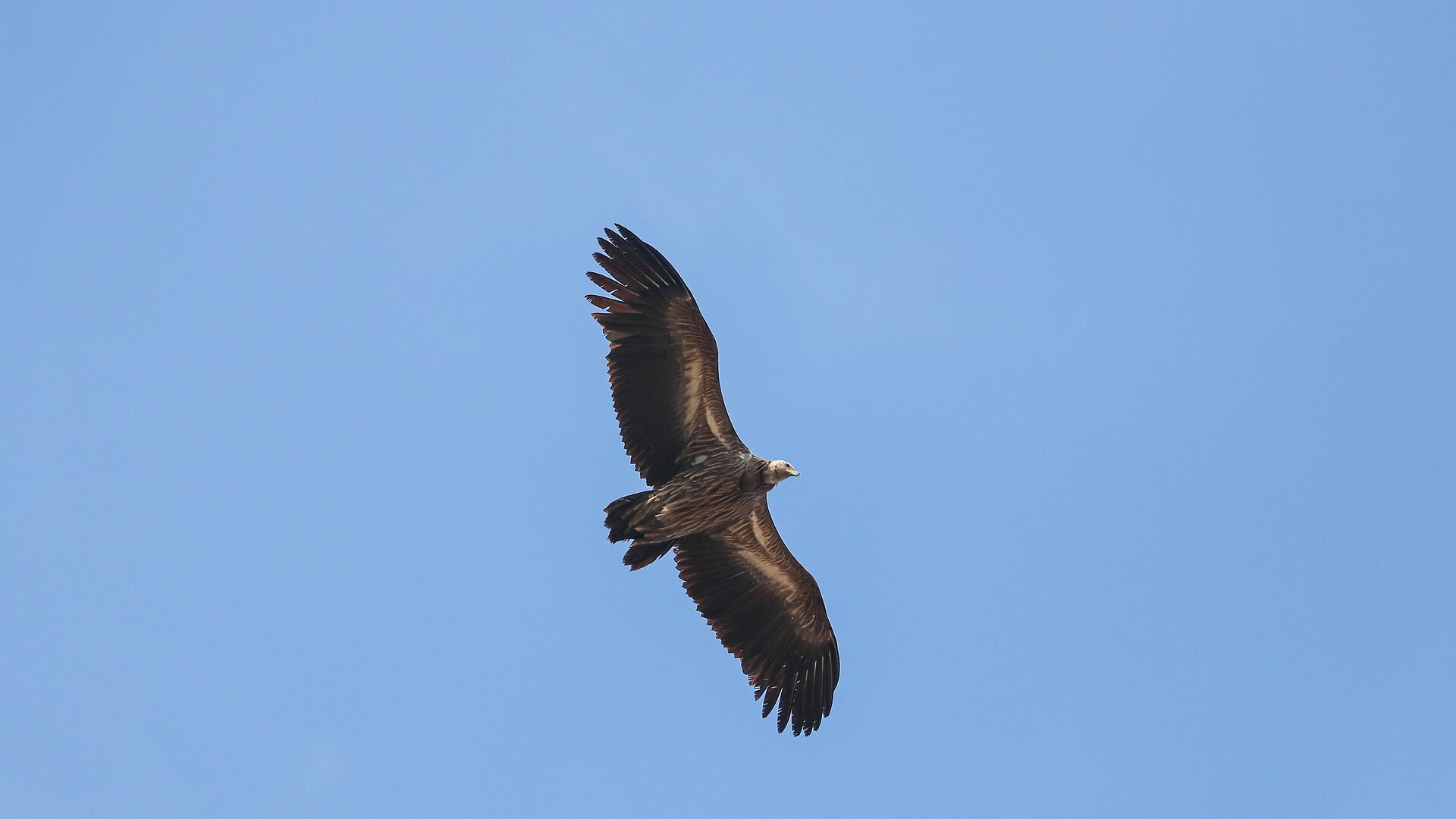
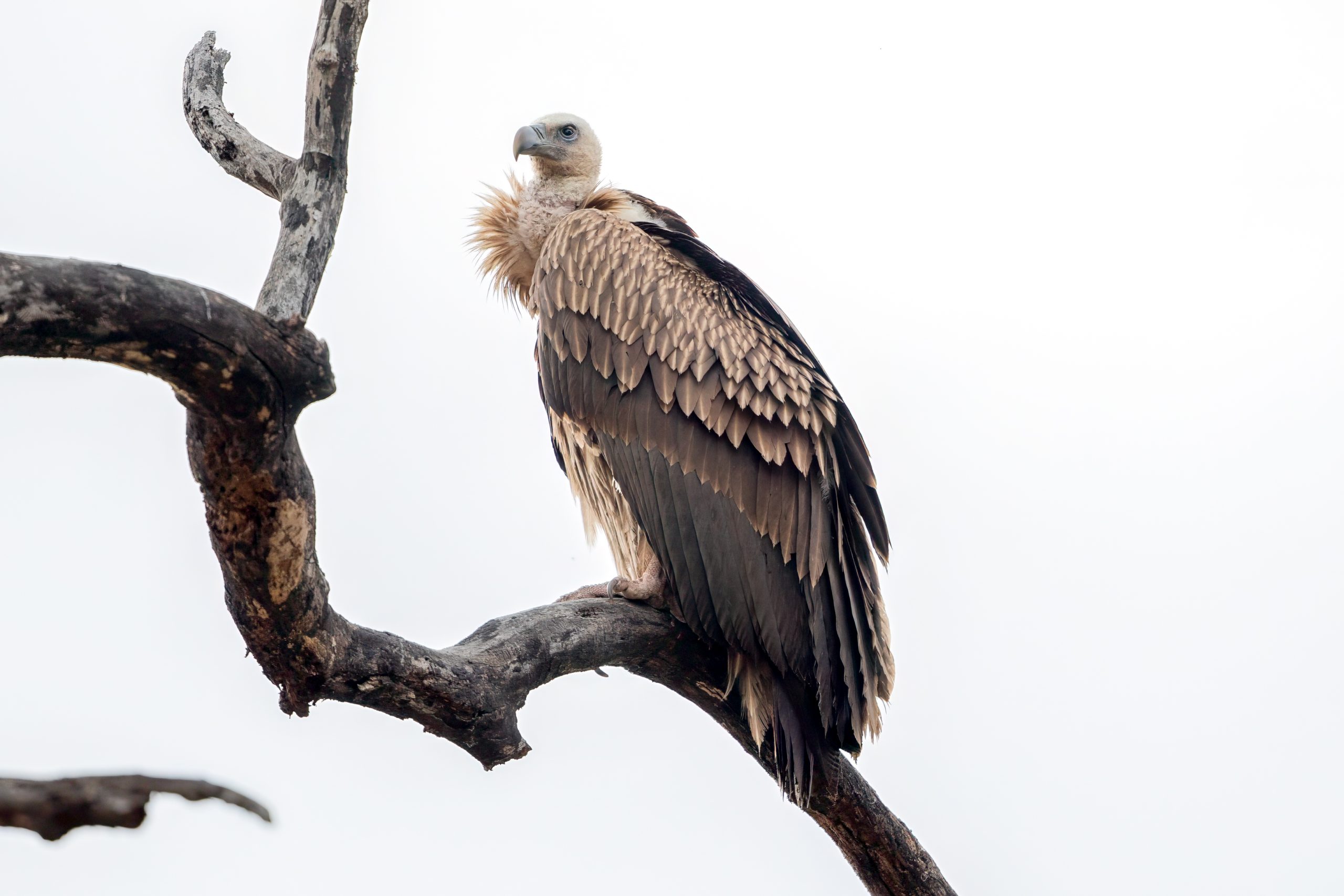
Tolfenamic acid has an elimination half-life of about 12 hours in Himalayan griffons (Gyps himalayensis), according to an analysis published in 2026. The elimination half-life is the time it takes for the drug concentration in the body to fall by half during elimination; in these vultures it was roughly six times longer than reported in other bird species. The veterinary anti-inflammatory drug was eliminated about as slowly as diclofenac, which is highly toxic to Gyps vultures, but its effects on uric acid were less severe and more reversible.
The researchers reanalysed published results from experiments in which 38 captive vultures received oral doses of 3.2–3.7 mg/kg. Two birds had died during those experiments. The estimated elimination half-life was about 12 hours, and the highest plasma concentration, about 5.7 µg/ml, was reached after roughly 2.1 hours.
Uric acid is the main nitrogenous waste product in birds, and when its concentration becomes high enough, urate crystals can accumulate in tissues as visceral gout. Tolfenamic acid caused a smaller and more reversible rise in uric acid than diclofenac, and the authors found that lethal outcomes occurred only when plasma uric acid exceeded its saturation threshold. They suggest that tolfenamic acid affects the kidneys mainly by altering renal blood flow, rather than by inhibiting uric-acid transport as diclofenac does. This difference may explain why such slow elimination did not produce the same severe toxicity pattern.
Physiology
Related news
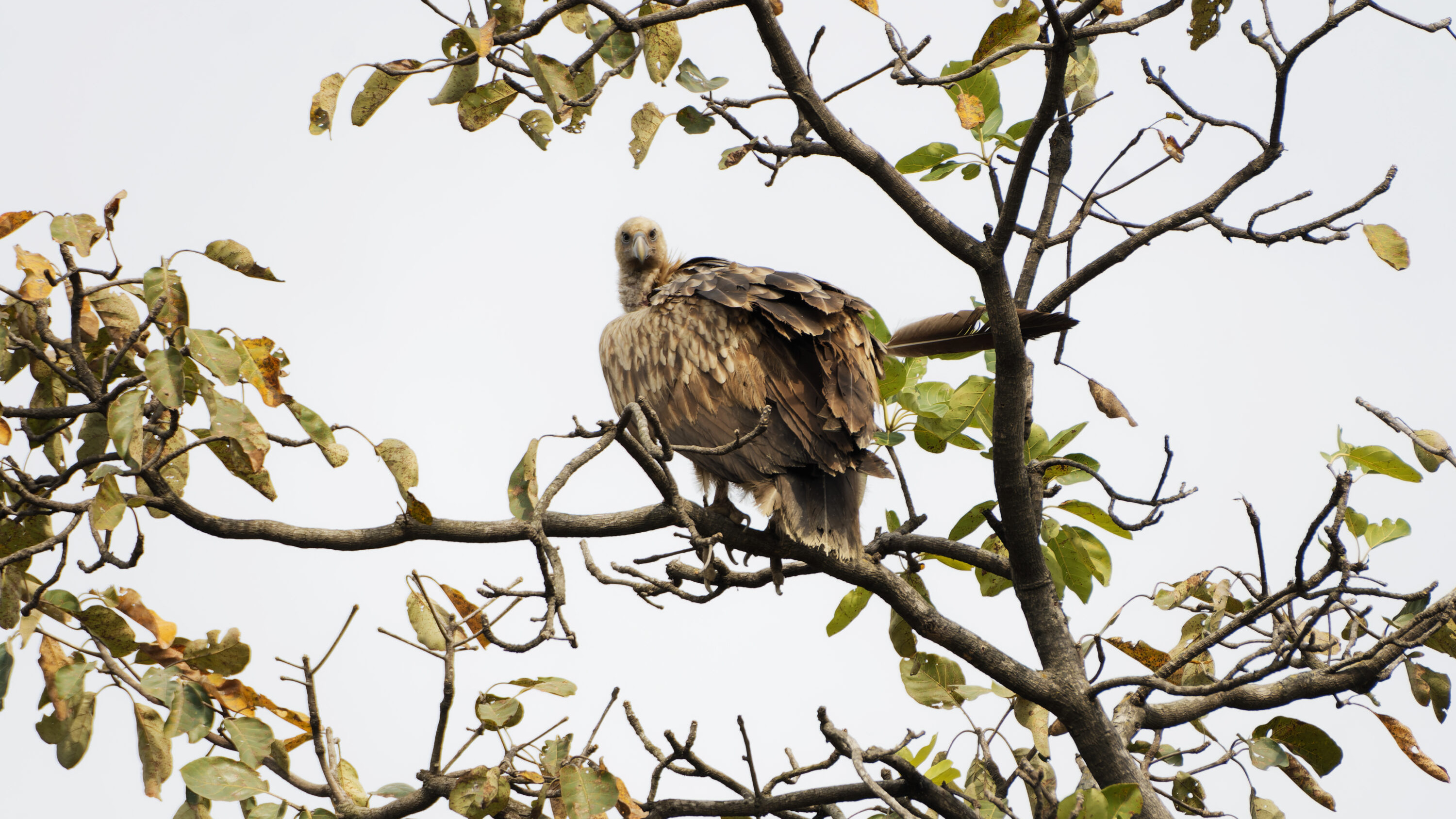
No Vulture Electrocutions Were Recorded During Limited Follow-up After a Carcass Dump Was Moved
Thirty-four surveys near Dehradun recorded 46 vulture carcasses attributed to electrocution. After a carcass dump was moved about…
Read story →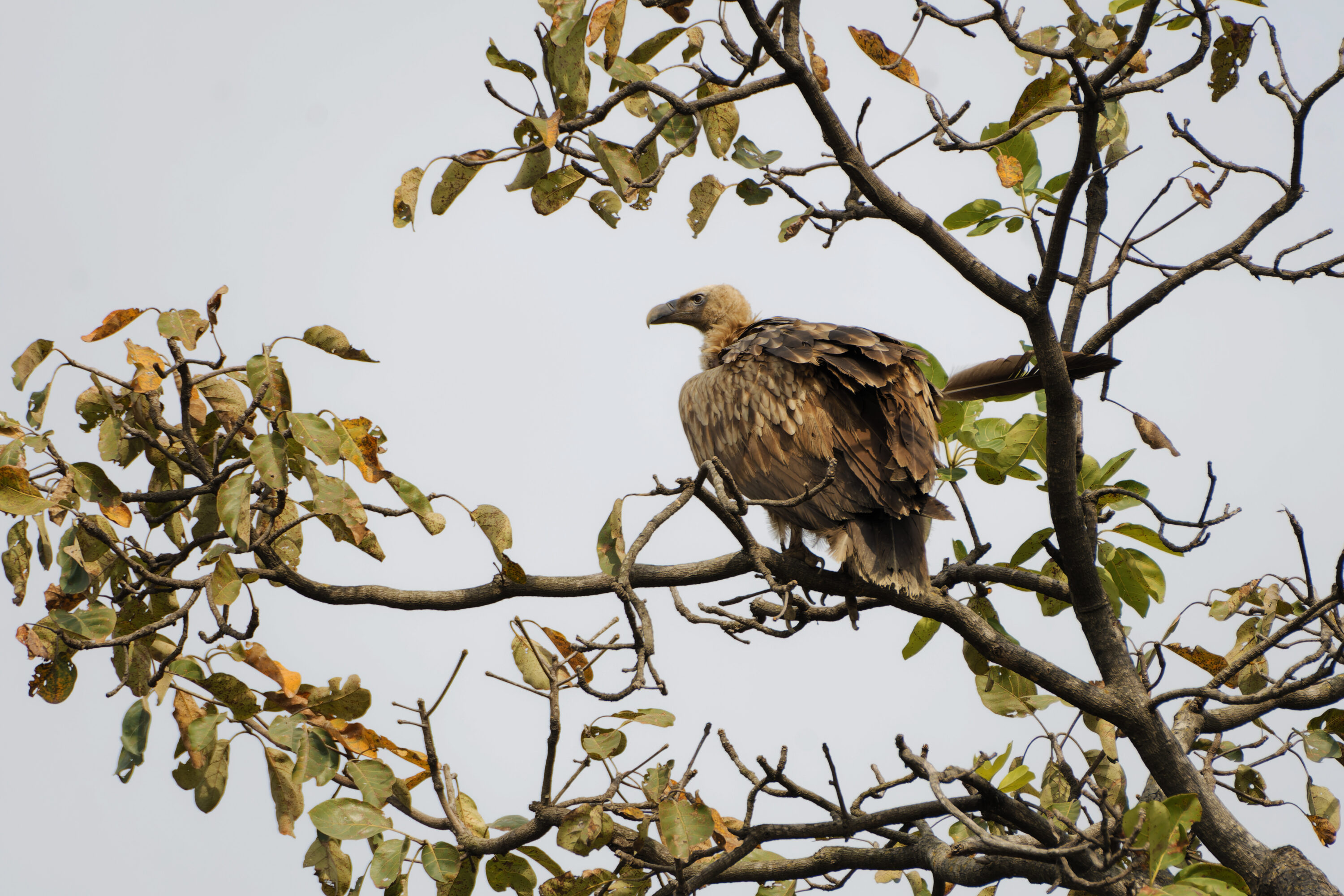
Himalayan Griffon Index Showed Clear Long-term Decline, While Recent Trend Was Unclear
The 2026 State of India’s Birds update estimated a −41.3% long-term national trend for Himalayan griffon, clearly supporting…
Read story →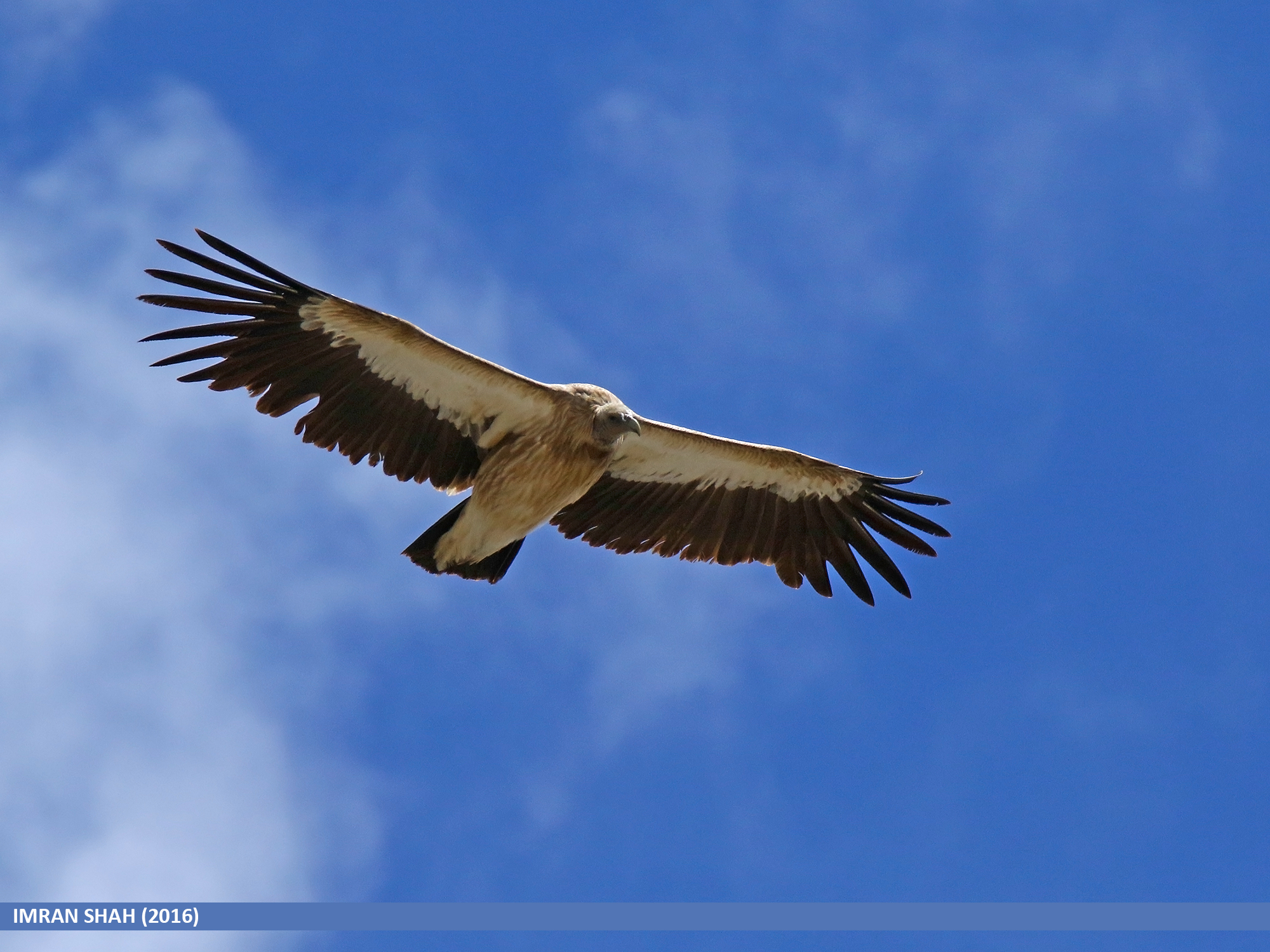
113 Himalayan Griffons Recorded at Six Wintering Sites in Northern Pakistan
A road-transect survey in Poonch River Mahasheer National Park recorded 113 Himalayan Griffons at six wintering sites, providing…
Read story →SPECIES IN THIS STORY
Species in this story
Independent research and conservation news archive
Did you find this information useful?
Wildlife Vagabond is independently built and maintained. Voluntary support helps cover source verification, hosting and continued work on research and conservation news.
Support Wildlife VagabondThe news archive will remain freely available.