
Eleven red-breasted geese fitted with satellite transmitters in northern Kazakhstan
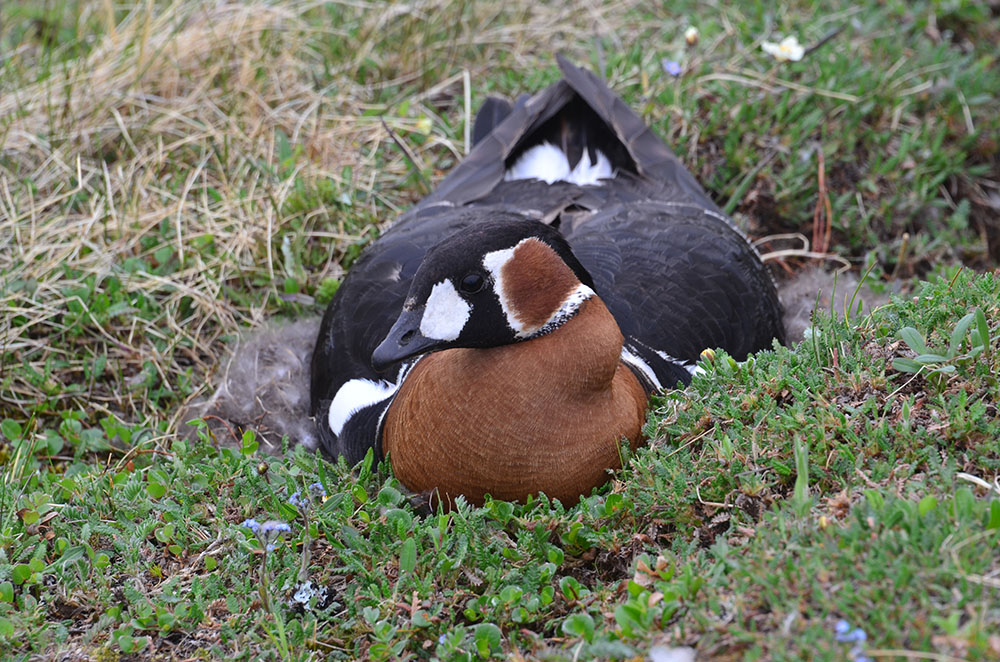
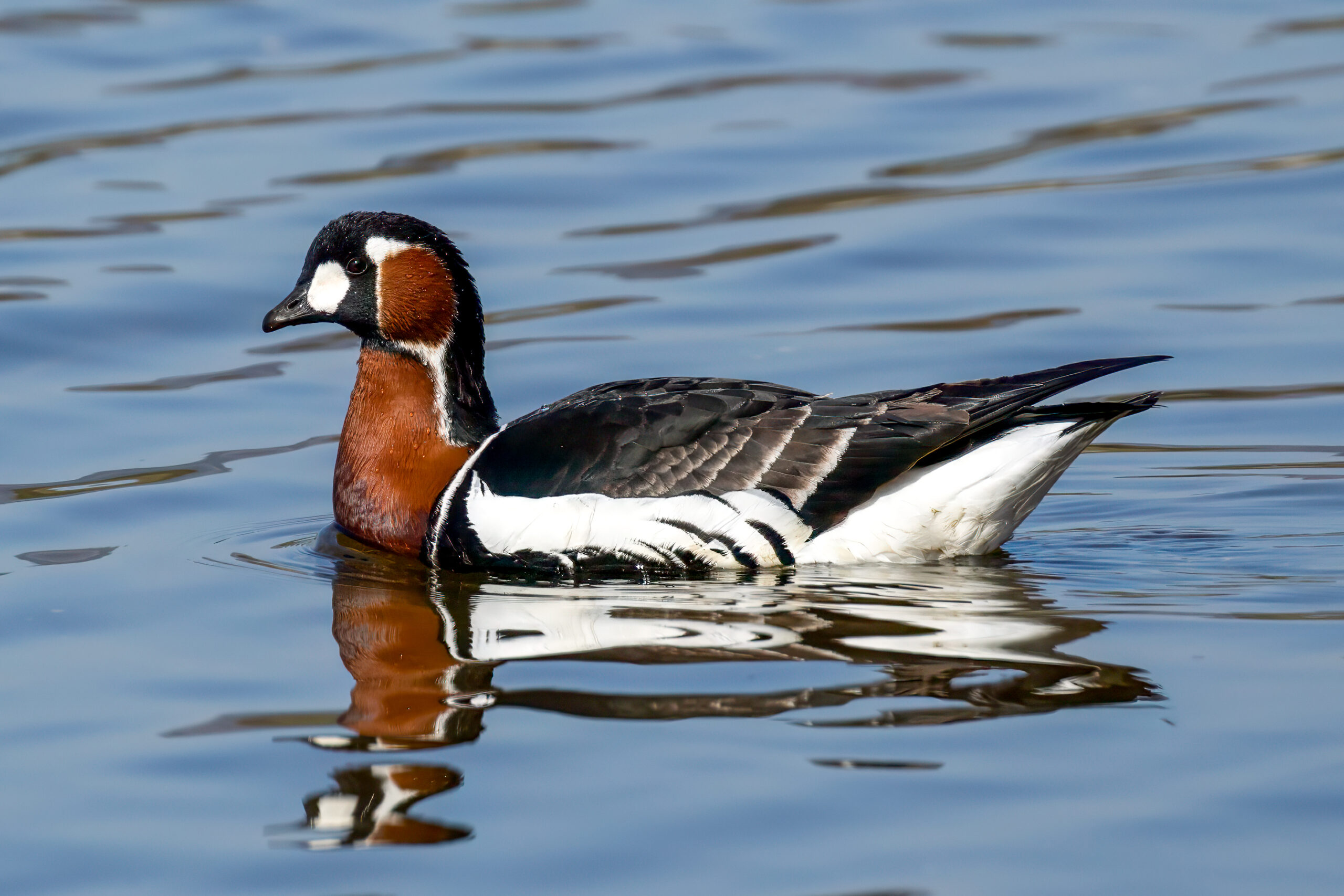
Eleven wild red-breasted geese (Branta ruficollis) were fitted with satellite transmitters in northern Kazakhstan during spring migration in 2026. SaveBranta reported the fieldwork on 21 May after a joint team from the Association for the Conservation of Biodiversity of Kazakhstan and M. Kozybayev North Kazakhstan University completed the capture and tagging.
Satellite telemetry records repeated positions from the same marked birds over time. The 11 transmitters are intended to reveal migration routes, stopover ecology, habitat use, survival and the locations of important staging and wintering areas. As the tracks accumulate, last known positions and changes in movement can also help identify possible mortality hotspots and areas where illegal killing may need closer investigation. These are objectives of the tracking programme; the 21 May report did not yet present migration results from the newly tagged birds.
Northern Kazakhstan is one of the most important spring staging regions for the global red-breasted goose population. Large numbers gather there to rest and feed before continuing towards their Arctic breeding grounds, making the region a key link in the species’ migration flyway.
Satellite tagging is listed as a priority conservation measure in the work plan of the AEWA Red-breasted Goose International Working Group. The 2026 fieldwork forms part of wider international efforts to identify and protect important sites across the species’ migration route.
Management
Related news
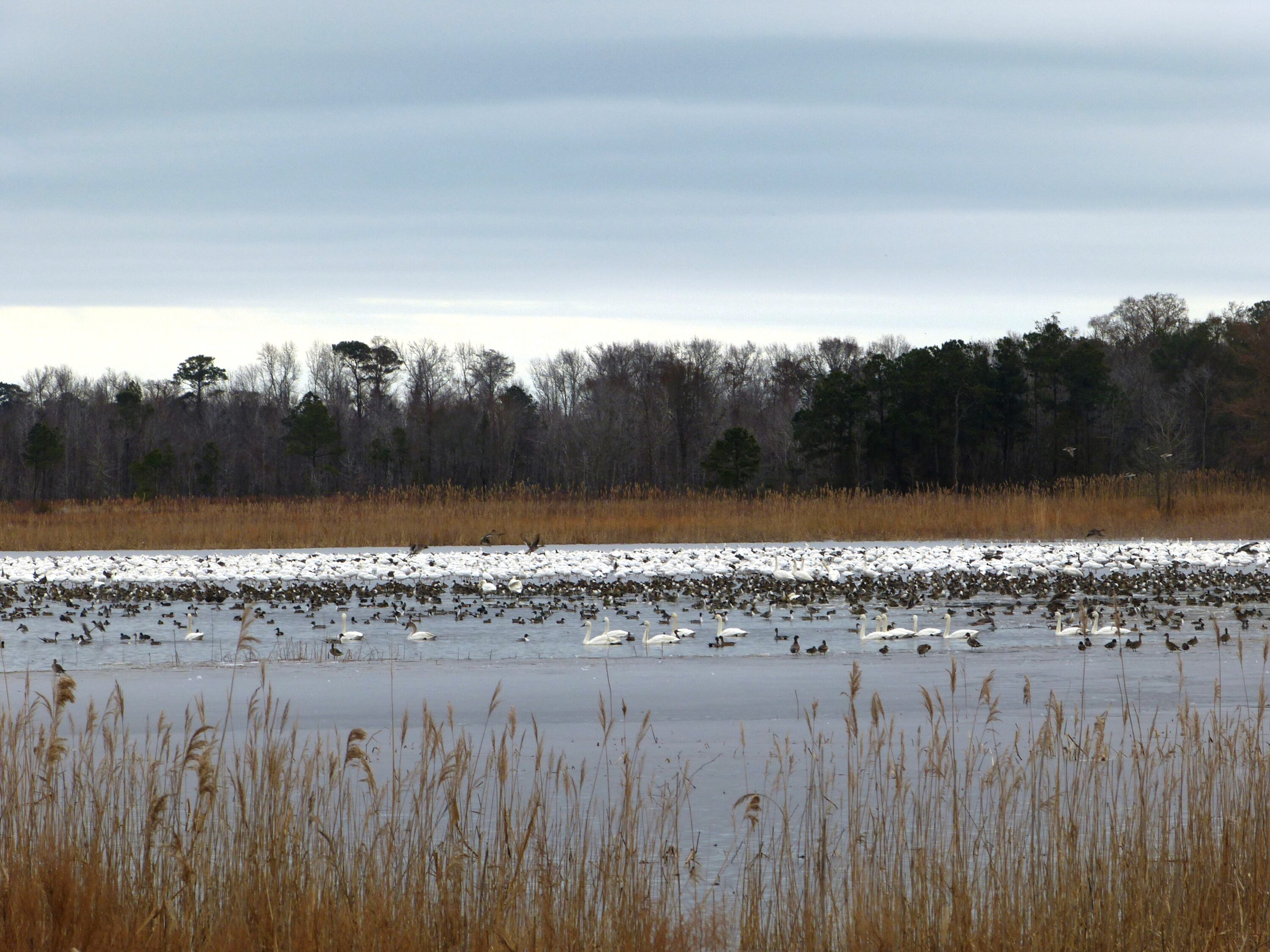
Genome Assemblies Released for 73 Anseriformes Species
A 2026 data paper released whole-genome assemblies for 73 species of ducks, geese, swans and other Anseriformes. Each…
Read story →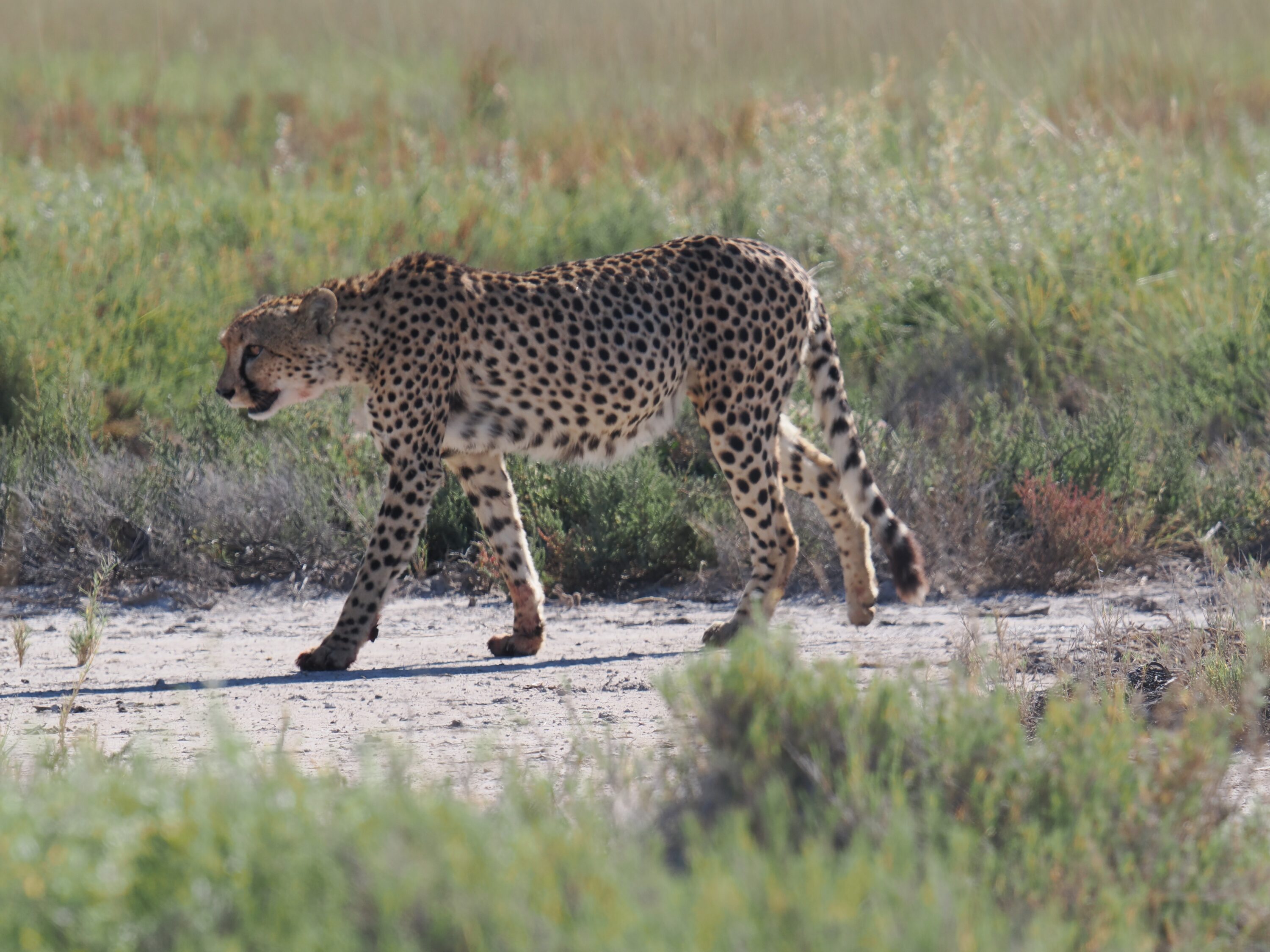
India’s Cheetah Project Sparked Debate Over Deaths, Transparency and Whose Expertise Counted
A review of 28 documents about Project Cheetah in India found sharply different accounts of its conservation goals,…
Read story →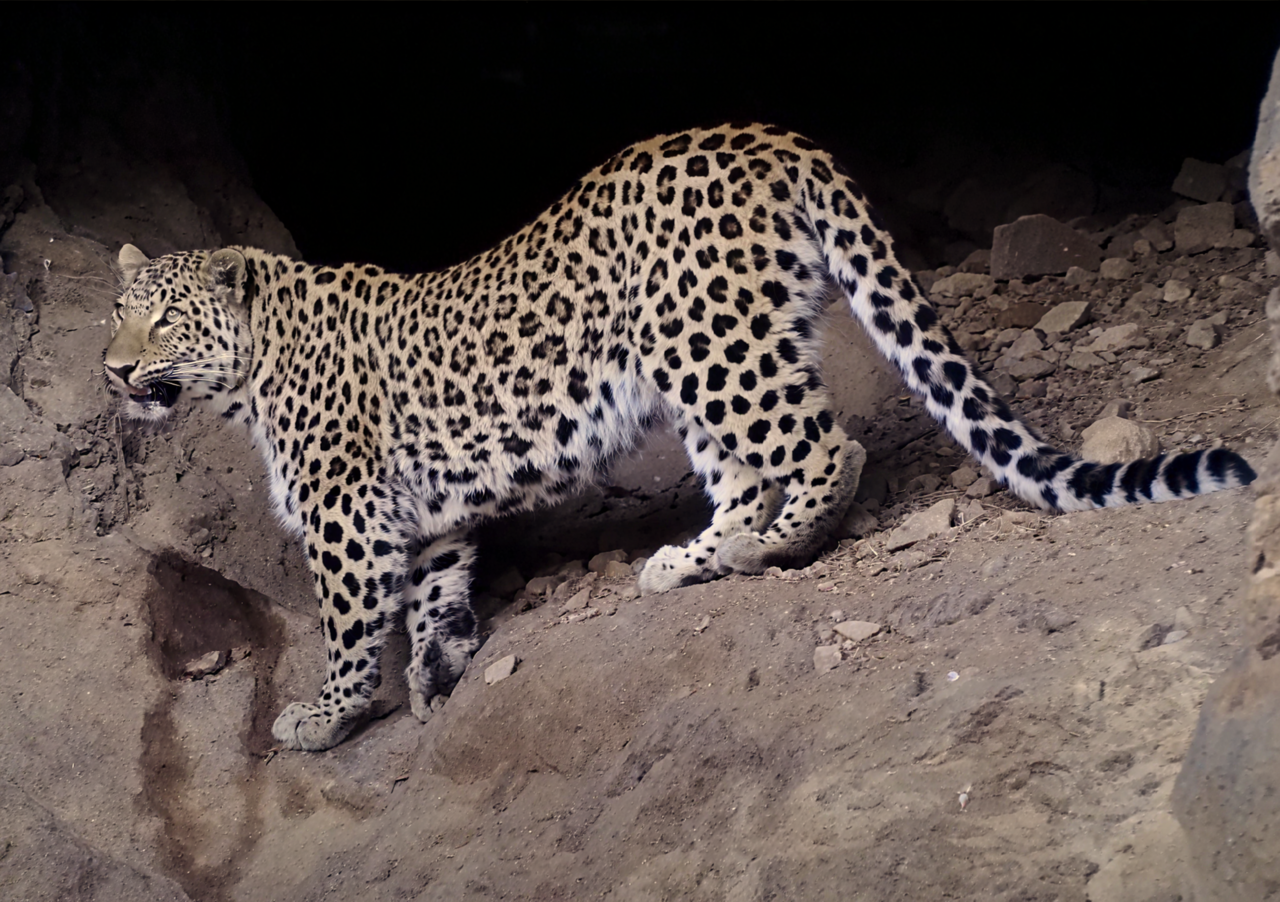
Living With Carnivores Is About More Than Livestock Losses
Near Iran’s Golestan National Park, researchers explored what was associated with people’s willingness to accept leopards, wolves and…
Read story →SPECIES IN THIS STORY
Species in this story
Independent research and conservation news archive
Did you find this information useful?
Wildlife Vagabond is independently built and maintained. Voluntary support helps cover source verification, hosting and continued work on research and conservation news.
Support Wildlife VagabondThe news archive will remain freely available.