
Red Crossbills Rapidly Increase Their Capacity to Produce Heat in the Cold
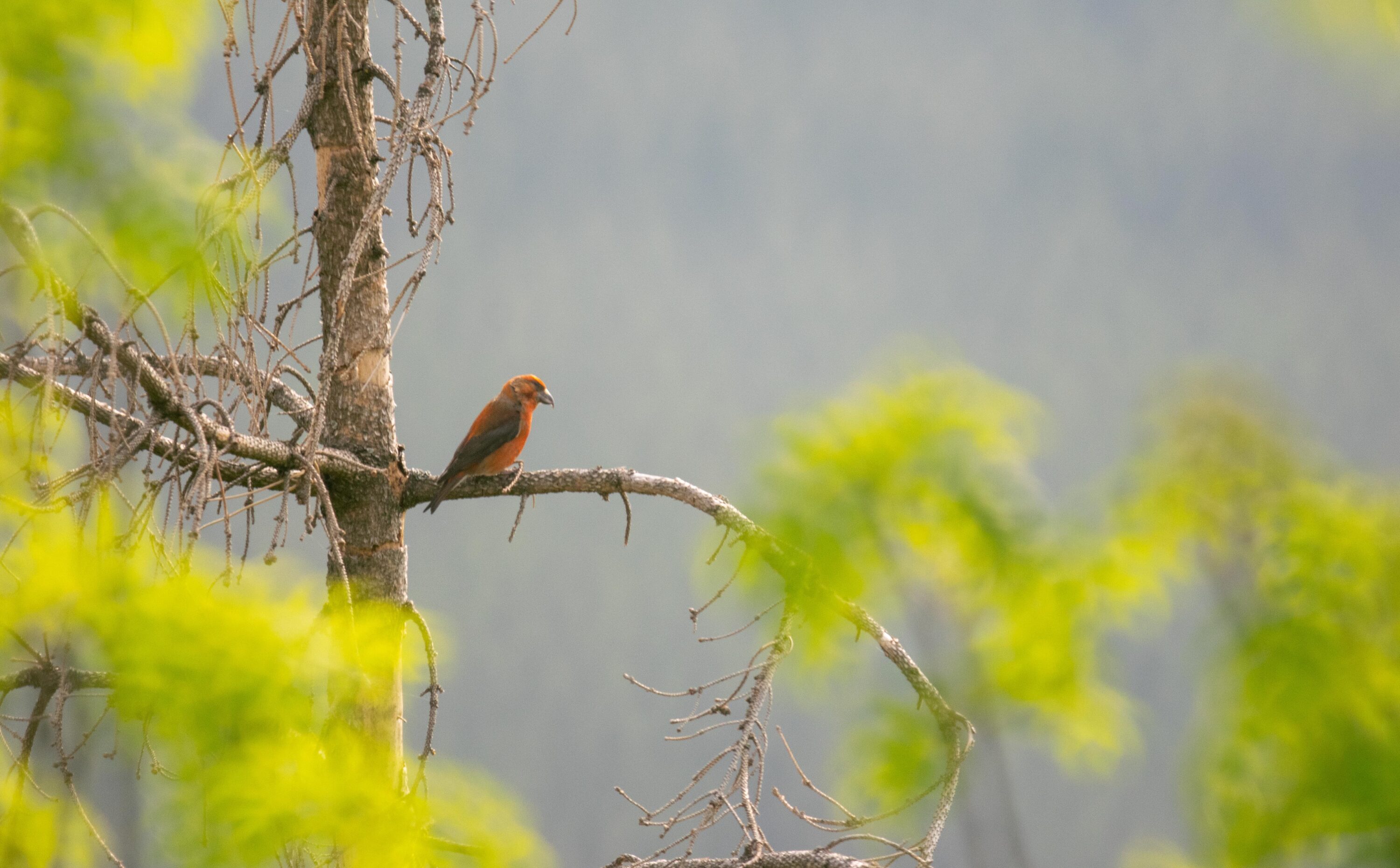
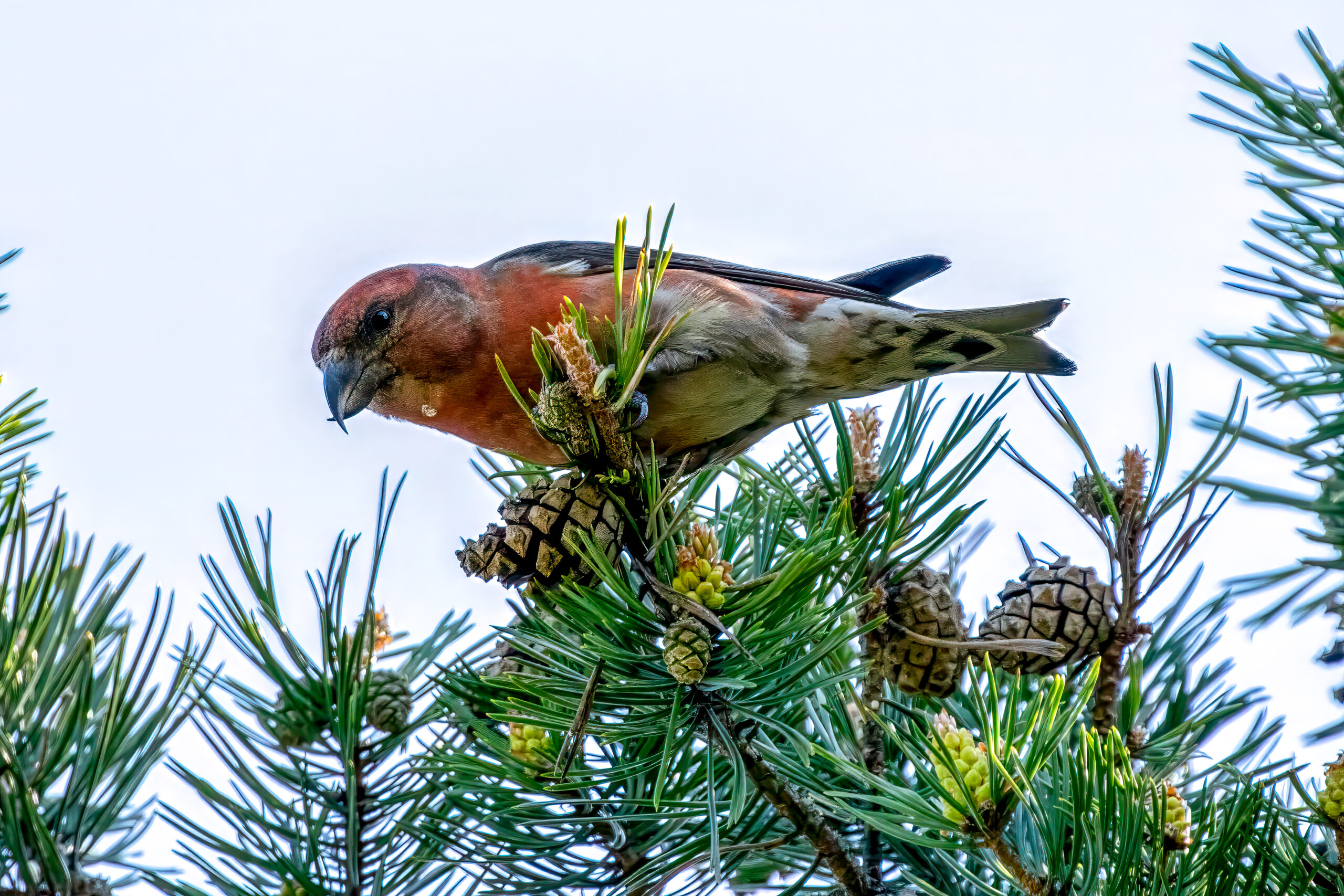
Cold weather can make it harder for a bird to maintain its body temperature. Researchers tested how quickly Red Crossbills (Loxia curvirostra) can adjust their capacity to produce heat, comparing two ecotypes that differ in how nomadic they are during spring migration.
The captive birds were kept either at 6 °C or at 21 °C, a thermoneutral temperature at which they do not need extra energy to stay warm, and researchers measured them repeatedly over nine days. They used summit metabolic rate, or Msum, as a measure of the birds’ maximum capacity to produce heat. Both ecotypes increased Msum exceptionally quickly. The researchers describe the rate of increase as the fastest documented in songbirds.
The greater heat-producing capacity came with higher basal maintenance costs: the birds needed more energy for their ongoing bodily functions. But baseline levels of corticosterone, a hormone involved in the stress response, did not increase. Even a single 90-minute cold exposure during testing temporarily raised Msum in birds otherwise kept at 21 °C.
Type 5 crossbills showed a slightly steeper increase in Msum than Type 3 birds. The researchers note that Type 5 birds are considered less nomadic and often live at very high elevations, so the difference does not point to nomadism alone as the explanation for how quickly heat-producing capacity increased.
Rapidly increasing heat-producing capacity could help crossbills cope with sharp changes in temperature during migration, although the higher maintenance costs show that this flexibility requires extra energy. The researchers suggest that the duration and severity of cold may matter more than nomadism alone. Because the experiment involved captive birds, it does not establish how quickly free-living crossbills make the same adjustments in nature.
Physiology
Related news
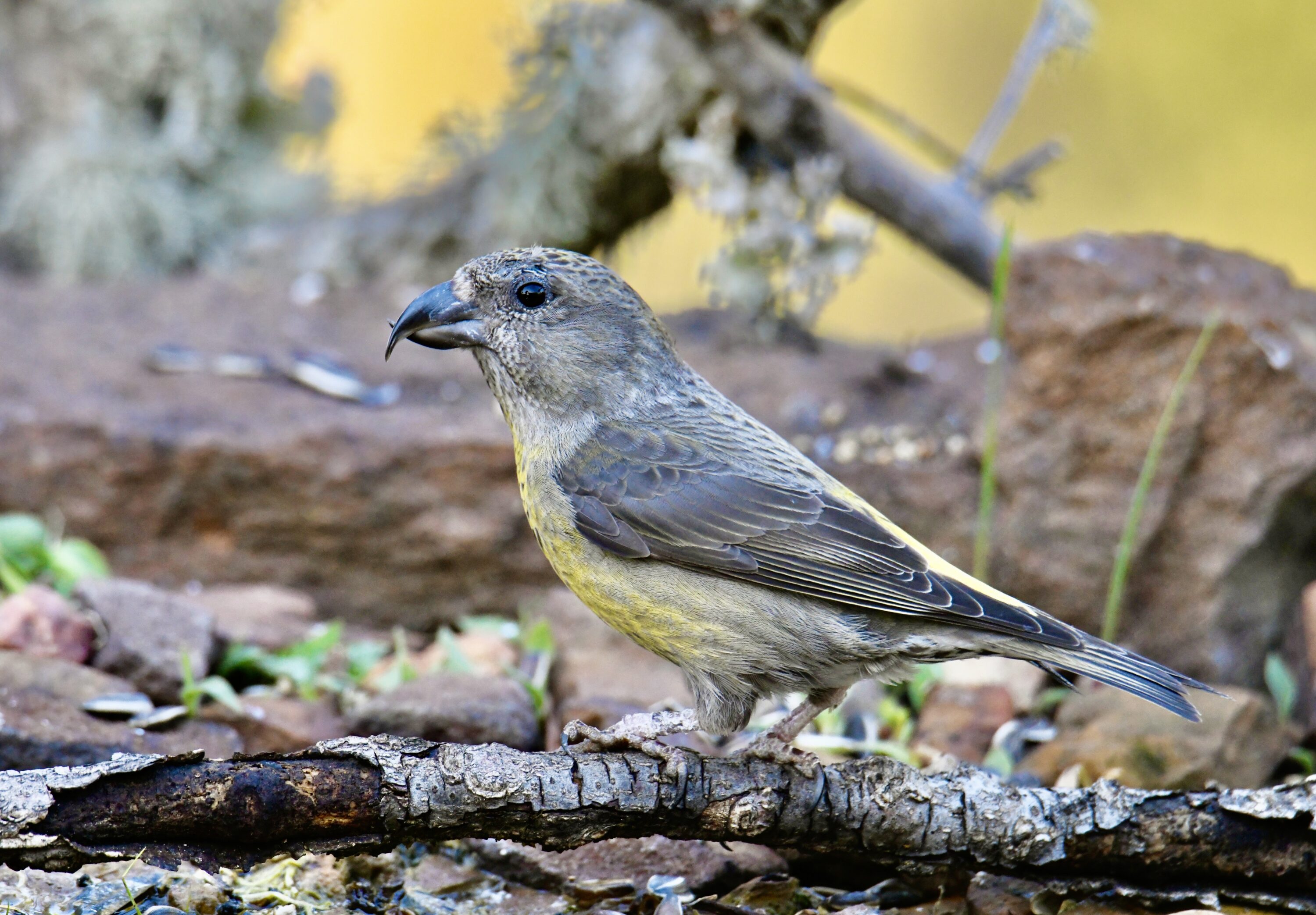
Red Crossbills Preferred Small Black Pine Cones, but Seed Predation Was Lower Where More Seeds Were Empty
Across nine sites on the Iberian Peninsula, red crossbills preferred black pines with many small, thin-scaled cones. Among…
Read story →
How one rhesus macaque’s brain represented coordinated finger movements
Recordings from three connected brain areas showed that coordinated finger movements were not represented as a simple sum…
Read story →
Carrion Crows Decide Which Way Dots Move in About 235 Milliseconds
In a visual task, two carrion crows chose whether moving dots were travelling mostly left or right in…
Read story →SPECIES IN THIS STORY
Species in this story
Independent research and conservation news archive
Did you find this information useful?
Wildlife Vagabond is independently built and maintained. Voluntary support helps cover source verification, hosting and continued work on research and conservation news.
Support Wildlife VagabondThe news archive will remain freely available.