
Red Crossbills Preferred Small Black Pine Cones, but Seed Predation Was Lower Where More Seeds Were Empty
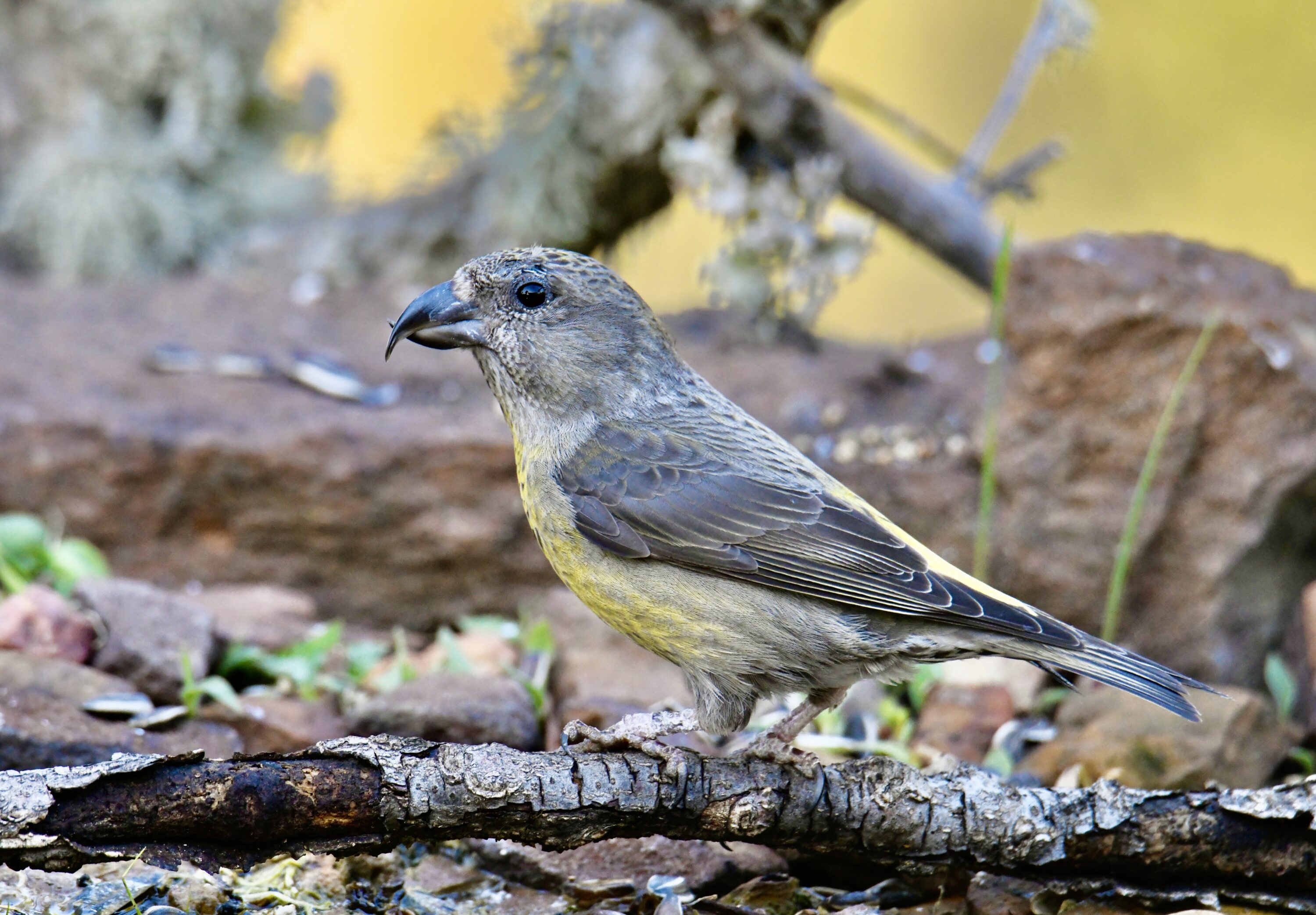
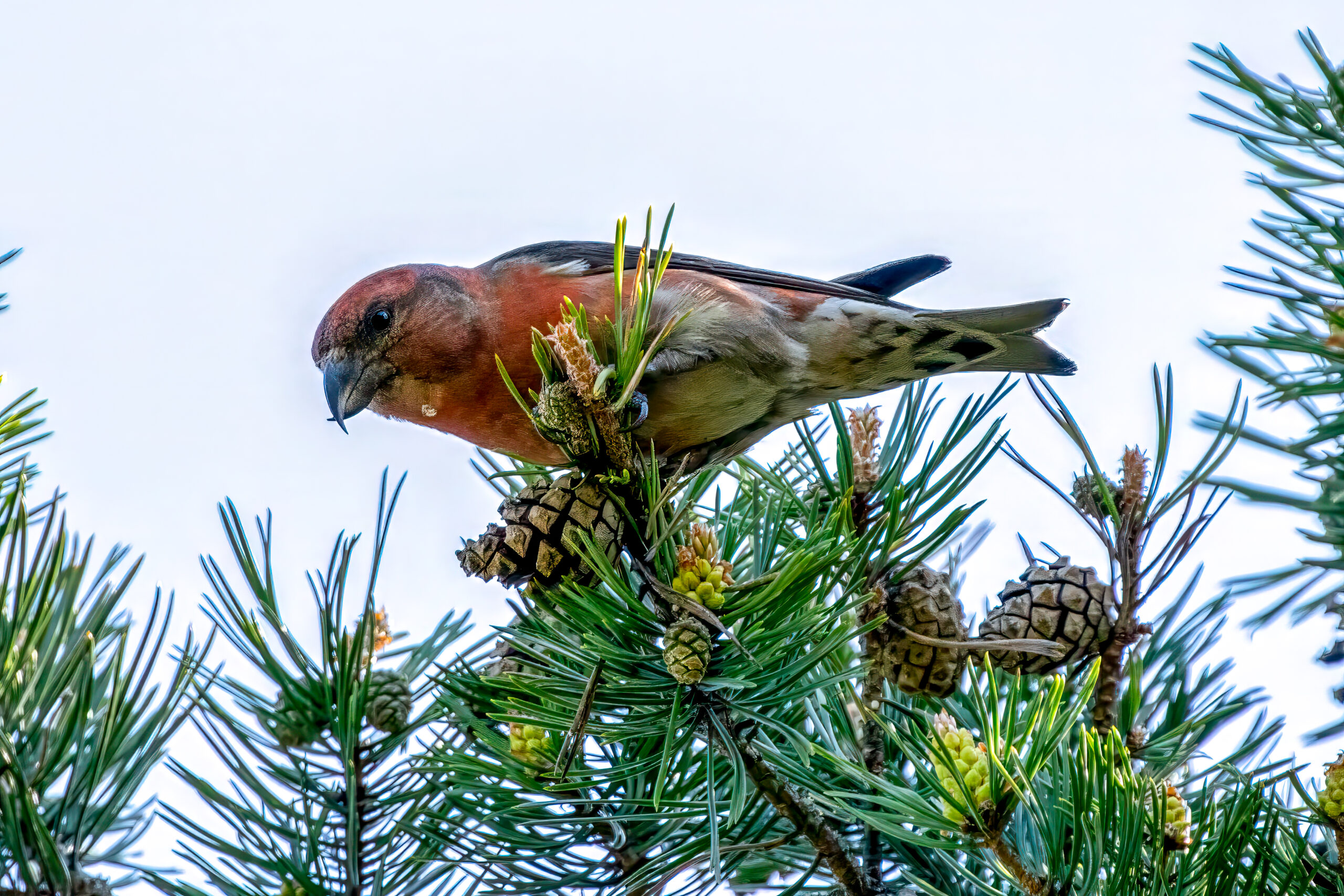
A study at nine sites on the Iberian Peninsula asked whether differences in seed predation by red crossbills (Loxia curvirostra) could explain geographic variation in the cones of black pine (Pinus nigra). The researchers compared crossbill feeding preferences within sites with differences in cone traits and pre-dispersal seed predation among sites.
Crossbills favoured small, thin-scaled cones
Within individual sites, crossbills preferentially foraged on trees with large cone crops and on small cones with relatively small, thin scales. The pattern was similar to the feeding preferences reported in earlier studies of crossbills and cone-bearing conifers.
Because cone size and scale thickness are often heritable, the authors argue that repeated preference for small, thin-scaled cones could impose natural selection favouring larger cones with thicker scales. The study therefore identifies a feeding preference with the potential to drive evolutionary change within populations; it does not by itself show that such change has already occurred.
Empty seeds complicated the geographic pattern
The comparison among the nine sites produced a different result. Overall crossbill seed predation tended to be lower where a larger proportion of the seeds were empty. The authors link empty seeds to pollination failure, which can in turn vary with environmental conditions such as precipitation.
That matters because pollination conditions can change from year to year. The authors therefore conclude that geographic differences in predation intensity are unlikely, on their own, to produce matching geographic differences in cone traits. Some of the apparent variation in predation among sites may instead reflect changing availability of filled seeds.
The broader point is methodological as well as evolutionary: to test whether seed predators explain geographic variation in defensive cone traits, researchers need to separate predator-driven selection from environmental variation that changes how many usable seeds are available. In this study, crossbill preferences within sites were consistent with directional selection on cone structure, while the among-site pattern was complicated by variation in empty seeds that the authors link to pollination failure.
Evolution & taxonomy
Related news
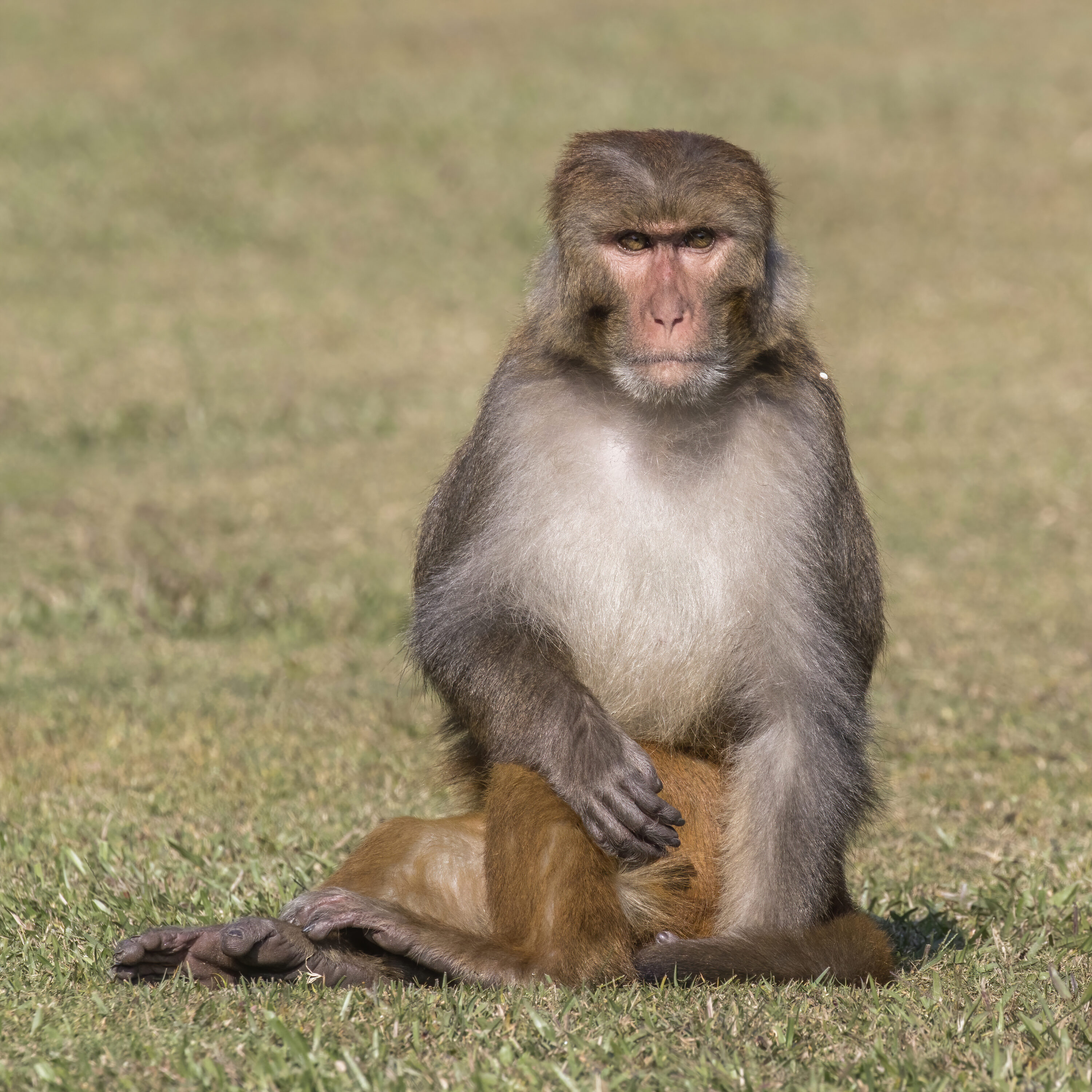
mFISH Mapped 16 of 22 Rhesus Macaque Chromosome Types to a Single Human Chromosome
Human chromosome-painting probes showed one-to-one homology for 16 of 22 rhesus macaque chromosome types, while three macaque chromosomes…
Read story →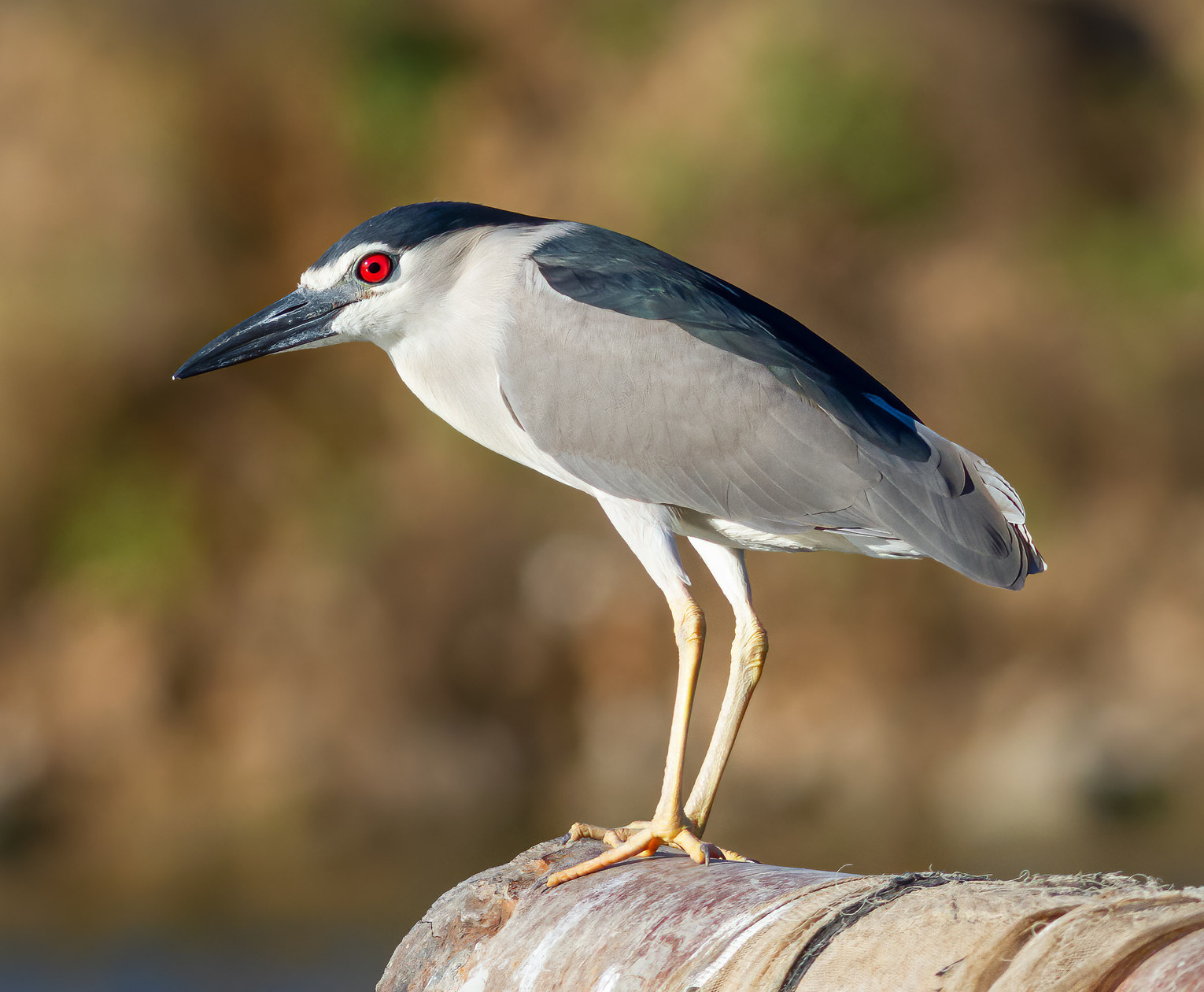
New nematode species described from black-crowned night herons in Israel
Fourteen adult nematodes collected from the stomach lining of three black-crowned night herons in Israel led to the…
Read story →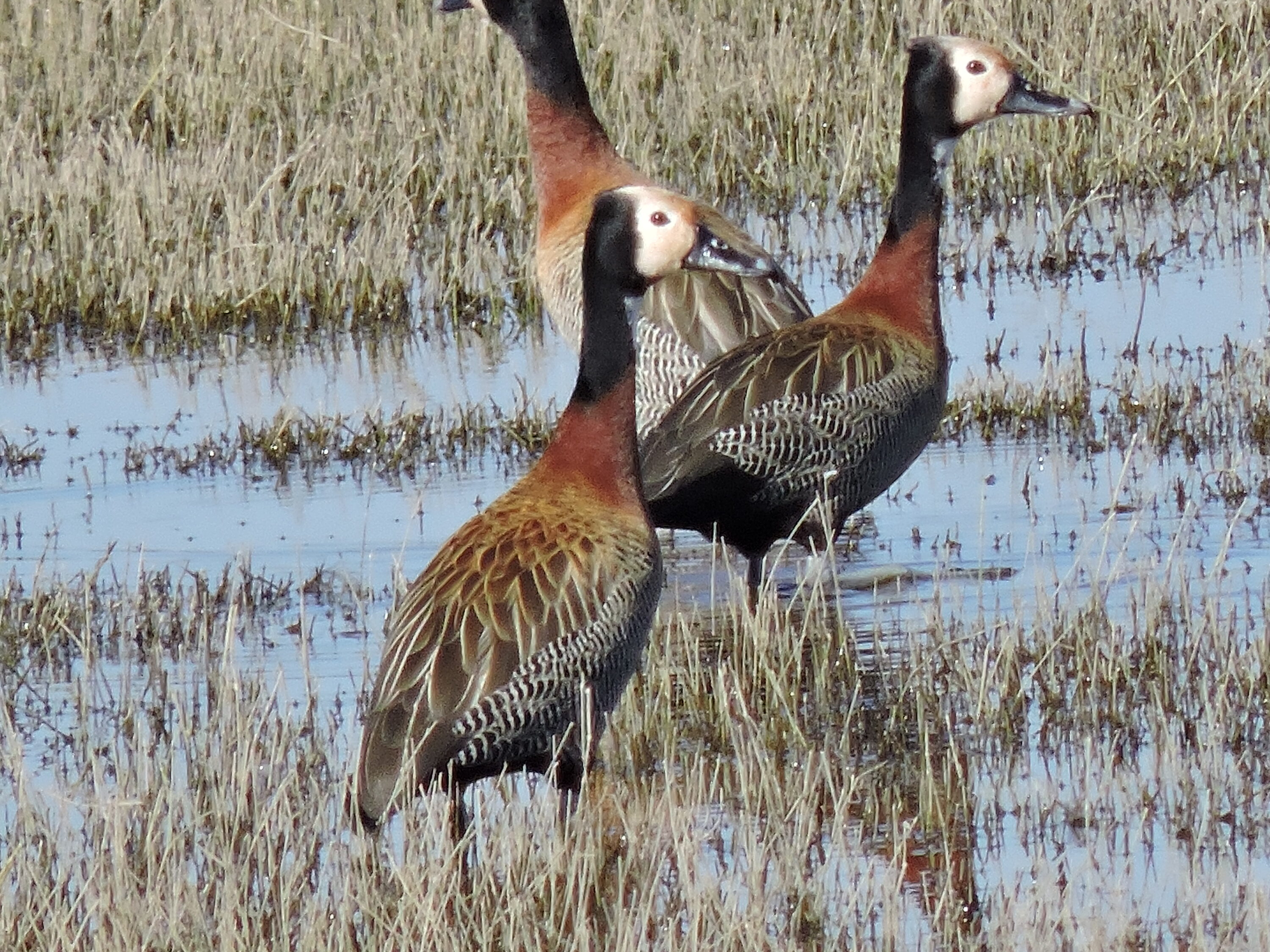
Seven Wild White-faced × Fulvous Whistling-Duck Hybrids Documented in Brazil and Argentina
A 2026 short communication assembled seven wild apparent White-faced × Fulvous Whistling-Duck hybrid records from Brazil and Argentina.…
Read story →SPECIES IN THIS STORY
Species in this story
Independent research and conservation news archive
Did you find this information useful?
Wildlife Vagabond is independently built and maintained. Voluntary support helps cover source verification, hosting and continued work on research and conservation news.
Support Wildlife VagabondThe news archive will remain freely available.