
Natal Red Duiker Protected-Area Occupancy Fell From 25% to 14% in KwaZulu-Natal
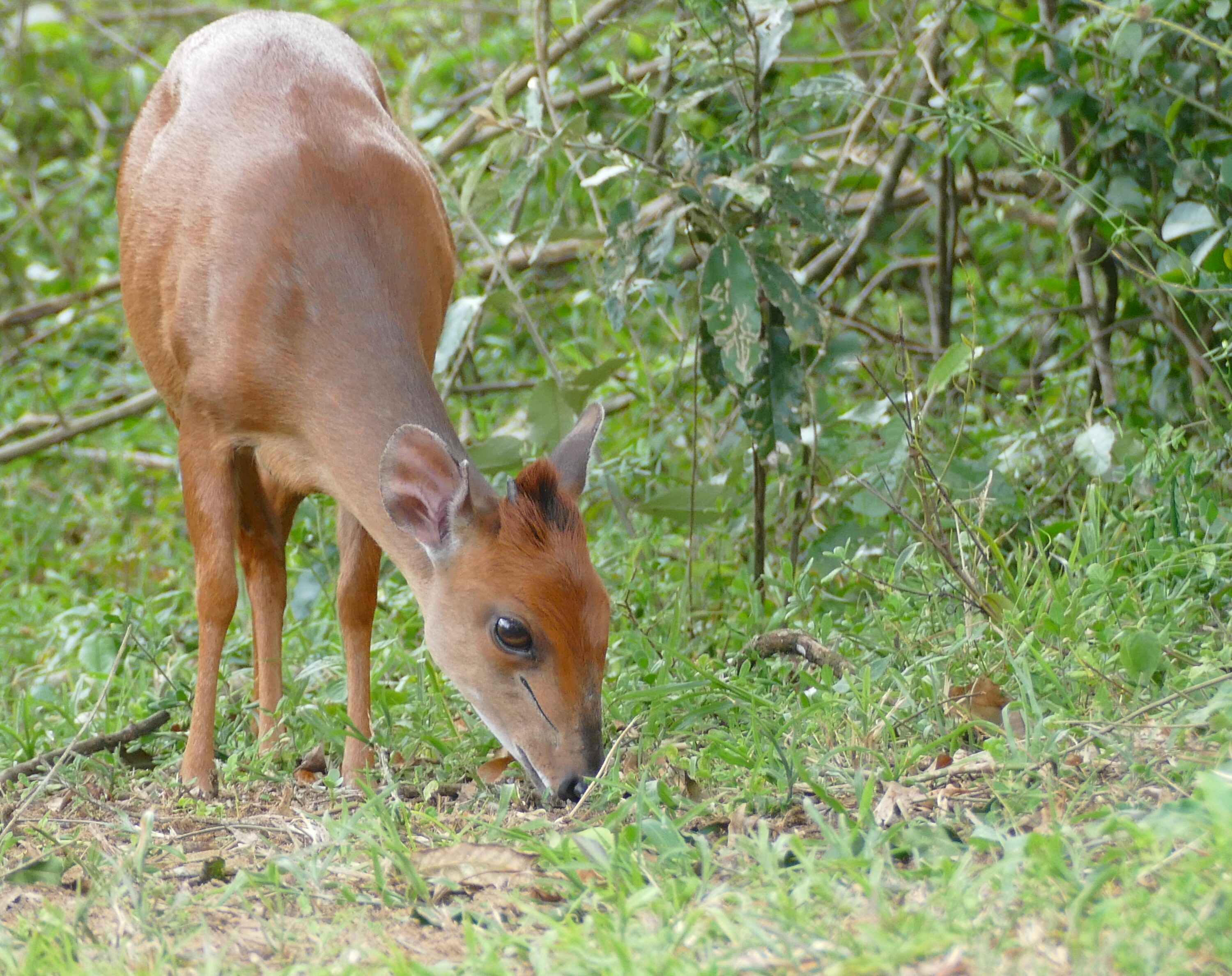
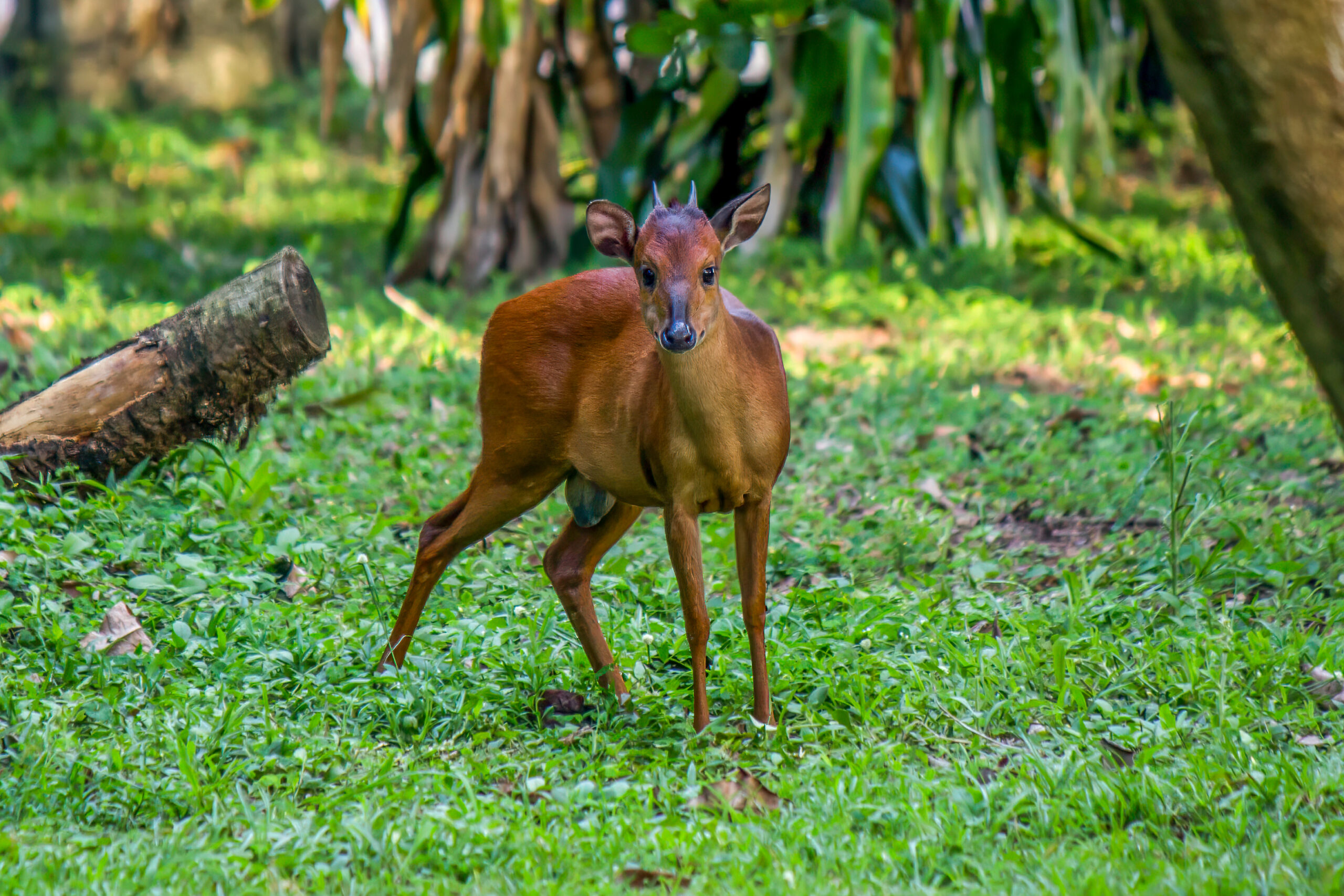
A 2026 analysis of protected areas in KwaZulu-Natal, South Africa, found that the share of protected-area area occupied by Natal red duikers (Cephalophorus natalensis) declined between surveys conducted in 1990 and 2013. The study combined this long-term comparison with published density estimates and a spatial population model to investigate possible drivers of change in several hunted predator and prey species.
The 2013 survey covered 94 protected areas administered under the former KwaZulu-Natal protected-area system. Ecologists responsible for the areas reported whether red duikers and six other focal species were present and whether they believed populations had increased, decreased, remained stable or disappeared during the previous five years. These results were compared with an earlier survey from 1990 and mapped across the province.
Protected-area occupancy declined while density estimates were more stable
For Natal red duikers, the proportion of protected-area area occupied fell from 25% in 1990 to 14% in 2013. This measure was based on which protected areas ecologists reported the species from, with the occupied sites expressed as a share of the province’s total protected-area area. It therefore describes how widely the species was distributed across the protected-area network, not the percentage of individual animals that disappeared. Published density estimates from Hluhluwe-iMfolozi Park, however, were comparatively stable: 0.36, 0.24 and 0.34 animals per km² across three successive periods from the late 1980s to 2014. The author therefore describes the combined evidence as indicating either stability or decline rather than a single clear province-wide population trend.
Modelled declines disappeared when hunting was removed
The study also developed a multi-species, multi-district model that included hunting pressure, predator–prey interactions and movement among areas. In the baseline simulations, which included hunting, the model projected continuing declines in predator and prey populations. When hunting was removed from the model, both predator and prey populations recovered, whereas predator–prey interactions alone did not generate the same declines. This makes hunting an important driver within the model, but the simulation does not by itself prove that hunting caused every observed change in the real protected-area populations.
The author concludes that habitat and climate help determine where the species occur, but that hunting and other human pressures also influence their abundance. Duikers were concentrated in the more humid, forested coastal parts of KwaZulu-Natal, while many of the larger predators were more common inland.
The evidence sources do not all point in the same direction
The study notes that its different information sources do not always point in exactly the same direction. Protected-area occupancy is based partly on expert assessments by ecologists, density information is sparse for several species, and the model does not include the possible effects of feral dogs because adequate data were unavailable. The author therefore treats the combined evidence as showing that many species are stable or declining, with hunting emerging from the model as an important potential driver.
Population & status
Related news
African Buffalo Herds Concentrated in Wetlands and Forest During Gambella's Dry Season
A two-year study in Ethiopia's Gambella National Park found similar but uncertain buffalo abundance estimates in 2022 and…
Read story →
Therthangal Spoonbill Colony Returned to 12 Active Nests After Complete Breeding Failure
Six breeding seasons at Therthangal Bird Sanctuary in Tamil Nadu ranged from 12 active Eurasian Spoonbill nests in…
Read story →
Cattle Egret Reporting Rate Rose From 0.38 to 0.60 in Southern African Atlas Data
A systematic review of 173 studies found generally stable or increasing cattle egret populations in the better-studied parts…
Read story →SPECIES IN THIS STORY
Species in this story
Independent research and conservation news archive
Did you find this information useful?
Wildlife Vagabond is independently built and maintained. Voluntary support helps cover source verification, hosting and continued work on research and conservation news.
Support Wildlife VagabondThe news archive will remain freely available.